
7 Smart Ways to Save Money on Big-Ticket Purchases
Buying expensive items like appliances, electronics, and furniture doesn’t mean you have to pay full price. The best savings often come from knowing when to shop, comparing more than just the advertised price, and understanding which discounts are worth pursuing. From checking open-box merchandise to taking advantage of price adjustments and retailer promotions, a little extra research can make a difference. These practical shopping strategies can help you avoid unnecessary spending, make more informed purchasing decisions, and get better value from your next major purchase.
Shop at the Right Time for Seasonal Discounts

Timing can make a difference when shopping for expensive items, but the best sales periods vary by product and retailer. TVs often see competitive pricing around major sporting events, while appliances and mattresses frequently have promotions around holiday weekends and seasonal sales events. Furniture discounts may also appear during major holiday weekends when retailers are trying to move inventory. Rather than assuming a particular month guarantees the lowest price, start watching prices several weeks before you plan to buy. This gives you a better idea of what a genuine discount looks like.
Compare Prices Beyond the Advertised Sale

A big discount doesn’t always mean you’re getting the best deal. Compare the exact model number across several retailers, paying attention to shipping, delivery, installation, and other fees that can increase the final cost. Price-tracking tools such as CamelCamelCamel for Amazon purchases and Honey can help shoppers monitor prices and look for available discounts. Keep in mind that comparison tools don’t always include every retailer or promotion. Checking the retailer’s website directly is still worthwhile before making a purchase.
Consider Older Models Before Paying for the Newest Version

The newest model isn’t always the best value, especially when you’re shopping for electronics and appliances. Last-generation televisions, laptops, and other electronics may offer many of the same features as newer releases at a lower price. Retailers sometimes discount older inventory when updated models arrive, making it a good opportunity to save without sacrificing much functionality. Before buying, compare specifications, features, and warranty coverage to make sure you’re comfortable with what you’re giving up. A slightly older model may be more than enough for your household’s needs.
Check Open-Box, Floor-Model, and Clearance Merchandise

Open-box and floor-model merchandise can offer meaningful savings on expensive purchases. These items may have been returned, displayed in a showroom, or removed from their original packaging, so their condition can vary. Before purchasing, inspect the item for scratches, dents, missing accessories, or other damage. Ask whether it includes the manufacturer’s warranty, what the return policy allows, and whether the discount reflects its condition. Some retailers also sell certified refurbished products that have been inspected or repaired. Just make sure you understand exactly what you’re buying before handing over your money.
Ask About Discounts and Negotiate the Price

You don’t always have to accept the first price listed, particularly when shopping for furniture, mattresses, and major appliances. Ask whether the store has additional promotions, discounts on display models, or flexibility on delivery and installation fees. Independent retailers may have more room to negotiate than larger chains, but it never hurts to ask politely. Even when a salesperson cannot lower the sticker price, they may be able to include an accessory or offer another savings opportunity. A little conversation could make a noticeable difference on a major purchase.
Take Advantage of Cashback and Rewards Programs

Cashback offers and rewards programs can help stretch your budget when making a large purchase. Before checking out, look at your credit card’s current rewards, retailer loyalty offers, and reputable cashback platforms to see whether your purchase qualifies. Some promotions can be combined with existing sales, although exclusions and spending requirements are common. For example, a 2% cashback reward on a $1,000 purchase would return $20, provided the purchase qualifies. Just avoid carrying a credit card balance or paying interest to earn rewards, since those costs can quickly outweigh the savings.
Check Price-Match Policies and Post-Purchase Adjustments
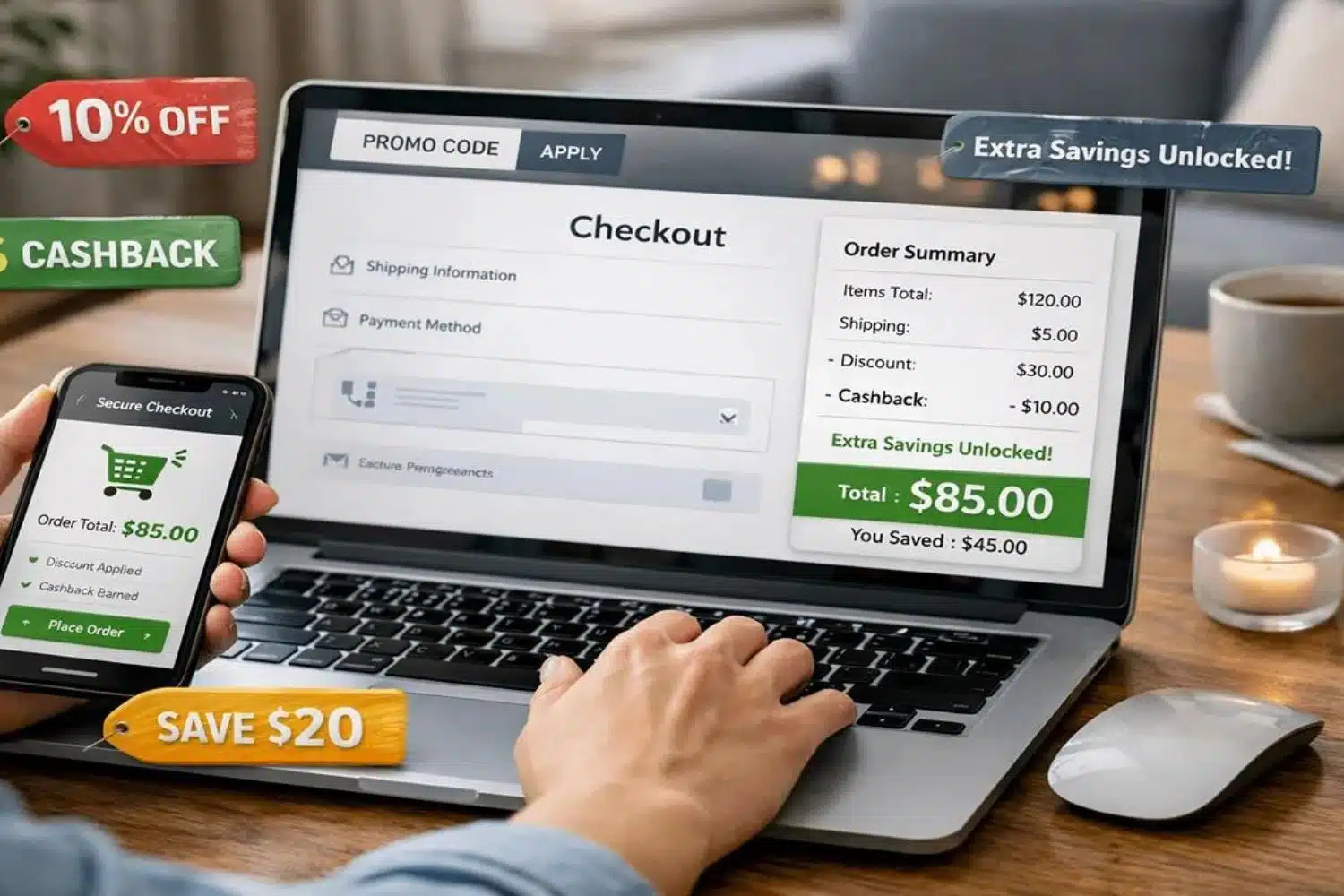
Finding a lower price after you’ve made a purchase doesn’t always mean you’ve missed your chance to save. Some retailers offer price matching before checkout, while others allow customers to request a price adjustment if the same item goes on sale shortly afterward. Policies vary, including which competitors qualify, how long you have to make a request, and whether clearance or promotional pricing is excluded. Keep your receipt and check the store’s policy before buying. A quick review could help you recover the difference if the price drops within the retailer’s adjustment window.
This post may contain affiliate links or sponsored content. Disclosure Policy