
7 Herbal Teas to Help You Relax and Get Better Sleep
A warm cup of herbal tea can be a simple way to slow down at the end of the day. While some herbs have been traditionally used for relaxation and sleep, research doesn’t support treating any of these teas as a guaranteed cure for insomnia. The bigger benefit may be choosing a naturally caffeine-free drink and pairing it with a consistent, relaxing bedtime routine. Here are seven herbal teas worth considering when you want something soothing to sip before bed.
Chamomile Tea
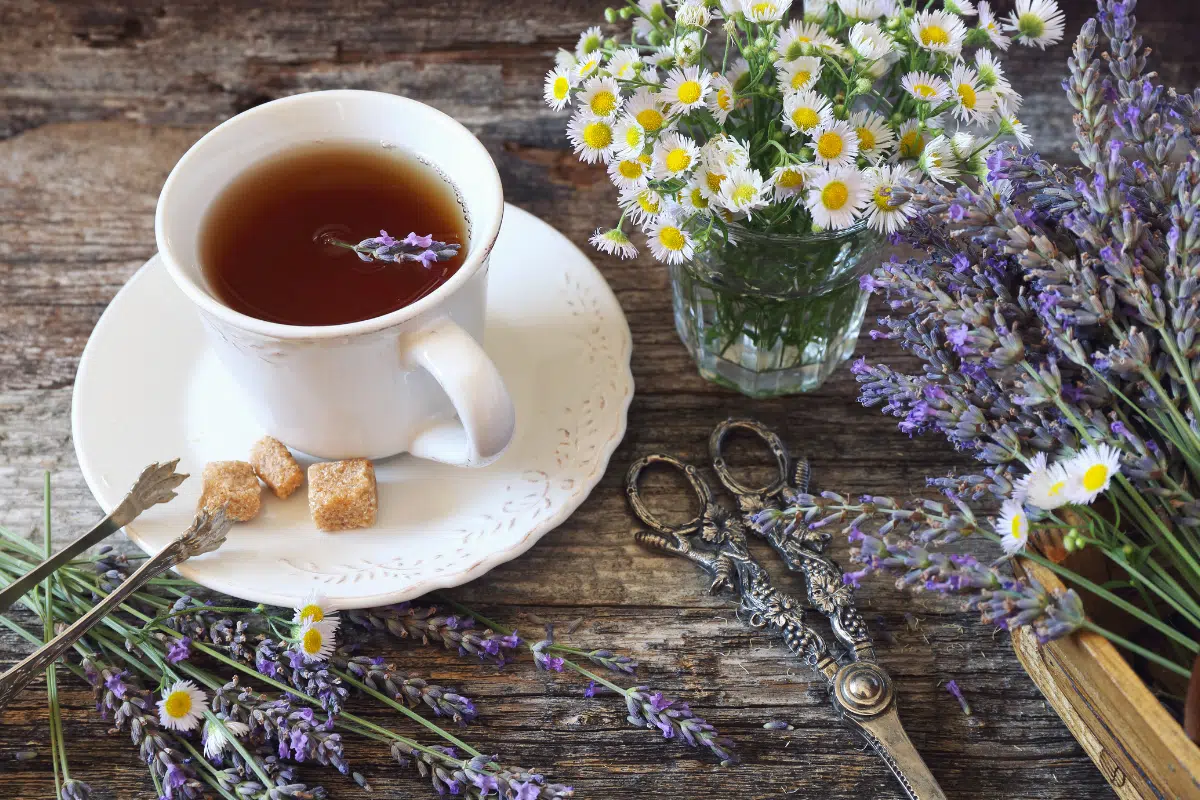
Chamomile has a long history of use as a calming herbal drink and remains one of the most popular choices for bedtime. It is naturally caffeine-free, with a mild floral flavor that makes it easy to enjoy as part of an evening routine. Research into chamomile and sleep has produced some encouraging findings, but there isn’t enough evidence to consider it a proven treatment for insomnia. People allergic to ragweed, chrysanthemums, daisies, or related plants should also be cautious because chamomile can cause allergic reactions.
Lavender Tea
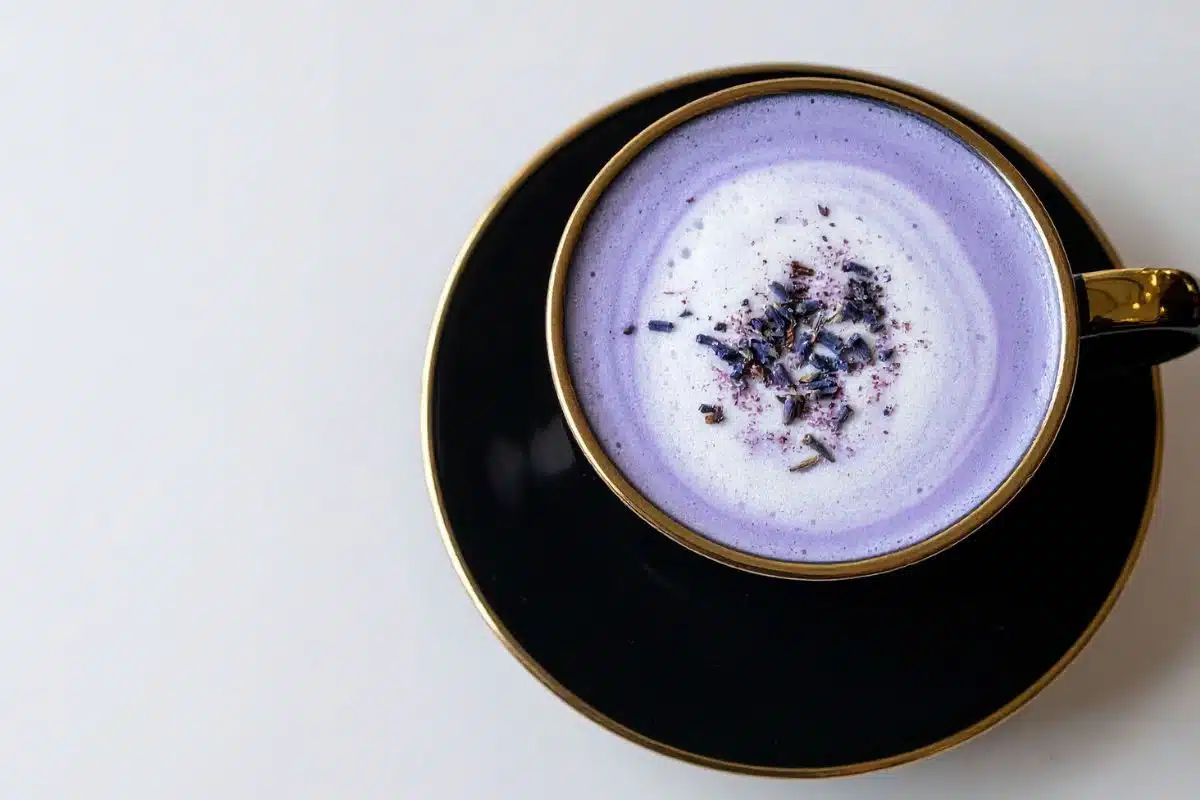
Lavender is better known for its fragrance, but its flowers can also be brewed into a caffeine-free herbal tea. Research on lavender and relaxation is still developing, and there is not enough evidence to say that lavender tea reliably treats insomnia. Its distinctive floral flavor can nevertheless make it a pleasant addition to a quiet nighttime routine, especially when blended with milder herbs such as chamomile. People taking medications should check with a healthcare professional before regularly using concentrated lavender products.
Lemon Balm Tea

Lemon balm, also known as Melissa officinalis, has a naturally fresh lemon flavor and a long history of traditional use for mild stress and restlessness. It is frequently included in herbal blends designed for relaxation and evening use. Research into its effects on sleep is still limited, so it is more accurate to describe lemon balm tea as a calming beverage than a proven sleep aid. Its bright flavor also makes it a good choice for people who find heavier herbal teas too strong.
Valerian Root Tea

Valerian root has been used traditionally for sleep and relaxation, but its reputation is stronger than the scientific evidence supporting it. Studies have produced inconsistent results, and major health organizations do not consider valerian a proven treatment for chronic insomnia. Some people experience side effects such as headache, stomach upset, or drowsiness after taking valerian. Because it can have sedating effects, it should not be combined with alcohol or sedative medications without professional guidance.
Peppermint Tea

Peppermint tea is naturally caffeine-free and can be a refreshing after-dinner drink for people who enjoy a minty flavor. Unlike chamomile or valerian, however, there isn’t good evidence that peppermint tea improves sleep or helps people fall asleep faster. It may also aggravate heartburn or reflux in some people, making it less appealing as a bedtime drink for those with nighttime digestive symptoms. If reflux isn’t an issue, peppermint can still be a pleasant way to end the evening without adding caffeine.
Passionflower Tea

Passionflower has traditionally been used as a calming herb, and some small studies have examined its potential effects on sleep. Research suggests it may help increase total sleep time in some adults, although results involving falling asleep and staying asleep have been mixed. That makes passionflower interesting for an evening routine, but not a proven solution for persistent insomnia. It can cause drowsiness or dizziness and may interact with certain medications, so regular use is best discussed with a healthcare professional.
Rooibos Tea

Rooibos stands out because it is naturally caffeine-free, making it a practical alternative to black or green tea later in the day. Avoiding caffeine in the evening can be helpful for people whose sleep is sensitive to stimulants. There isn’t enough evidence to call rooibos a sleep aid, but its smooth, slightly nutty flavor makes it an easy addition to a relaxing nighttime routine. Try it plain or with a small amount of milk or sweetener if you prefer a richer evening drink.
This post may contain affiliate links or sponsored content. Disclosure Policy