
7 Houseplants That Bring a Fresh, Green Touch to Your Home
Houseplants have become a popular way to bring natural beauty indoors, but their benefits go beyond decoration. While plants are not a replacement for proper ventilation, air filters, or regular cleaning, many varieties can help contribute to a more pleasant indoor environment by trapping dust, adding humidity, and creating a calming atmosphere. From easy-care favorites to statement plants that brighten a room, these houseplants are worth considering for a fresher-feeling home.
Snake Plant (Sansevieria)
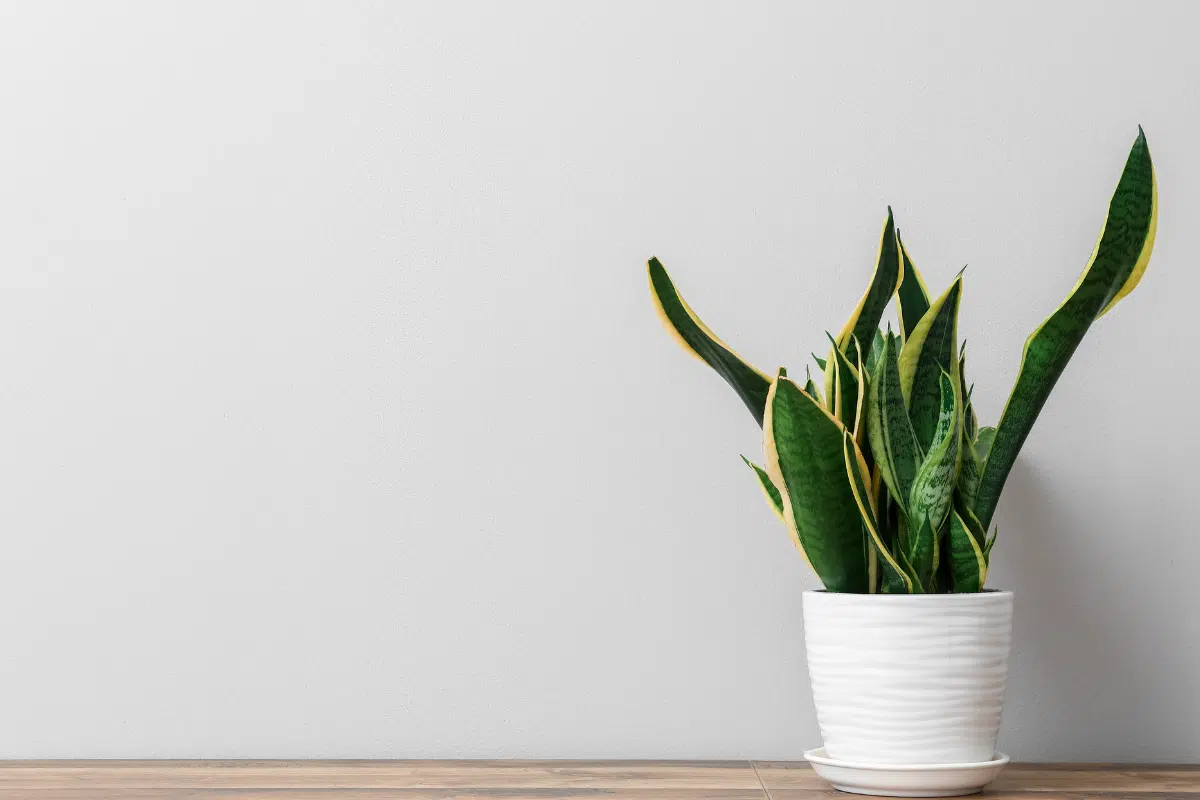
Snake plants remain one of the most popular houseplants because they are incredibly forgiving and require very little care. Their tall, sturdy leaves can tolerate low light and infrequent watering, making them a great choice for busy households or plant beginners. Research on indoor plants has shown they can absorb certain airborne compounds under controlled conditions, although their real-world impact on household air quality is more limited than early studies suggested. Even so, their durability and attractive appearance make them a favorite for bedrooms, offices, and living spaces.
Spider Plant (Chlorophytum comosum)
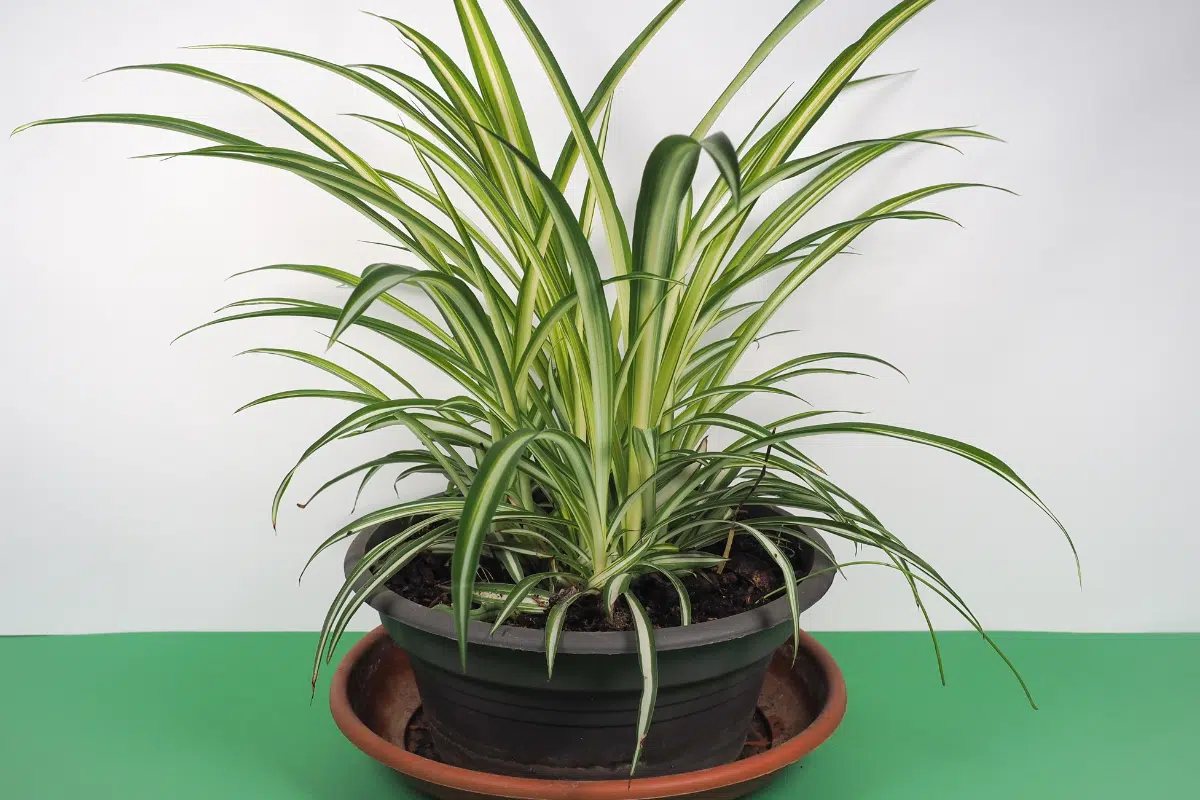
Spider plants are known for their arching green-and-white leaves and easy-growing nature. They grow quickly, produce small “baby” plants, and adapt well to a variety of indoor conditions, making them a popular choice for hanging baskets. Earlier studies highlighted their ability to remove certain pollutants in sealed environments, but modern experts note that many plants would be needed to significantly change indoor air quality. Their real benefits come from adding greenery, increasing humidity slightly, and creating a more inviting space.
Peace Lily (Spathiphyllum)
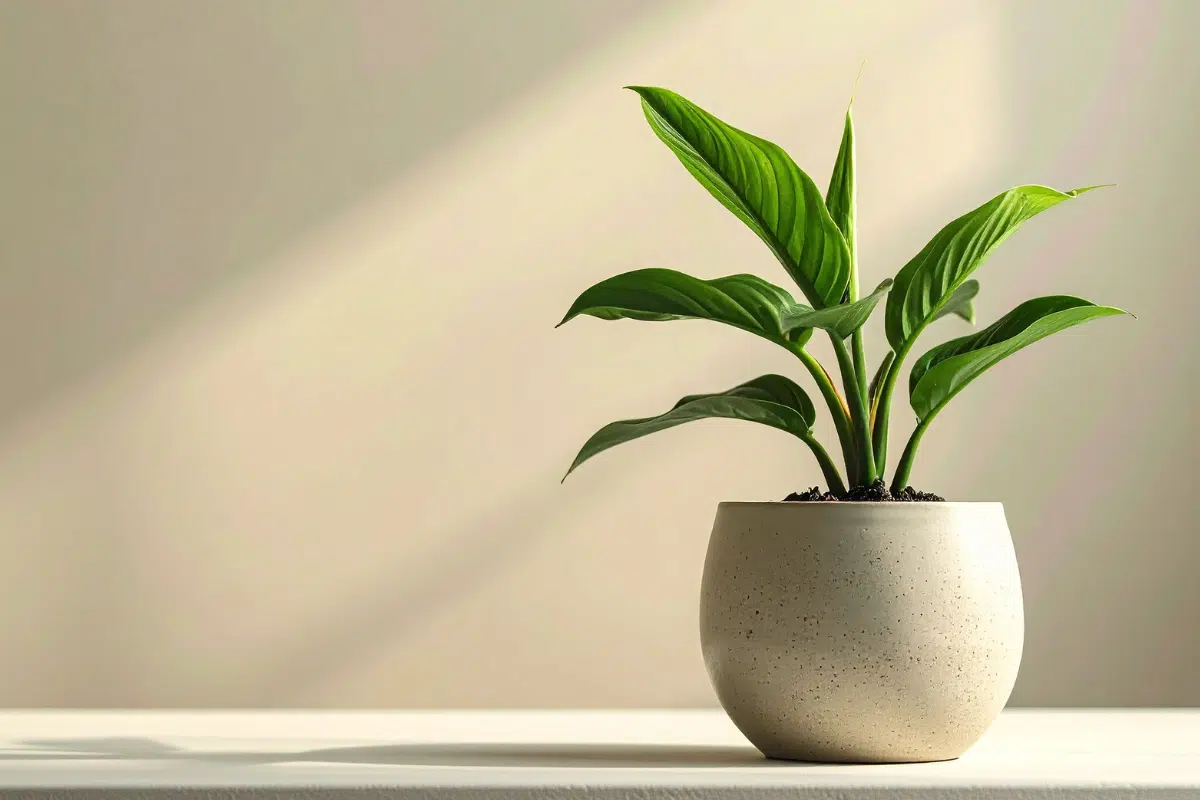
Peace lilies are loved for their glossy leaves and elegant white flowers that can brighten up any room. They prefer indirect light and consistently moist soil, making them a good option for areas that receive filtered sunlight. While they have been studied for their ability to absorb certain airborne chemicals, their biggest indoor benefits are aesthetic and environmental—helping create a peaceful, relaxing atmosphere. Keep in mind that peace lilies are toxic to pets if ingested, so placement matters for homes with cats and dogs.
Aloe Vera
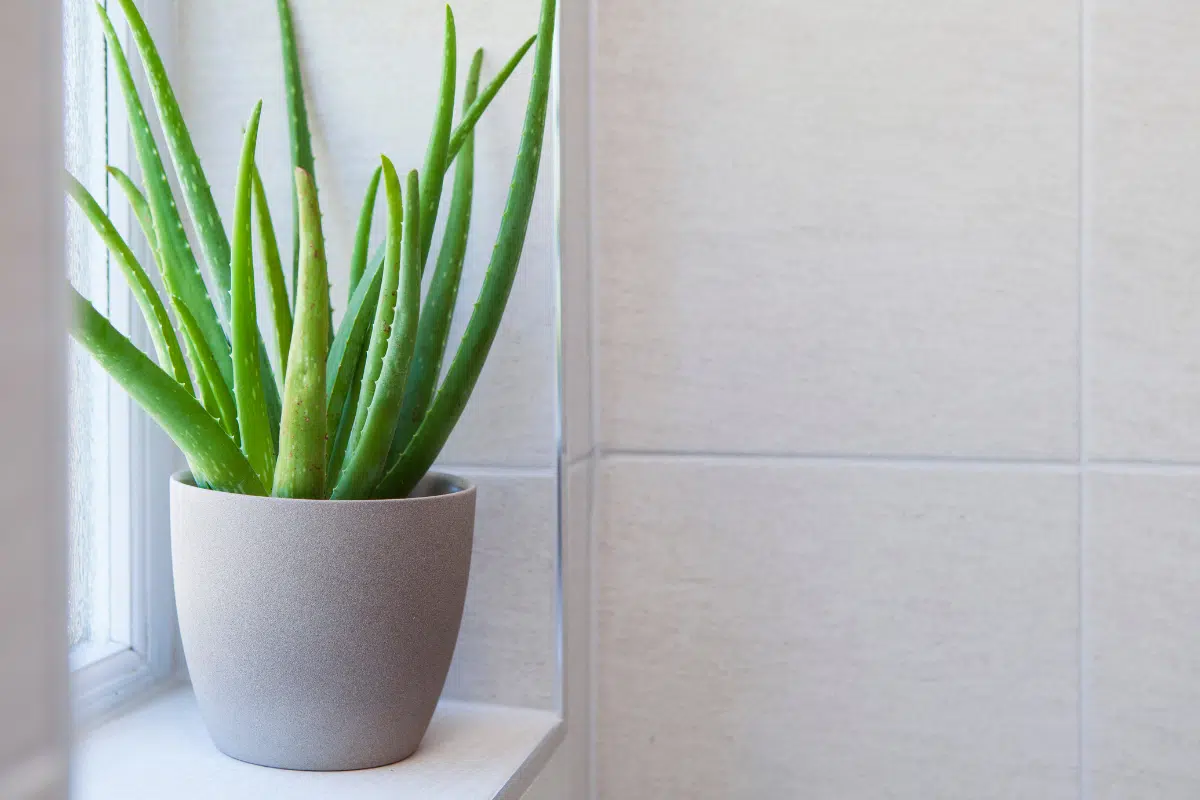
Aloe vera is a practical houseplant that offers both decorative appeal and a useful gel stored inside its leaves. Like many indoor plants, aloe can absorb certain compounds in laboratory settings, but it should not be relied on as a primary method of cleaning indoor air. This sun-loving succulent is easy to maintain when placed near a bright window and watered sparingly. The soothing gel inside mature leaves is also commonly used for minor skin irritations like sunburn discomfort.
Boston Fern (Nephrolepis exaltata)
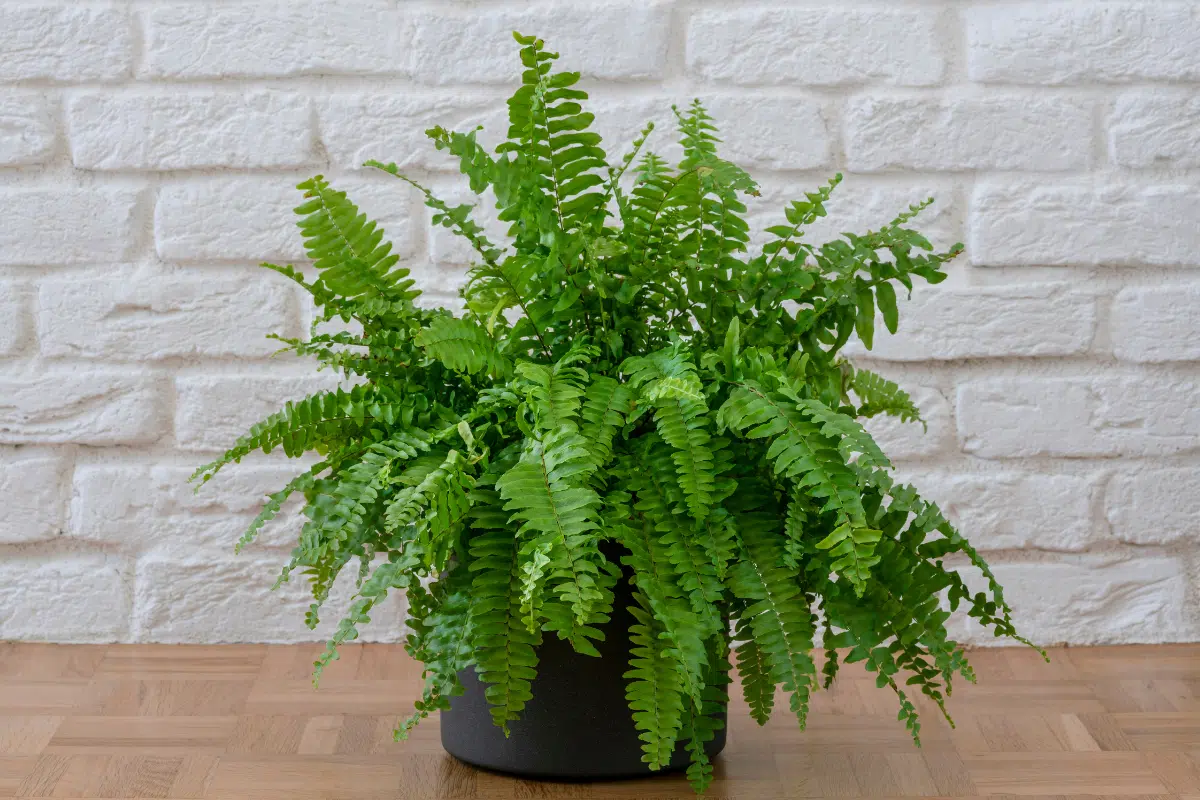
Boston ferns are known for their soft, feathery fronds and lush appearance. Because they release moisture through a process called transpiration, they can slightly increase humidity levels around them, which may be helpful in dry indoor environments. These ferns prefer bright, indirect light and consistently moist soil, so they require more attention than some other houseplants. Their full, green foliage makes them a popular choice for bathrooms, sunrooms, and spaces that need a natural touch.
Areca Palm (Dypsis lutescens)
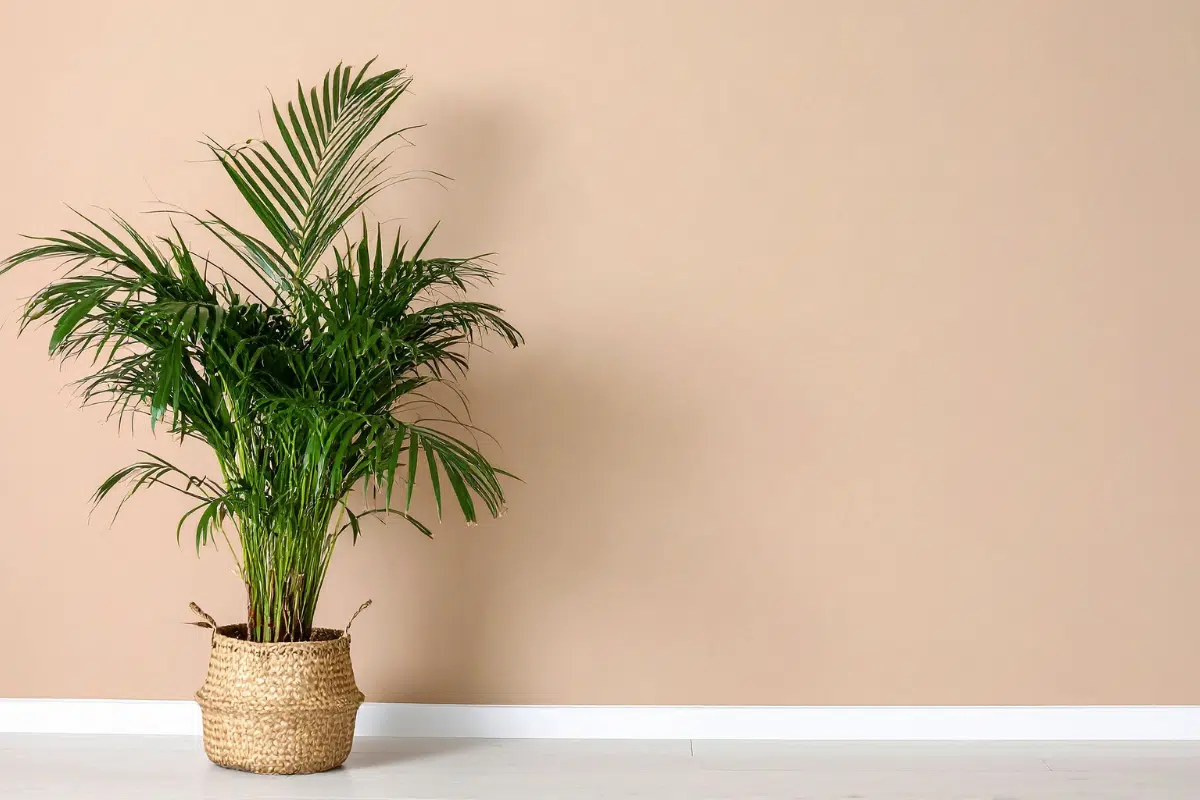
Areca palms bring a vacation-like feel indoors with their graceful, feather-shaped leaves. They naturally release moisture into the air, making them a popular choice for adding a little humidity to living rooms and offices. While their air-cleaning abilities are often promoted, the strongest reasons to grow an areca palm are its beauty, size, and ability to make indoor spaces feel warmer and more inviting. With bright, indirect light and proper watering, they can thrive for years.
Rubber Plant (Ficus elastica)
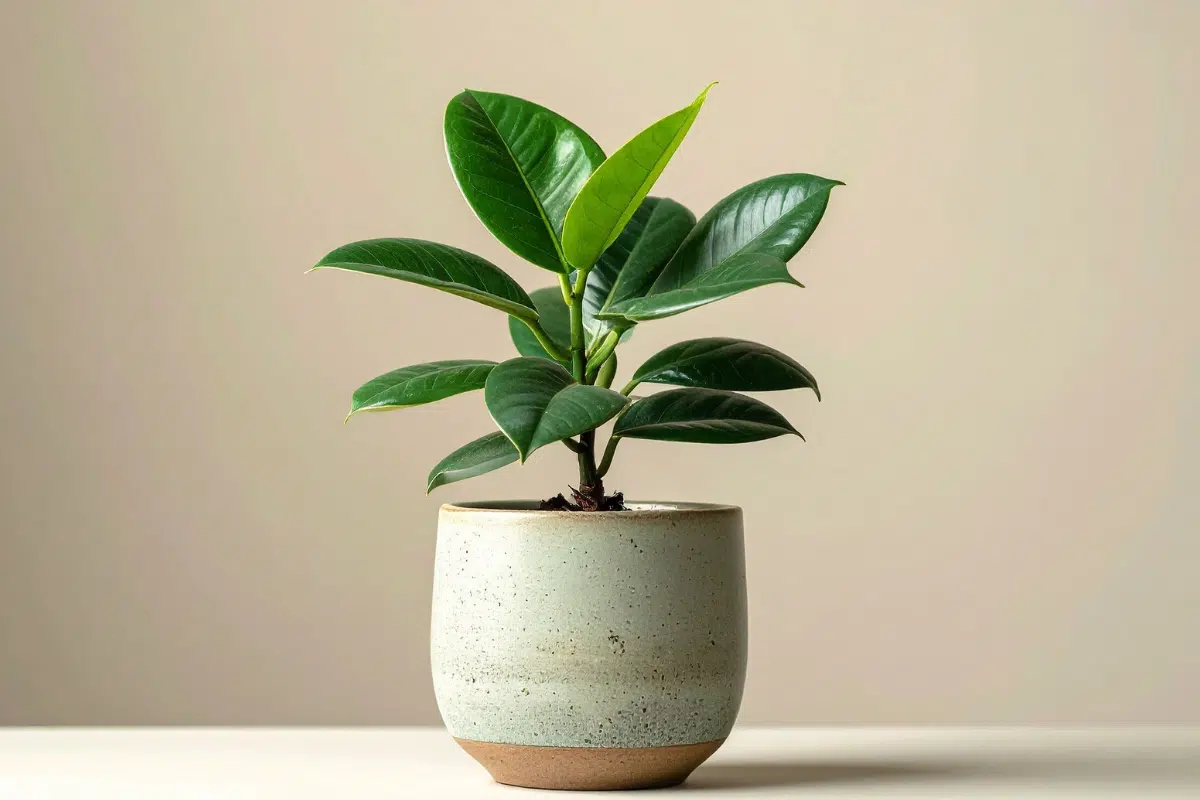
Rubber plants have become a favorite among homeowners thanks to their large, glossy leaves and dramatic appearance. They are relatively easy to care for and can adapt to indoor conditions with the right amount of light and watering. Like many houseplants, rubber plants have been studied for pollutant removal in controlled settings, but their everyday value is mainly in adding greenery and improving the look and feel of a room. Wiping their broad leaves occasionally also helps keep them healthy and dust-free.
This post may contain affiliate links or sponsored content. Disclosure Policy