7 Common Kitchen Knife Mistakes Almost Everyone Makes (And How to Fix Them)
Using a kitchen knife seems simple, but even small mistakes can affect your safety, your food prep, and the lifespan of your knives. According to professional chefs, many home cooks develop habits that actually make cooking harder and more dangerous over time. The good news is that these errors are easy to fix once you know what to look for. Here are seven common kitchen knife mistakes almost everyone makes—and how to correct them.
Using a Dull Knife
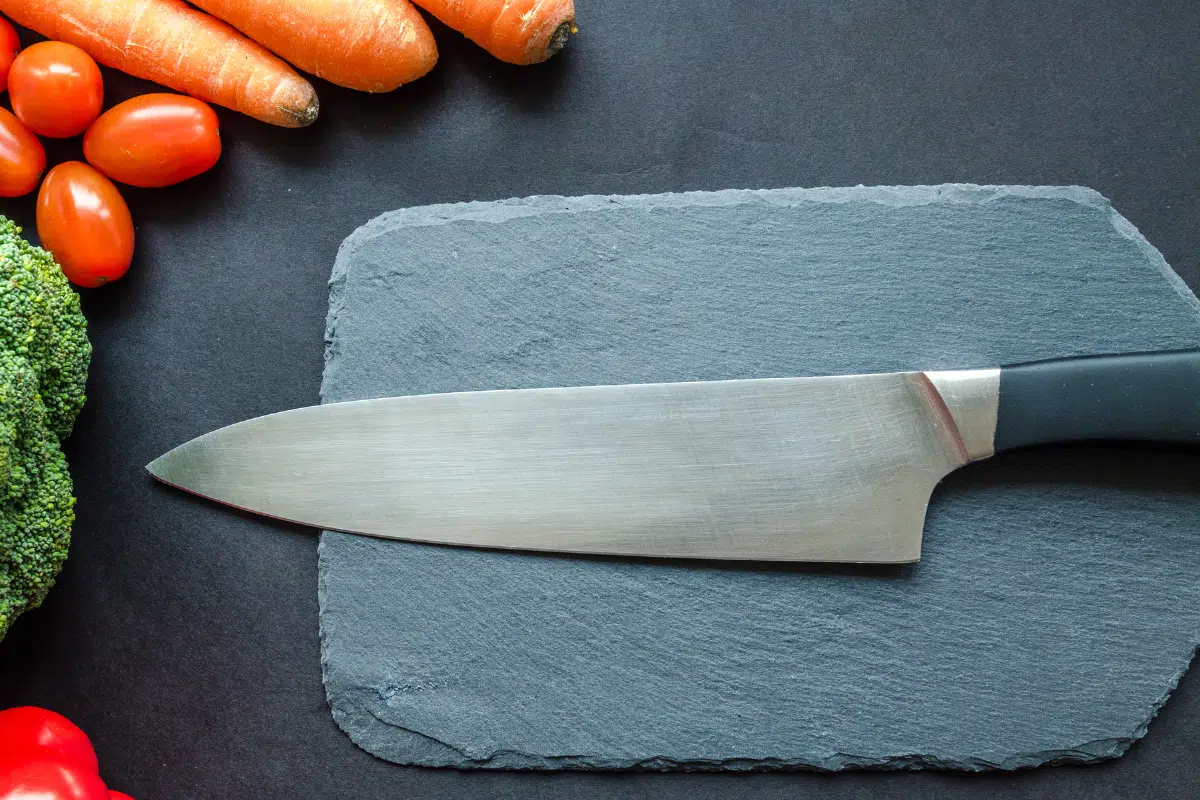
A dull knife is one of the most common and risky mistakes in the kitchen. Instead of cleanly slicing through food, it requires more pressure, which increases the chance of slipping and cutting yourself. Sharp knives actually give you more control and precision. Regular honing and occasional sharpening can make prep work faster, safer, and more efficient.
Holding the Knife Incorrectly
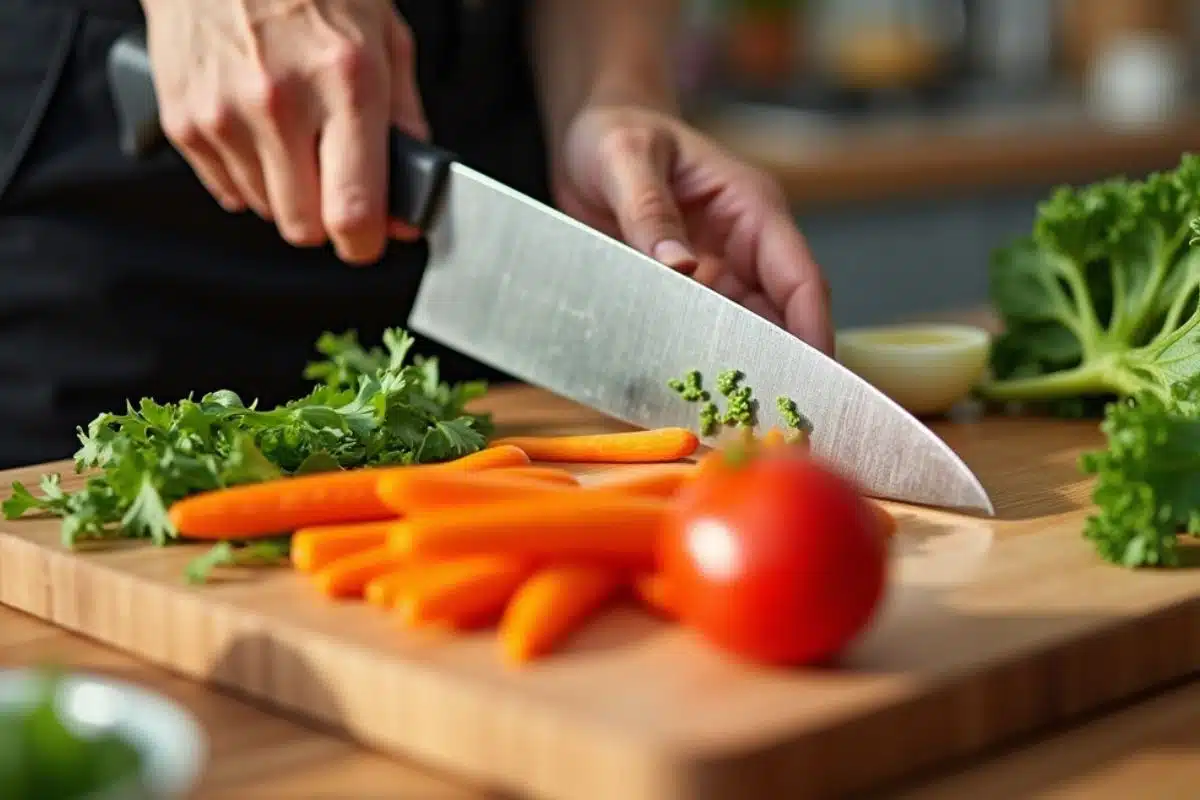
Many home cooks grip the handle too far back, which reduces control over the blade. Chefs recommend a “pinch grip,” where you pinch the base of the blade between your thumb and index finger. This improves stability and gives you better precision while chopping. It may feel awkward at first, but it quickly becomes second nature.
Not Using a Proper Cutting Board
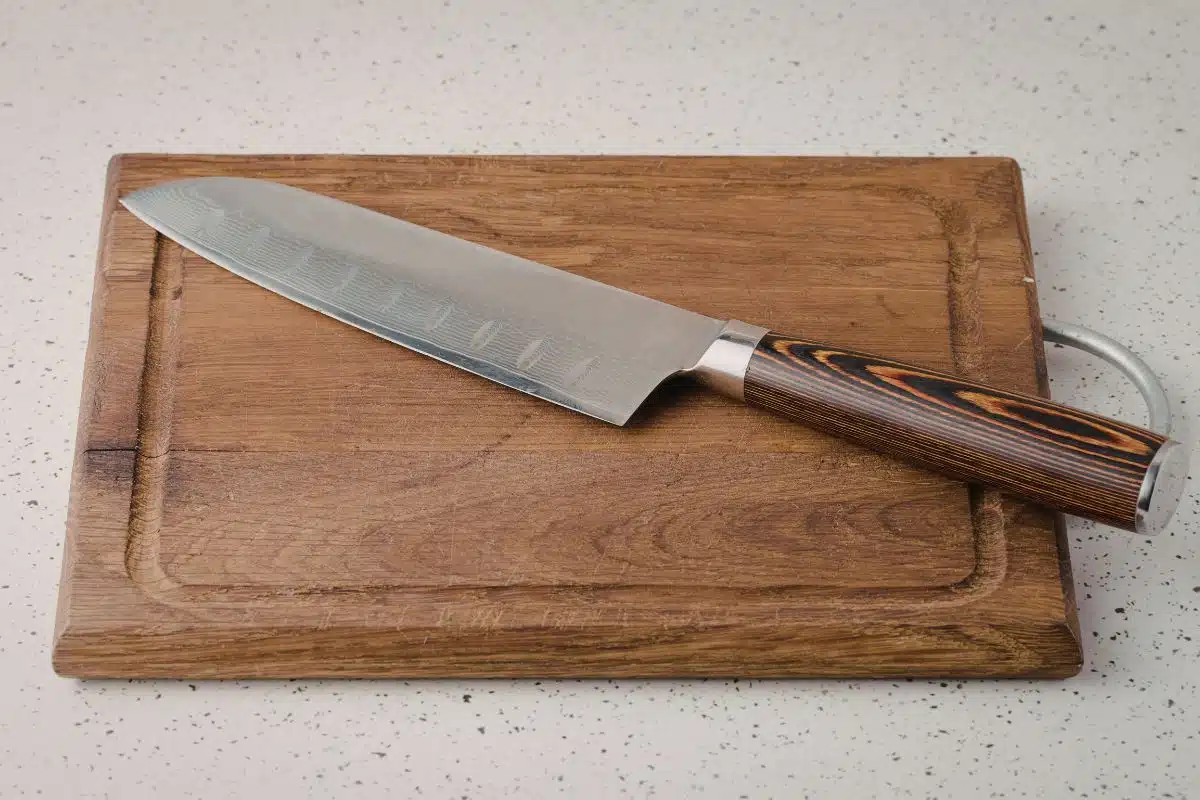
Cutting directly on hard surfaces like countertops or plates can damage your knife edge. It also increases the risk of slipping and injury. A stable cutting board—preferably wood or plastic—protects both your knife and your fingers. Choosing the right surface makes a noticeable difference in both safety and performance.
Washing Knives in the Dishwasher
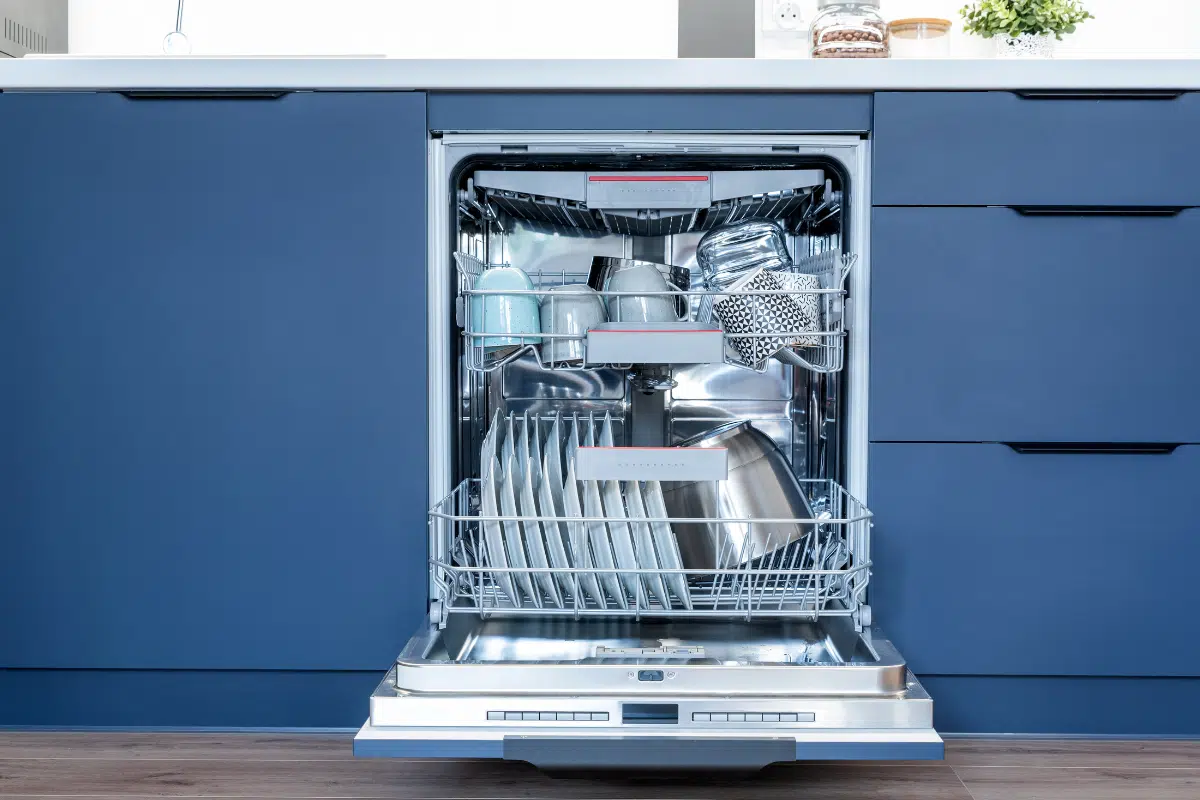
Putting knives in the dishwasher is a fast way to dull and damage them. The high heat and movement can cause blades to knock against other items, leading to chips and corrosion. It can also loosen handles over time. Hand washing with warm water and drying immediately is the safest method for longevity.
Using the Wrong Knife for the Job
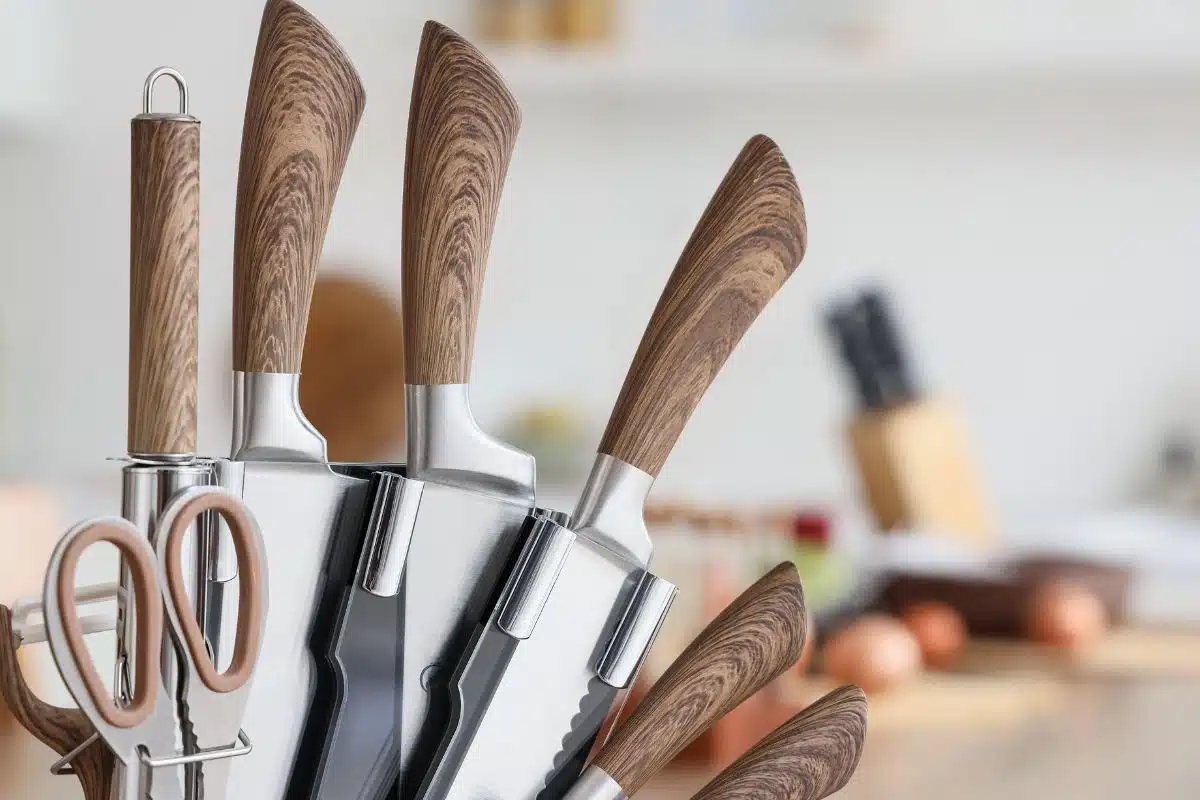
Not all knives are designed for the same purpose, yet many people use one “favorite” knife for everything. Using a chef’s knife for delicate tasks or a small paring knife for heavy chopping can make cooking more difficult and unsafe. Each knife is designed for specific tasks, and using the right one improves efficiency and control.
Chopping with Poor Technique
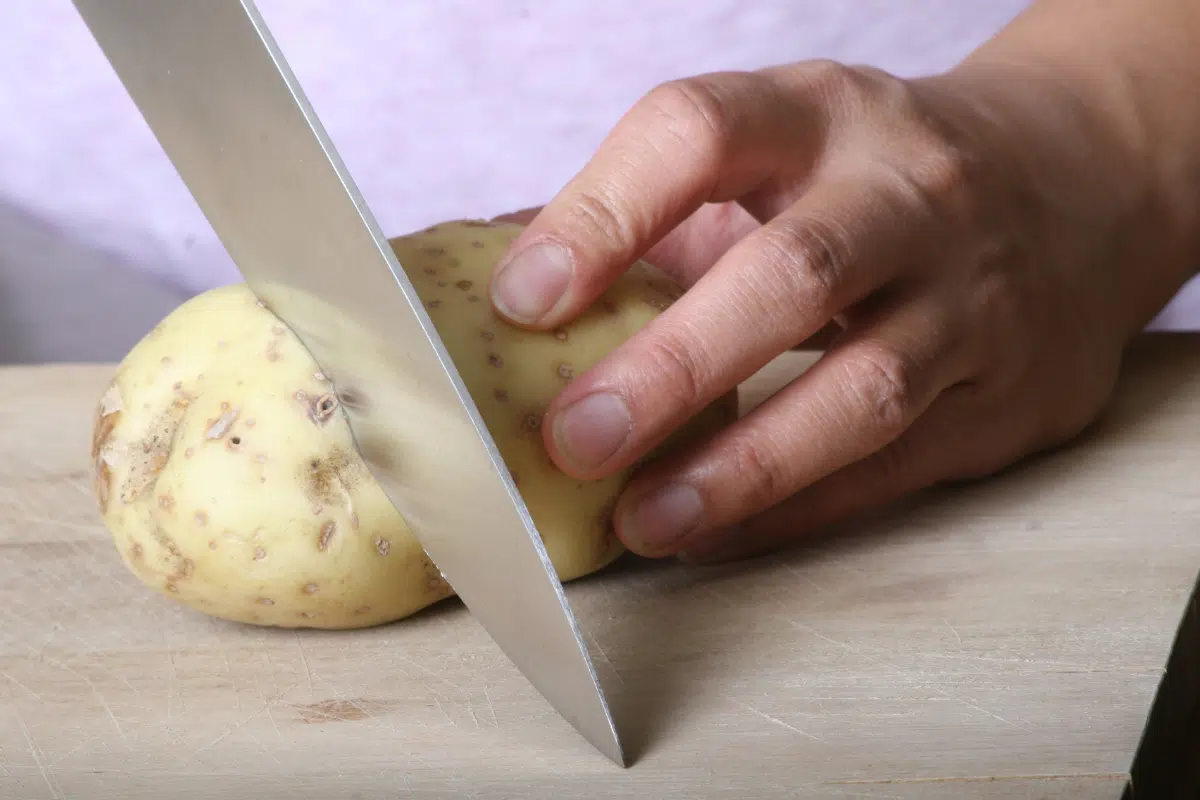
Rocking or rushing through cuts without proper technique can lead to uneven food sizes and increase injury risk. Chefs emphasize keeping fingers tucked and using a controlled, steady motion. A proper “claw grip” helps protect your fingertips while guiding food safely. Good technique not only improves safety but also makes your cooking more consistent.
Storing Knives Incorrectly
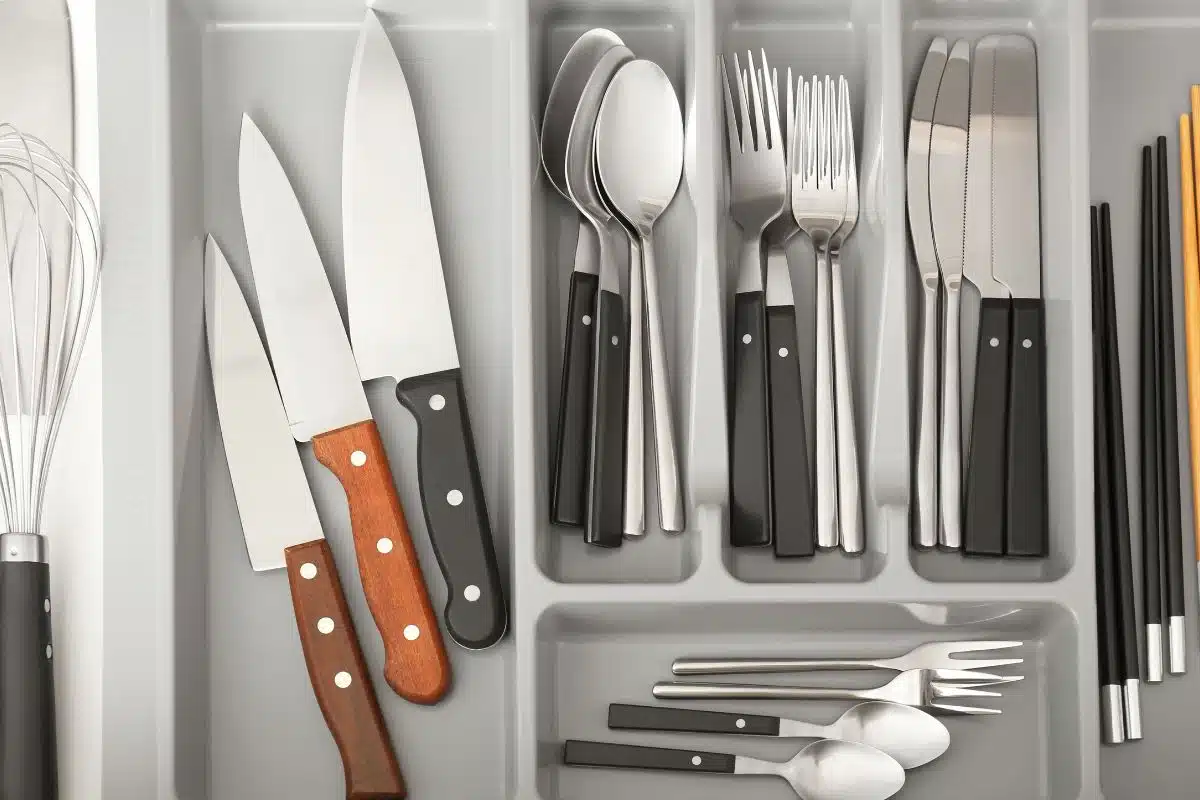
Tossing knives loosely into a drawer can dull blades and create a serious safety hazard. Blades can bump into other utensils, causing chips or nicks over time. Using a knife block, magnetic strip, or blade guards helps keep edges sharp and fingers safe. Proper storage is one of the easiest ways to extend the life of your knives.
This post may contain affiliate links or sponsored content. Disclosure Policy