6 Hidden Reasons Your Utility Bills Keep Going Up
Utility costs seem to rise year after year, but higher rates aren’t always the only reason your monthly bills keep climbing. Small habits, overlooked maintenance, and inefficient appliances can quietly increase your energy and water usage without you realizing it. Fortunately, a few simple changes can help lower your bills while keeping your home just as comfortable. These often-overlooked strategies can help you reduce waste and potentially save money every month.
Install a Smart Thermostat
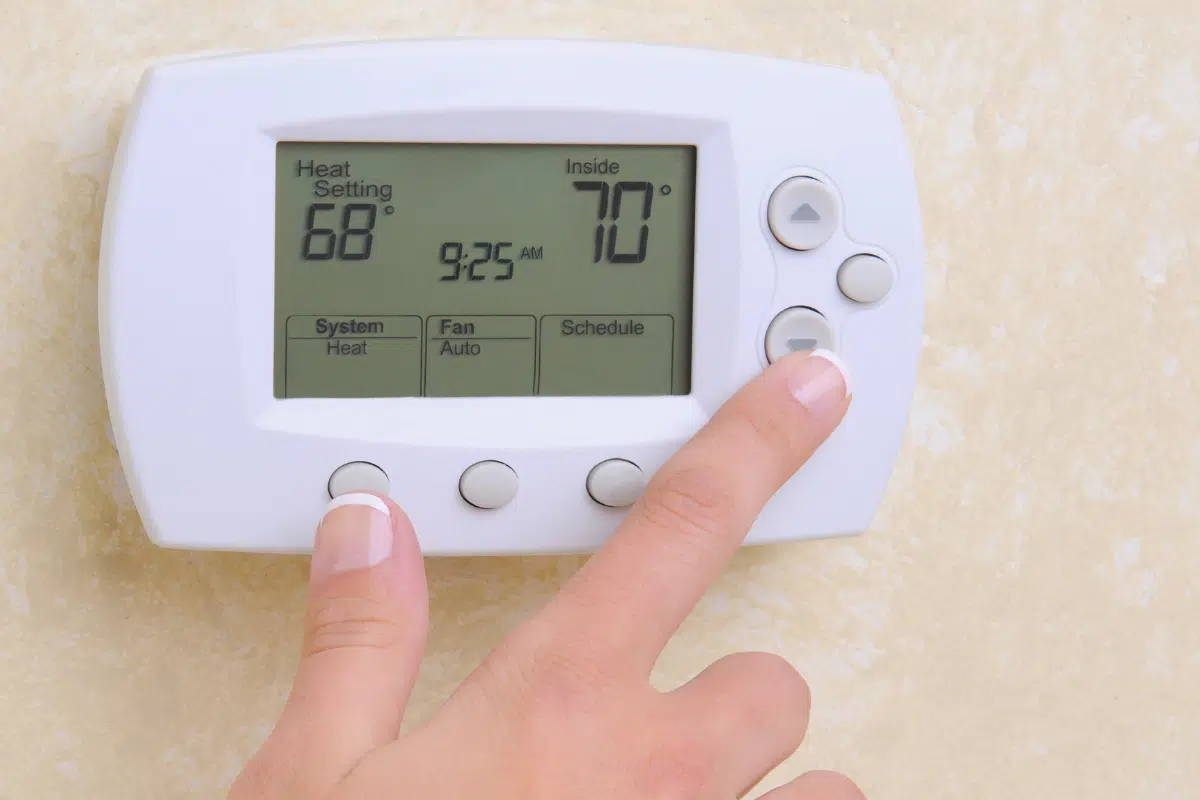
A smart thermostat takes the guesswork out of heating and cooling by automatically adjusting temperatures based on your schedule. Many models can learn your routines, reduce energy use while you’re away, and let you control settings remotely from your phone. Some even provide energy reports that help you identify opportunities to cut back. Since heating and cooling account for a large portion of most utility bills, this upgrade can make a noticeable difference over time.
Stop Paying for Phantom Energy
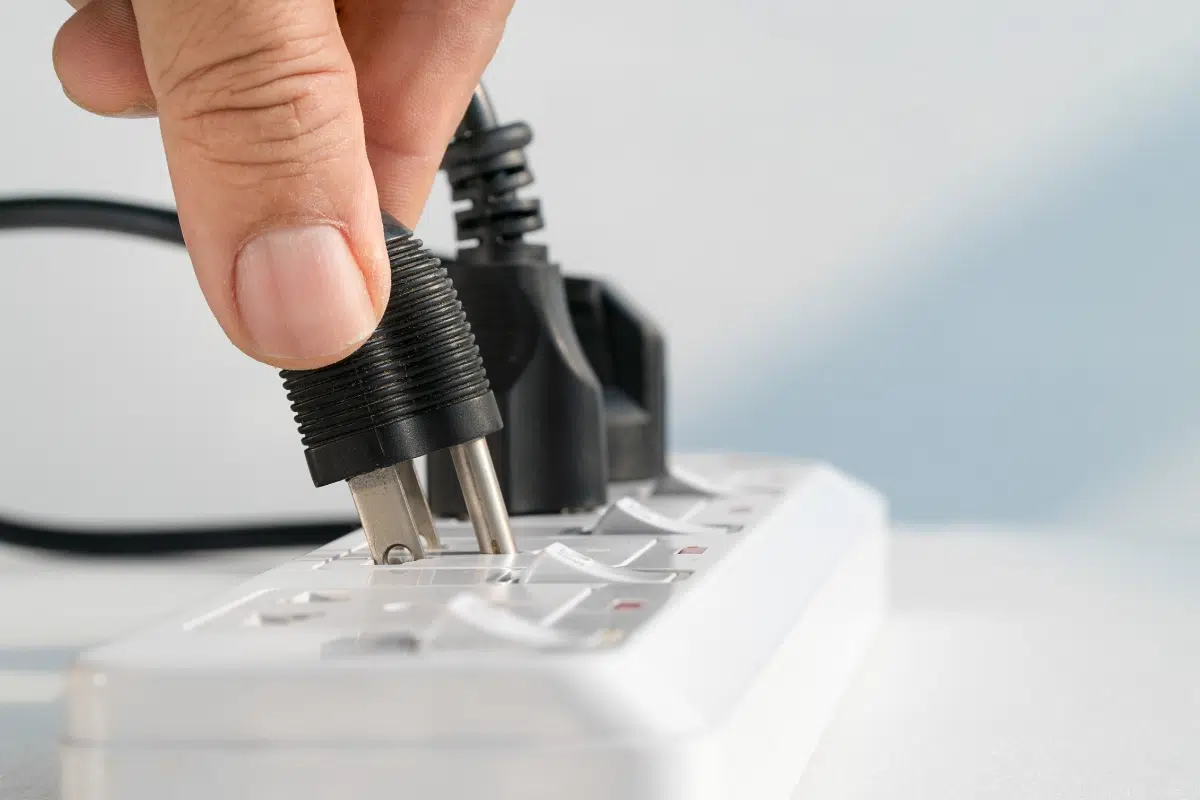
Many electronics continue drawing electricity even after they’ve been turned off, a phenomenon often called “phantom” or “standby” power. Televisions, gaming systems, coffee makers, printers, and phone chargers are common culprits. Plugging these devices into an advanced power strip or unplugging them when they’re not in use can reduce unnecessary energy consumption. While each device uses only a small amount, the savings can add up over the course of a year.
Seal Air Leaks Around Your Home
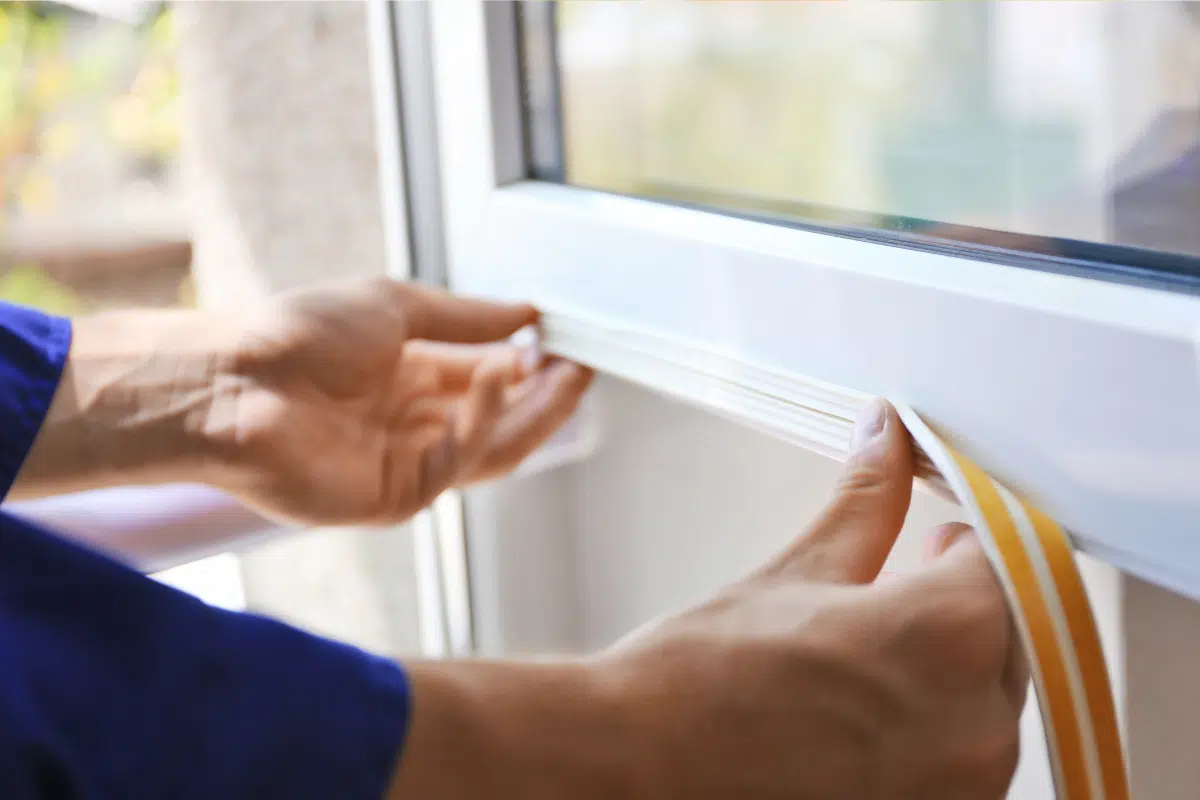
Tiny gaps around windows, doors, and utility penetrations allow heated or cooled air to escape, forcing your HVAC system to work harder. Applying weatherstripping, replacing worn door sweeps, and sealing cracks with caulk are inexpensive projects that can improve your home’s energy efficiency. Don’t forget to check attic access doors and areas where pipes or cables enter the house. Preventing air leaks can make your home more comfortable while helping lower heating and cooling costs.
Replace Older Light Bulbs with LEDs
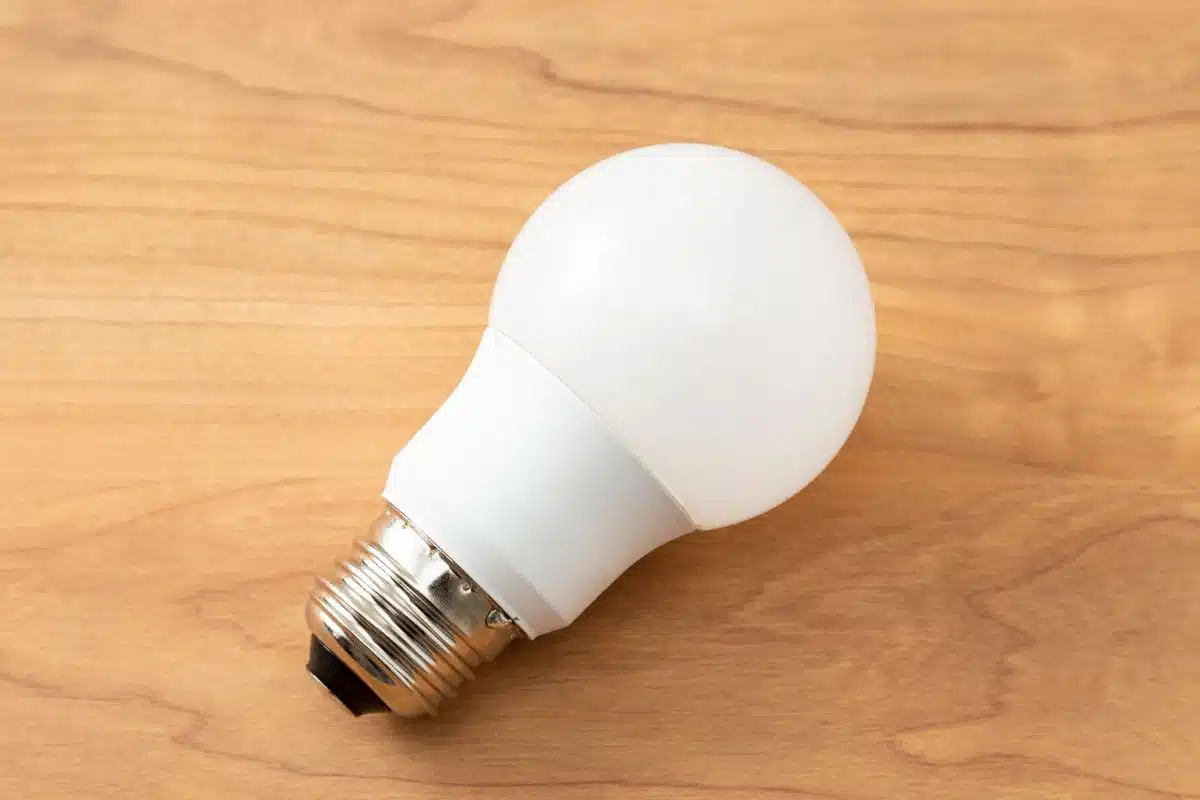
If you still have incandescent or halogen bulbs in your home, replacing them with LED bulbs is one of the easiest ways to reduce electricity use. LEDs consume significantly less energy while producing the same amount of light and typically last for many years before needing replacement. Focus first on lights that stay on the longest, such as kitchen, living room, or outdoor fixtures. Over time, the lower energy use and fewer bulb replacements can save money.
Lower Your Water Heater Temperature
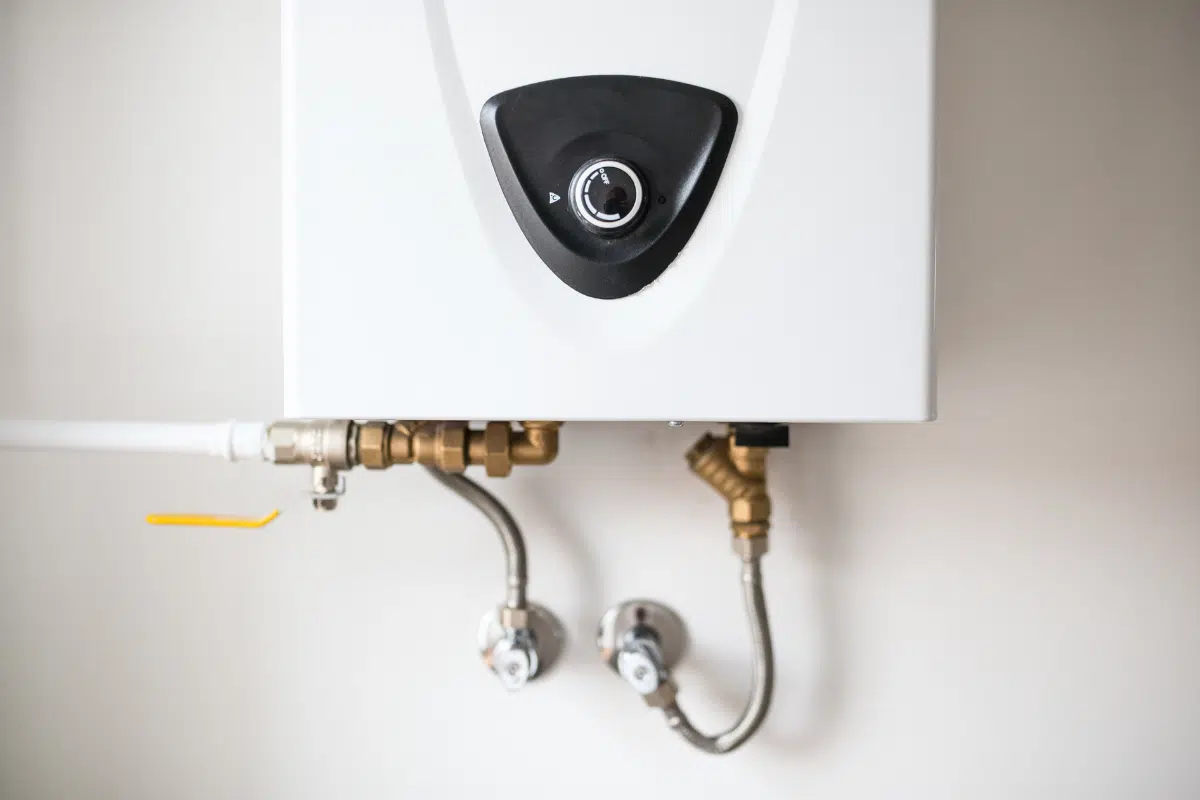
Many water heaters leave the factory with the temperature set higher than most households actually need. Lowering the thermostat to 120°F (49°C) can reduce energy consumption while still providing plenty of hot water for daily use. The lower setting may also reduce the risk of accidental scalding and slow mineral buildup inside the tank. If you have an older water heater, insulating the tank and exposed hot-water pipes can improve efficiency even further.
Look for Utility Rebates and Discount Programs

Many utility companies offer rebates for purchasing energy-efficient appliances, installing smart thermostats, or making other home improvements. Some also provide budget billing plans, free home energy assessments, or discounts for qualifying households, including seniors, veterans, or income-eligible customers. These programs are often overlooked, even though they can significantly reduce household expenses. Spending a few minutes checking your utility provider’s website could uncover savings you didn’t know were available.
This post may contain affiliate links or sponsored content. Disclosure Policy