15 Simple Coffee Tips That Can Make Your Morning Better
For many people, coffee is more than a morning beverage. It is part of the daily routine, whether that means brewing a pot before the family wakes up, grabbing an iced coffee on the way to work, or enjoying a quiet cup on the weekend. But making better coffee doesn’t necessarily require expensive equipment or complicated techniques. Small changes to how you store your beans, measure your coffee, use water, and clean your equipment can make a noticeable difference in the cup. If your coffee has started tasting flat, bitter, weak, or simply not as good as it used to, try these practical tips before buying another coffee gadget. Some may even help you save money by getting more from the coffee you already have.
Store Coffee Beans Away From Heat, Light, and Moisture
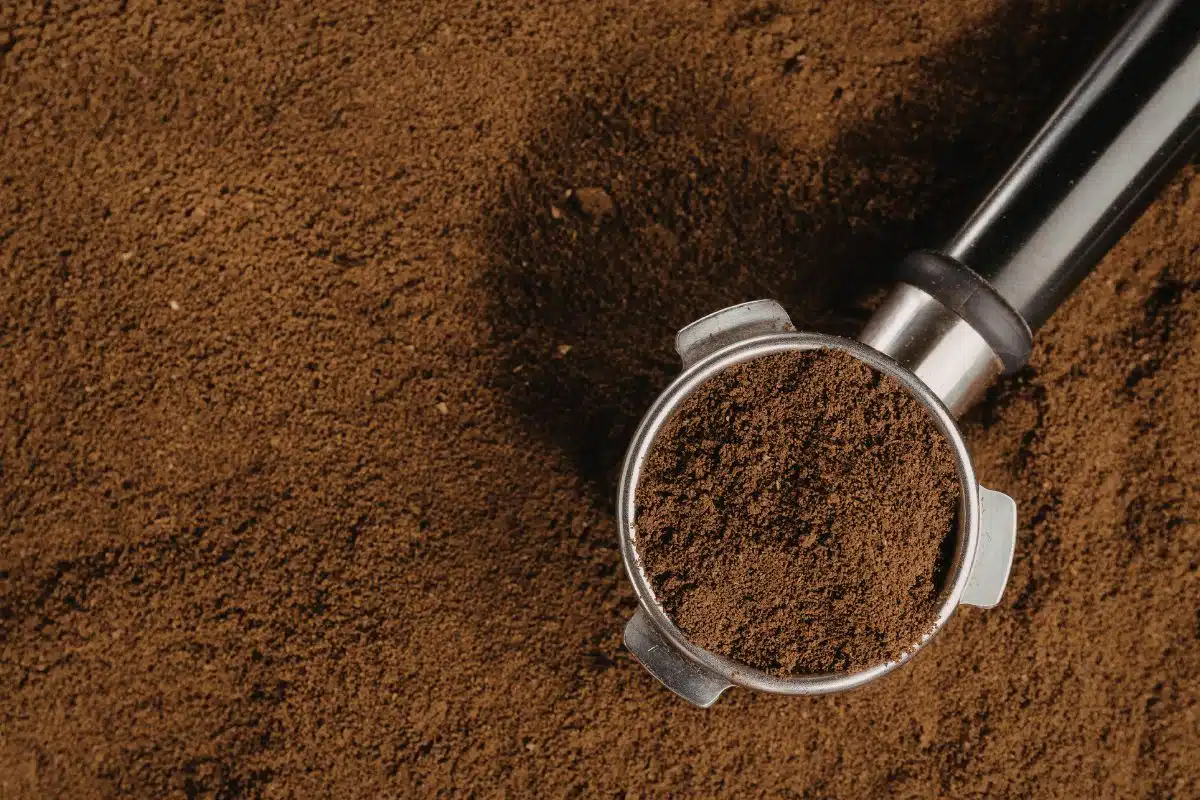
The way you store coffee matters because exposure to air, moisture, heat, and light can speed up the loss of freshness. Keep whole beans or ground coffee in a well-sealed container in a cool, dry place away from direct sunlight. For everyday use, the pantry or another consistently cool cabinet is generally a better choice than leaving the bag on the counter. The National Coffee Association also provides consumer guidance on proper coffee storage and brewing.
Grind Coffee Just Before Brewing
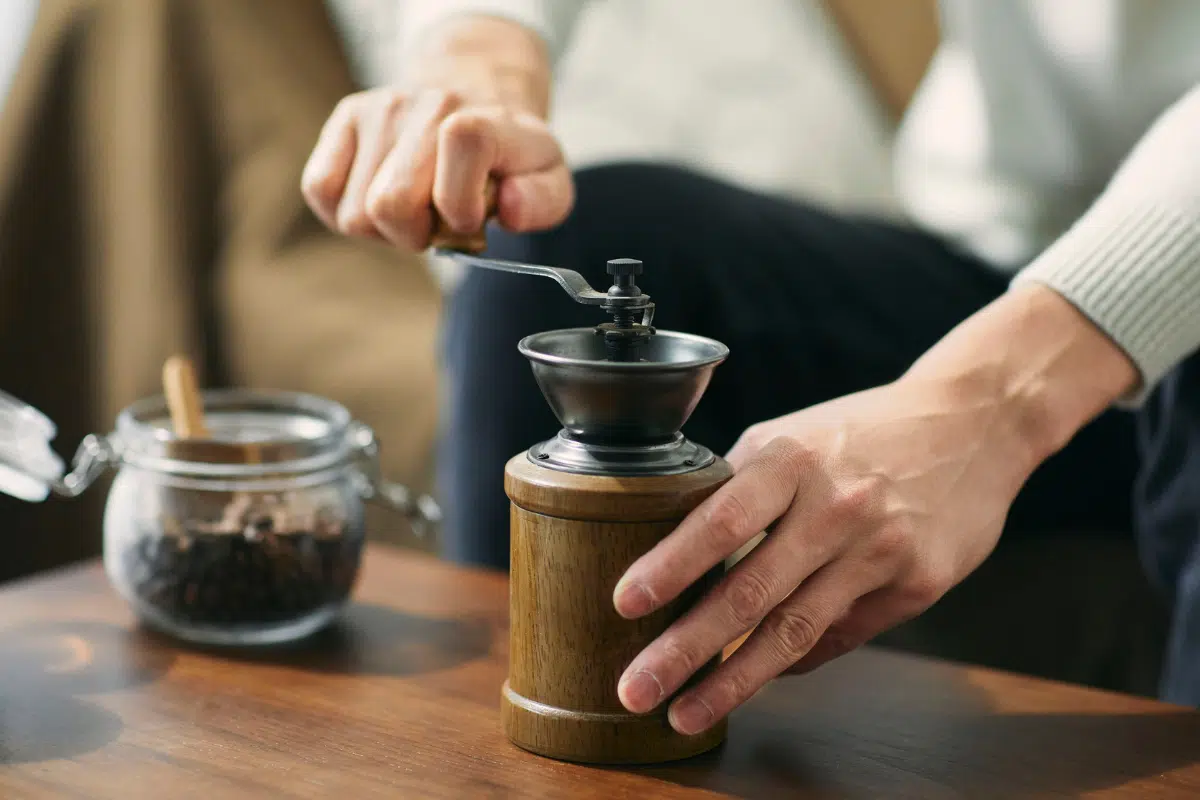
If you buy whole beans, grinding them shortly before brewing can help preserve more of the coffee’s aroma and flavor. A burr grinder can also produce a more consistent grind than many inexpensive blade grinders, which can help with more even extraction. The grind size should match your brewing method rather than simply being as fine as possible. If your coffee tastes consistently weak or bitter, adjusting the grind may be more useful than adding another ingredient.
Measure Your Coffee Instead of Guessing
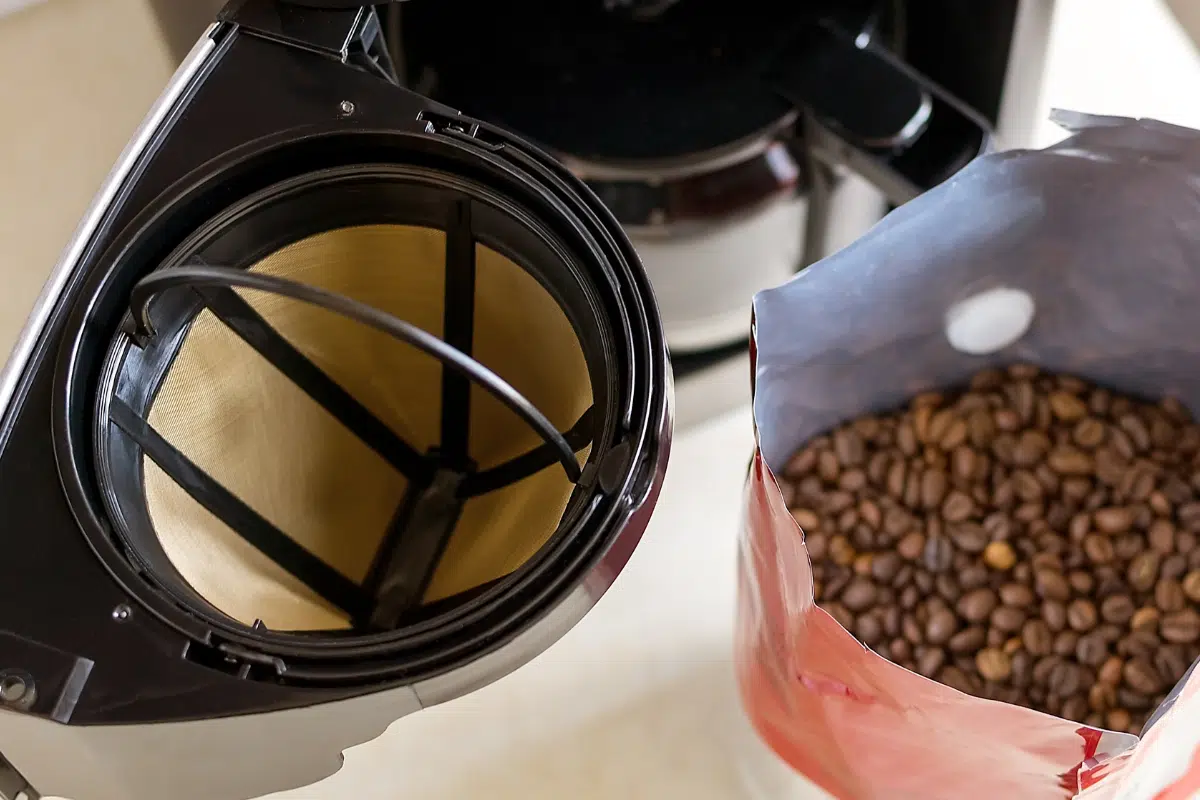
Using the same amount of coffee every time makes it much easier to troubleshoot your brew. If one morning your coffee is strong and the next it tastes watery, inconsistent scoops may be part of the problem. A kitchen scale can make measuring coffee and water much more precise, although a consistent scoop can work well if you use the same one each time. Once you find a ratio you enjoy, write it down so you can easily repeat it.
Pay Attention to Your Water
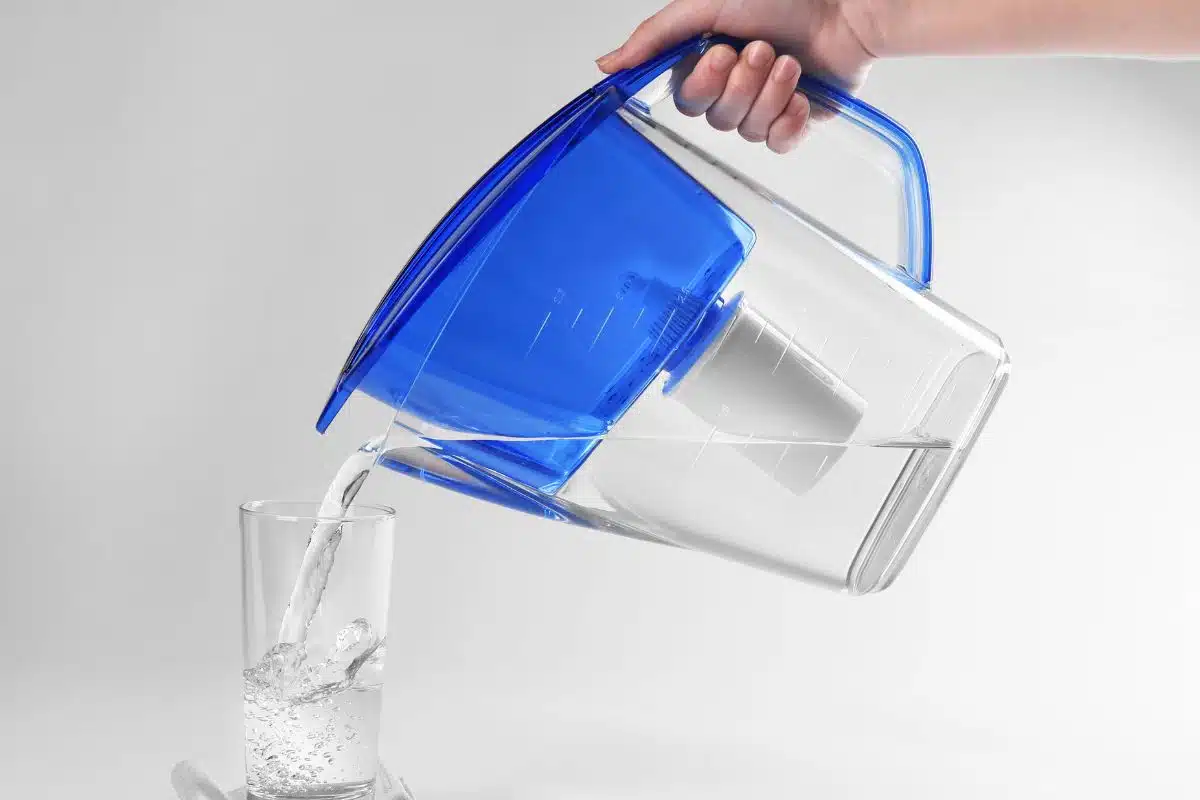
Coffee is mostly water, so the water you use can have a noticeable effect on the finished cup. Water containing minerals can affect extraction and flavor, while water with an unpleasant taste can make even good coffee taste off. If your tap water doesn’t taste good on its own, try filtered water in your coffee maker. You don’t necessarily need bottled water; the goal is simply to start with clean, good-tasting water.
Don’t Automatically Blame the Coffee for a Bitter Cup
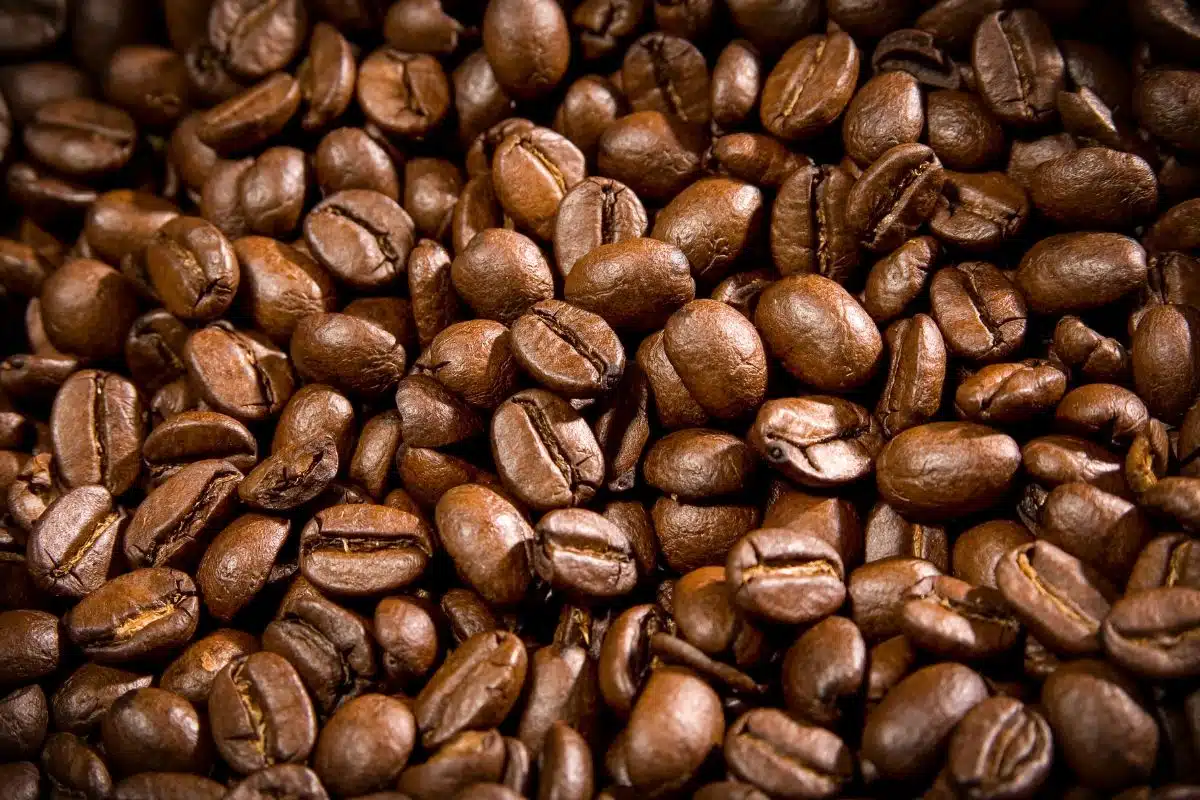
Bitter coffee isn’t always a sign that you need a different brand or roast. Brewing variables—including grind size, brew ratio, and extraction—can all influence the final flavor. Current coffee research suggests that brew strength and extraction are important factors in how people perceive the flavor of brewed coffee. Before throwing out a bag of beans, try changing one brewing variable at a time.
Warm Your French Press Before Brewing
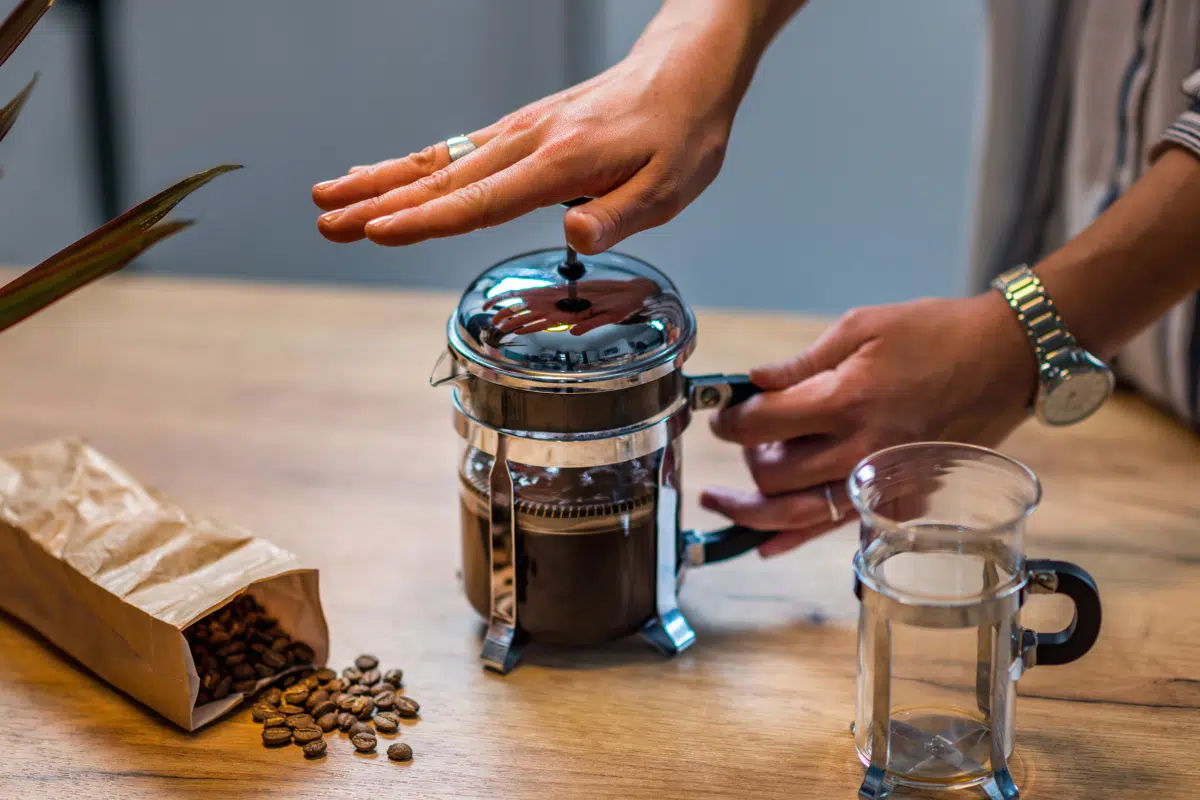
If you use a French press, rinsing the vessel with hot water before brewing is a simple step that can help reduce the temperature drop when you add your brewing water. Simply fill the press with hot water, let it sit briefly, and empty it before adding your coffee and fresh brewing water. This takes only a few seconds but can help keep your brewing process more consistent. It is especially useful if your French press is made from a material that cools quickly.
Use the Right Grind for Your Brewing Method
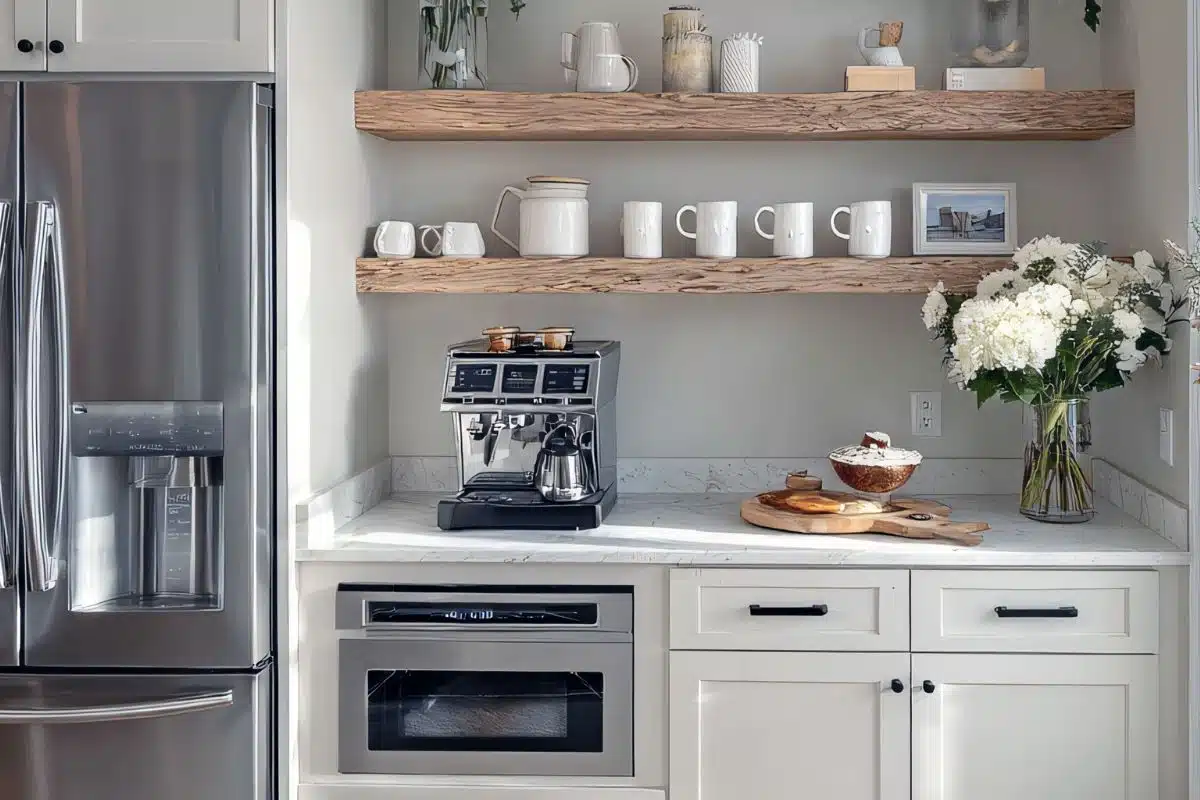
Different brewing methods work best with different grind sizes. A French press generally uses a coarser grind, while drip coffee typically uses a medium grind and espresso requires a much finer grind. If your coffee tastes weak, harsh, or overly bitter, the grind may be contributing to the problem. Make small adjustments rather than changing several things at once so you can tell what actually improved the brew.
Give Cold Brew Enough Time
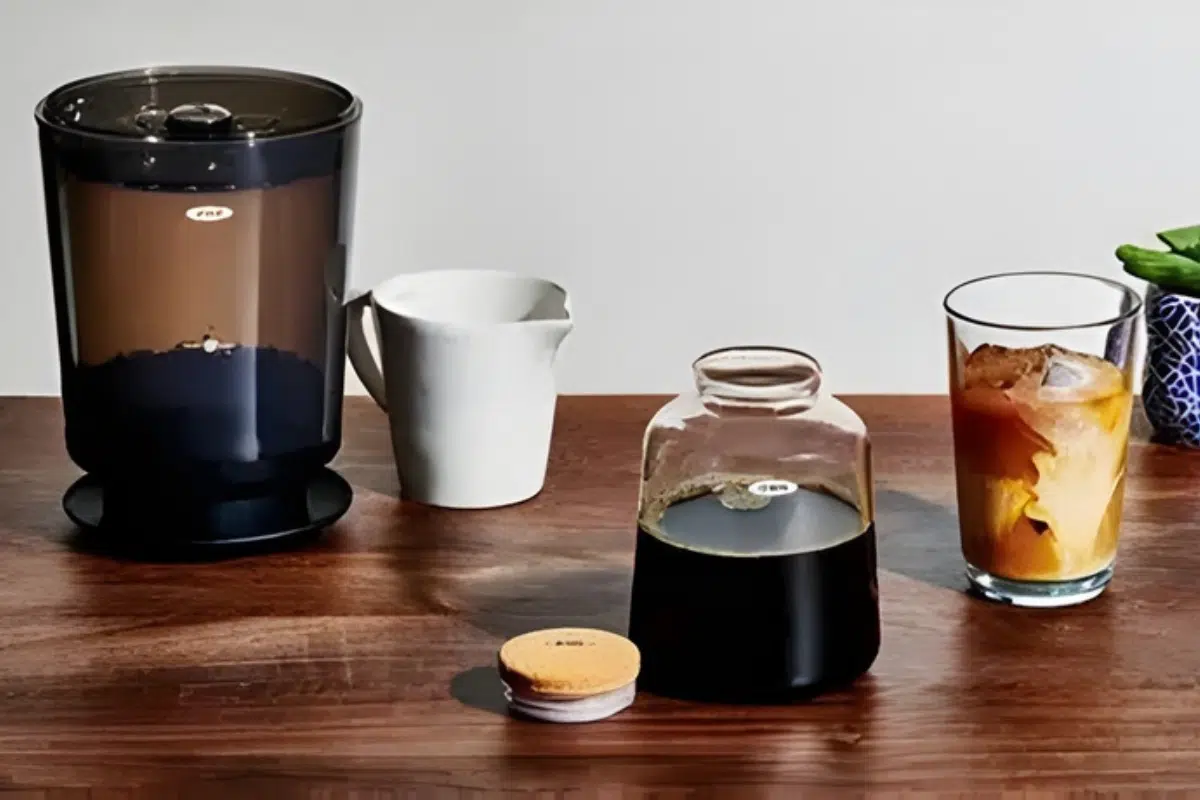
Cold brew is not simply hot coffee poured over ice. Traditional cold brew is made by steeping coffee grounds in cool or room-temperature water for an extended period before filtering. Because the process takes many hours, it is ideal for preparing ahead of time. Make a batch, keep it refrigerated, and you’ll have coffee ready for busy mornings or afternoon iced drinks.
Make Coffee Ice Cubes for Iced Coffee
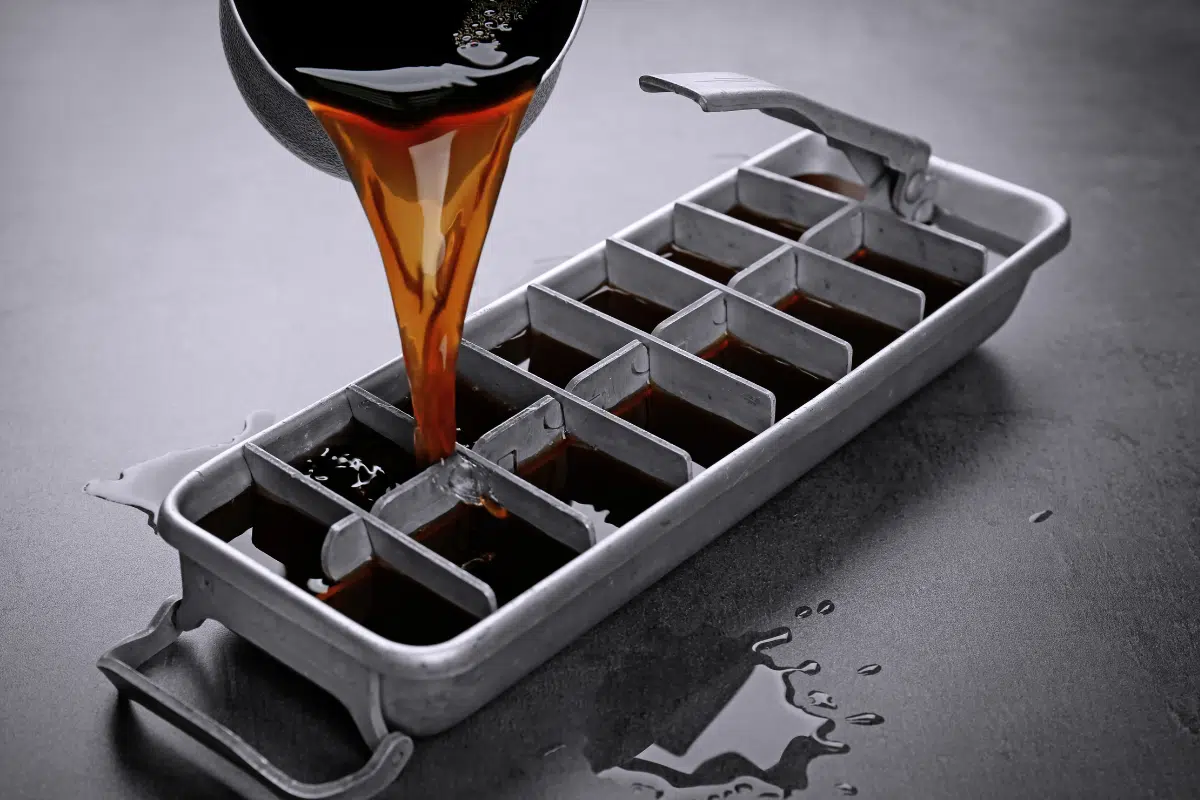
Regular ice can dilute iced coffee as it melts, especially if you start with a strong brew and let the drink sit. Instead, pour leftover brewed coffee into an ice cube tray and freeze it. Add the coffee cubes to your next iced coffee for a simple way to keep the drink from becoming watered down. It’s also a handy way to use coffee that might otherwise end up going down the drain.
Try Cinnamon, Cocoa, or Other Spices
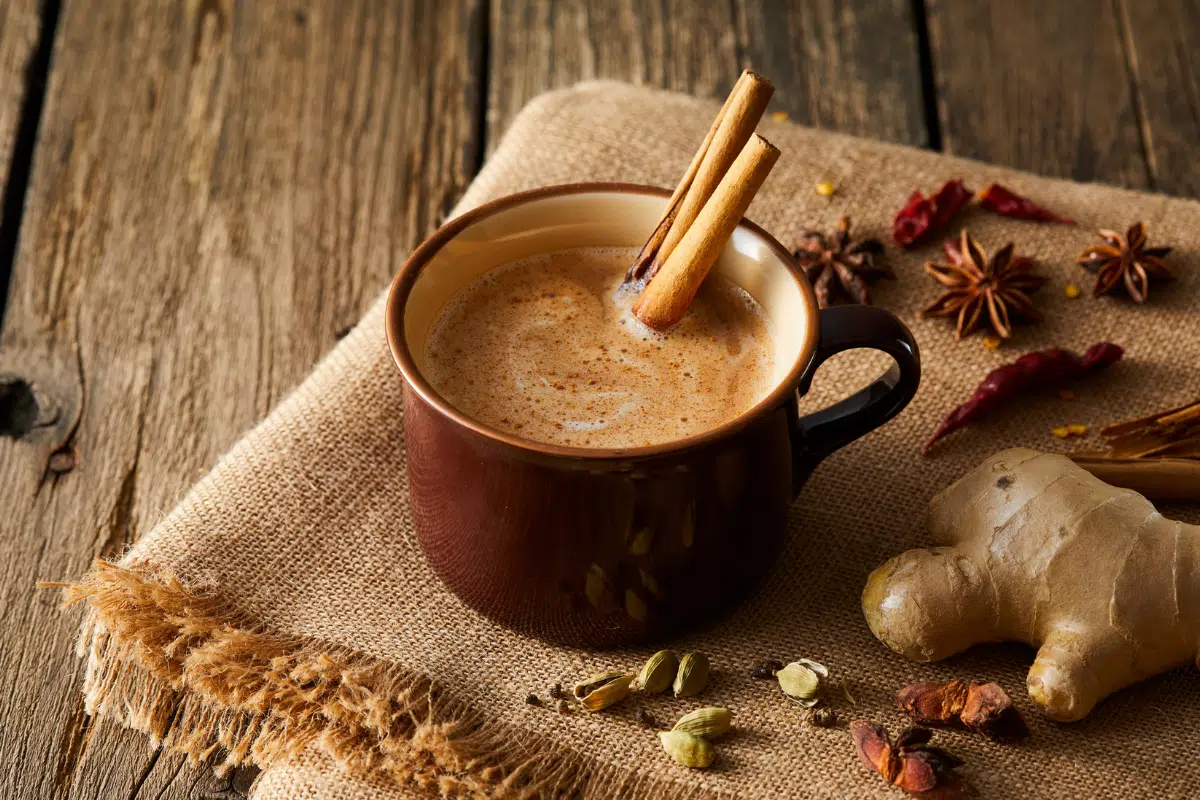
If you enjoy flavored coffee, you don’t need to buy a different flavored creamer every week. A small amount of cinnamon, unsweetened cocoa, cardamom, or nutmeg can change the flavor of your usual cup. Start with a small amount because strong spices can quickly overpower the coffee. You can experiment with different combinations until you find one your family enjoys.
Make Your Own Coffee Creamer
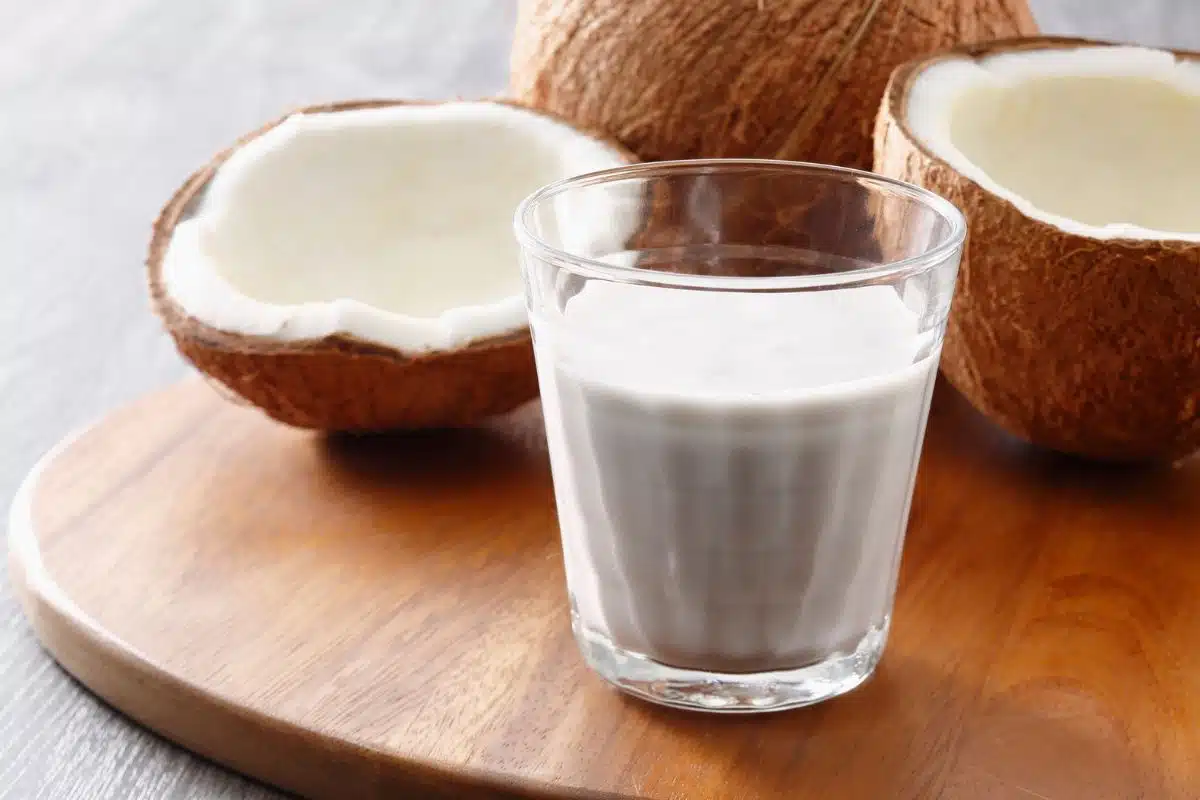
Homemade coffee creamer can be as simple as combining milk or a plant-based milk with flavors you already have in the pantry. Vanilla, cinnamon, cocoa, or maple syrup can create several different combinations without keeping multiple bottles of flavored creamer in the refrigerator. It also gives you control over the sweetness and flavor. If you make a batch, refrigerate it and follow the storage guidance for the ingredients you use.
Froth Milk Without a Fancy Machine
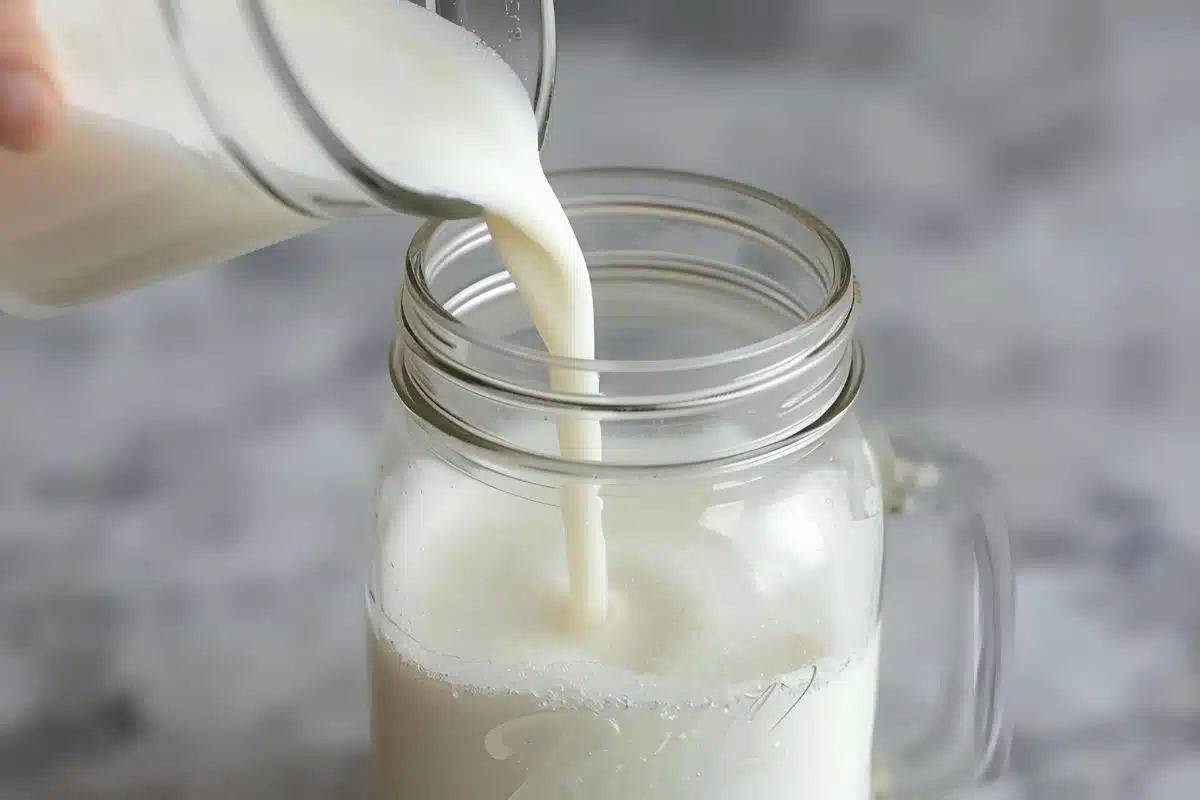
You don’t need an expensive espresso machine to add a little foam to your coffee. For a simple cold-froth method, place milk in a clean jar, secure the lid, and shake until the milk becomes foamy, leaving plenty of room for expansion. For hot drinks, warm the milk separately and use a handheld frother if you have one. Never shake a sealed jar of hot liquid, since pressure can build and cause burns.
Try a Pinch of Salt Only When You Need It
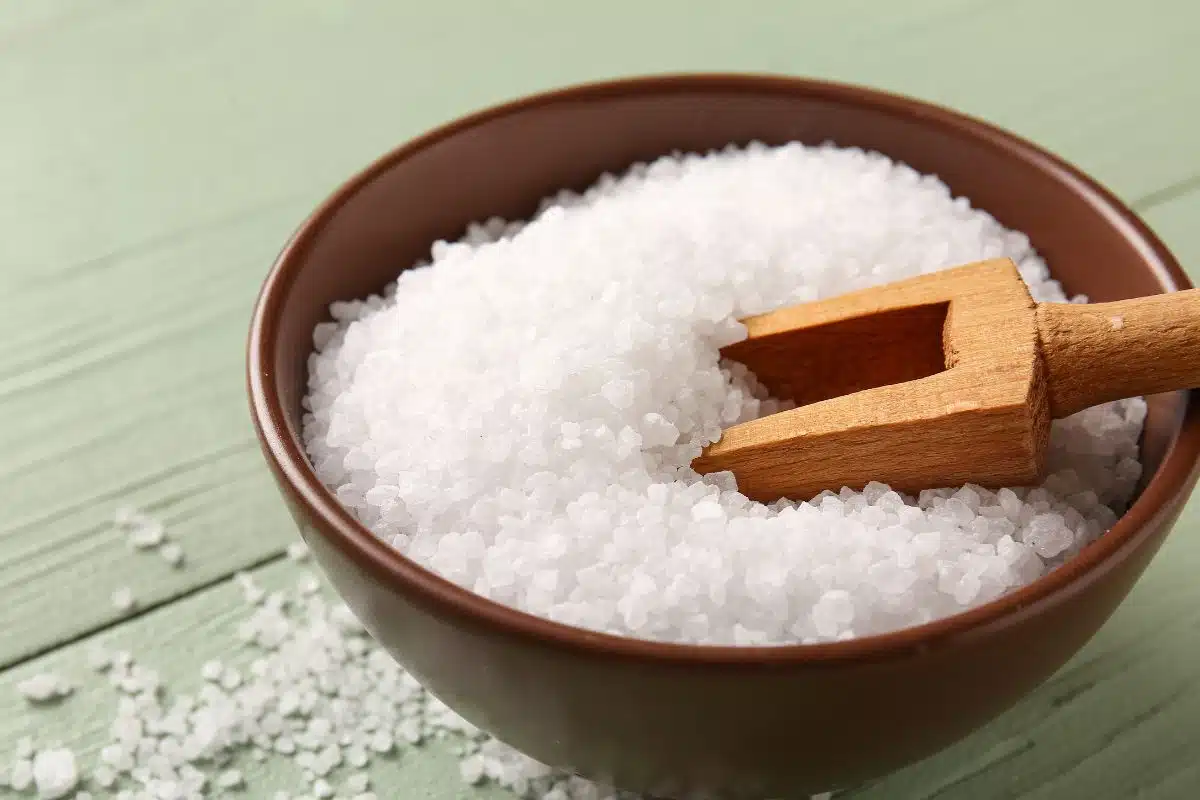
Adding salt to coffee has become a popular kitchen trick, but it shouldn’t be treated as a universal fix for bitter coffee. If you want to experiment, use an extremely small amount and taste the coffee before adding more. A better first step is usually to check your grind, coffee-to-water ratio, and brewing process. Salt may change how bitterness is perceived, but it won’t correct coffee that was poorly brewed.
Reheat Coffee Gently—or Make a Fresh Cup

If your coffee has gone cold, gently warming it may be preferable to blasting it at high heat in the microwave. However, reheating won’t restore the flavor of coffee that has been sitting around for a long time. For the best taste, brew only as much as you expect to drink. If you regularly have leftover coffee, consider pouring it over ice, using it in a smoothie, or freezing it into coffee cubes instead.
Clean Your Coffee Maker According to the Manufacturer’s Instructions
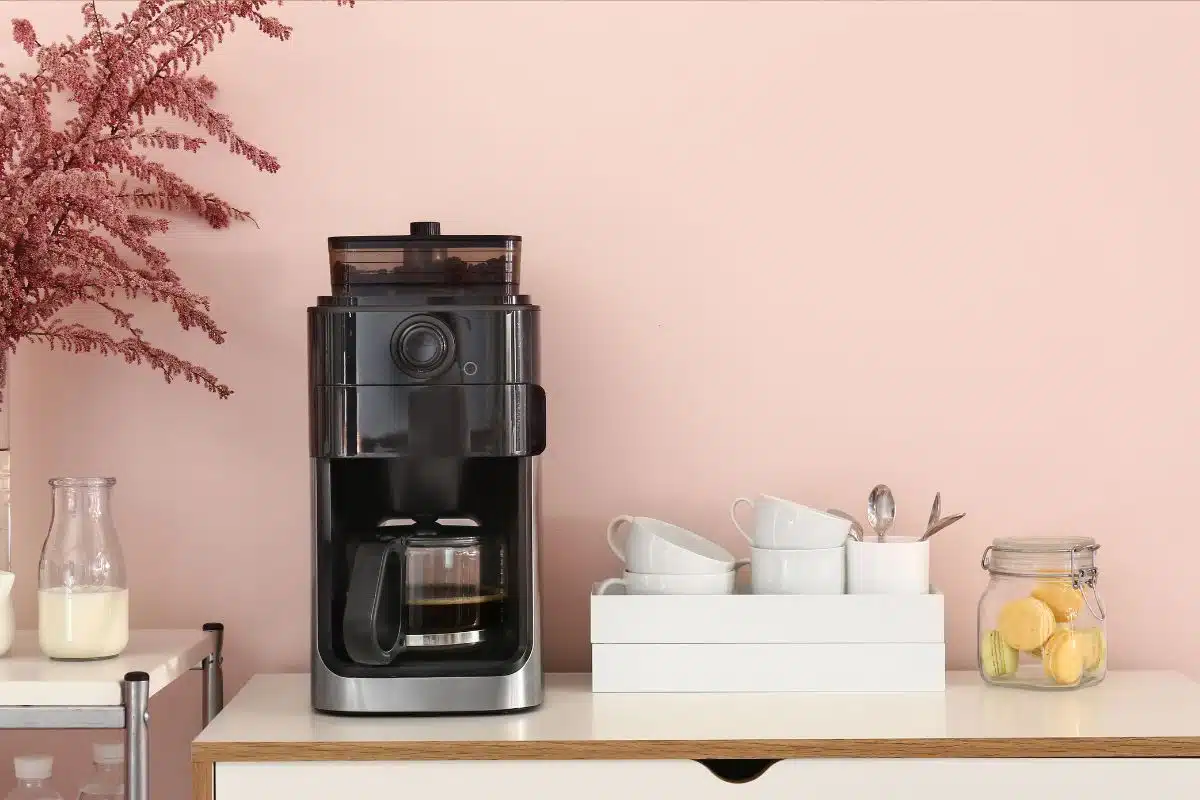
A dirty coffee maker can affect both the taste of your coffee and the performance of the machine. Coffee oils and mineral deposits can accumulate over time, so regular cleaning and descaling are important. However, there isn’t one universal cleaning schedule or vinegar recipe that applies to every machine. Check your coffee maker’s instructions first; some manufacturers recommend a specific descaling product or procedure. For example, some machines specifically permit a vinegar-and-water cleaning cycle, while others call for a commercial descaler.
Turn Leftover Coffee Into Something Useful

Before pouring leftover coffee down the drain, look for another use for it. Chilled coffee can be used in iced coffee, coffee smoothies, desserts, marinades, or coffee ice cubes. You can also use cooled coffee in recipes that call for brewed coffee or espresso, depending on the recipe. This small habit can help you get more value from the coffee you already purchased instead of wasting it.
The Best Coffee Upgrade May Be a Better Brewing Routine
You don’t need a cabinet full of coffee gadgets to make a better cup. Start with the basics: fresh coffee, appropriate storage, good-tasting water, a consistent grind, accurate measurements, and clean equipment. And don’t be afraid to experiment. Coffee preferences are personal, and current research doesn’t support the idea that there is one perfect brewing formula or temperature that everyone will prefer. In fact, research from the UC Davis Coffee Center and Specialty Coffee Association found that coffee strength and extraction had a greater relationship with sensory differences than brewing temperature alone within the temperatures studied.
This post may contain affiliate links or sponsored content. Disclosure Policy