12 Road Trip Essentials That Make Every Drive Easier
A successful road trip takes more than a full tank of gas and a destination. The right supplies can help you handle unexpected delays, stay comfortable between stops, and avoid unnecessary purchases along the way. From backup navigation to a few often-overlooked emergency supplies, these 12 practical essentials are worth considering before your next drive. Choose what fits your route, the weather, your vehicle, and the needs of everyone traveling with you.
Reusable Water Bottles

Bringing refillable water bottles makes it easier to stay hydrated without repeatedly buying bottled drinks at convenience stores. Choose leak-resistant bottles that fit securely in your vehicle’s cup holders, and refill them whenever safe opportunities arise. For longer drives or remote routes, pack extra drinking water in case services are farther apart than expected.
Road-Trip Snacks That Travel Well
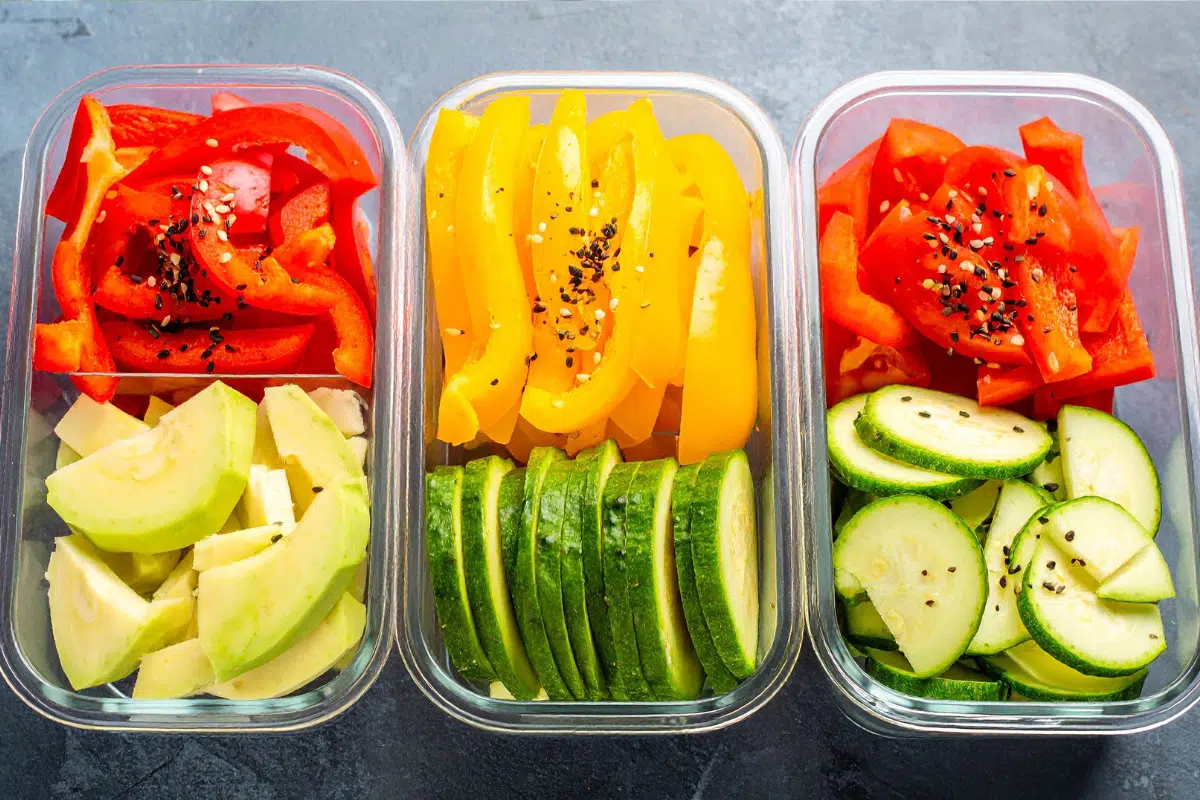
Having snacks on hand can help you avoid expensive convenience-store stops and keep everyone comfortable between meals. Shelf-stable options such as nuts, crackers, granola bars, and dried fruit are easy to store, while fresh fruit works well for shorter stretches. Keep perishable foods in a cooler with sufficient ice or frozen packs, and have the driver eat only when safely parked.
A Well-Stocked First Aid Kit

A first aid kit is useful for minor problems such as blisters, small cuts, and scrapes that can happen during hikes, sightseeing, or roadside stops. Look for a kit with adhesive bandages, gauze, antiseptic wipes, disposable gloves, and any other basic supplies you know how to use. Add personal medications and check expiration dates before leaving, since a kit is only helpful when its contents are usable.
Backup Navigation for Areas With Poor Signal
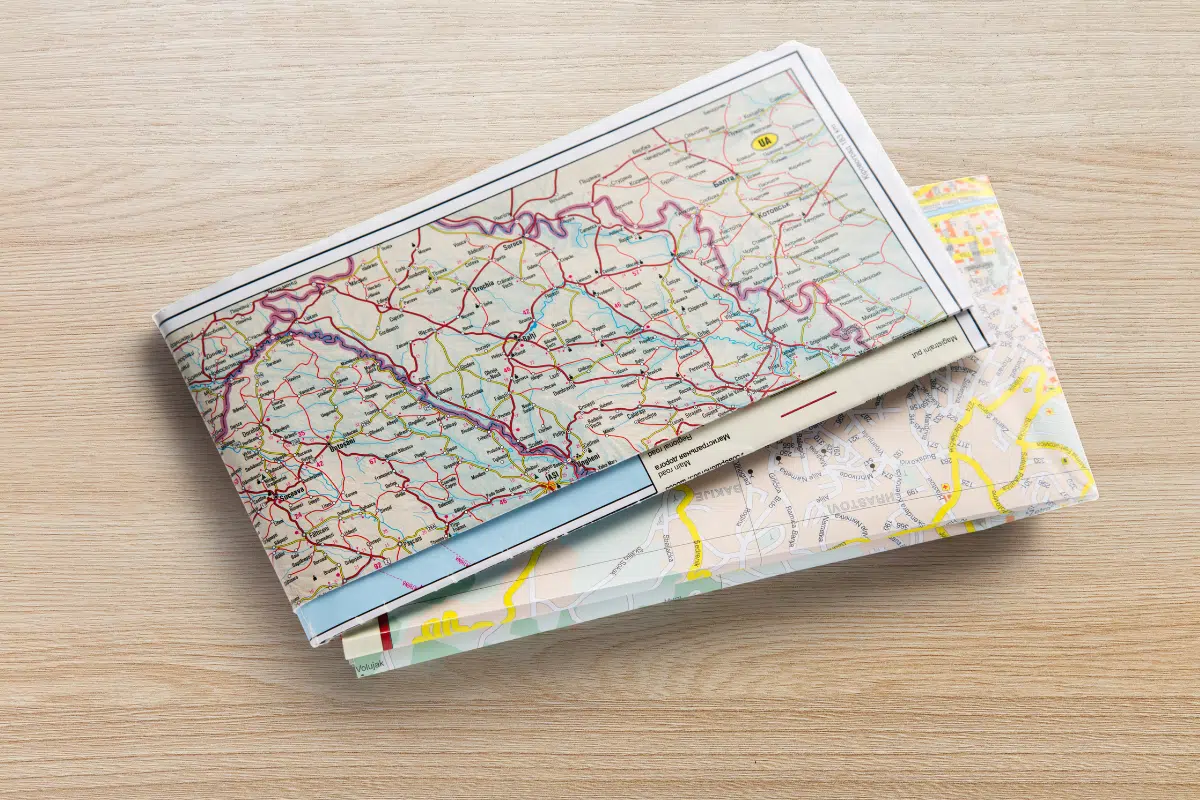
Navigation apps are convenient, but mobile coverage can disappear in rural areas, mountains, and stretches of highway. Download offline maps before departure and consider bringing a paper road atlas or regional map for an additional backup. Check your route before leaving, especially when traveling through unfamiliar areas, and pull over safely if you need to review directions.
A Car Charger and Fully Charged Power Bank
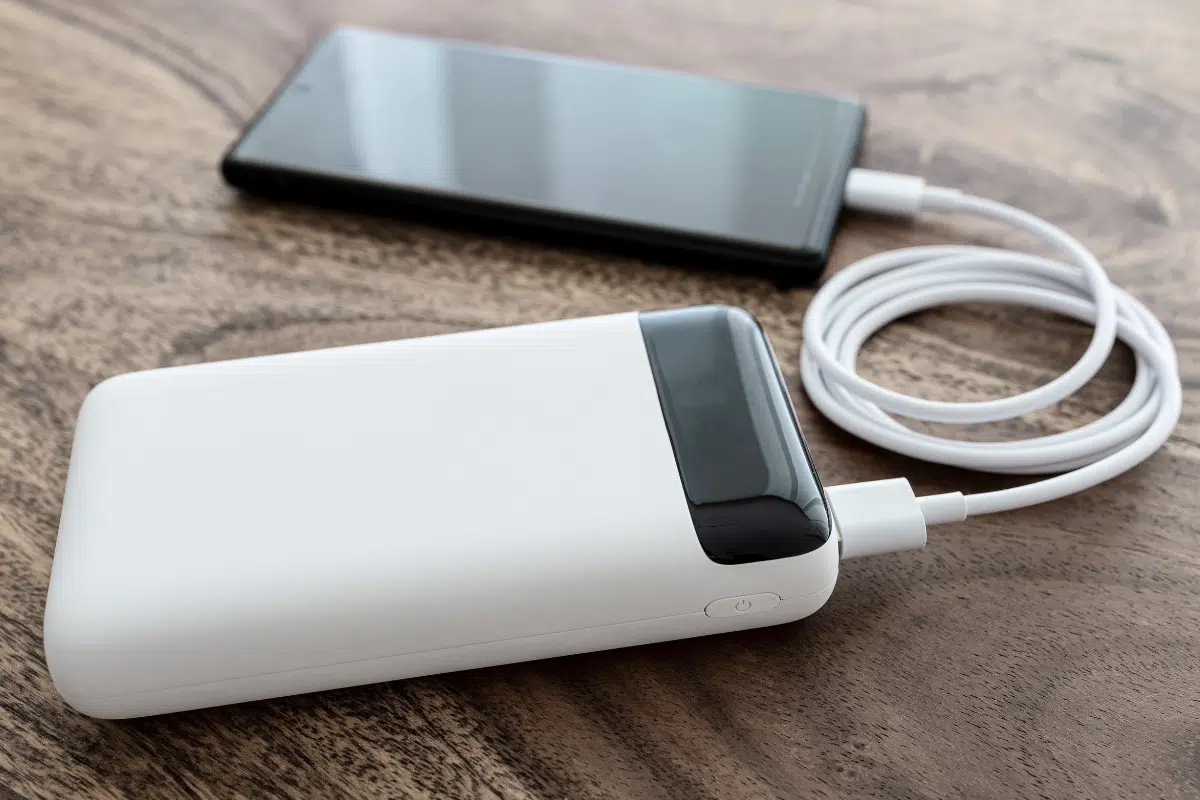
A phone often handles navigation, hotel reservations, roadside assistance, and communication, so keeping it charged matters. Bring a compatible car charger and cable, plus a charged power bank for times when you are away from the vehicle. Test your equipment before departure and store the power bank according to its manufacturer’s instructions, away from excessive heat.
A Vehicle Emergency Kit

A roadside emergency kit can help you handle minor problems while waiting for assistance. Useful supplies include a flashlight, reflective warning triangles or other appropriate warning devices, work gloves, a tire pressure gauge, and basic tools suited to your vehicle. Jumper cables or a compatible jump starter may also be useful, but check your vehicle’s manual for the correct jump-start procedure; never attempt repairs in an unsafe location.
A Travel Pillow and Compact Blanket

Long drives can be tiring for passengers, and a small pillow or blanket can make breaks and overnight stays more comfortable. These items are also handy in chilly rest areas, drafty hotel rooms, or unexpected delays. Drivers should never use a pillow or blanket in a way that interferes with driving, and anyone feeling drowsy should stop somewhere safe to rest rather than trying to push through fatigue.
Sunglasses for Changing Light Conditions

Glare from the sun, reflective pavement, and bright surroundings can make driving less comfortable. Keep a clean pair of sunglasses within easy reach before setting off, and choose lenses that provide appropriate UV protection. Avoid very dark lenses at night or in low-light conditions, and remove sunglasses if they make it harder to see clearly.
Downloaded Entertainment for Long Stretches

Music, podcasts, and audiobooks can make long stretches of highway feel less monotonous, especially when passengers share the playlist. Download your favorites before leaving in case mobile data is unreliable, and bring headphones for passengers who prefer their own entertainment. Drivers should keep their attention on the road and choose audio that does not distract them from traffic or navigation.
Hand Sanitizer, Wipes, and Tissues

Road trips often involve rest stops, takeout meals, public restrooms, and quick snacks in the car. Hand sanitizer is useful when soap and water are unavailable, while tissues and wipes can help with small spills and everyday messes. Sanitizer does not replace proper handwashing when a sink is available, and disinfecting wipes intended for surfaces should not be used on skin.
An Insulated Cooler for Drinks and Perishable Food

A cooler can keep drinks cold and make it easier to bring packed lunches, fruit, and other perishable foods. Use plenty of ice or frozen packs, keep the lid closed, and place the cooler where it can stay cool and secure without obstructing the driver. Perishable food should generally stay at 40°F or below; discard food that has been held above safe temperatures for too long rather than relying on smell or appearance.
Cash, Cards, and Important Travel Information

Although cards and mobile payments are widely accepted, a small amount of cash can still be useful for certain parking situations, small businesses, or places with payment-system problems. Keep your driver’s license, insurance information, roadside assistance details, and reservation confirmations accessible without leaving valuables in plain sight. Before departure, check your route for toll-payment requirements and keep emergency contacts available in case your phone loses service.
This post may contain affiliate links or sponsored content. Disclosure Policy