12 Foods That Are Much Cheaper to Make at Home
Convenience foods can save you time, but sometimes you’re also paying someone else to wash, peel, slice, shred, or portion your groceries. That doesn’t mean every pre-cut or prepared food is a bad deal. But when the price difference is significant, doing a little of the prep yourself can stretch your grocery budget further. These are some of the foods worth comparing the next time you’re shopping, especially when you check the price per pound or ounce before buying.
Whole Carrots vs. Baby Carrots

Baby carrots are convenient, but whole carrots can be a less expensive option depending on the store and package size. Whole carrots can be peeled, sliced, or cut into sticks at home for snacks, roasting, soups, and other recipes. You can also use them in different ways instead of being limited to the size of a prepared package. Compare the price per pound before buying, because sales can change which option is actually cheaper.
Block Cheese vs. Pre-Shredded Cheese

Pre-shredded cheese is convenient, but a block of cheese can sometimes cost less per ounce. Shredding it yourself only takes a few minutes and gives you control over the size of the shreds. Pre-shredded cheese can also contain ingredients that help keep the shreds from clumping, which can affect how they melt in some recipes. Check the unit price before buying, since sales can occasionally make shredded cheese the better deal.
A Head of Lettuce vs. Bagged Salad Mix
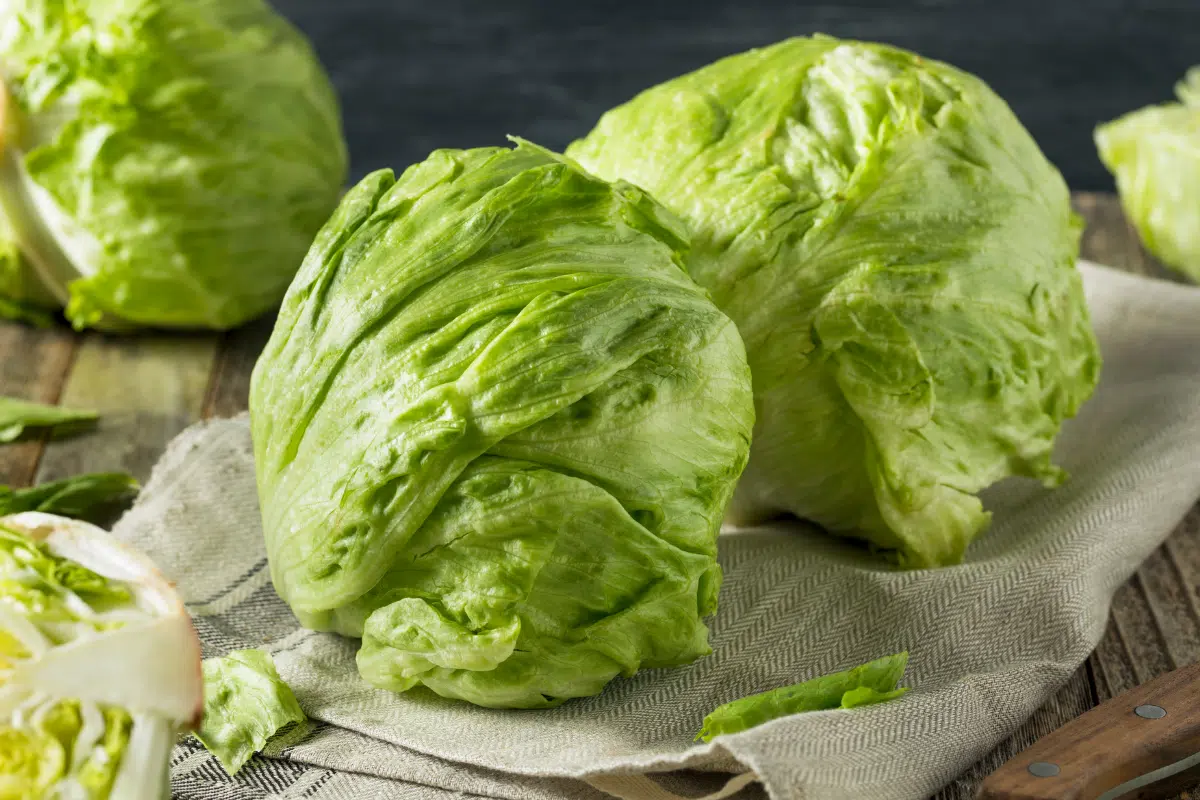
Bagged salad greens can be a convenient shortcut, especially when you need something ready to serve. But if you regularly eat salads, a whole head of lettuce or another whole leafy green may cost less per serving. You can wash and chop it yourself and portion out what you need throughout the week. Keep in mind that whole lettuce isn’t always cheaper, so compare the price per ounce rather than assuming.
Whole Pineapple vs. Cut Pineapple Containers

Pre-cut pineapple saves you the work of removing the tough skin and core, but that convenience can come with a higher price. A whole pineapple may give you more fruit for your money when the price is favorable. Cutting one at home also means you can portion it however you like for snacks, smoothies, or recipes. Just remember that once you cut it, the pineapple needs to be refrigerated.
Whole Watermelon vs. Pre-Cut Packs

Pre-cut watermelon is convenient and especially popular for parties, lunches, and quick snacks. However, a whole watermelon can be a better value when you’re buying a large amount of fruit and don’t mind doing the cutting yourself. The actual savings depend on the size and price of the melon, so compare the price per pound when both options are available. Once cut, watermelon should be refrigerated and stored properly.
Broccoli Heads vs. Pre-Cut Florets

Pre-cut broccoli florets can save time, but buying whole broccoli can give you more flexibility in the kitchen. You can cut the florets yourself and use the stems in stir-fries, soups, slaws, or other recipes instead of throwing them away. Compare the price per pound because the difference can vary from store to store. If you’re already preparing a larger meal, trimming the broccoli yourself takes very little extra time.
Whole Mushrooms vs. Sliced Mushrooms

Sliced mushrooms are another convenience option worth comparing with whole mushrooms. Whole mushrooms allow you to decide how thick or thin you want each slice, making them useful for everything from pizza to stir-fries. They also don’t require much preparation beyond cleaning and slicing. If the whole mushrooms have a lower unit price, a few minutes with a knife can keep more money in your grocery budget.
Whole Chicken vs. Individual Chicken Parts

A whole chicken can be an economical choice when you are willing to do some of the cutting and use multiple parts of the bird. You can portion the meat for several meals and save the bones for homemade stock. However, don’t assume a whole chicken is automatically cheaper—compare its price per pound with the cuts you normally buy. If a sale makes boneless breasts or thighs cheaper, the individual pieces may be the better buy.
Whole Potatoes vs. Pre-Cut Potato Products
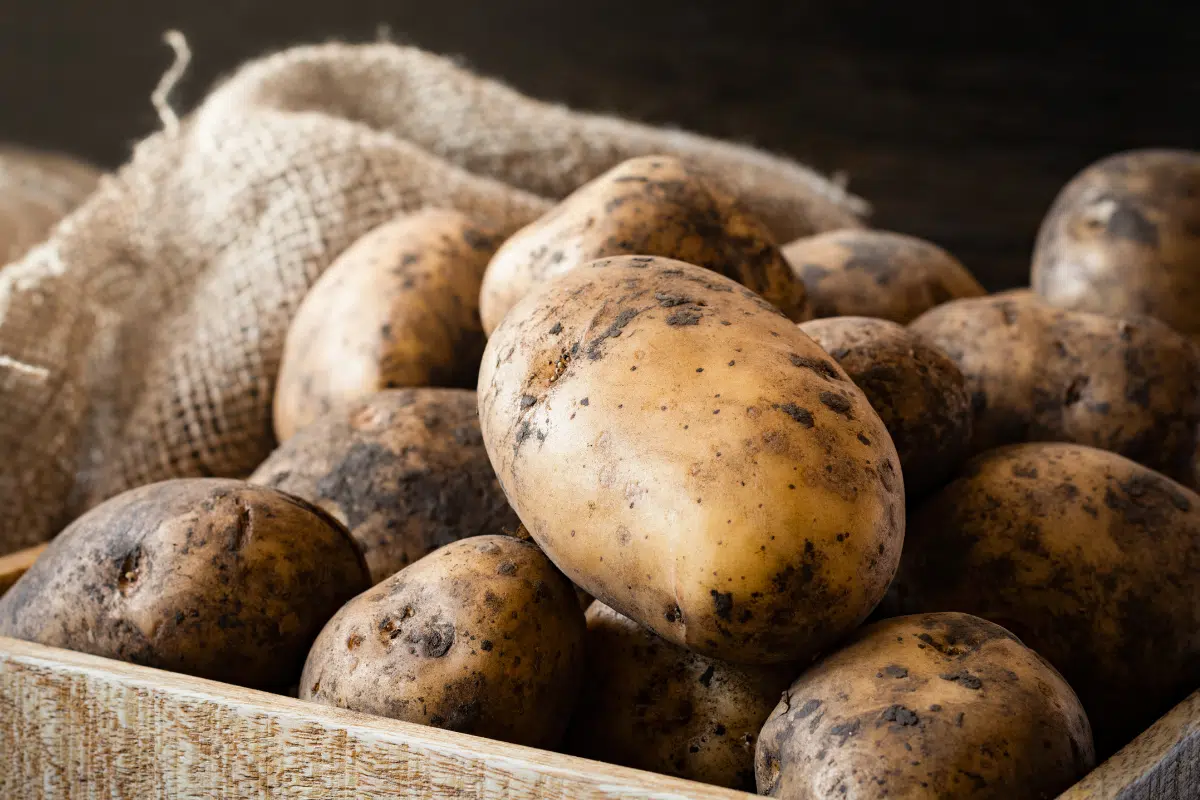
Whole potatoes are versatile and can be prepared in almost any form you need. Instead of buying refrigerated diced potatoes or other prepared potato products, you can peel, cube, slice, or shred potatoes yourself. The amount you save depends on the product and current store prices, so compare the unit price before making the switch. Whole potatoes also have plenty of uses beyond the recipe you originally planned.
Whole Apples vs. Packaged Apple Slices
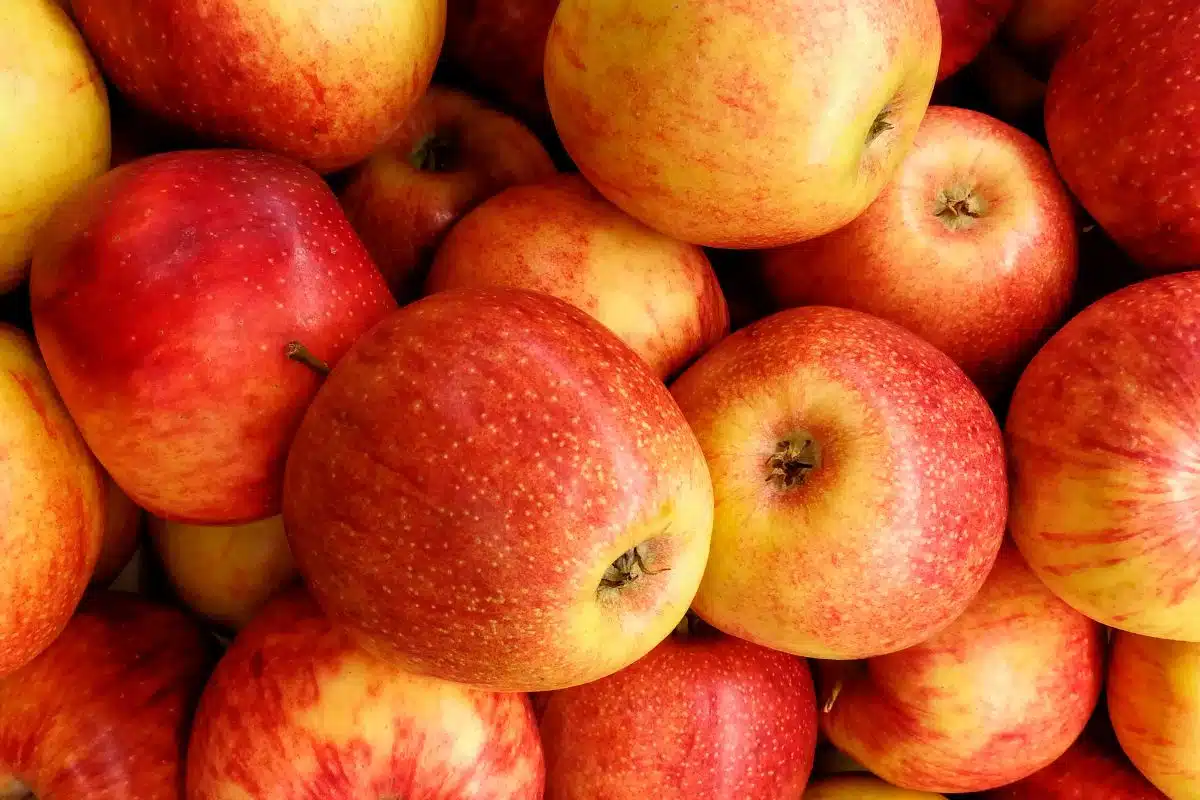
Packaged apple slices are convenient for lunches and grab-and-go snacks, but whole apples eliminate the extra preparation and packaging costs associated with a ready-to-eat product. Slice your own apples when you need them and store the cut pieces properly. A little lemon juice can help slow browning if you’re preparing them ahead of time. Just remember that cut produce should be refrigerated.
Whole Bell Peppers vs. Pre-Sliced Peppers
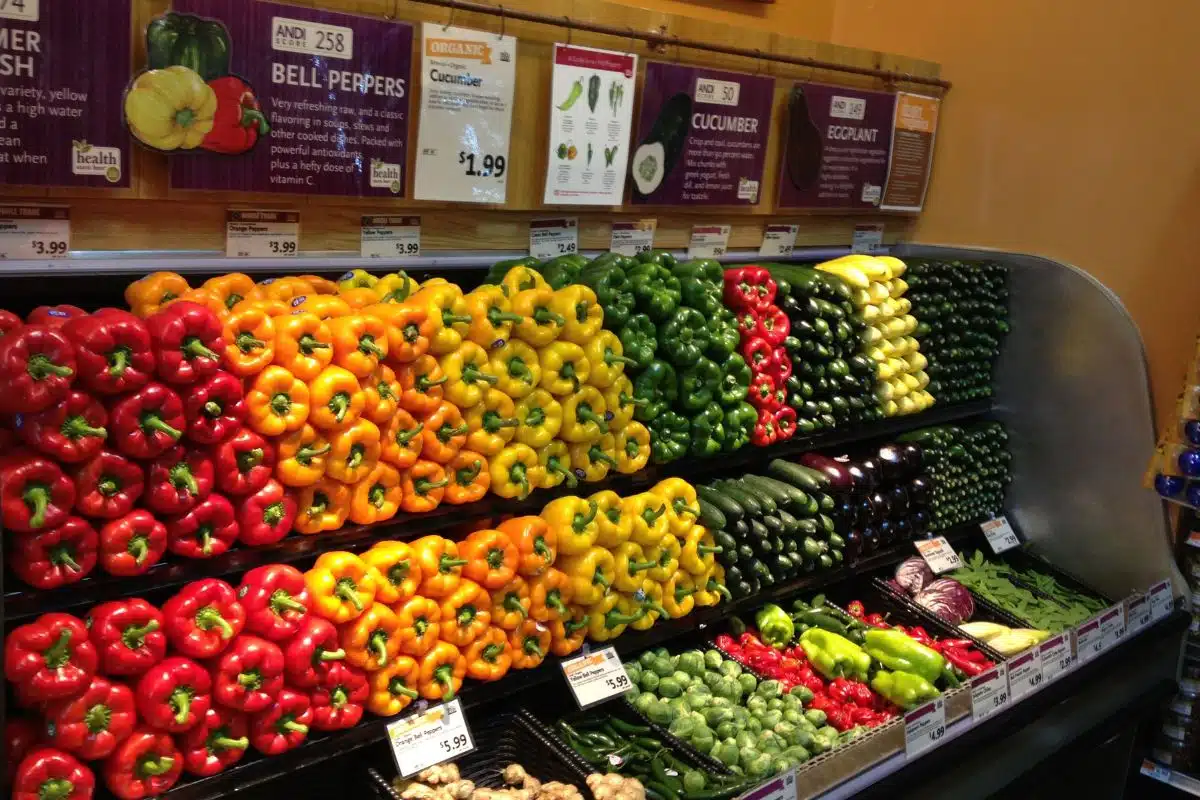
Pre-sliced peppers are convenient for fajitas, salads, sandwiches, and meal prep, but whole peppers may offer a better price per pound. Slicing them yourself also lets you choose the size and shape you need for each recipe. If you’re already chopping vegetables for dinner, adding a few extra peppers to your cutting board takes very little time. You can prep several at once and refrigerate the cut peppers for later use.
Whole Garlic Bulbs vs. Peeled Garlic
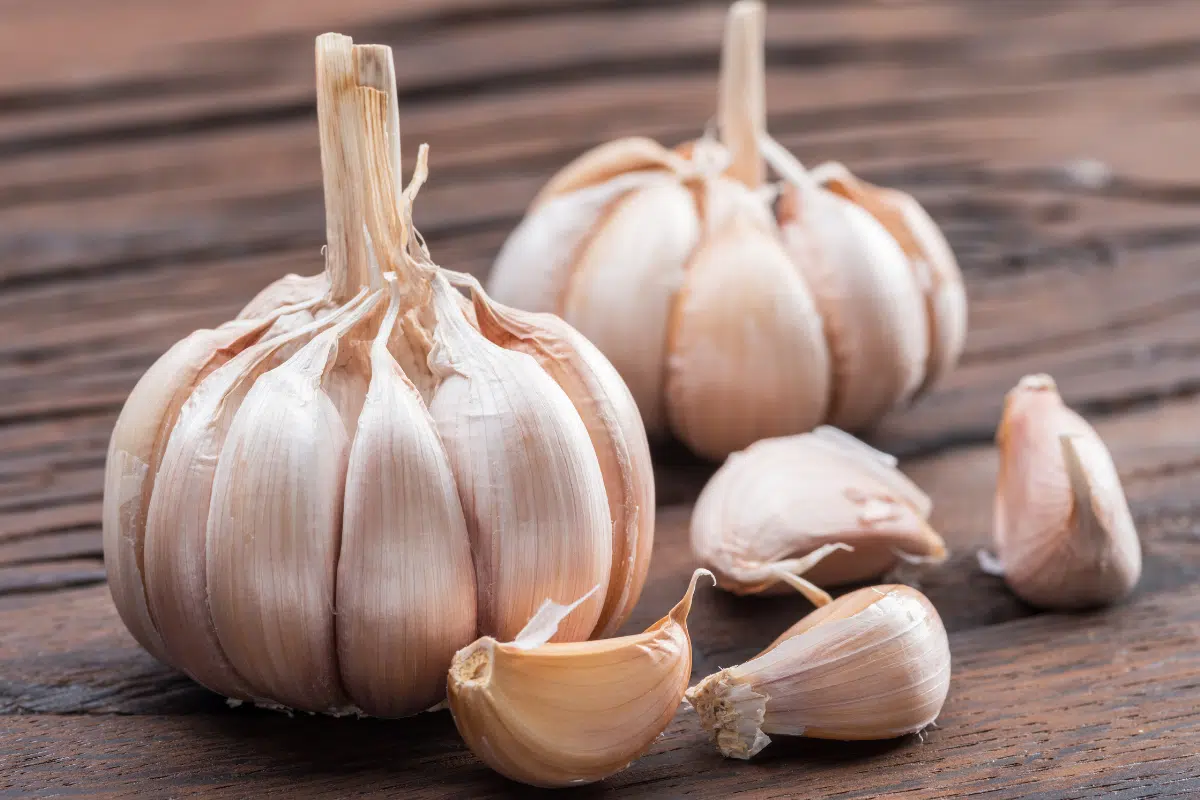
Peeled garlic and other ready-to-use garlic products can save time, but whole garlic bulbs are worth comparing if you use garlic frequently. Breaking apart and peeling the cloves takes a little extra work, but you can buy only what you need and store the remaining bulbs for later. Whole garlic is particularly useful when a recipe calls for several cloves. As with everything else on this list, check the unit price rather than assuming one format is always cheaper.
This post may contain affiliate links or sponsored content. Disclosure Policy