Bulk Buying Wins — and Mistakes: 10 Items to Stock Up On and 5 to Skip
Buying in bulk can save money, reduce trips to the store, and keep your pantry well-stocked. But not everything is worth the bigger package. Some items can spoil, lose quality, or even end up costing you more in the long run. Here’s a guide to the things you should always stock up on—and the ones better bought in smaller quantities.
Toilet Paper – Buy in Bulk
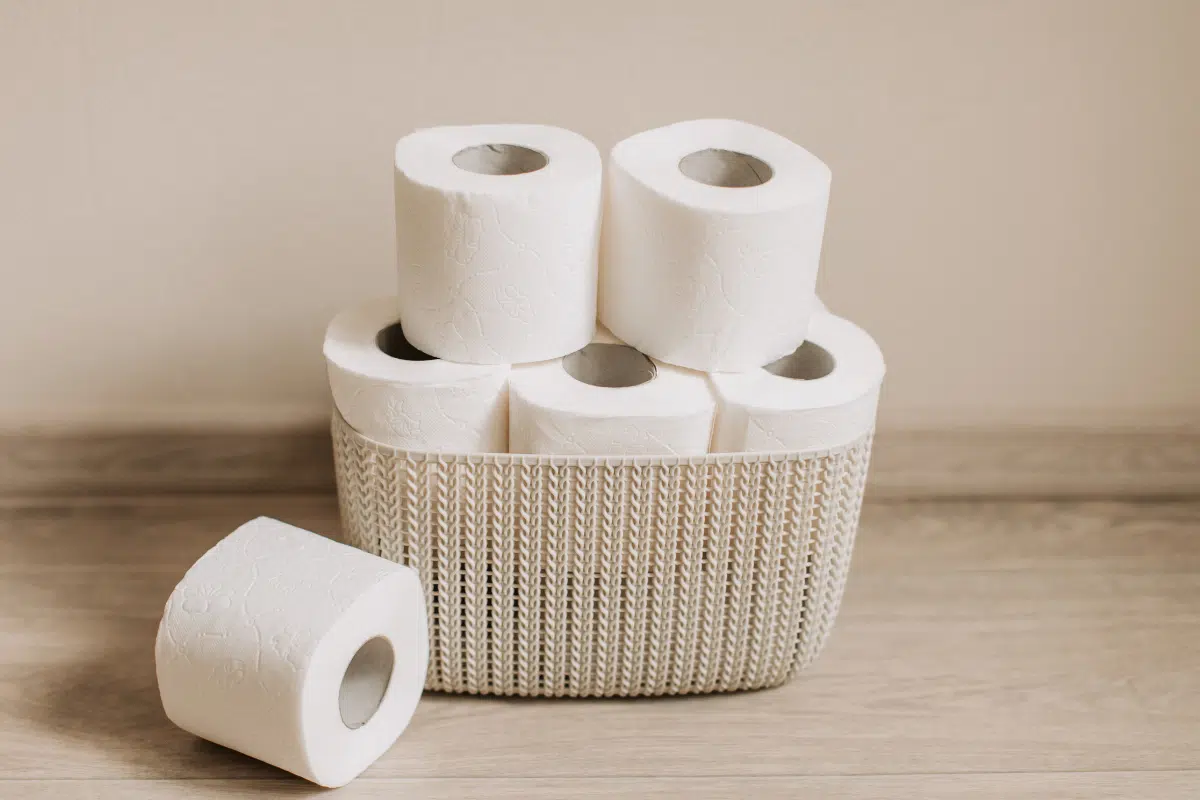
Toilet paper is shelf-stable and used consistently, making it one of the safest bulk purchases. Larger packs almost always lower the cost per roll. It’s an easy win if you have the storage space.
Paper Towels – Buy In Bulk
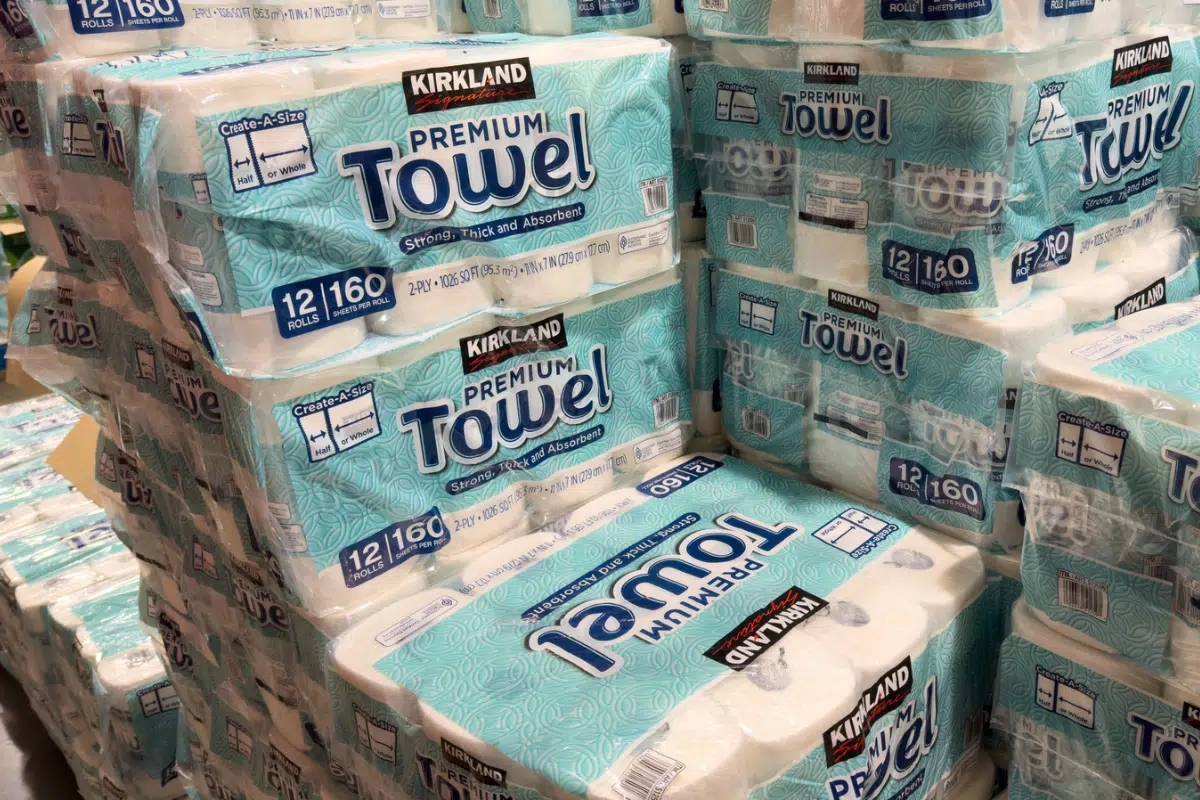
Paper towels store well and don’t lose quality over time. Bulk bundles typically come with better per-unit pricing than small packs. Keeping extras on hand also helps with unexpected messes.
Rice – Buy in Bulk
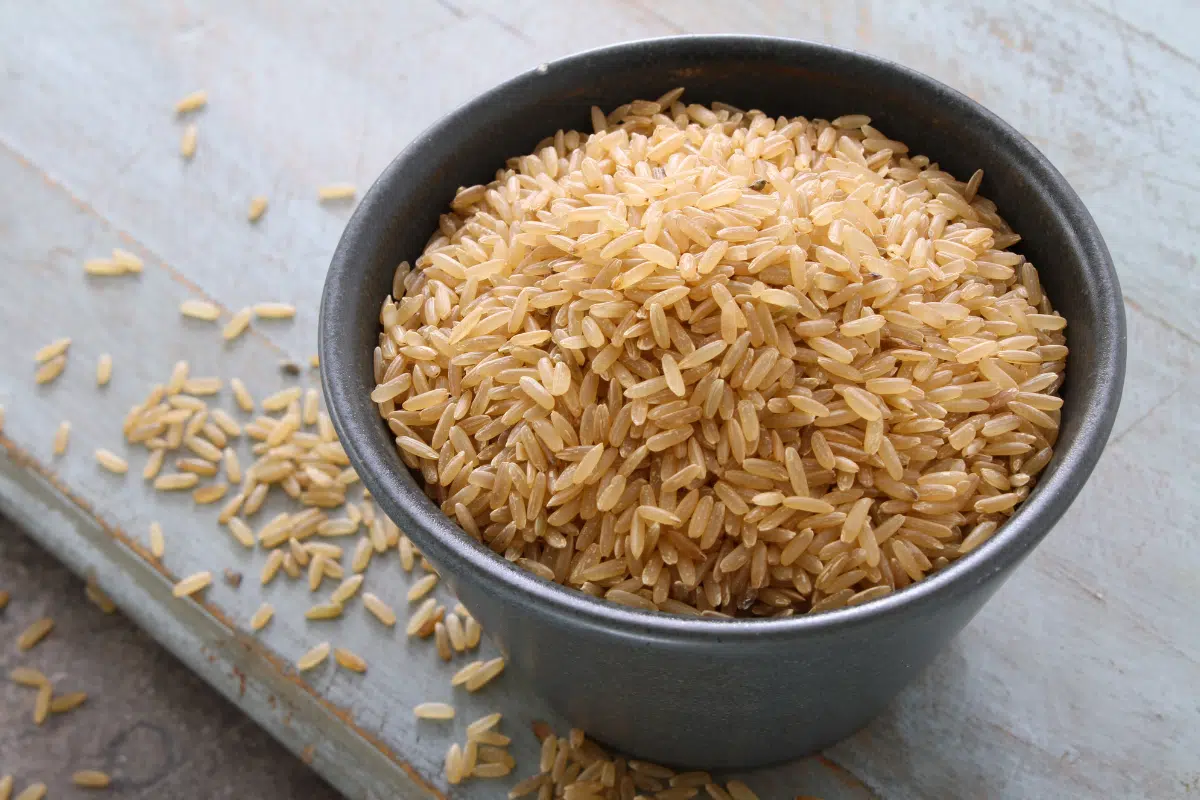
White rice has an especially long shelf life when kept sealed and dry. It’s budget-friendly, filling, and works in countless meals. Buying larger quantities can significantly reduce cost per serving.
Pasta – Buy in Bulk
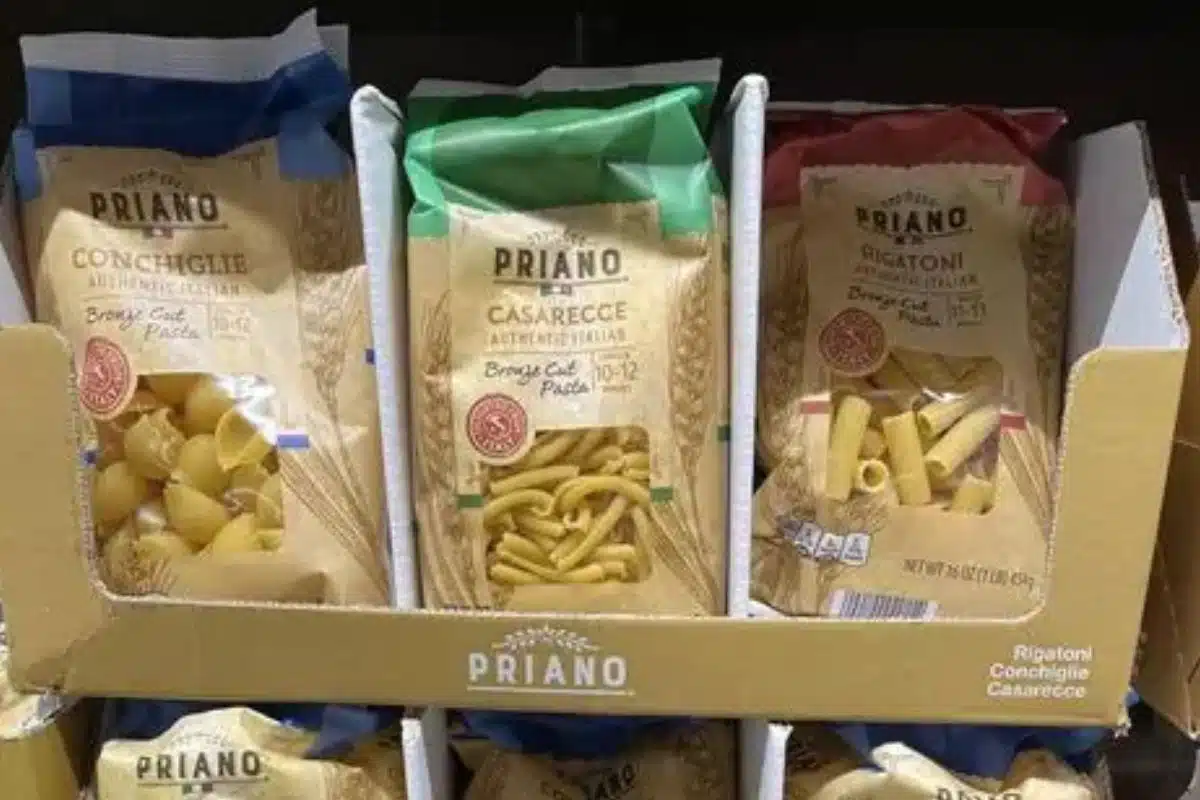
Dry pasta keeps for a long time and is easy to portion as needed. Bulk packages are often deeply discounted compared to single boxes. It’s a reliable pantry backup for quick dinners.
Canned Goods – Buy in Bulk
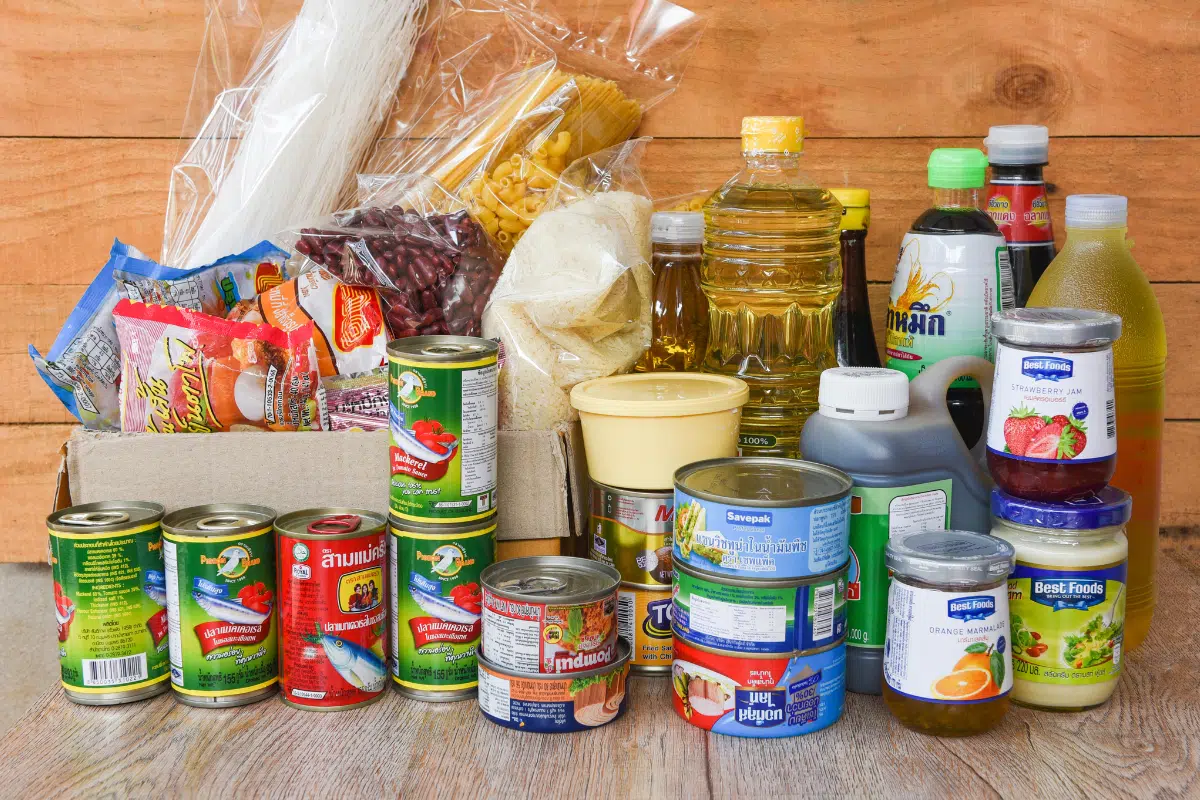
Canned beans, vegetables, and soups are built for long storage. Multi-can packs often bring the unit price down. They’re also helpful for meal prep and emergency pantry reserves.
Cleaning Supplies – Buy in Bulk
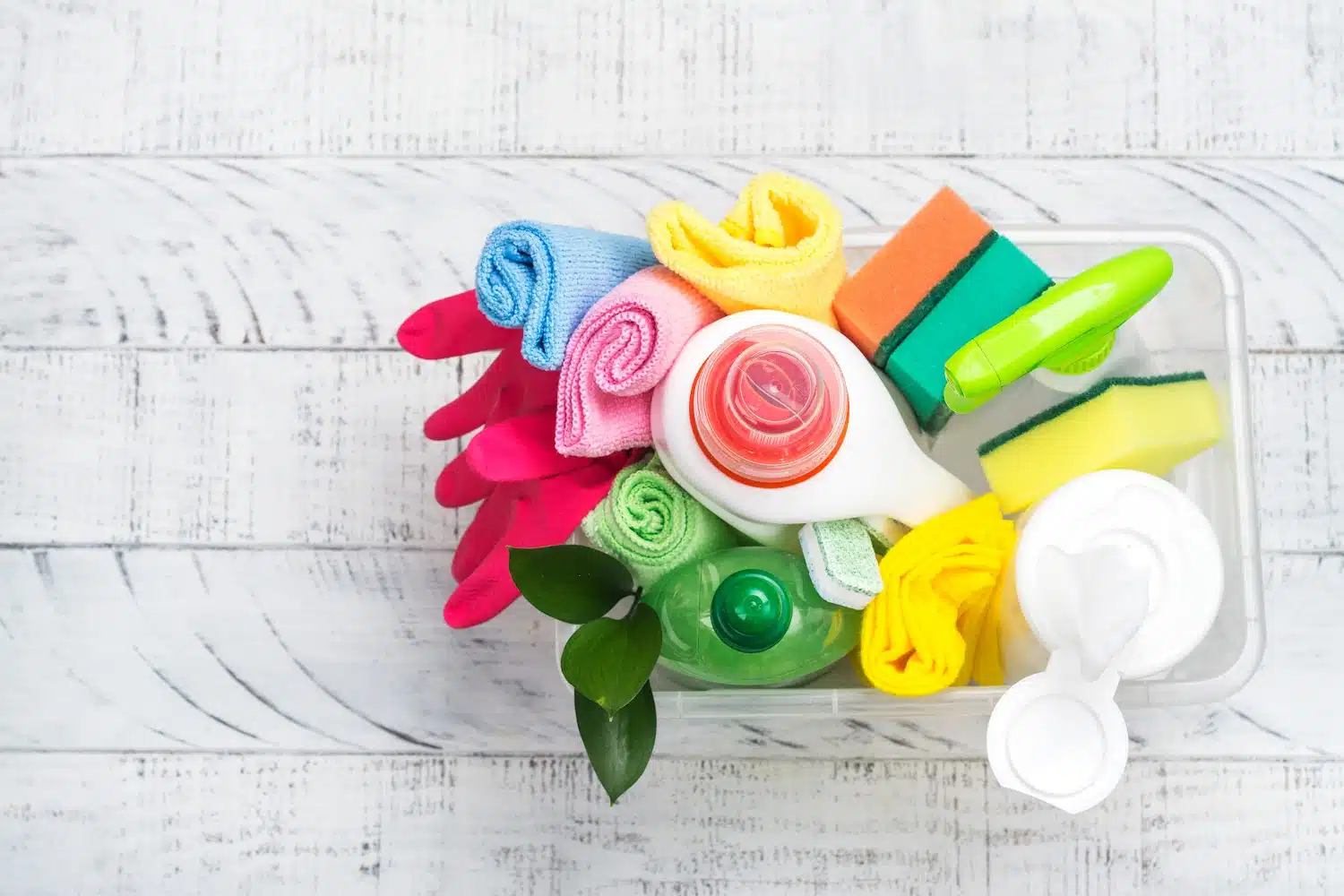
Items like laundry detergent and dish soap get used steadily over time. Bigger containers usually cost less per ounce. Just be sure you like the product before committing to a jumbo size.
Coffee – Buy in Bulk
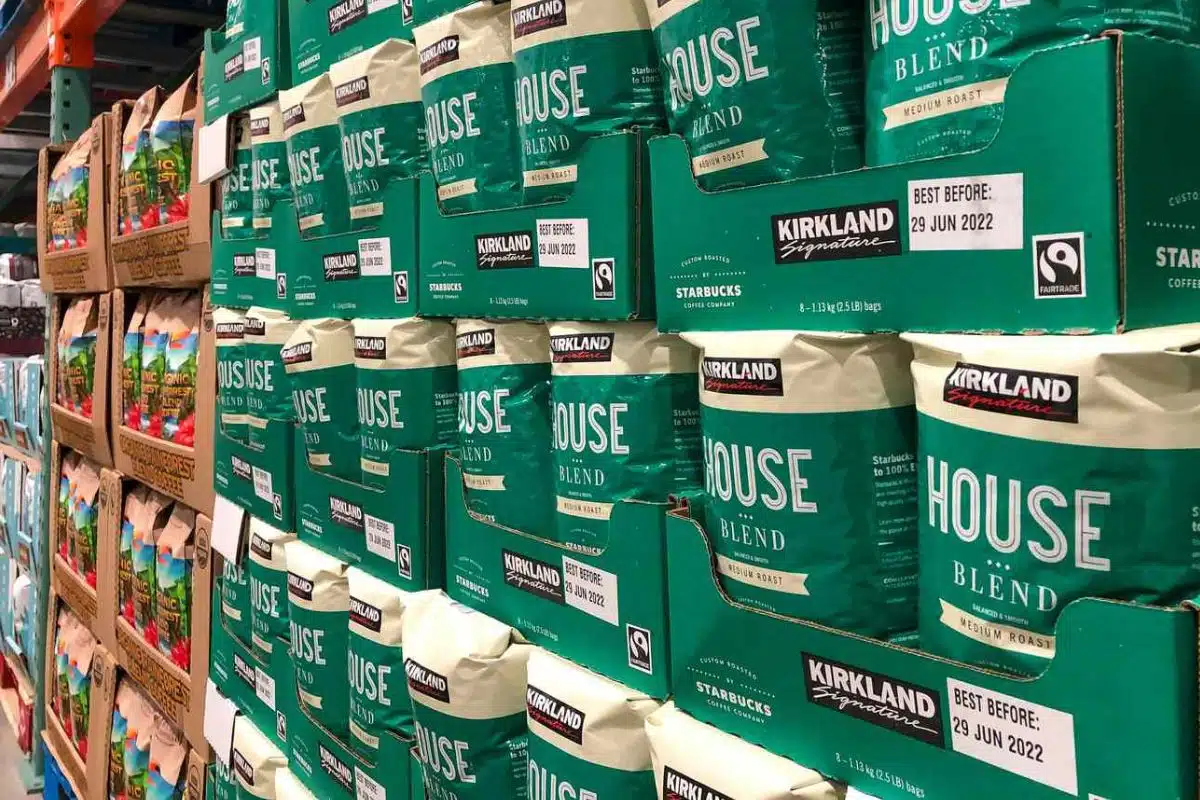
Coffee can be a good bulk buy if you drink it daily and store it properly. Airtight containers help preserve freshness and flavor. Frequent coffee drinkers usually see real savings here.
Frozen Fruits and Vegetables – Buy in Bulk
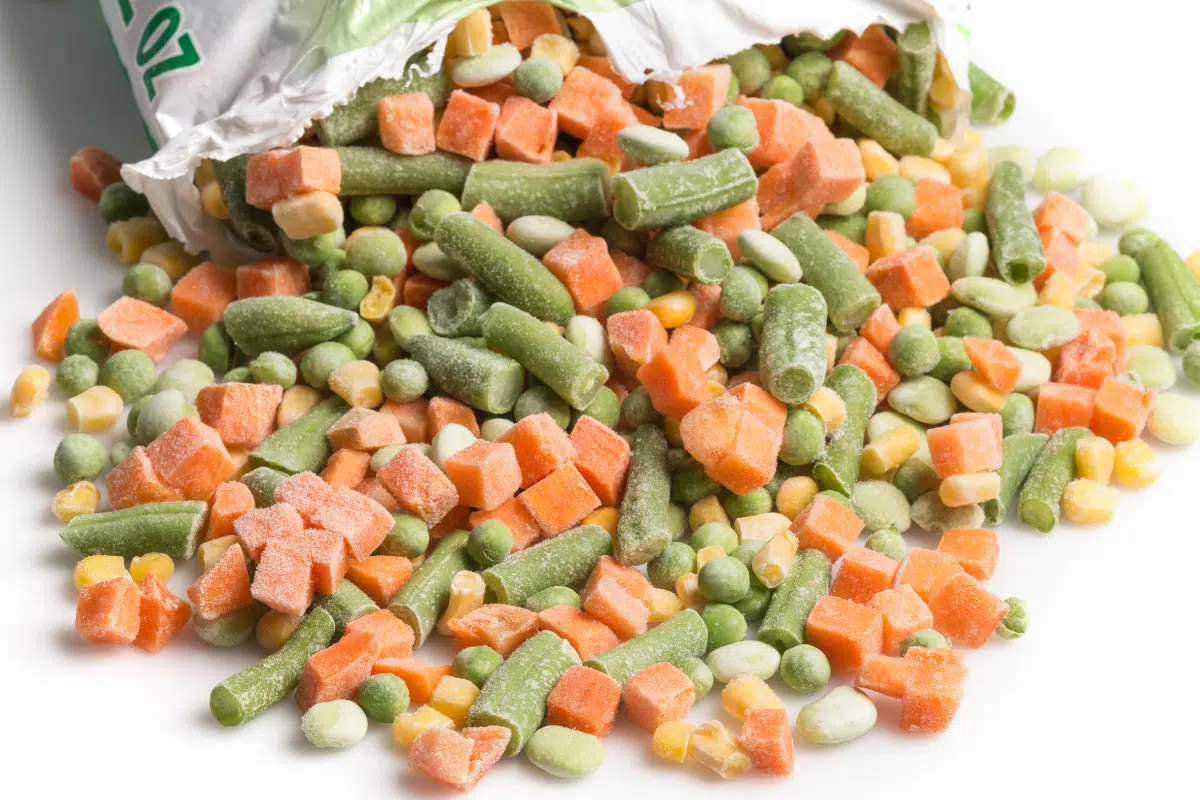
Frozen produce lasts much longer than fresh and reduces spoilage risk. Large bags are often cheaper than multiple small ones. They’re great for smoothies, sides, and quick recipes.
Pet Food – Buy in Bulk
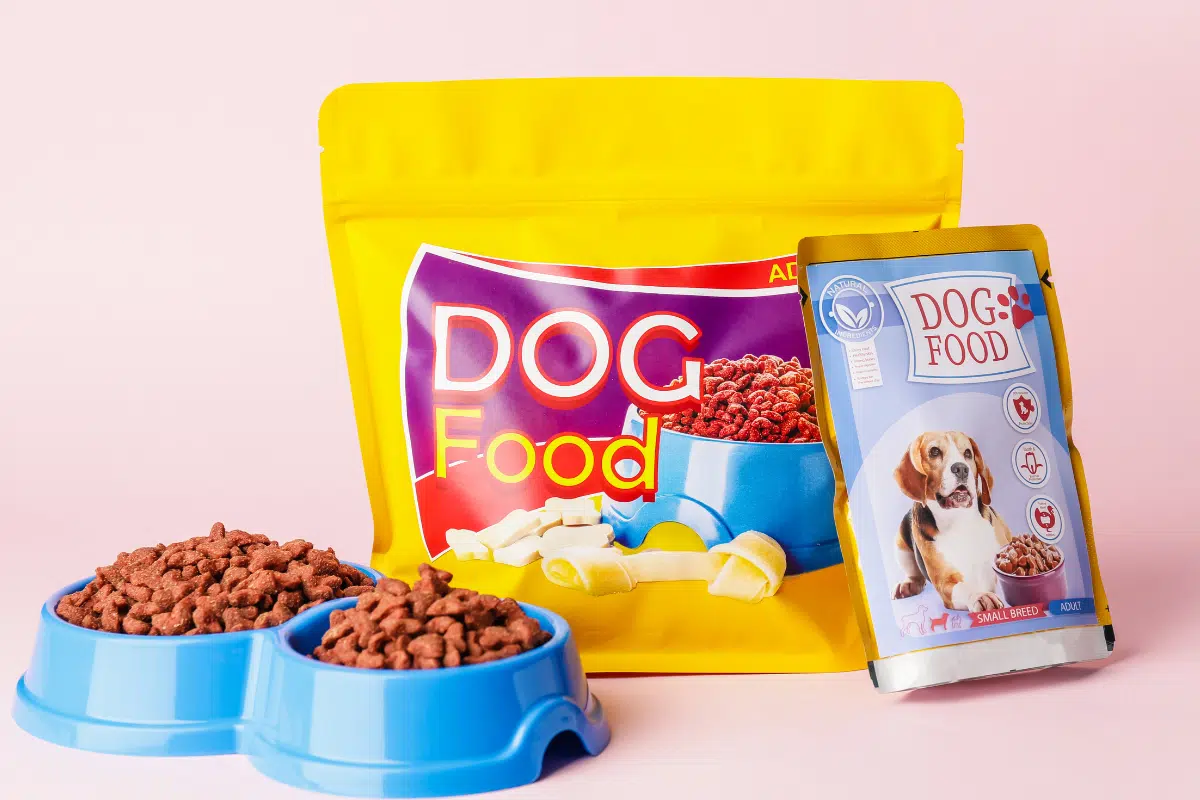
Pet owners go through food on a predictable schedule. Larger bags tend to lower the per-pound cost. Check expiration dates and storage guidelines before buying the biggest size
Snacks for Kids – Buy in Bulk
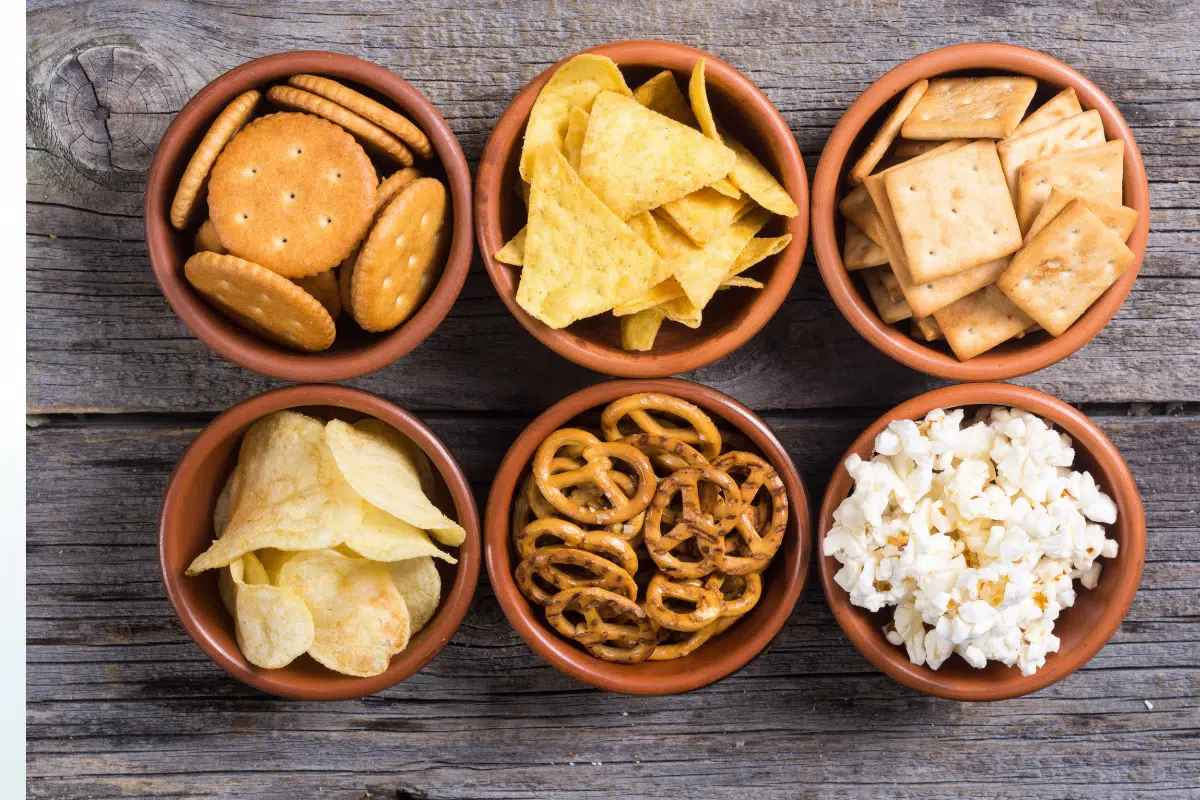
Lunchbox staples like crackers and bars are often sold in value packs. Bulk options can cut the per-snack price noticeably. They also make weekly packing faster and easier.
Fresh Produce – Skip Bulk
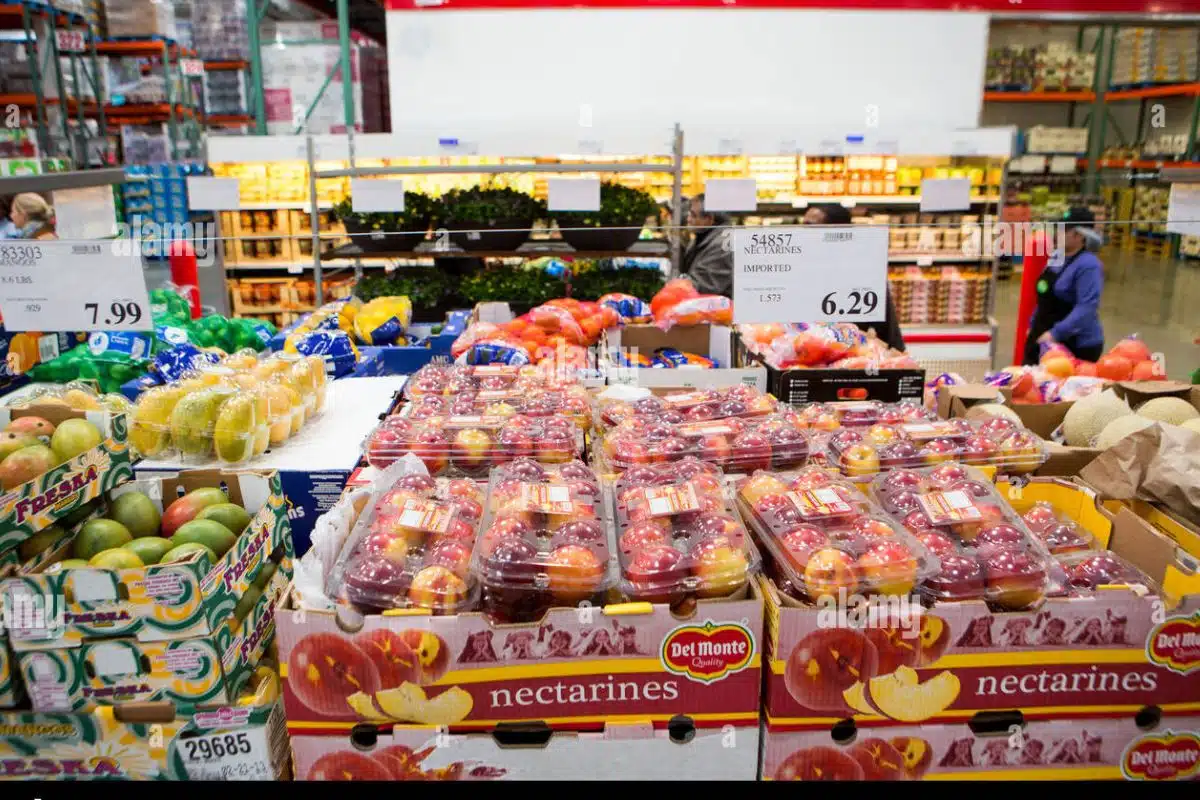
Large quantities of fresh fruits and vegetables spoil quickly in most households. Unless you’re cooking for many people, waste is likely. Smaller, more frequent buys keep food fresher.
Spices – Skip Bulk
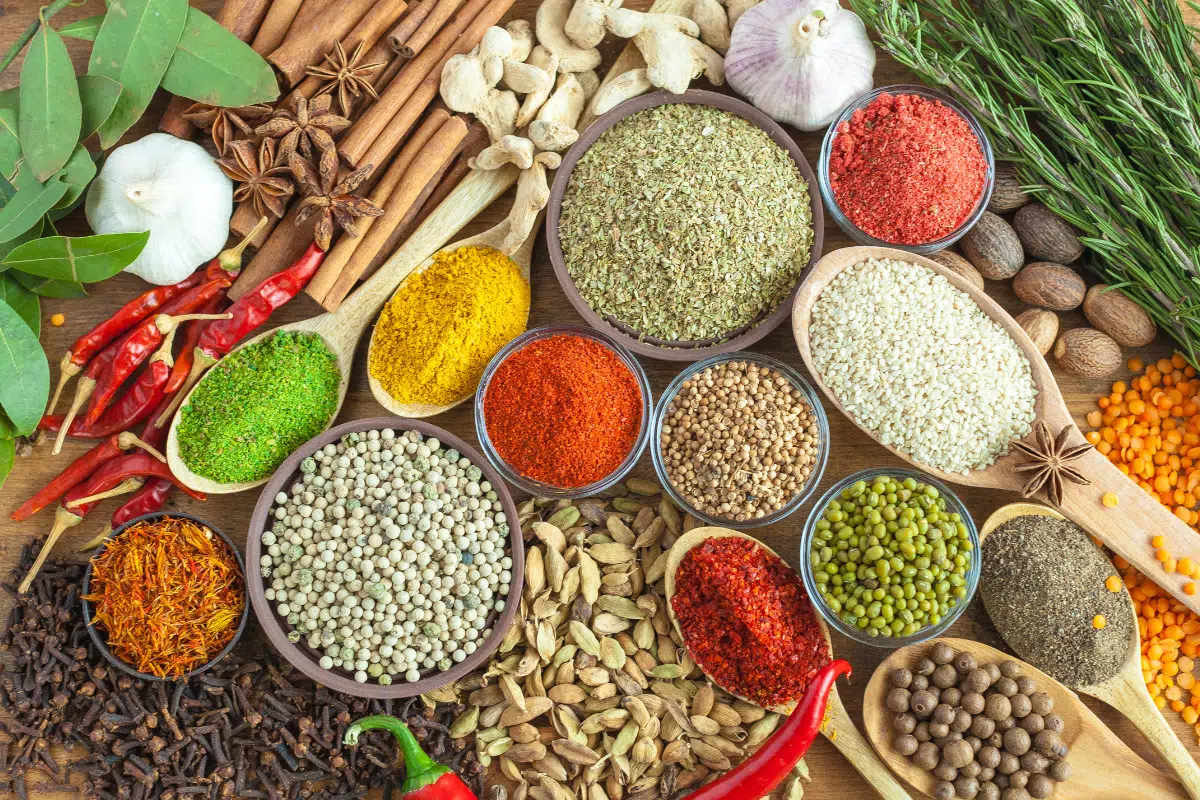
Spices lose potency as they sit on the shelf. Oversized containers often go stale before they’re finished. Smaller jars keep flavors stronger and recipes tasting right.
Cooking Oils – Skip Bulk
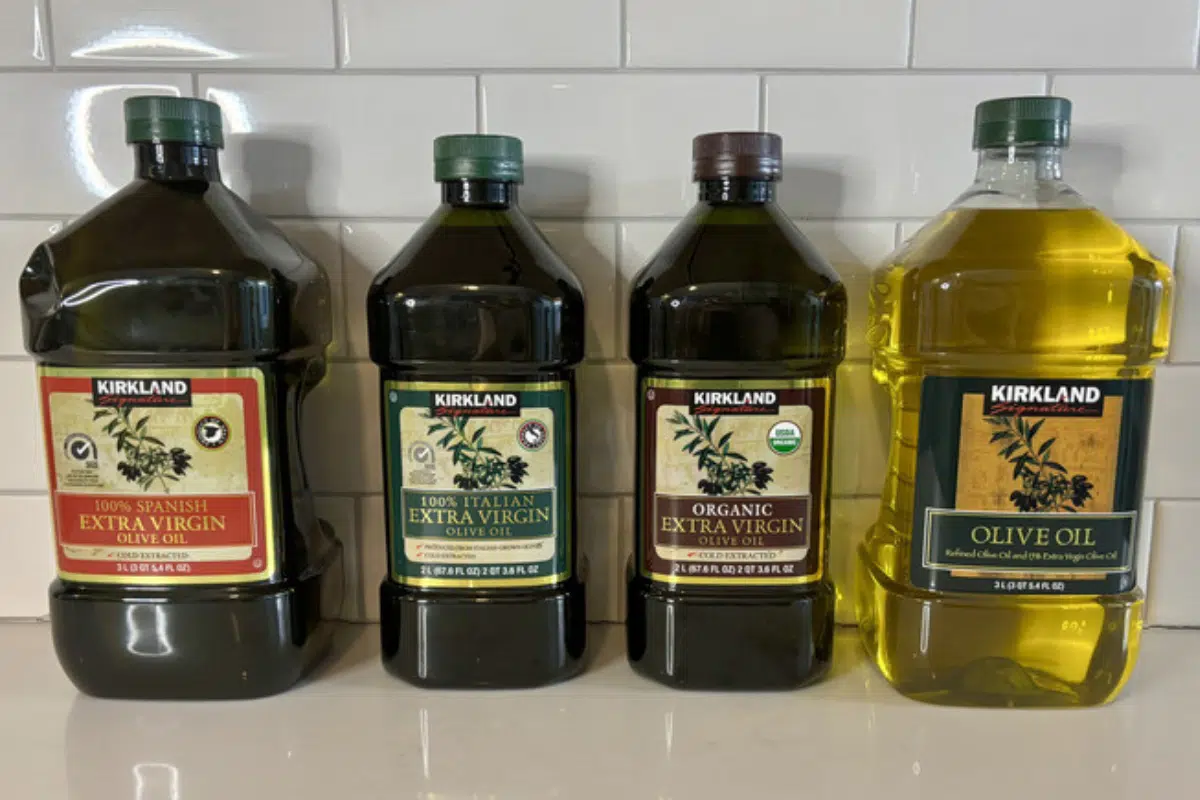
Oils can turn rancid over time, especially specialty varieties. Huge bottles may not get used quickly enough. Moderate sizes help maintain taste and quality.
Baked Goods – Skip Bulk
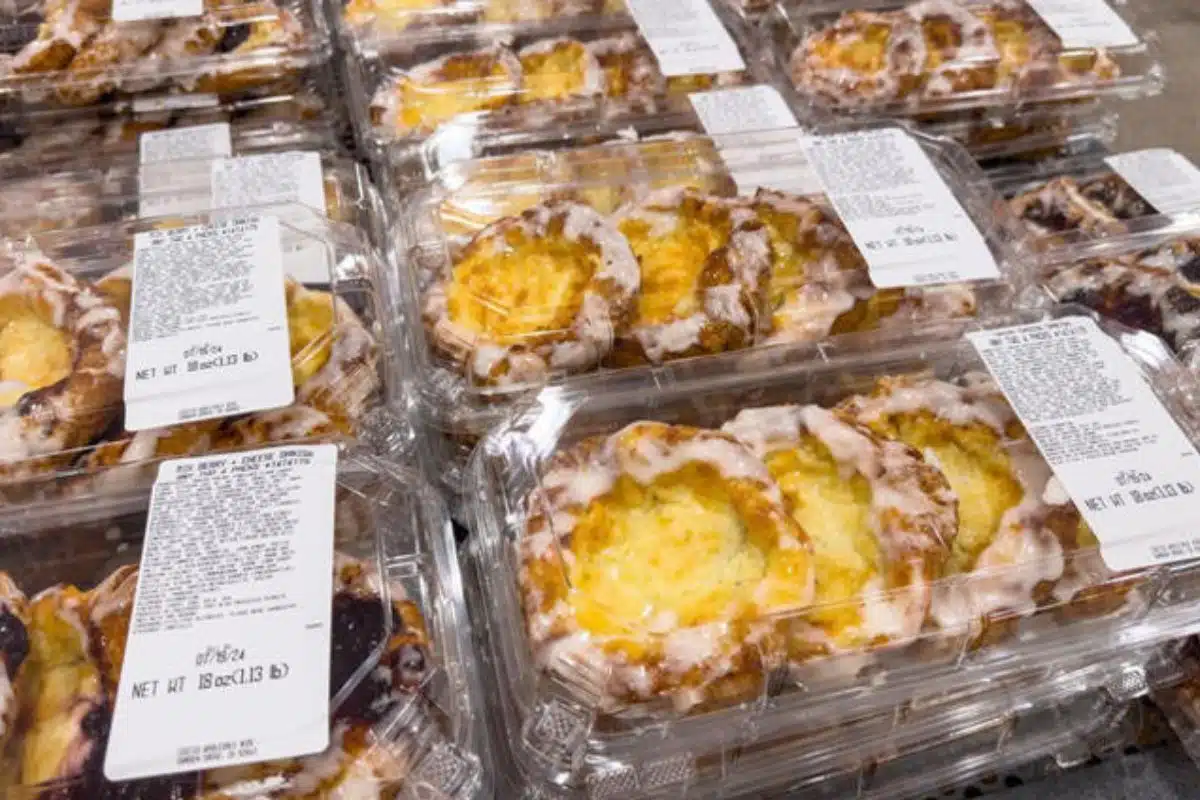
Bread and pastries have short freshness windows. Buying too many leads to staleness or freezer overload. Purchase only what you’ll use within a few days.
Condiments – Skip Bulk

Extra-large condiment bottles seem like a bargain but often linger half-used. Flavor and texture can decline after opening. Regular sizes are usually the safer choice unless you use them heavily.
This post may contain affiliate links or sponsored content. Disclosure Policy