
10 Daily Money Leaks That Could Be Costing You More Than You Realize
Most people don’t blow their budget on one big purchase. Instead, money often disappears through small, recurring expenses that seem insignificant in the moment. A few dollars here and there may not feel like much, but over weeks and months, these habits can add up to hundreds or even thousands of dollars. Taking a closer look at everyday spending patterns can reveal surprising opportunities to save without making major lifestyle sacrifices.
Daily Coffee Runs

Stopping for coffee on the way to work has become part of many people’s daily routine, but those purchases add up faster than most realize. Spending $5 a day on coffee can easily exceed $100 per month and well over $1,000 per year. That doesn’t mean you have to give up your favorite drink entirely, but making coffee at home a few days a week can significantly reduce costs. Even small adjustments can leave more room in your budget for larger financial goals.
Subscription Services

Streaming services, cloud storage plans, fitness apps, meal-planning subscriptions, and premium memberships have become a normal part of modern life. The challenge is that many people lose track of how many recurring charges they have active at one time. A handful of subscriptions costing $10 to $20 each can quietly consume a substantial portion of a monthly budget. Reviewing recurring charges every few months can help identify services that are rarely used.
Unused Gym Memberships

Joining a gym often starts with the best intentions, but many memberships continue long after workout routines have faded. Automatic monthly billing makes it easy to overlook the expense, especially when the charge is relatively small. If you’re rarely using your membership, consider whether a lower-cost gym, community recreation center, or home workout program would better fit your lifestyle. Paying only for fitness options you actively use can free up money for other priorities.
Bottled Water

Grabbing bottled water while running errands or commuting may seem inexpensive, but repeated purchases quickly add up. A reusable water bottle paired with a home filtration system can dramatically reduce costs while also cutting down on plastic waste. Many insulated bottles keep drinks cold for hours, making them a convenient alternative. Over time, this simple switch can save a surprising amount of money.
ATM and Bank Fees
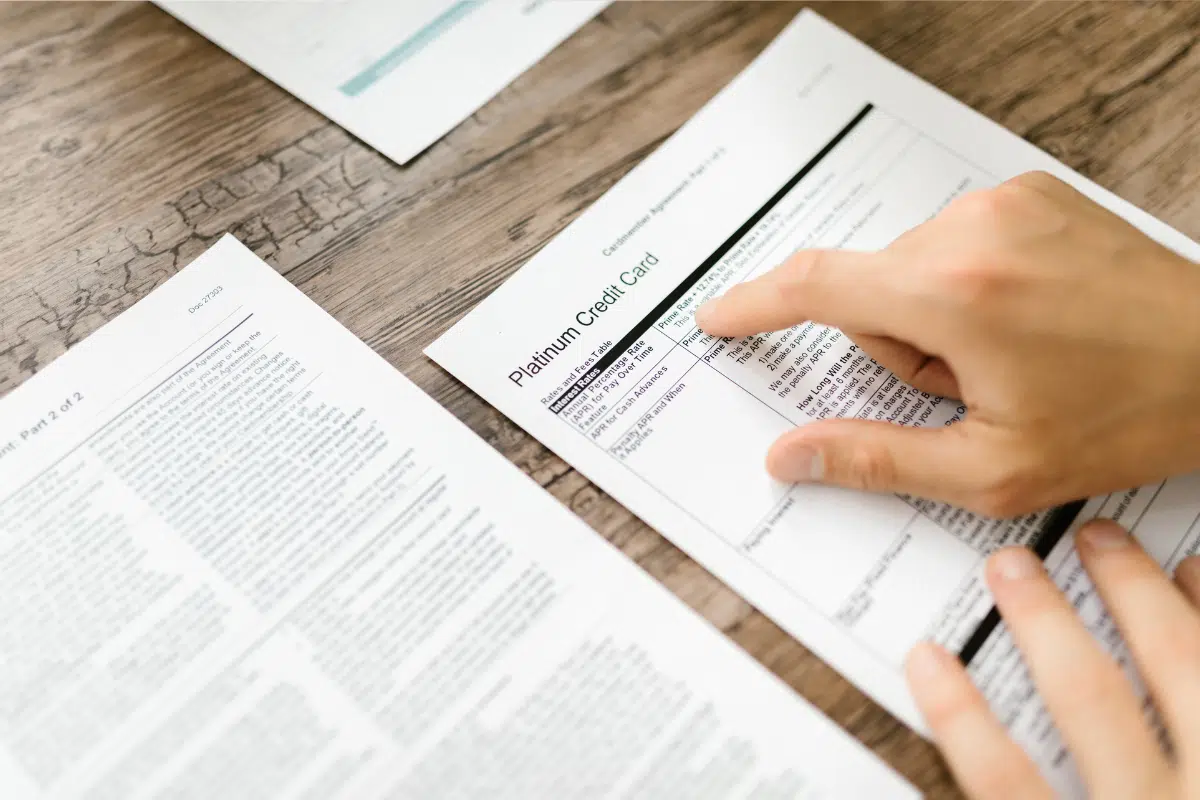
Bank fees are often easy to miss because they appear in small amounts throughout the year. Out-of-network ATM charges, monthly maintenance fees, overdraft fees, and other service charges can quietly erode your finances. Choosing a bank that offers fee-free options and planning cash withdrawals ahead of time can help eliminate many of these expenses. Keeping more of your money often starts with avoiding unnecessary fees.
Extended Warranties

Retailers frequently offer extended warranties on electronics, appliances, and other purchases. While some warranties provide value in specific situations, many products already include manufacturer protection or additional coverage through certain credit cards. Before purchasing extra protection, it helps to understand what coverage already exists. Skipping unnecessary warranties can save money without increasing risk in many cases.
Name-Brand Groceries

Store brands have improved significantly in recent years and often provide comparable quality at a lower price. In many cases, generic products contain similar ingredients and meet the same standards as their name-brand counterparts. Swapping even a few commonly purchased items can noticeably reduce grocery spending over time. Comparing labels instead of relying solely on brand recognition can lead to meaningful savings.
Food Delivery Apps

Food delivery apps offer convenience, but convenience comes at a cost. Delivery fees, service charges, menu markups, and tips can make a relatively inexpensive meal much more expensive than expected. While delivery can be helpful on busy days, relying on it frequently can strain a budget. Preparing simple meals at home or picking up orders yourself can help keep food spending under control.
Impulse Online Shopping

Online shopping has never been easier, thanks to personalized recommendations, flash sales, and one-click checkout options. Small impulse purchases often feel justified individually, but they can accumulate quickly over the course of a month. Creating a 24-hour waiting period before making nonessential purchases can help reduce unnecessary spending. Many shoppers discover that the urge to buy fades once they give themselves time to think about it.
Energy Waste at Home

Household energy costs can rise when lights, electronics, and appliances are used inefficiently. Devices left plugged in, excessive heating or cooling, and outdated bulbs can all contribute to higher utility bills. Small adjustments, such as using smart power strips, adjusting thermostat settings, and switching to energy-efficient lighting, can make a noticeable difference. Reducing waste doesn’t require major sacrifices and often pays off month after month.
This post may contain affiliate links or sponsored content. Disclosure Policy