10 Red Flags You’re Not Drinking Enough Water
You may think you’re drinking “enough” water — but mild dehydration can sneak up on you. Even being slightly low on fluids can affect your energy, focus, digestion, and even how your skin looks. If you’ve been feeling off lately, your water intake might be the missing piece. Here are 10 red flags your body could be sending.
Your Urine is Dark
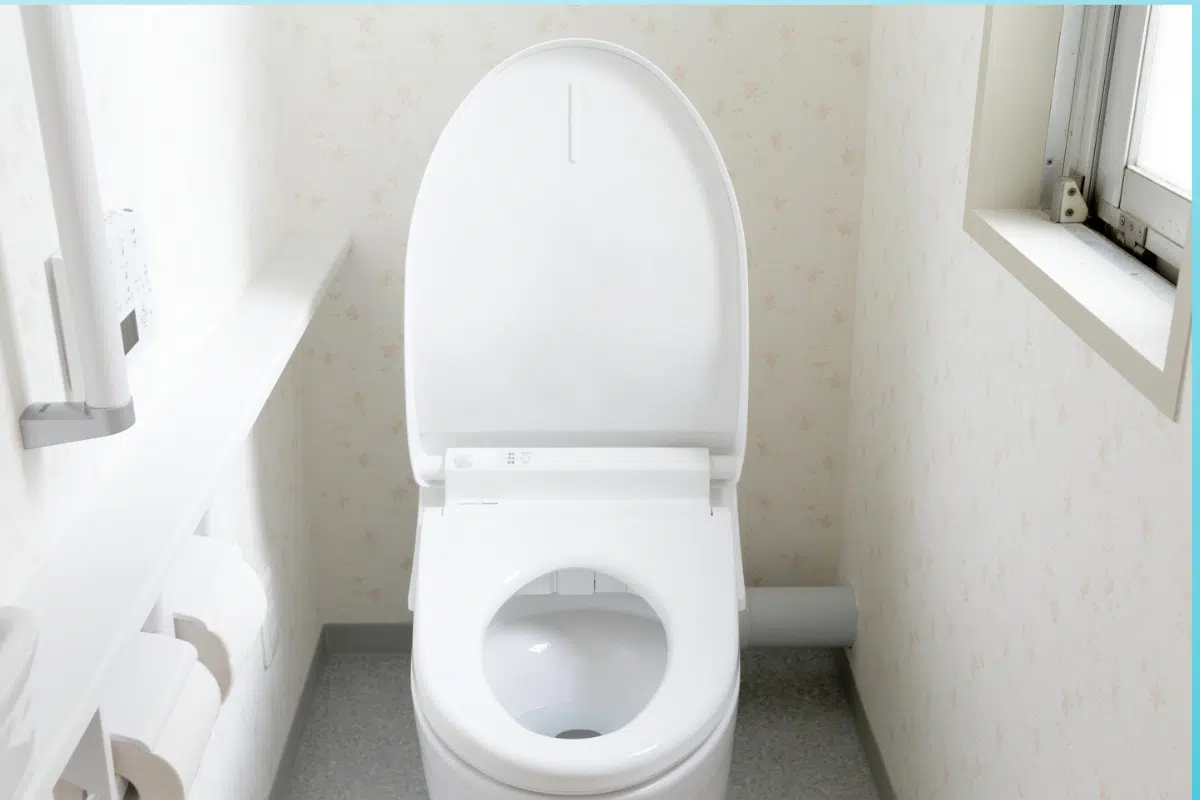
Urine color is one of the easiest hydration indicators. Pale straw-colored urine usually means you’re well hydrated, while dark yellow or amber suggests you need more fluids. Strong odor can also signal concentration due to dehydration. If you’re not seeing light yellow regularly, drink up.
Your Skin Looks Dull
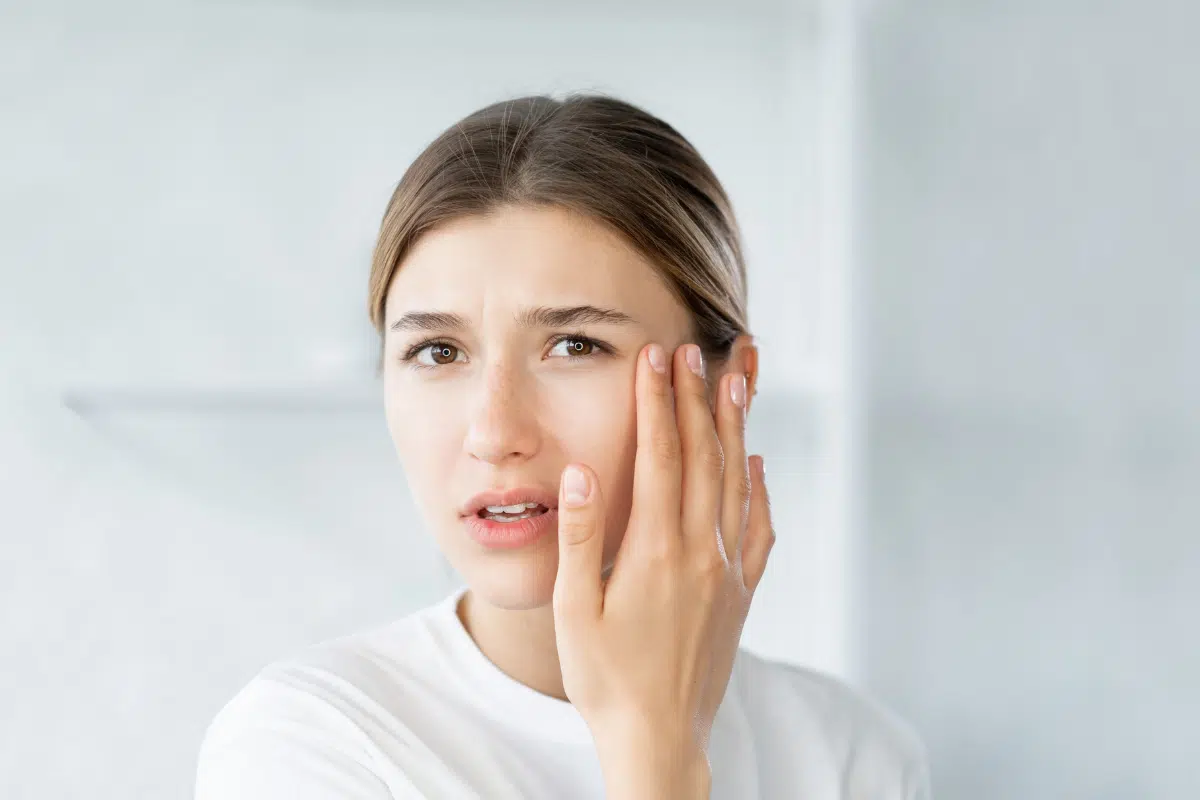
Hydrated skin tends to look plump and healthy. When you’re low on fluids, your skin may appear dry, tight, or less vibrant. While moisturizers help externally, internal hydration plays a major role in overall skin appearance.
Frequent Headaches

One of the earliest signs of dehydration is a headache. When fluid levels drop, the brain can temporarily contract slightly, triggering pain receptors. If you notice headaches that improve after drinking water, dehydration may be the culprit. It’s a simple fix many people overlook.
Feeling Tired or Sluggish

Feeling sluggish even after a full night’s sleep? Dehydration reduces blood volume, which means your heart has to work harder to circulate oxygen and nutrients. That extra strain can leave you feeling drained and foggy. If your energy dips for no clear reason, try water before reaching for caffeine.
Your Mouth and Lips Feel Dry
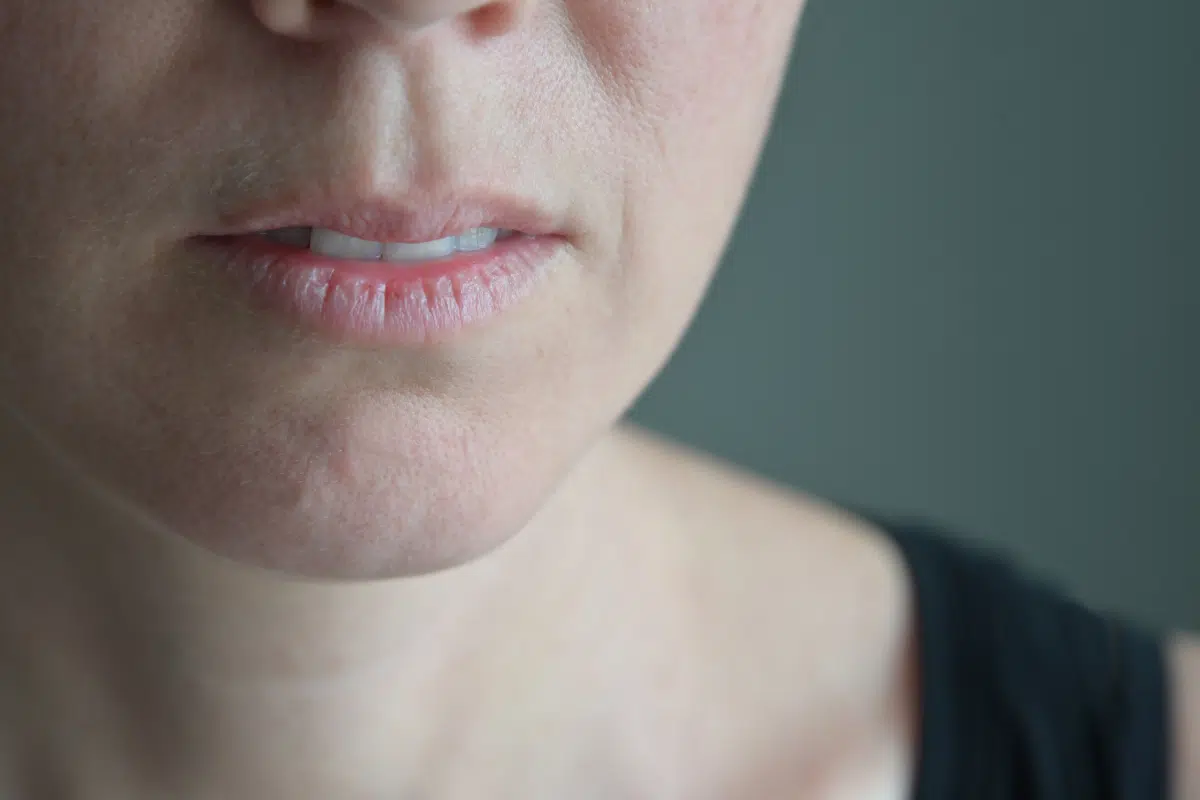
Dry lips and a sticky, dry mouth are classic warning signs. Saliva production decreases when you’re low on fluids, which can also lead to bad breath. If you constantly feel the need for lip balm or water during conversations, your hydration levels may be low.
You Feel Dizzy or Lightheaded

Standing up quickly and feeling woozy? Dehydration can lower blood pressure and reduce blood flow to the brain. This can cause dizziness, especially after sitting or lying down. Increasing fluid intake often helps stabilize these symptoms.
Your Constipation

Your digestive system relies on adequate fluids to keep things moving. When you’re dehydrated, the body pulls water from stool, making it harder and more difficult to pass. If constipation is a recurring issue, low water intake could be contributing.
You’re Getting Muscle Cramps
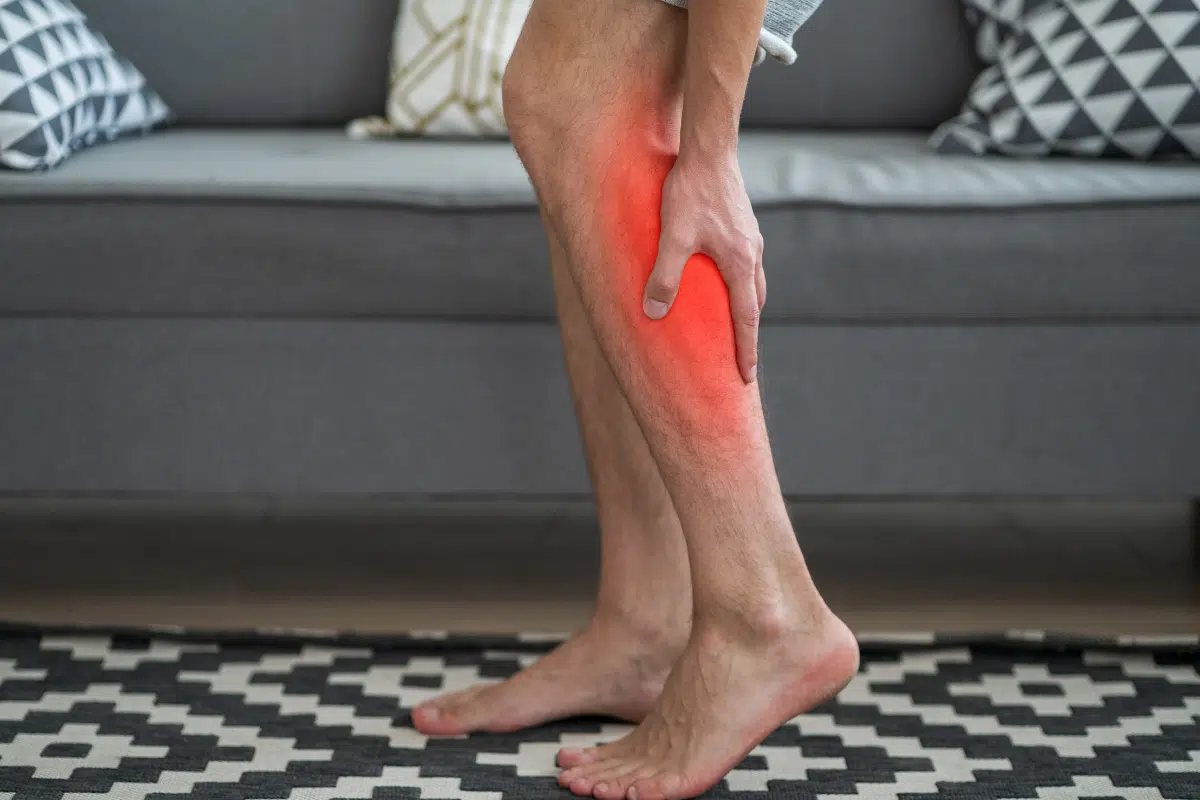
Muscles need proper fluid and electrolyte balance to function smoothly. Dehydration can increase the risk of cramping, especially during exercise or hot weather. If cramps happen frequently, boosting hydration may reduce their occurrence.
You Rarely Feel Thirsty
It may sound surprising, but not feeling thirsty isn’t always a good sign. As we age, the thirst response can become less reliable. That means you could already be mildly dehydrated before your body signals thirst. Making hydration intentional — rather than reactive — can help prevent problems.
You Crave Salty Foods

Strong cravings for salty snacks can be your body’s way of signaling an electrolyte imbalance. When fluids drop, sodium levels can shift, triggering cravings. Drinking water may help balance things before you reach for another bag of chips.
This post may contain affiliate links or sponsored content. Disclosure Policy