10 Unusual Cleaning Tricks That Actually Work
Some cleaning tricks sound unusual at first, but they can be surprisingly useful when you understand why they work. From using baking soda to freshen a mattress to using rubbing alcohol on stubborn adhesive, many household staples can tackle everyday cleaning problems. These unconventional cleaning ideas are inexpensive, simple, and worth keeping in your cleaning toolkit.
Baking Soda on Mattresses
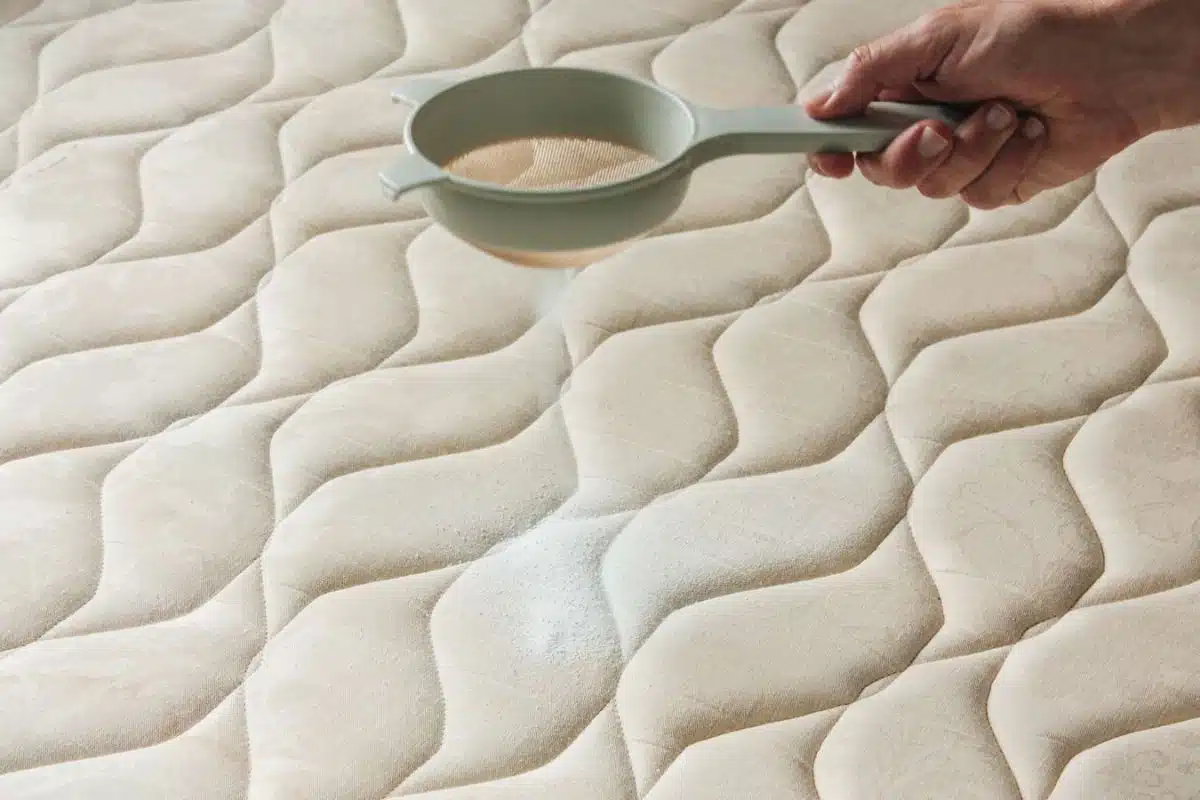
Over time, mattresses can pick up odors from sweat, body oils, and everyday use. Sprinkle a generous layer of baking soda over the surface and let it sit for at least 30 minutes—or several hours for a deeper refresh—before vacuuming thoroughly. While baking soda won’t replace professional mattress cleaning, it can help neutralize everyday odors between deeper cleanings.
Tip: Make sure the mattress is completely dry before putting sheets back on.
Dryer Sheets for Baseboards
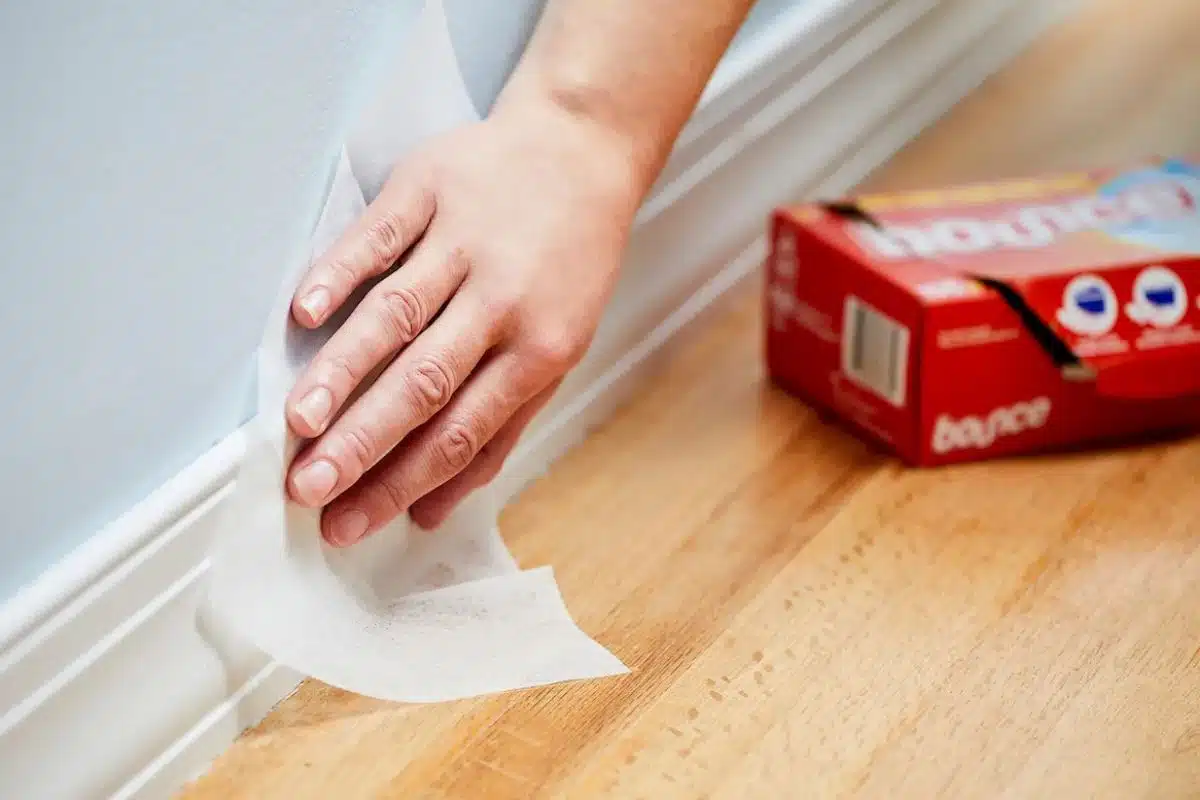
A used or new dryer sheet can be a handy tool for picking up light dust from baseboards. Simply run it along the surface to collect dust and hair in areas that are easy to overlook. The results won’t replace a thorough cleaning, but it can be a quick way to freshen dusty baseboards.
Easy method: Use a microfiber cloth for heavier buildup and save the dryer sheet for routine dusting.
Ketchup for Tarnished Copper
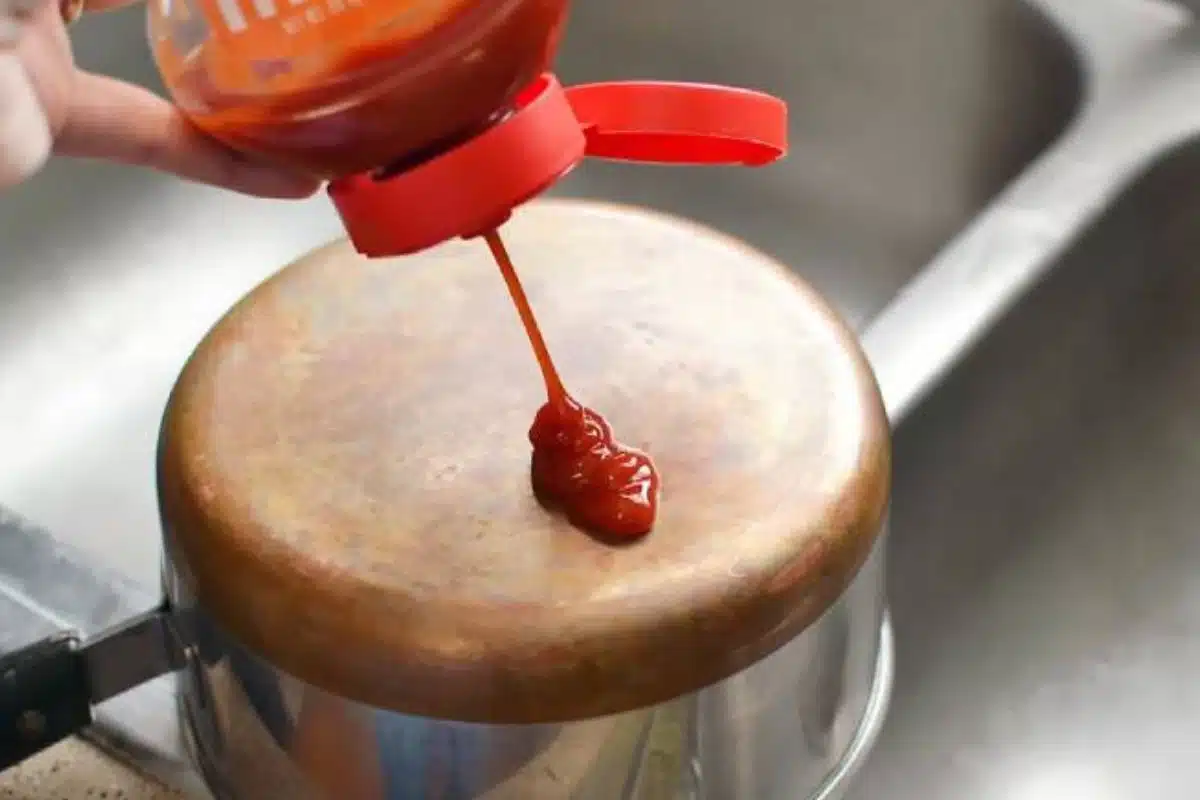
It may sound strange, but ketchup can help remove light tarnish from copper because its acidity can react with oxidation on the surface. Apply a small amount to the tarnished area, let it sit briefly, then rinse thoroughly and dry. For valuable or delicate copper pieces, test a small inconspicuous area first.
Remember: Always rinse acidic cleaners away completely to prevent prolonged exposure to the metal.
Vinegar to Clean Coffee Makers
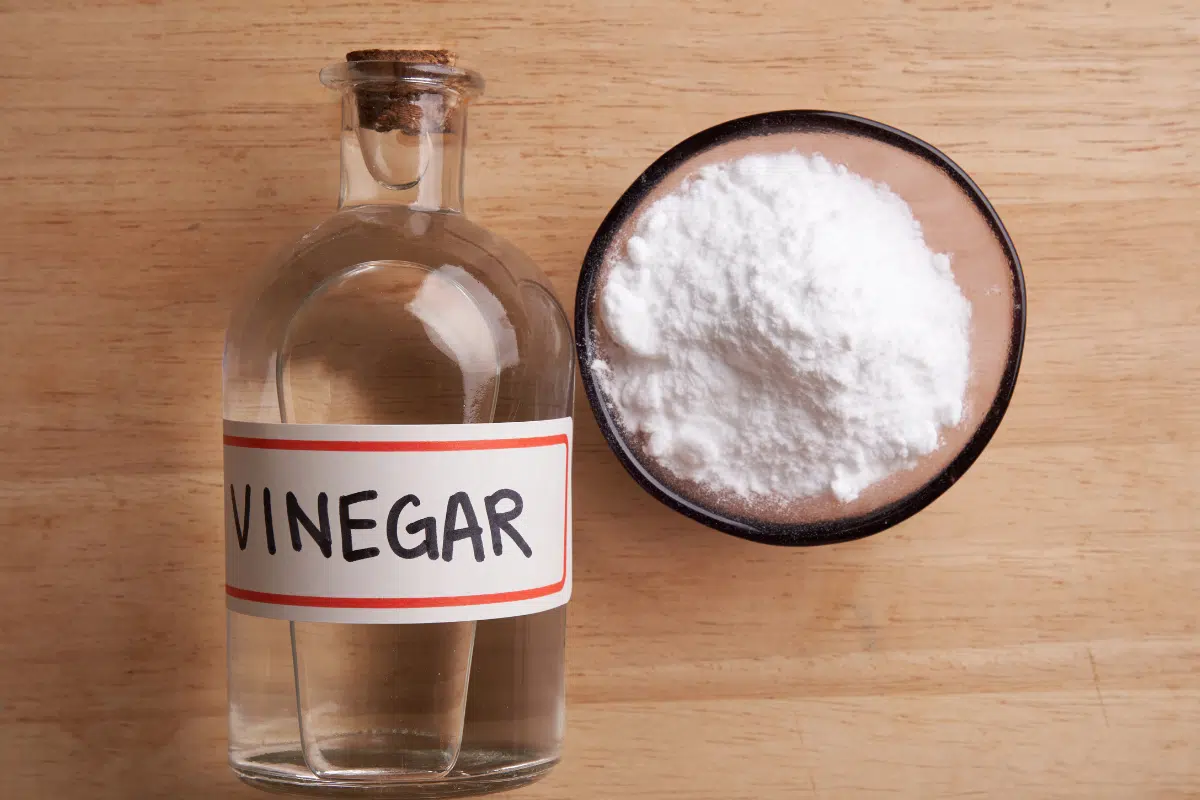
Mineral deposits can build up inside a coffee maker, particularly in areas with hard water. White vinegar can help dissolve these deposits in many traditional drip coffee makers, but always check the manufacturer’s cleaning instructions first, as some machines recommend a specific descaling solution instead.
Important: After descaling, run fresh water through the machine according to the manufacturer’s instructions until there is no vinegar smell or taste.
Toothpaste for Scuffed Walls
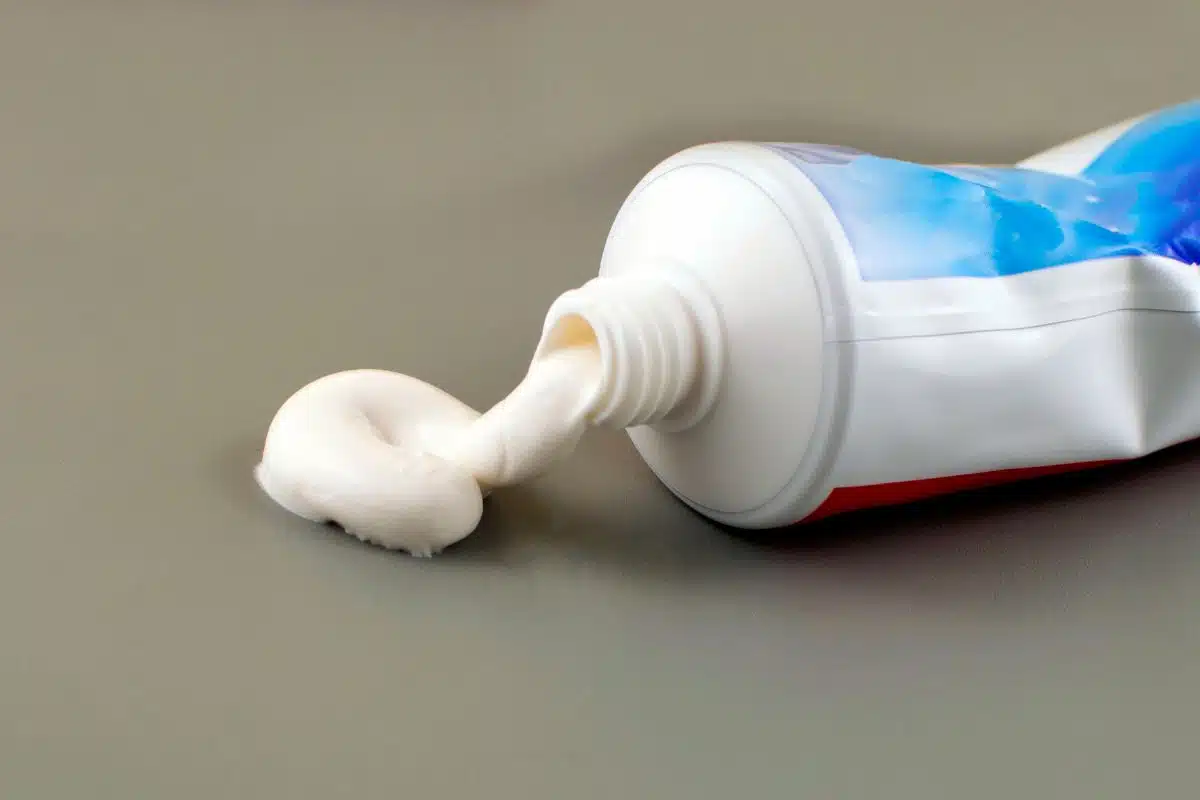
Non-gel white toothpaste contains mild abrasives that may help remove small scuff marks from some painted surfaces. Apply a tiny amount to a damp cloth and gently rub the mark rather than scrubbing aggressively. Always test an inconspicuous area first, since rubbing can dull or remove certain paint finishes.
Safer option: For delicate or flat paint, start with a barely damp microfiber cloth before trying anything more abrasive.
Lemon to Freshen Garbage Disposals

Lemon can make a garbage disposal smell fresher, but it shouldn’t be considered a substitute for cleaning the disposal itself. Small pieces of lemon peel can provide a temporary citrus scent when run through the disposal with cold water. Avoid putting large amounts of peel or fibrous material down the drain, as they can contribute to clogs.
Better habit: Clean the rubber splash guard and disposal opening regularly to address odor at its source.
Shaving Cream on Mirrors
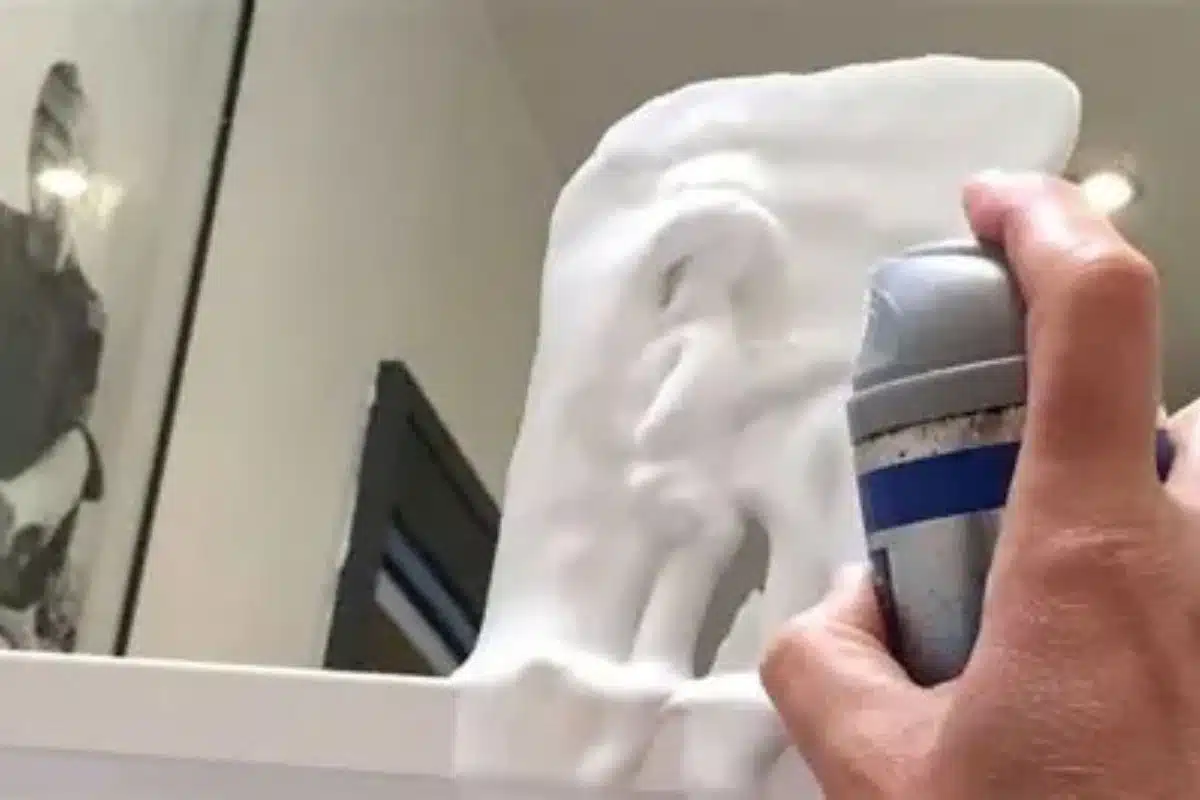
A small amount of shaving cream can help clean a mirror while leaving behind a temporary film that may reduce fogging. Apply a thin layer to the glass, spread it evenly, and buff it completely with a clean, dry microfiber cloth. The key is using a very small amount so you don’t leave a cloudy residue behind.
Tip: Keep shaving cream away from the mirror’s edges and frame, especially if the frame is made from a moisture-sensitive material.
Rice to Clean Narrow Containers
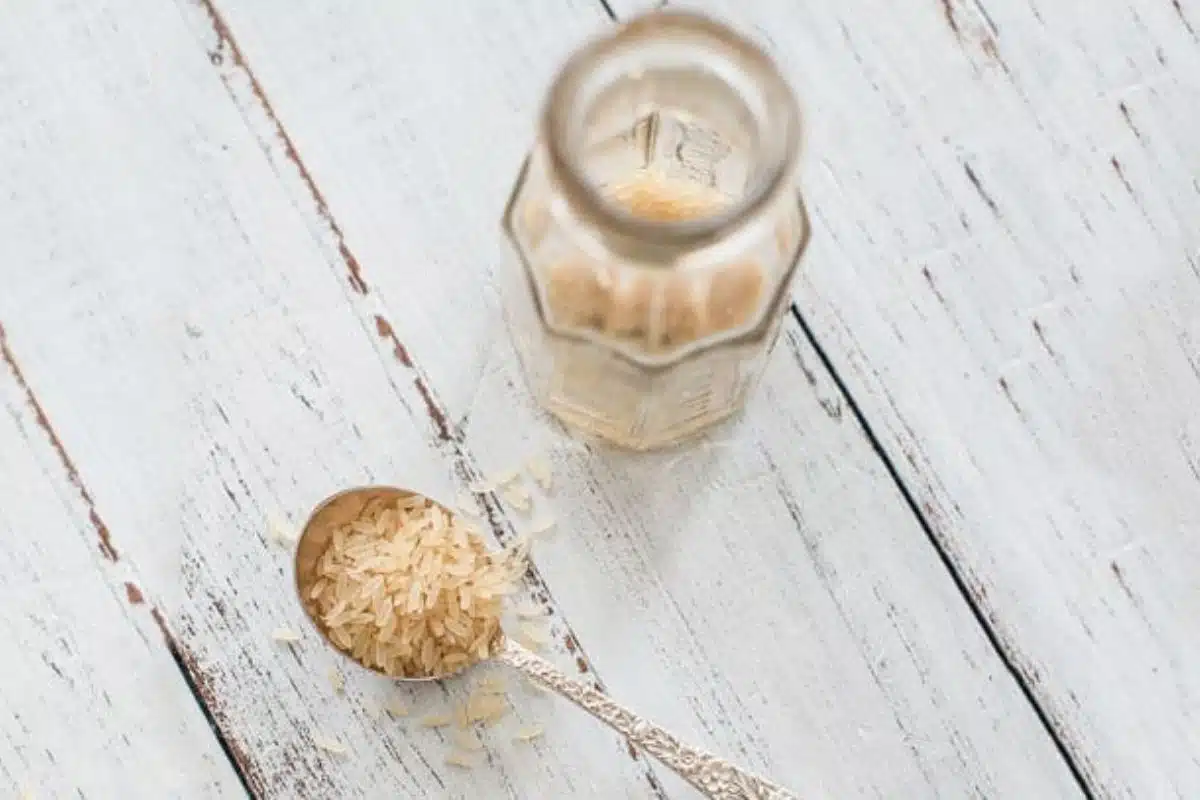
Cleaning the bottom of a narrow bottle or vase can be difficult when a sponge or brush won’t fit. Uncooked rice can provide gentle scrubbing action when combined with warm water and a small amount of dish soap. Swirl or shake the mixture carefully to loosen residue, then rinse the container thoroughly.
Works best for: Glass bottles, vases, and other sturdy containers that can handle gentle agitation.
Rubbing Alcohol for Sticky Residue
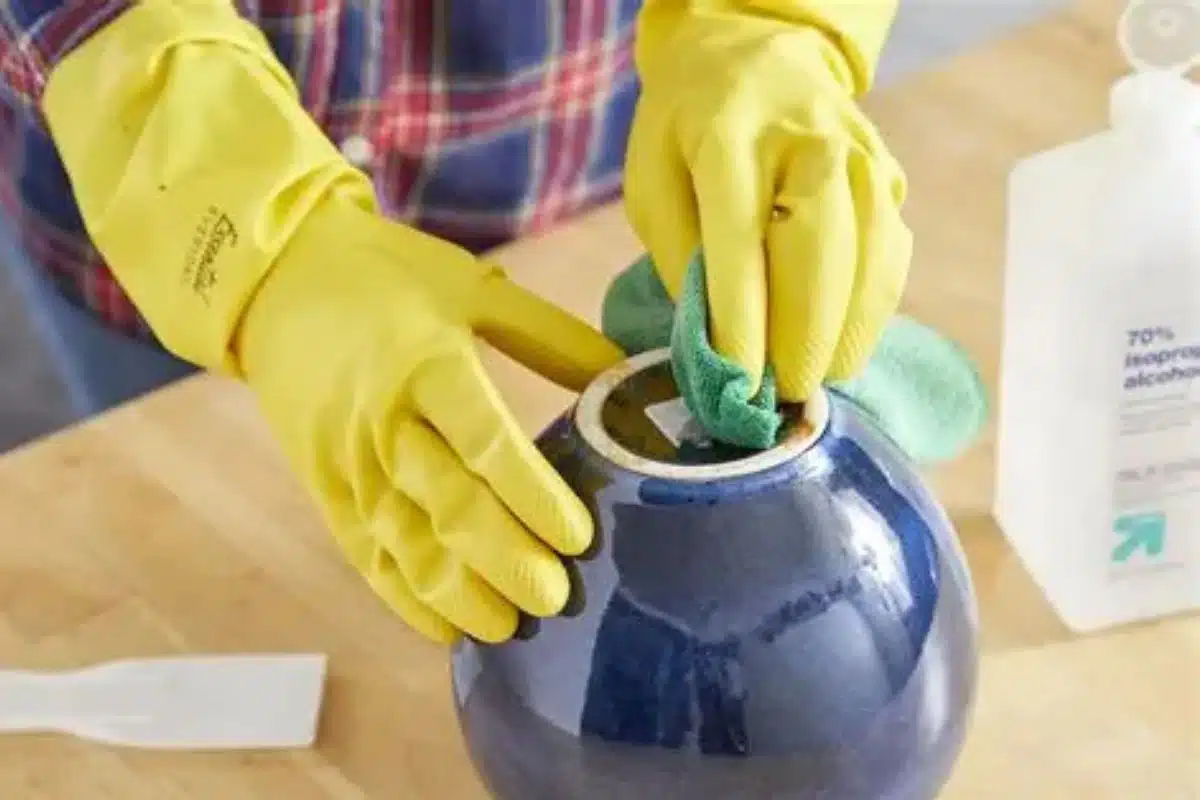
Rubbing alcohol can make quick work of adhesive left behind by labels, stickers, and tape. Apply a small amount to a cloth and gently work on the residue until it loosens, then wipe the surface clean. Because alcohol can damage some finishes, plastics, painted surfaces, and varnishes, test an inconspicuous spot first.
Cleaning tip: Give the alcohol a little time to soften stubborn adhesive rather than scrubbing aggressively.
Chalk to Absorb Closet Odors
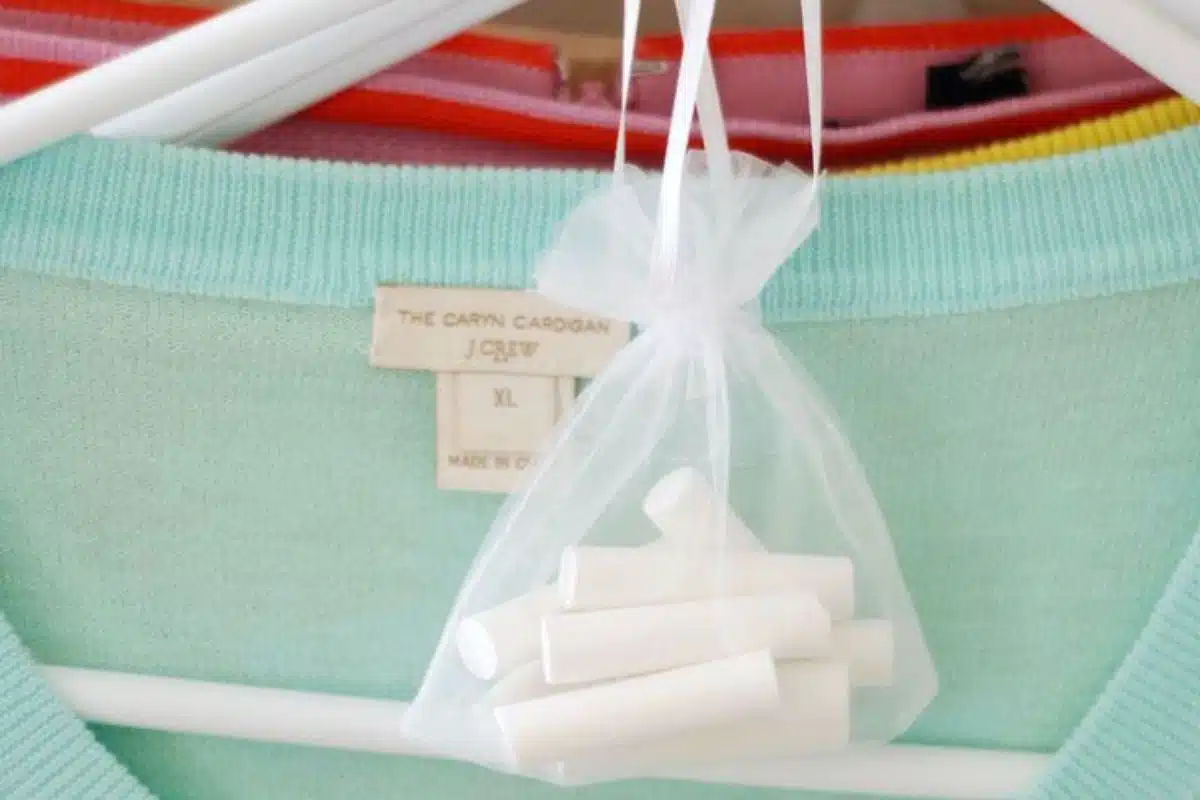
Chalk is naturally absorbent and can help with small amounts of moisture in enclosed spaces such as drawers and closets. Place a few pieces in a breathable container or small mesh bag where they won’t leave marks on clothing or surfaces. Replace the chalk when it becomes damp or saturated.
Good to know: Chalk is best for minor moisture; it won’t solve a closet or room with an underlying humidity or water problem.
This post may contain affiliate links or sponsored content. Disclosure Policy