10 Common Cleaning Habits That May Be Making Your Home Dirtier
A sparkling clean home feels amazing, but even the most diligent cleaners can slip into bad habits. From using the wrong products to overlooking key areas, these common cleaning mistakes may actually make your home dirtier—or cause damage over time. Here are 10 mistakes you’re probably making when cleaning your home, and how to fix them.
Using Too Much Cleaning Product
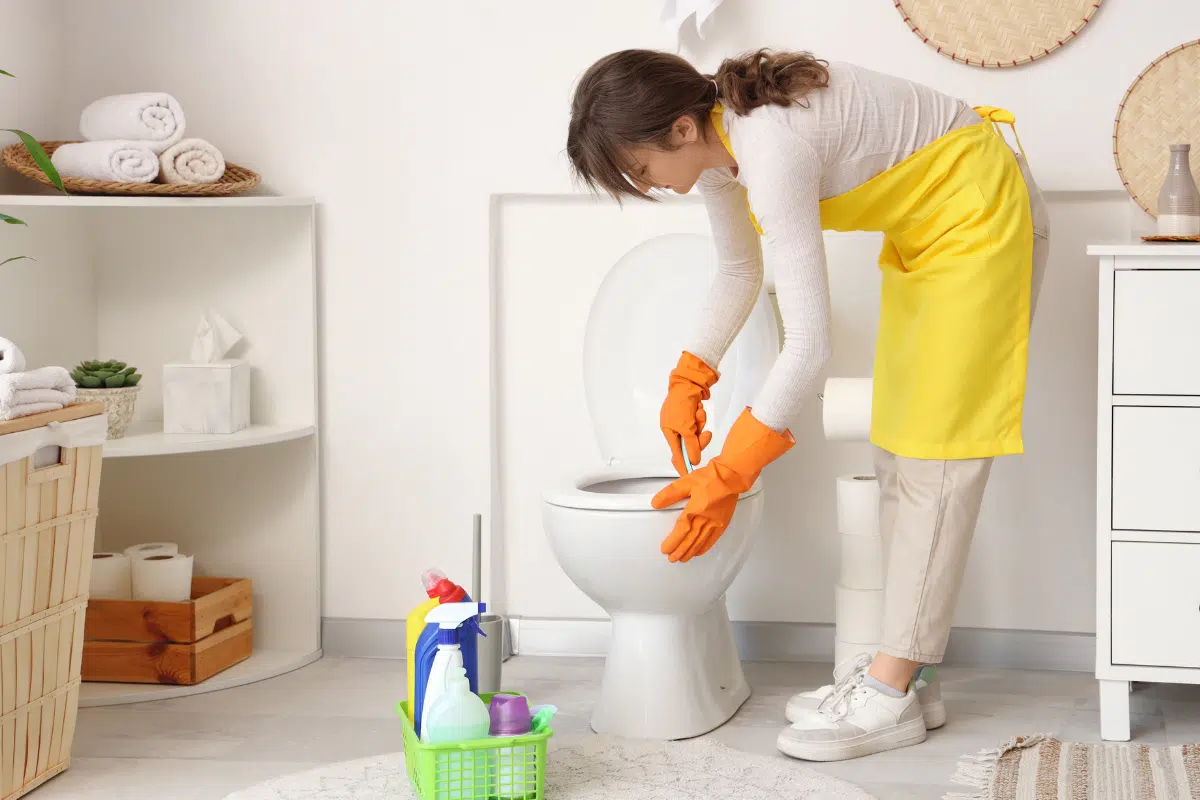
More isn’t better when it comes to cleaning. Overusing sprays, soaps, or detergents can leave behind a sticky residue that actually attracts more dirt instead of removing it. This buildup can also make surfaces feel cloudy or greasy even after cleaning. In some cases, it may even require extra rinsing or scrubbing to remove the excess product.
Forgetting to Clean Your Cleaning Tools
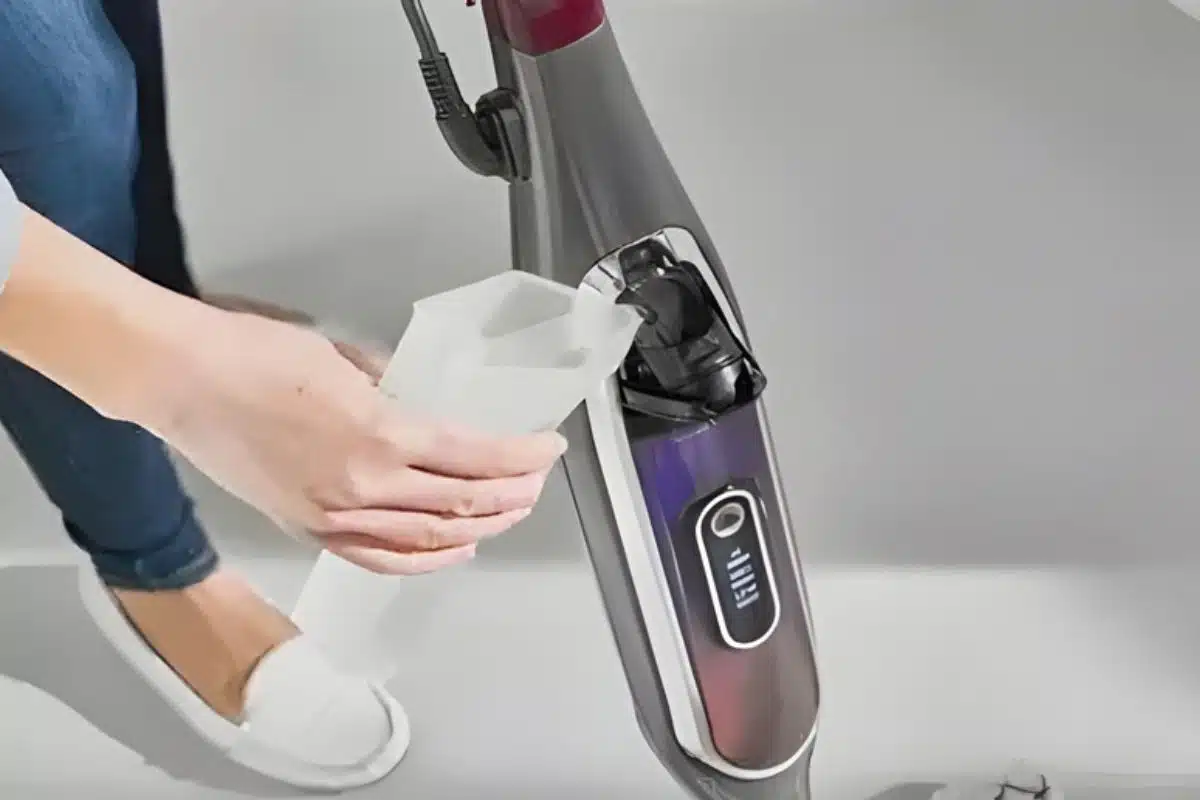
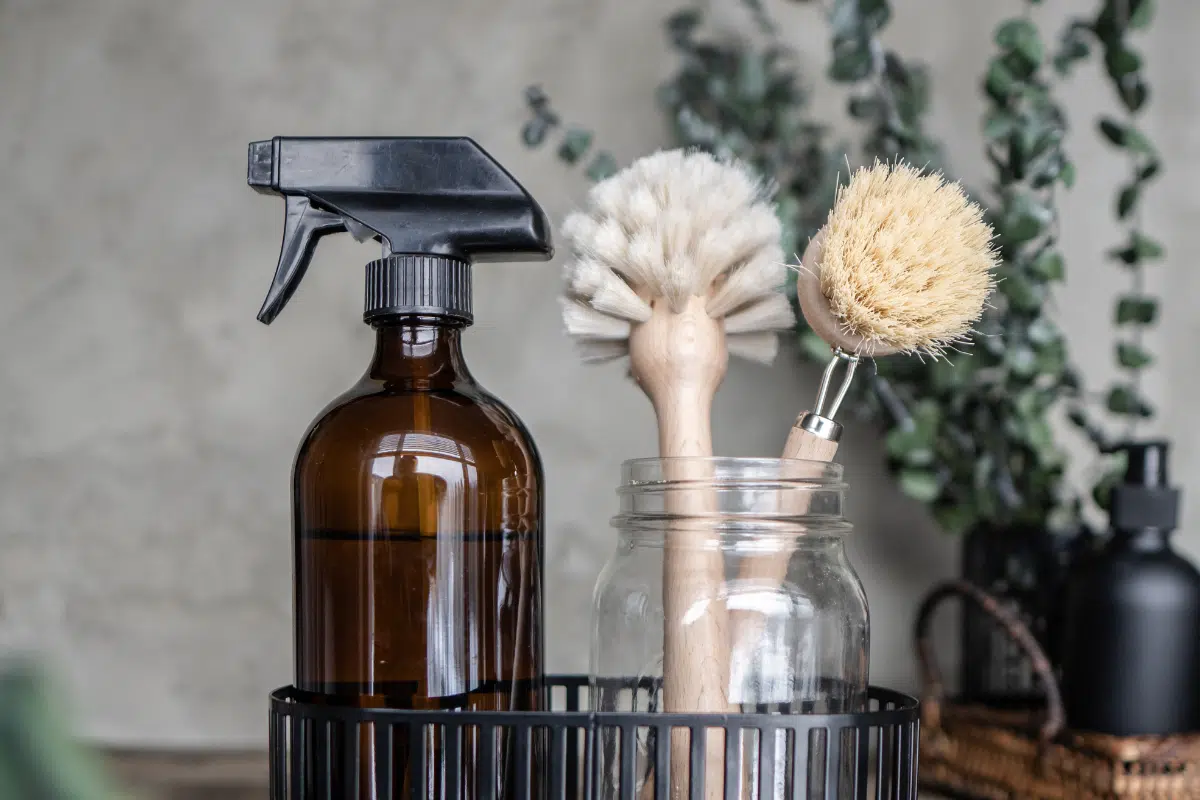
Sponges, mops, and vacuum filters collect grime quickly. If they aren’t cleaned or replaced regularly, you end up spreading bacteria instead of removing it. A dirty mop head can push germs from one room to another without you realizing it. Washing or replacing tools regularly keeps your cleaning routine effective instead of counterproductive.
Ignoring High-Touch Areas
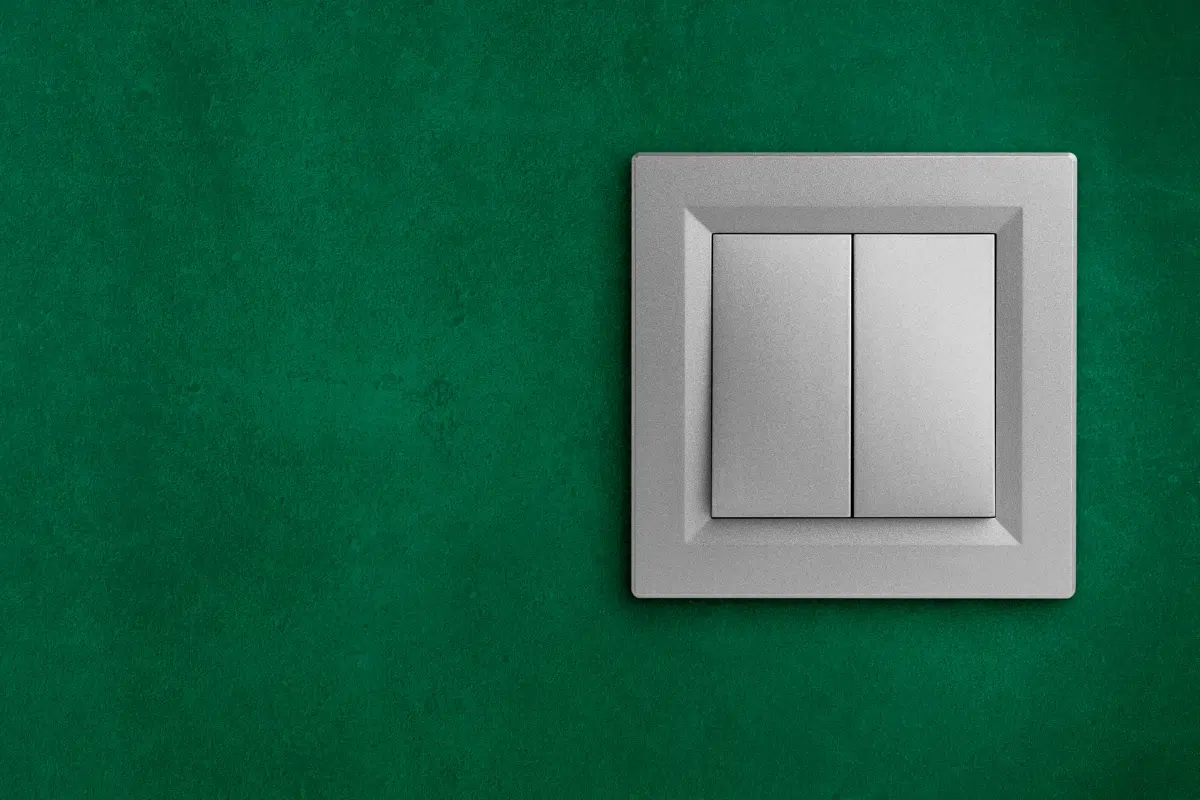
Doorknobs, light switches, remotes, and faucet handles are some of the germiest spots in the home—but they’re often skipped during routine cleaning. These areas are touched multiple times a day, making them hotspots for bacteria and viruses. Even if the rest of your home is spotless, neglecting these surfaces can quickly undo your efforts. A quick daily wipe can make a big difference.
Spraying Cleaner Directly on Surfaces
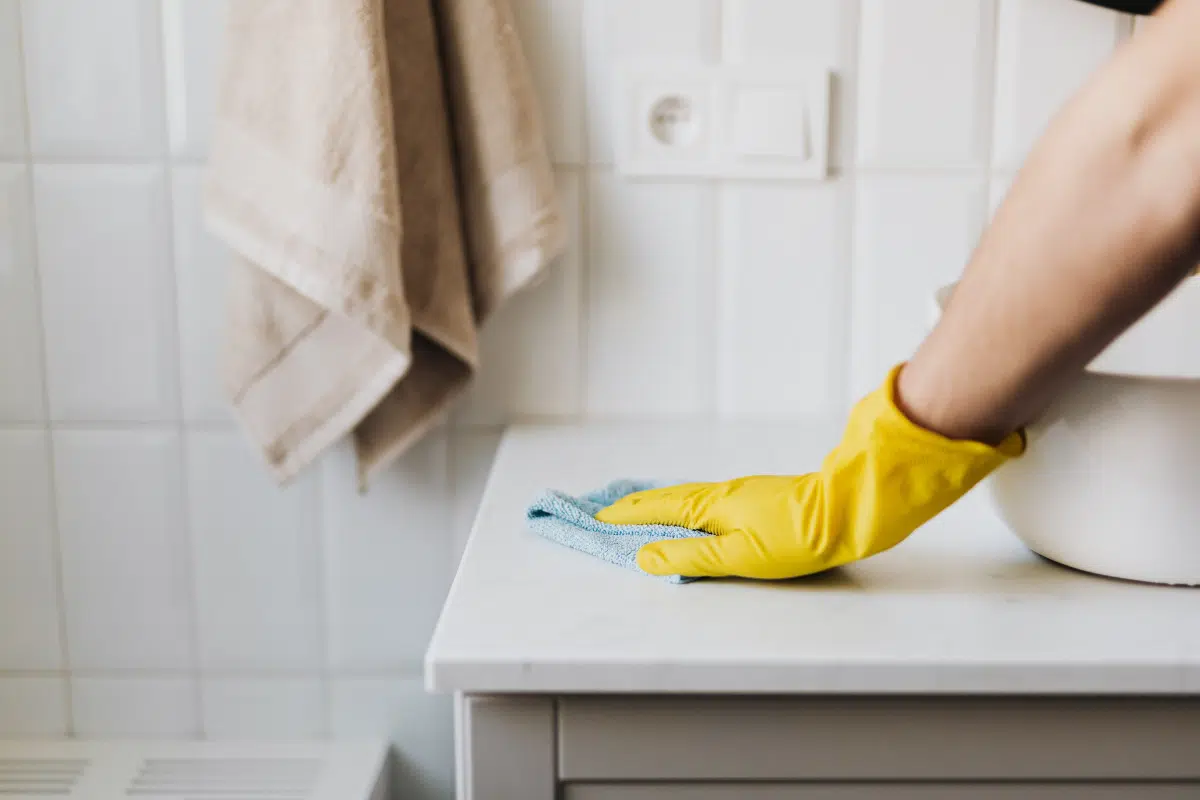
Spraying straight onto surfaces can lead to streaks, buildup, or even damage. Excess product often seeps into edges or cracks where it’s harder to wipe away. Instead, spraying onto a cloth gives you more control and helps distribute the cleaner evenly. This method also prevents oversaturation, especially on wood or electronics.
Not Letting Disinfectants Sit Long Enough
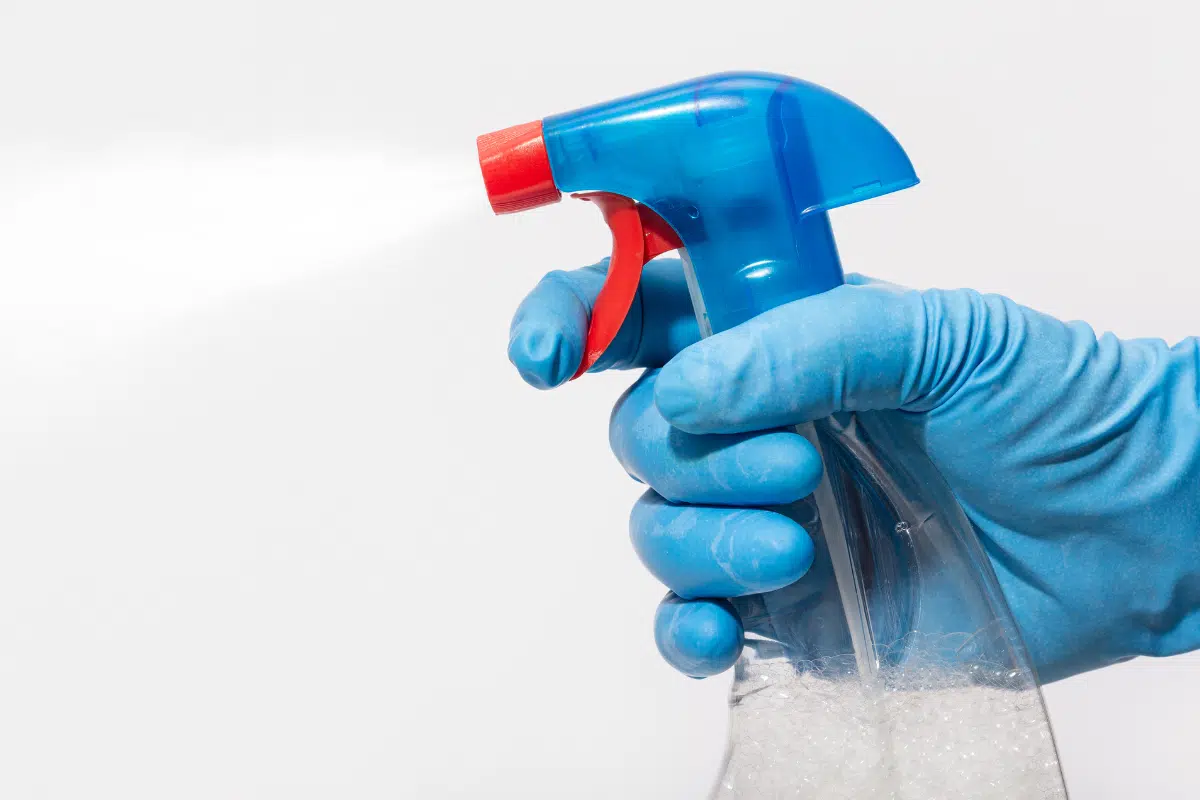
Disinfectants need time to work—usually a few minutes. Wiping them away too quickly prevents them from properly killing germs and bacteria. Many people assume instant wiping is enough, but contact time is what actually does the sanitizing. Always check the label for recommended dwell time for best results.
Mixing the Wrong Products

Combining products like bleach and ammonia can create dangerous fumes. These chemical reactions can be harmful or even toxic when inhaled. Even seemingly harmless mixtures can reduce effectiveness or damage surfaces. It’s safest to stick to one product at a time and follow instructions carefully.
Cleaning Windows in the Sun
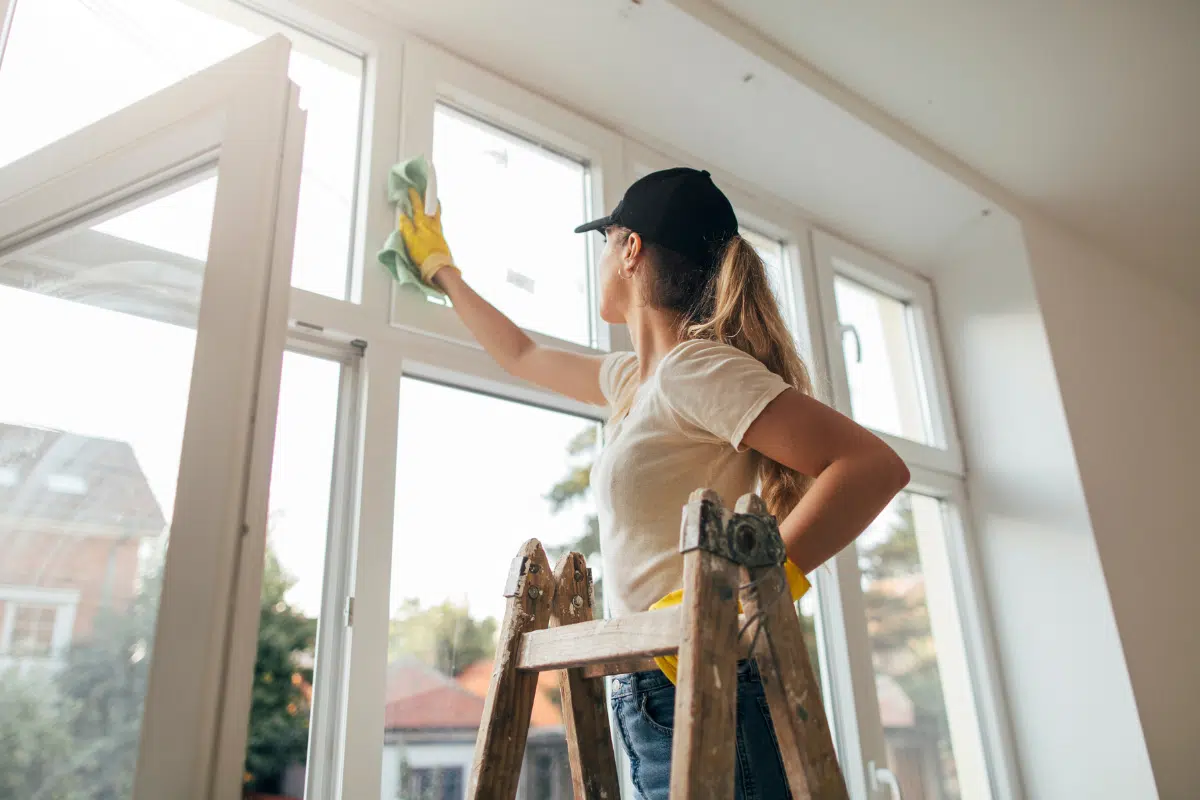
Sunlight causes cleaning solutions to dry too quickly, leaving streaks behind. This makes windows look worse even after you’ve put in the effort to clean them. The fast evaporation doesn’t give you enough time to properly wipe the glass. For best results, clean windows on a cloudy day or when they’re in the shade.
Using the Same Rag Everywhere
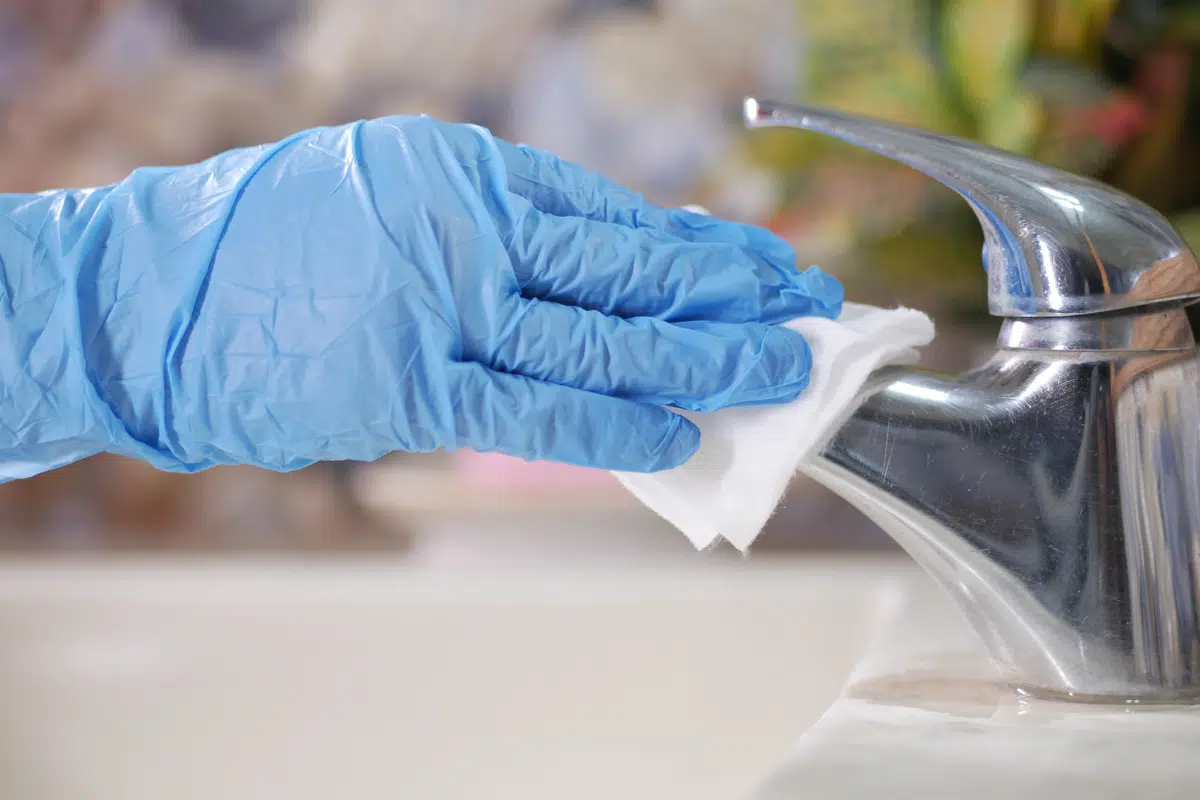
Reusing one cloth throughout the house spreads dirt and bacteria from room to room. What starts as a clean rag can quickly become contaminated after one use. This defeats the purpose of cleaning and can even spread odors. Using separate cloths—or color-coding them—helps keep each area truly clean.
Neglecting Hidden Spots
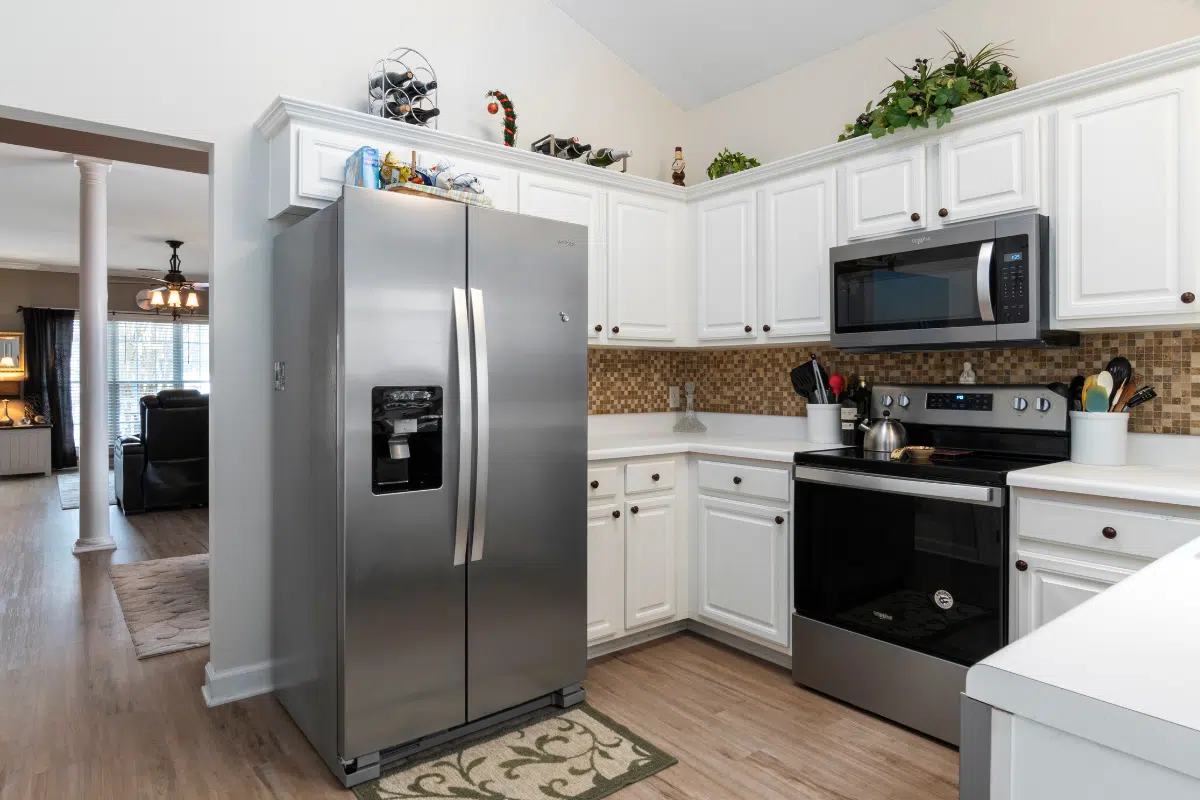
Dust and allergens build up under appliances, behind furniture, and on ceiling fans. These areas are often overlooked because they aren’t immediately visible. Over time, they can affect air quality and make your home feel less fresh. Regular deep cleaning helps prevent buildup and improves overall cleanliness.
Rushing Through the Job
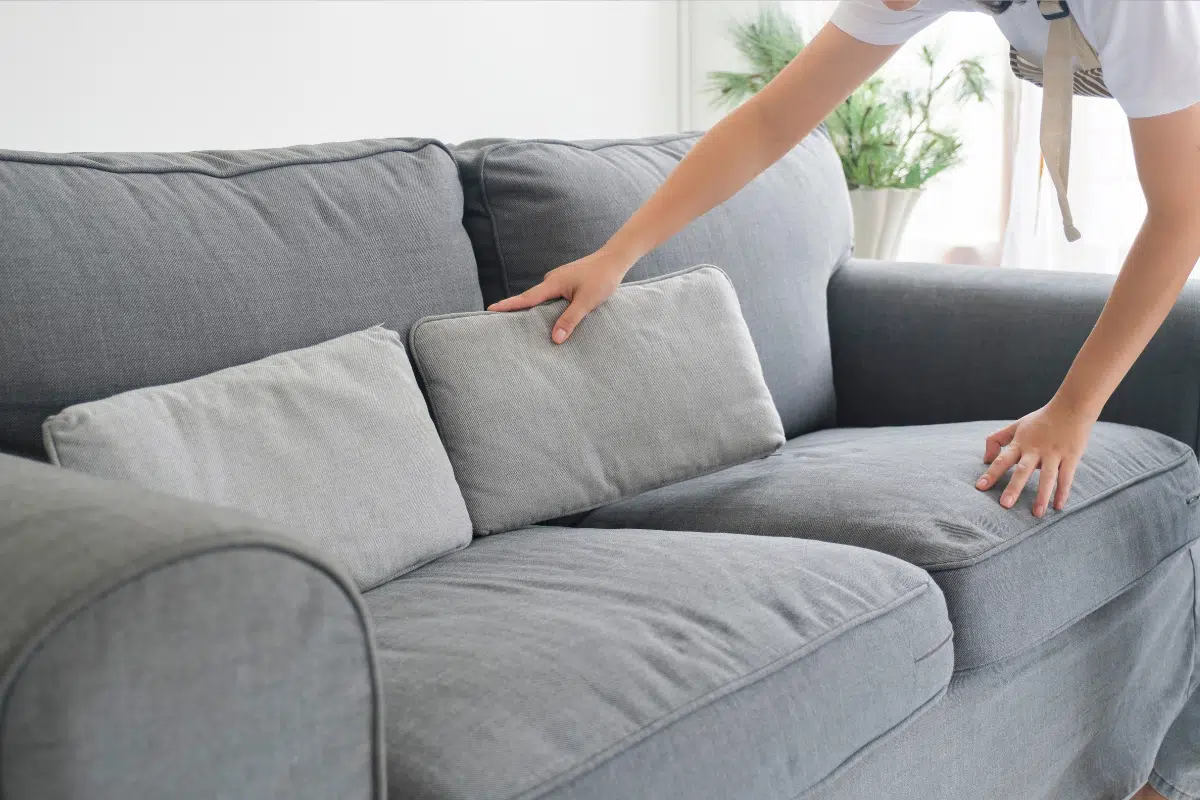
Quick cleanups may look fine on the surface, but they often miss hidden dirt and bacteria. When you rush, it’s easy to skip steps or not let products work properly. Taking a little extra time ensures a deeper, more effective clean. A slower approach often means fewer repeat cleanings later.
This post may contain affiliate links or sponsored content. Disclosure Policy