10 Meal Prep Ideas That Can Save You Money All Week
Meal prepping doesn’t have to mean spending an entire Sunday cooking identical meals for the week. A smarter approach is to prepare a few ingredients in advance, plan how you’ll use leftovers, and make it easier to turn what you already have into another meal. That can help reduce food waste, limit impulse purchases, and make takeout less tempting on busy nights. These simple meal-prep strategies can help your groceries go further without making your meals feel repetitive
Plan Meals Around Ingredients You’ll Reuse

Instead of planning seven completely different dinners, choose ingredients that can work across several meals. A roasted chicken, for example, can become dinner one night and then filling for wraps, salads, soup, or quesadillas. The same approach works with vegetables, cooked grains, beans, and sauces. Using ingredients more than once helps you get more meals from the groceries you already bought.
Buy Imperfect Produce When It’s a Good Deal
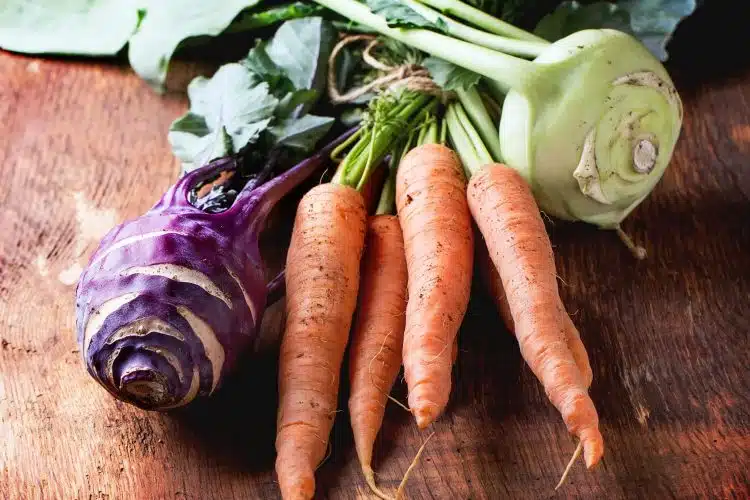
Oddly shaped or cosmetically imperfect produce can be just as useful as more uniform fruits and vegetables. Look for discounted produce that you can use quickly in soups, sauces, smoothies, casseroles, or roasted dishes. Just avoid buying bruised or damaged produce that is already showing signs of spoilage. Choosing cosmetically imperfect food can sometimes save money while also helping reduce unnecessary food waste.
Batch-Cook Affordable Staples
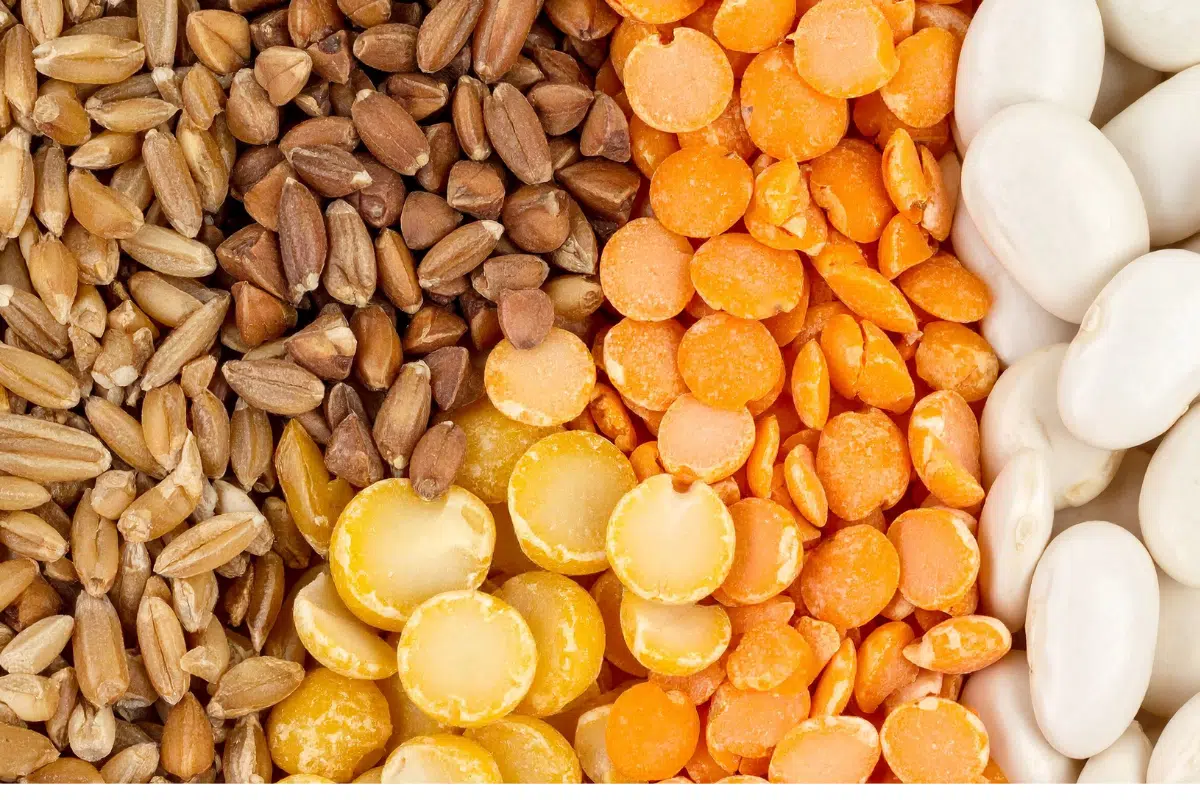
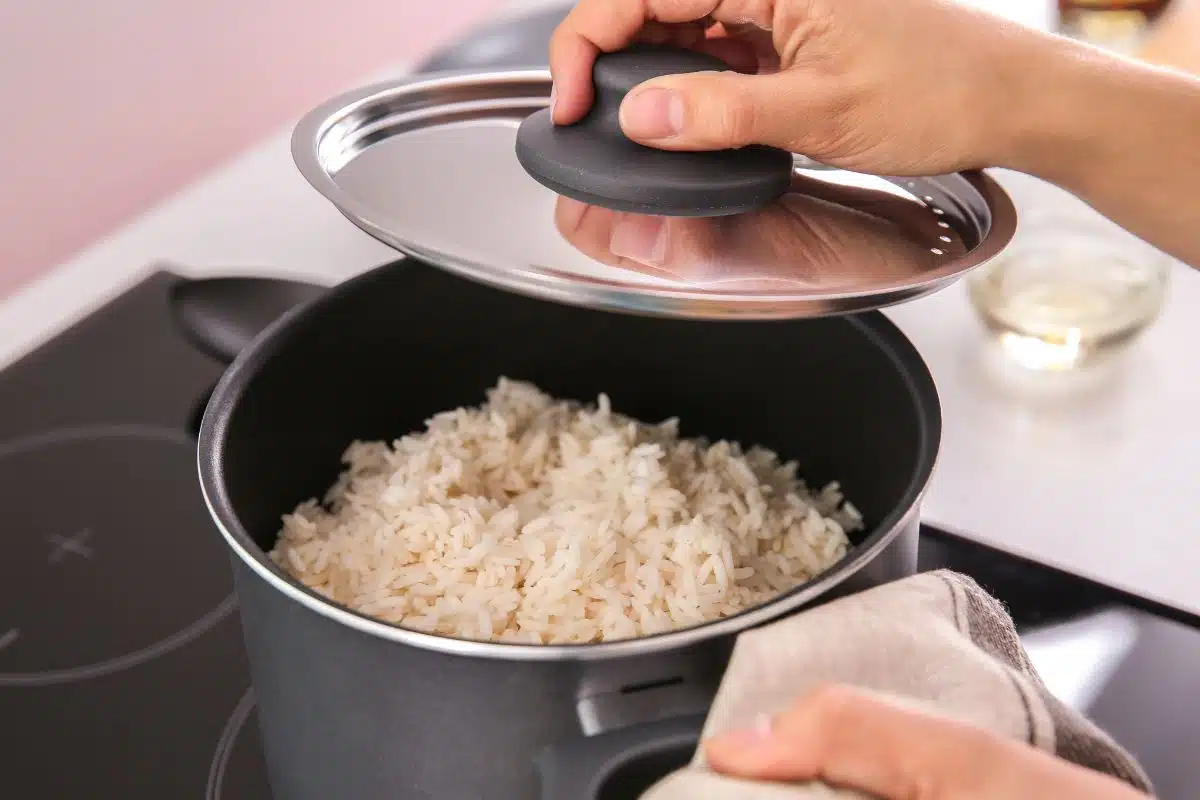
Cooking a large batch of rice, pasta, potatoes, beans, or another inexpensive staple can simplify several meals. Divide the cooked food into smaller portions and refrigerate or freeze what you won’t use promptly. You can then combine the same staple with different proteins, vegetables, sauces, or seasonings to keep meals from becoming repetitive. Batch cooking also makes it easier to turn inexpensive ingredients into complete meals throughout the week.
Freeze Food Before It Goes Bad
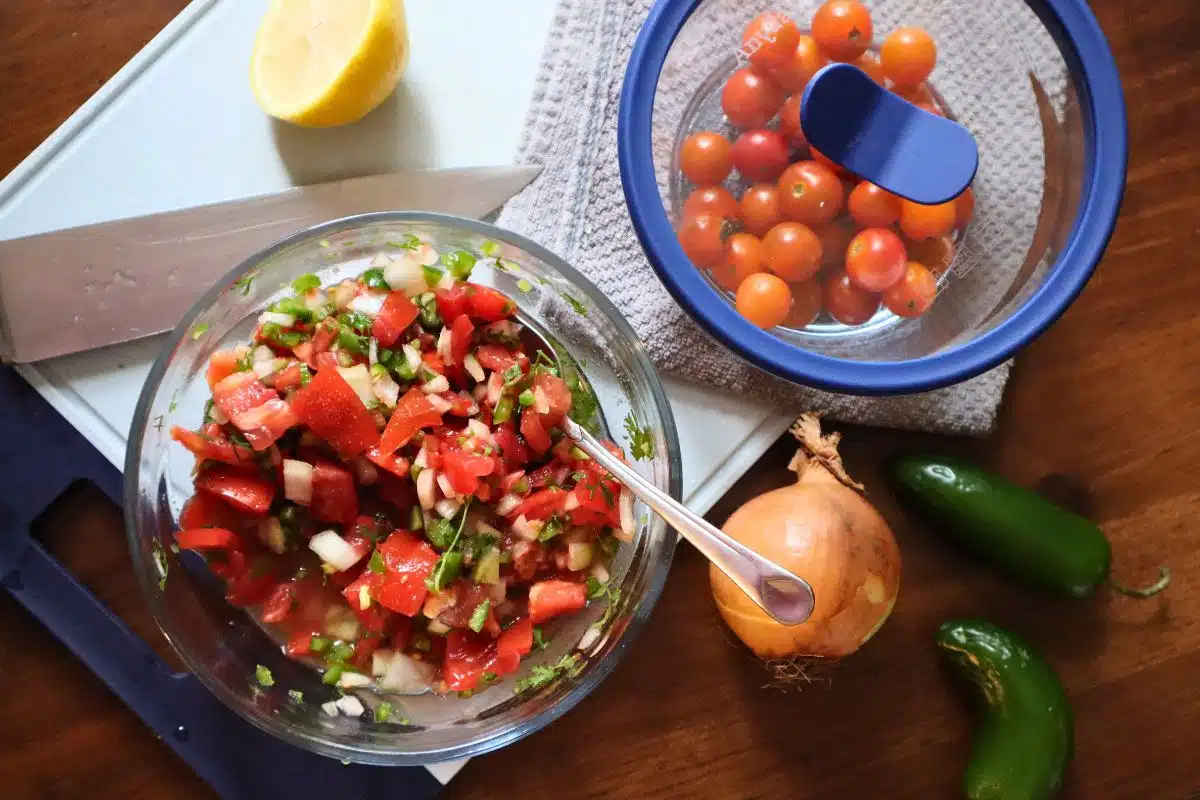
The freezer is one of the easiest ways to prevent groceries and leftovers from going to waste. Bread, cooked meat, certain cheeses, fruits, vegetables, and prepared meals can often be frozen when stored properly. The Anyday Everything Dish makes meal prep even easier because you can cook, freeze, and reheat food in the same microwave-safe dish. Divide food into portions, label it with the date, and freeze what you won’t use right away so it stays fresh and ready for another meal.
Prepare One Protein for Several Meals
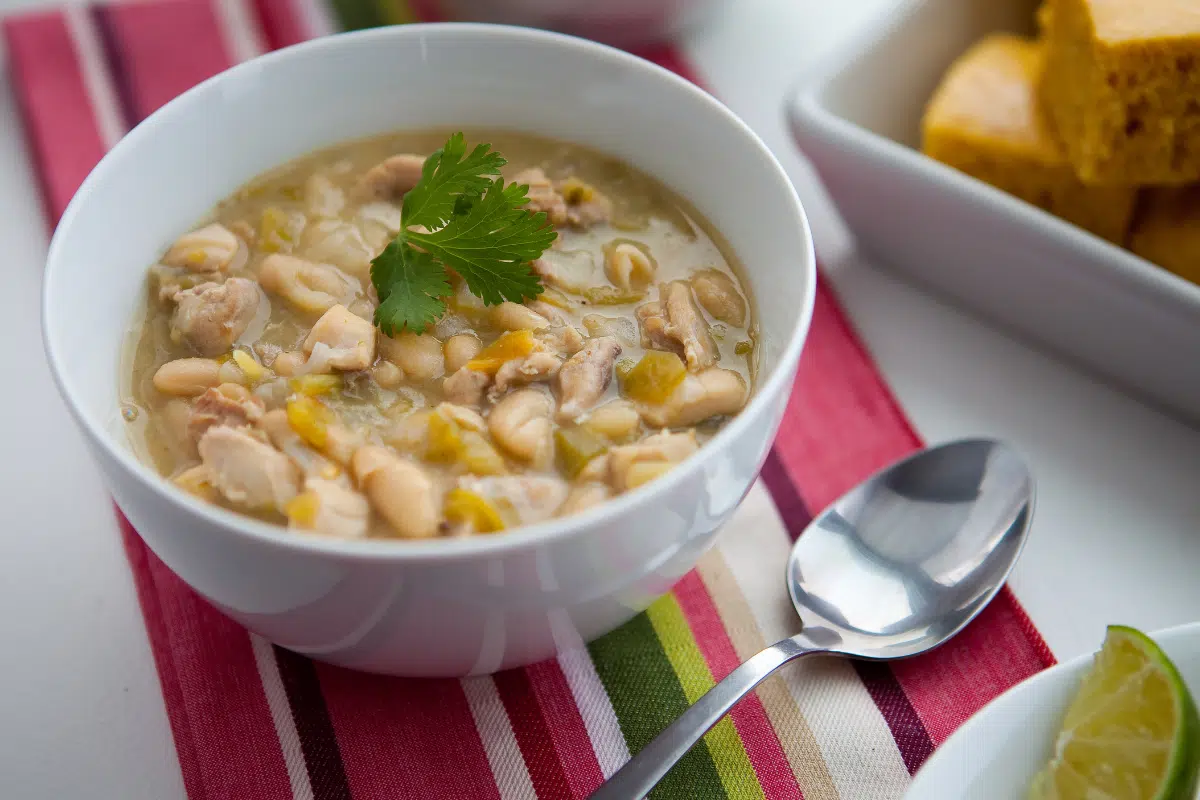
Cooking a larger batch of chicken, beef, turkey, beans, or another protein can save both time and money. Keep the seasoning relatively simple so the protein can work in several different meals. Add it to tacos one night, a salad the next, and a rice bowl or soup later in the week. This approach lets you buy one larger package while still giving your meals different flavors.
Turn Food Scraps Into Something Useful
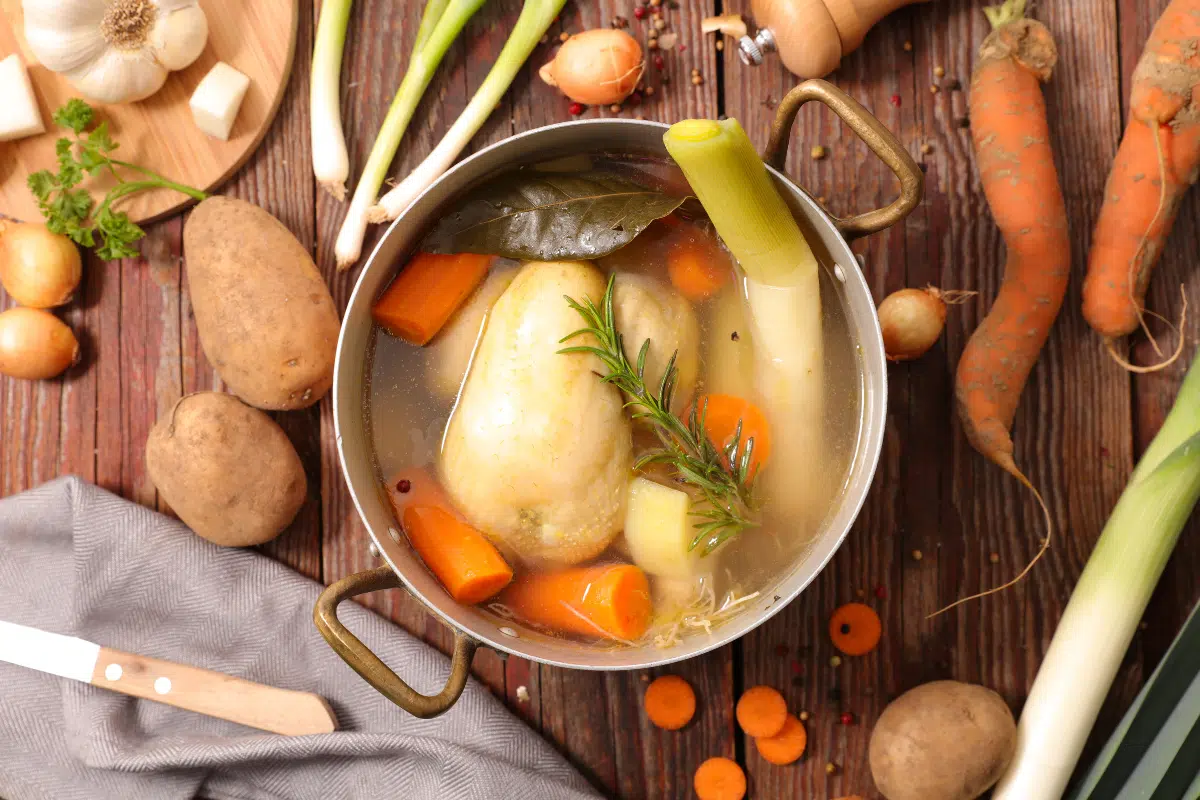
Some food scraps can become ingredients instead of going straight into the trash. Vegetable trimmings can be used for homemade stock, while stale bread can become breadcrumbs, croutons, or a casserole topping. Overripe fruit can often be added to smoothies, muffins, sauces, or other recipes. Before throwing something away, consider whether it can safely be repurposed into another meal.
Portion Snacks After You Shop
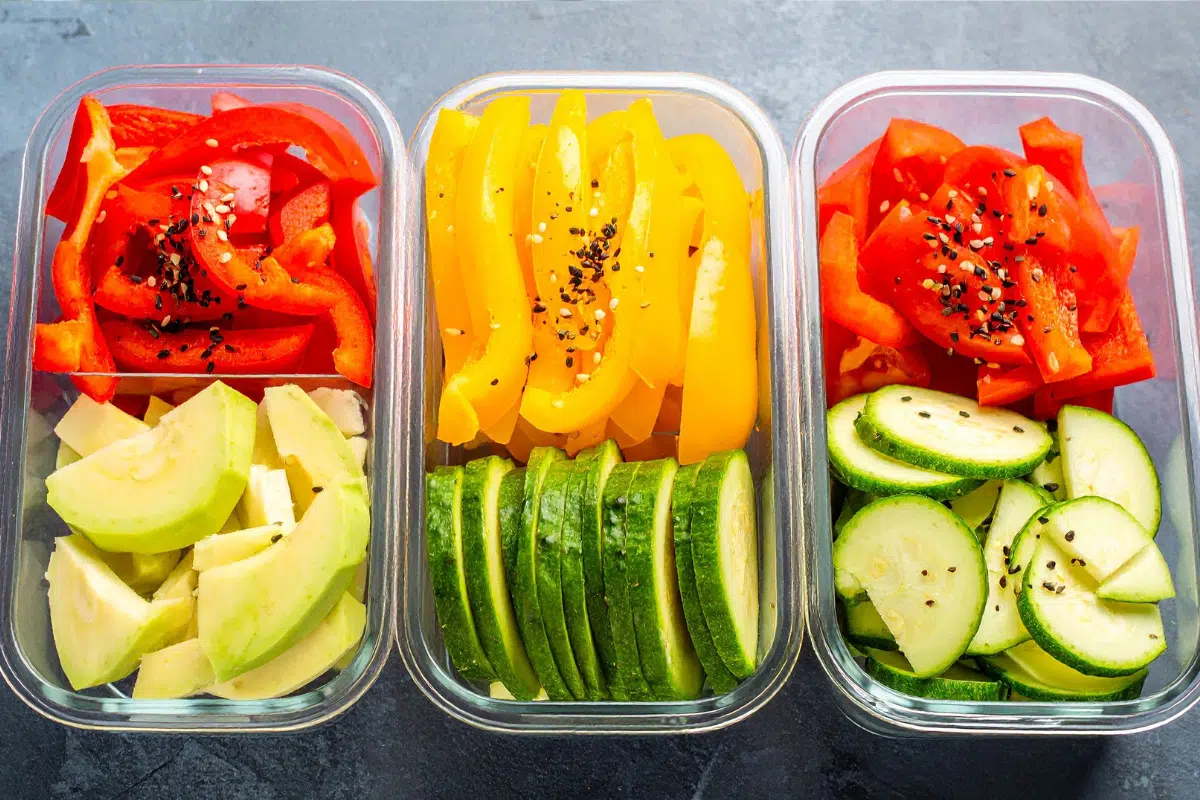
Dividing large packages of nuts, crackers, cheese, vegetables, or other snacks into smaller portions can make them easier to grab during busy days. It can also help you see how quickly you’re using a package rather than repeatedly opening it without a plan. Perishable snacks should be refrigerated promptly and stored in appropriate containers. Portioning what you already bought can be especially useful when larger packages offer a lower unit price.
Prep Salad Ingredients Instead of Entire Salads
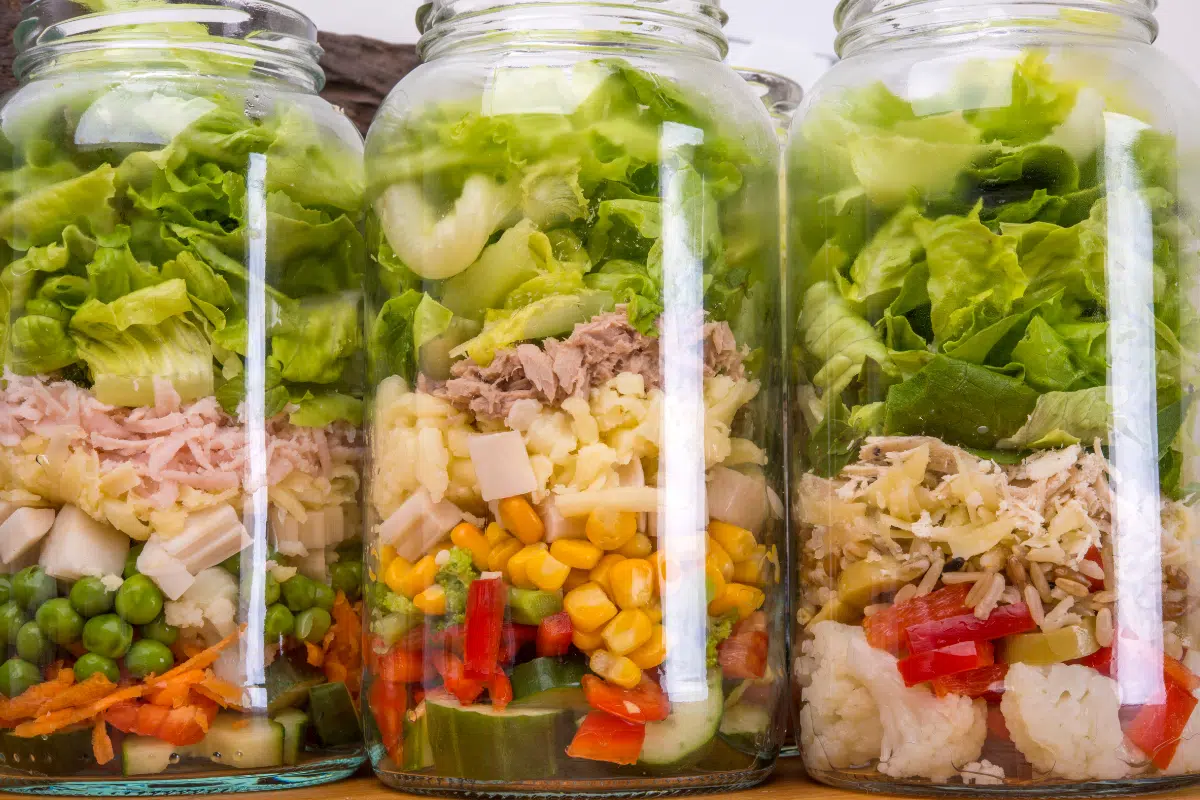
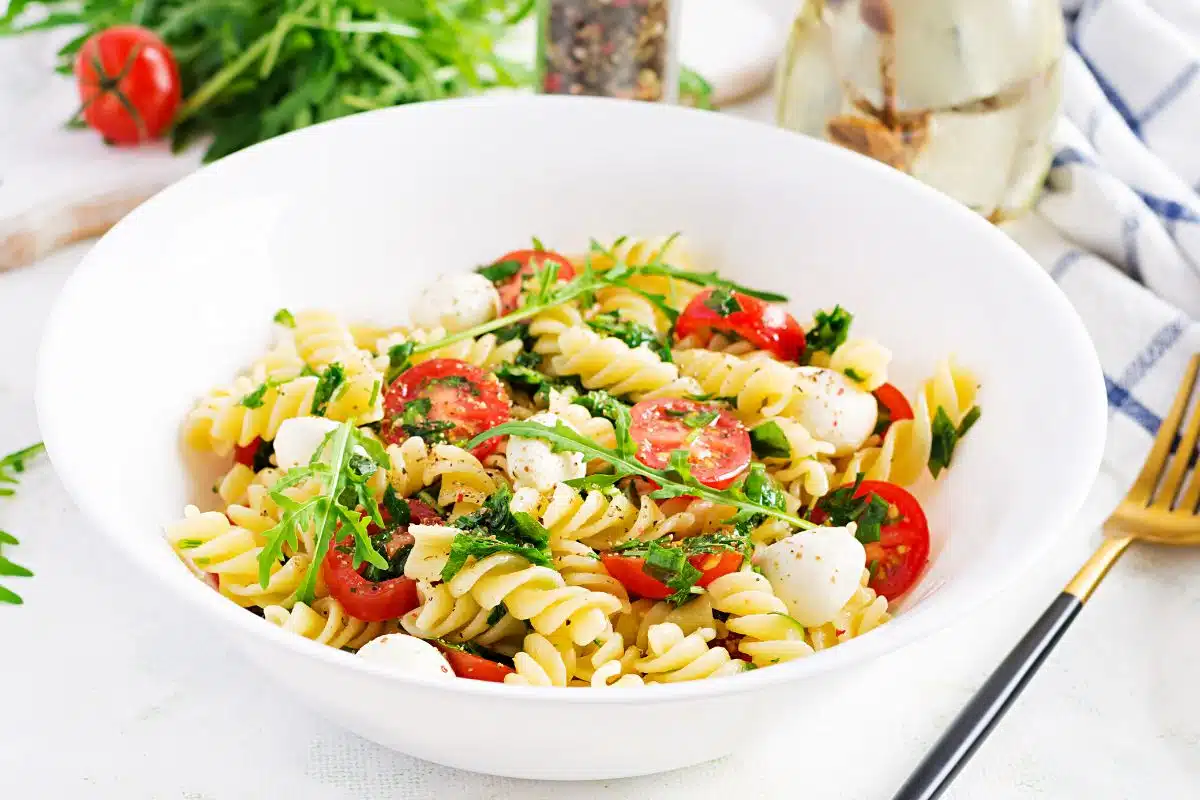
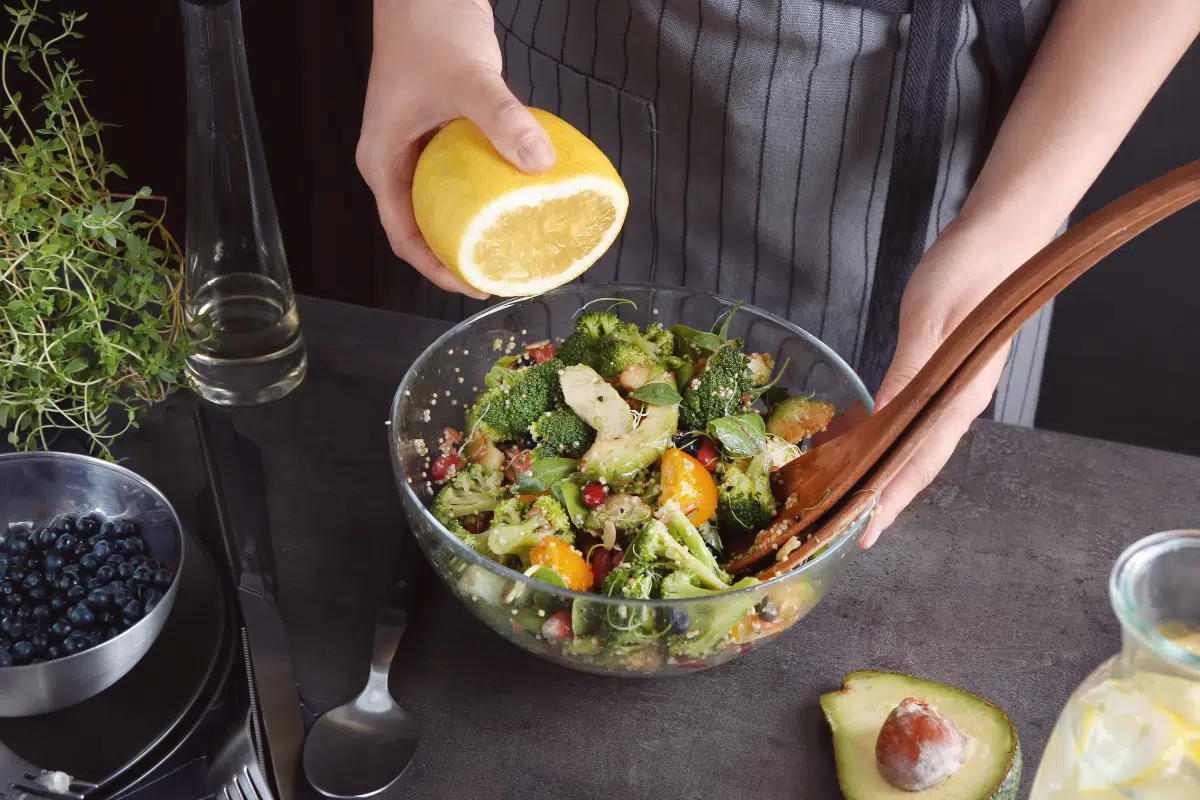
Preparing individual salad ingredients can be more practical than making several complete salads at once. Wash and dry greens, chop vegetables, cook a protein, and prepare a dressing so everything is ready to assemble when you need it. Keep wet ingredients and dressing separate until you’re ready to eat to prevent the greens from becoming soggy. This method also lets you change the combination each day without preparing an entirely new meal.
Give Your Refrigerator a Simple Rotation System
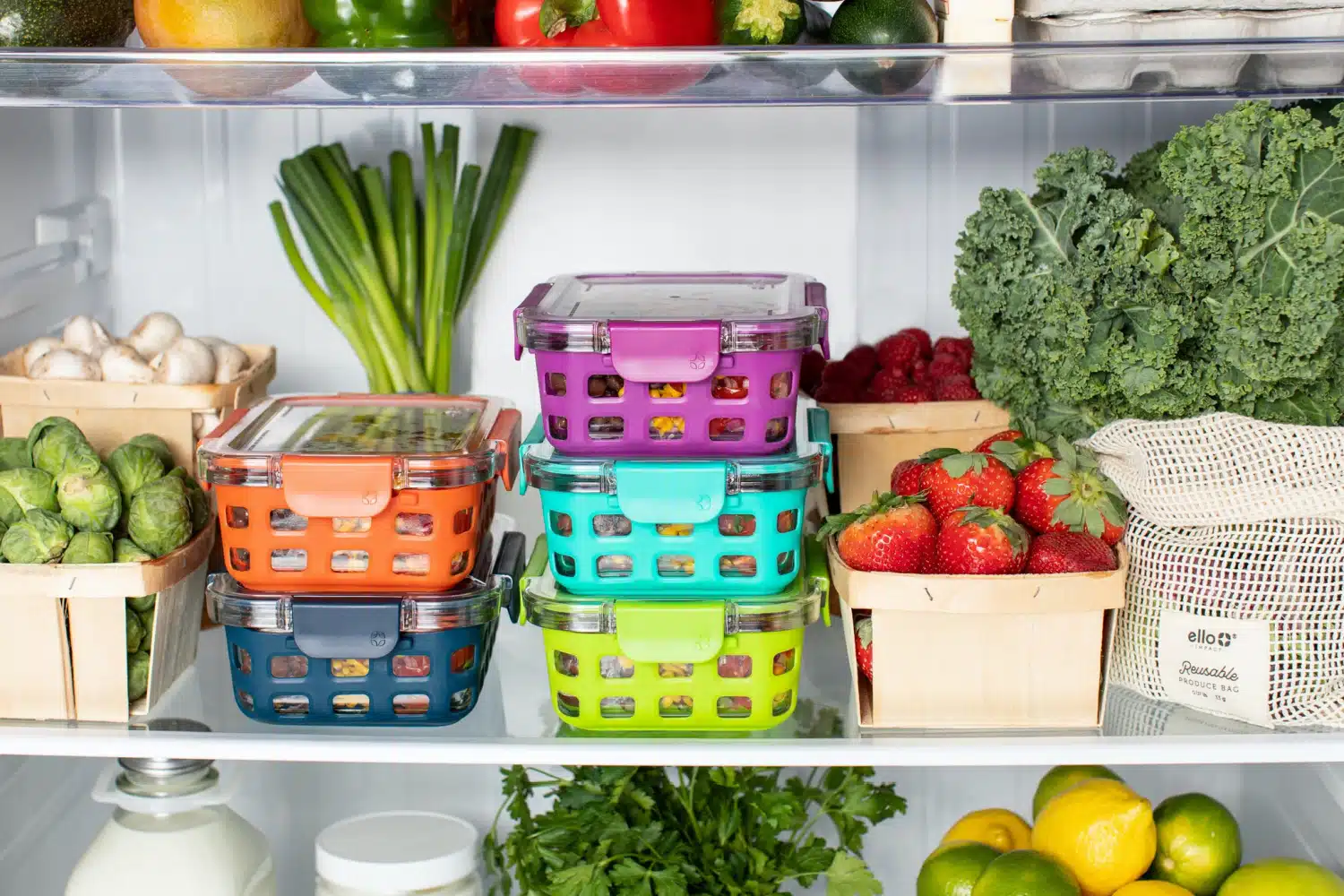
A little organization can prevent perfectly good food from disappearing behind newer groceries. Keep older items toward the front and place newly purchased foods behind them whenever practical. Clear containers and labels can also make leftovers easier to identify before they are forgotten. Before making your shopping list, take a quick inventory of the refrigerator and freezer so you can plan meals around food you already have.
Keep a Few Freezer Meals Ready
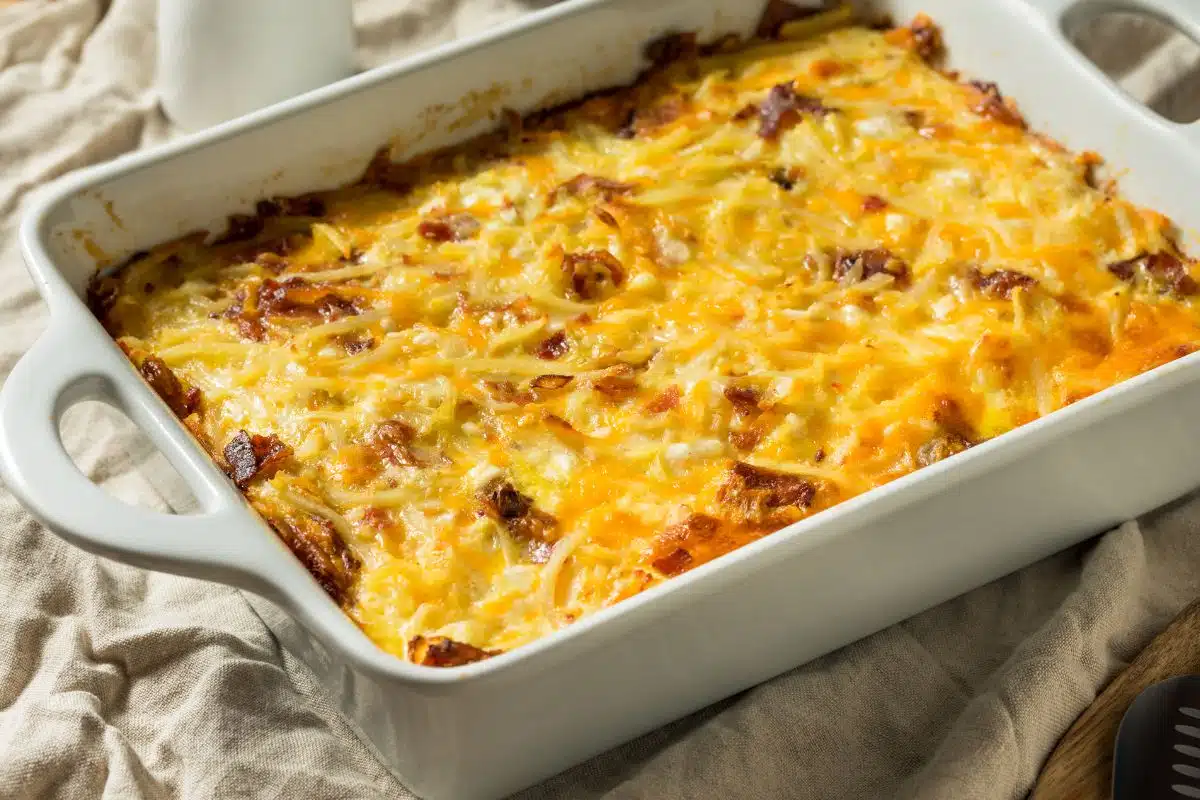
Freezer-friendly meals can give you an alternative to takeout on nights when cooking feels impossible. Soups, chili, casseroles, cooked meats, and many pasta-based dishes can be portioned and frozen for later use, although specific foods vary in how well they freeze. Freeze meals in individual or family-sized portions based on how you expect to use them. Having a few homemade options ready can help turn a busy evening into a meal you already paid for instead of another restaurant bill.
This post may contain affiliate links or sponsored content. Disclosure Policy