How to Cut Food Costs Fast—10 Tricks That Actually Work
Grocery prices may be climbing, but that doesn’t mean your meals have to suffer. Cutting food costs isn’t about bland dinners or skipping your favorite ingredients—it’s about shopping and cooking smarter. With a few strategic tweaks, you can trim hundreds from your grocery bill without anyone at the table noticing. Here are 10 practical hacks that save real money without sacrificing flavor, quality, or convenience.
Plan Meals Around Sales
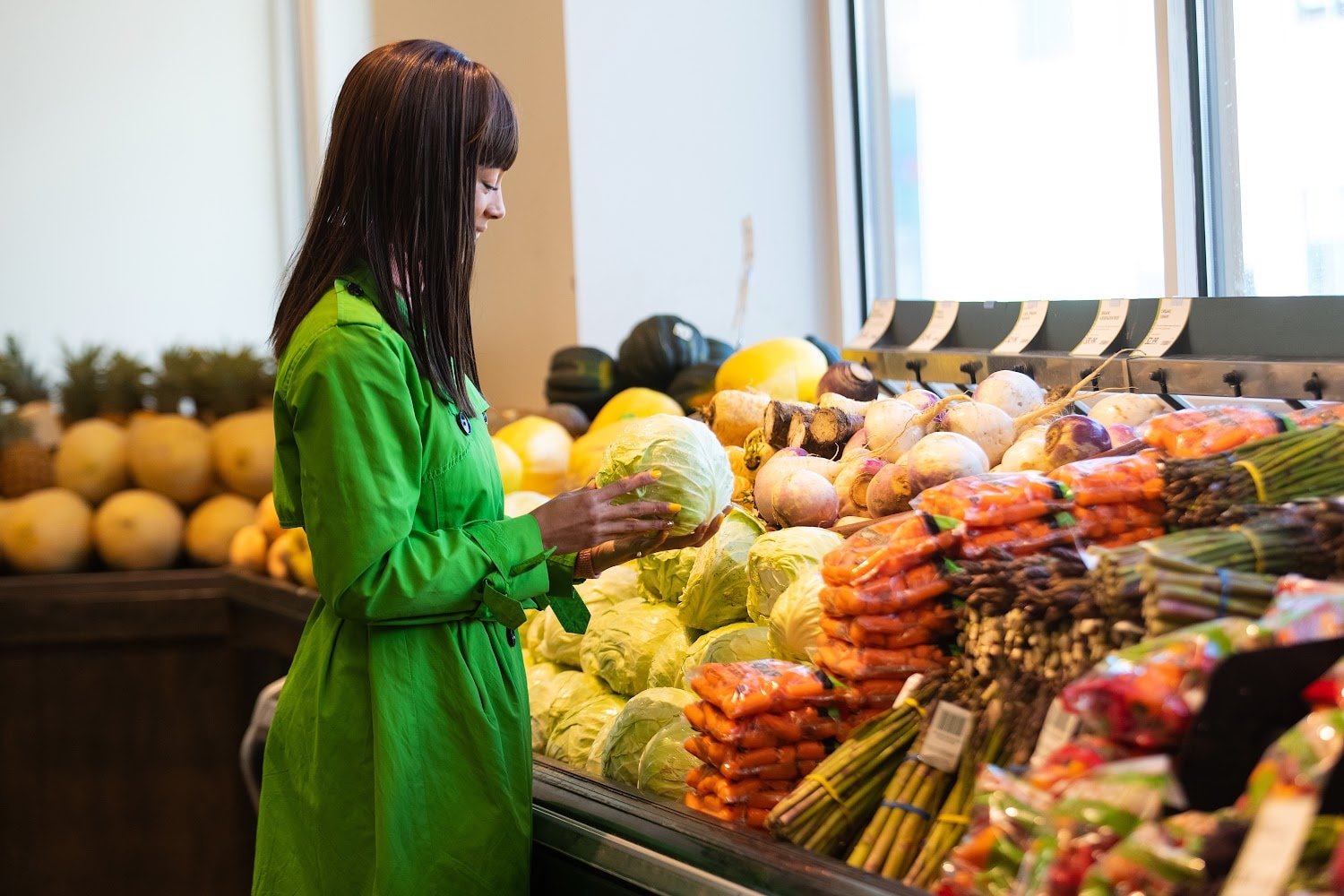
Check weekly ads before shopping and build your menu from discounted items.
Switch to Store Brands Strategically

Store brands often cost 20–30% less than national labels, and in many cases, they’re made in the same facilities. Start with basics like canned goods, spices, baking staples, and frozen vegetables. Most families can’t taste the difference. The savings add up quickly over a full cart.
Cook Once, Eat Twice
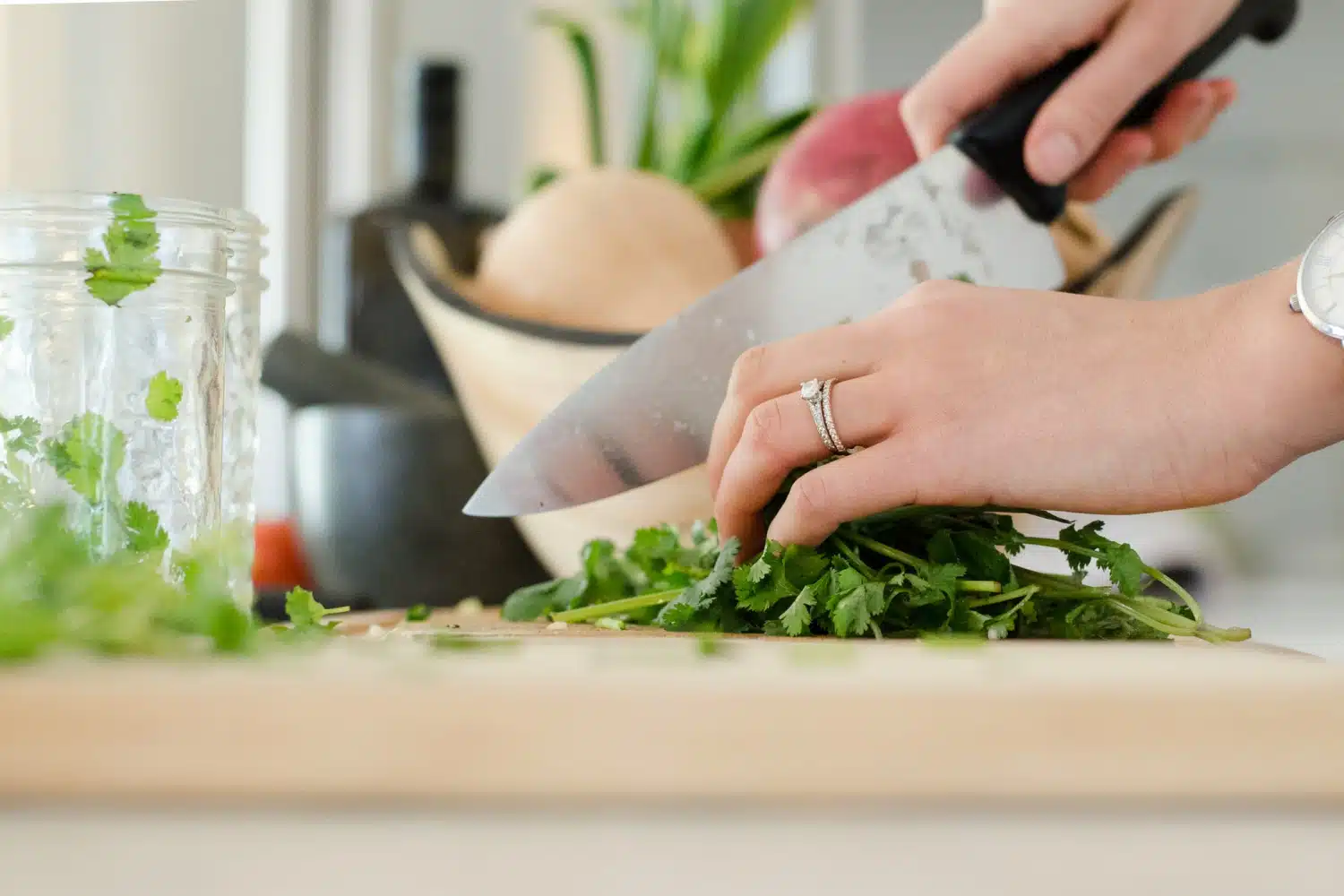
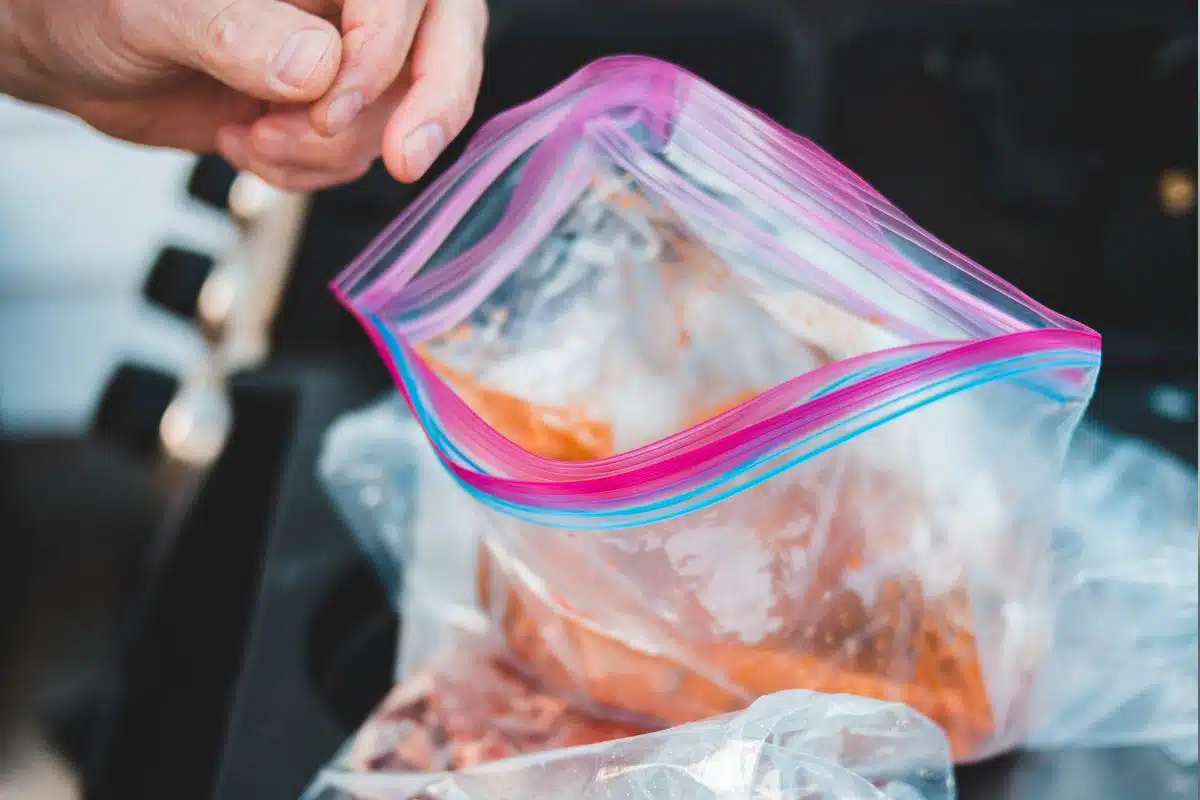
Double recipes for soups, casseroles, and pasta sauces. Eat one portion this week and freeze the other for later. This reduces the temptation to order takeout when life gets hectic. Fewer last-minute food runs mean fewer surprise expenses.
Embrace Meatless Meals
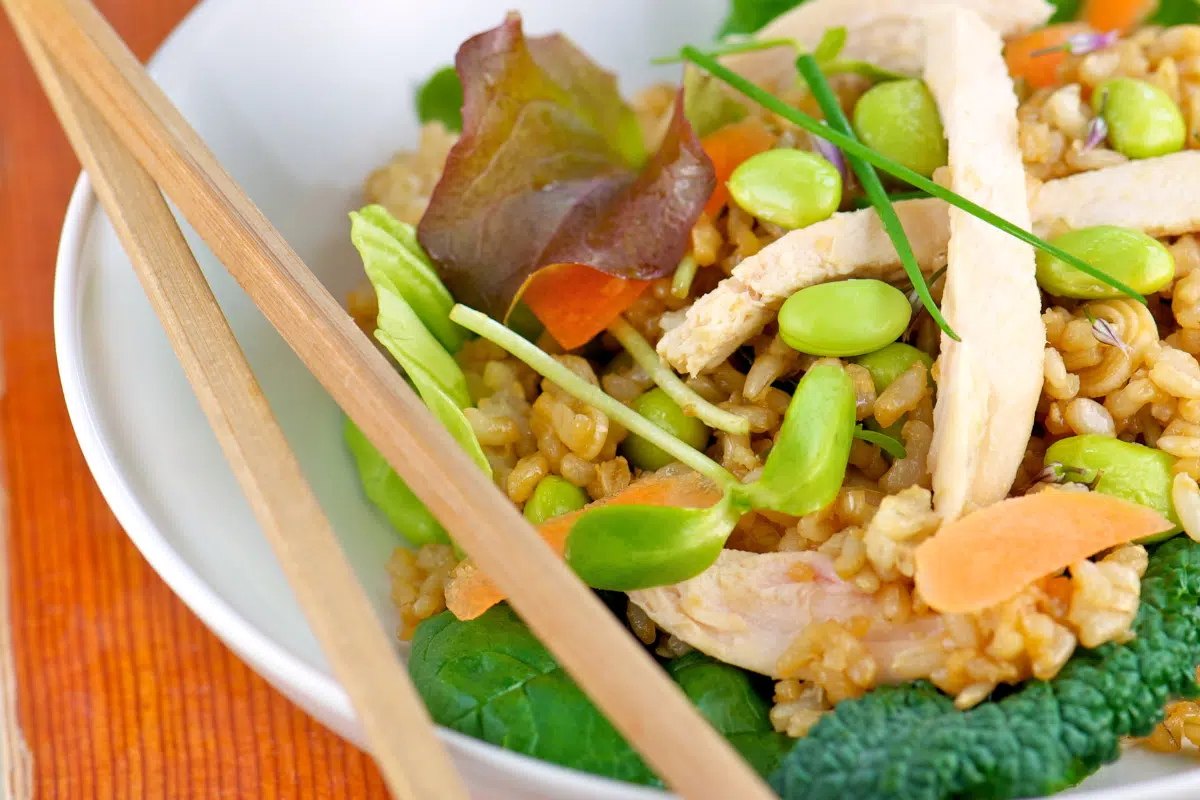
Beans, lentils, and eggs are protein-packed and budget-friendly alternatives to meat.
Reduce Food Waste with a Leftover Night
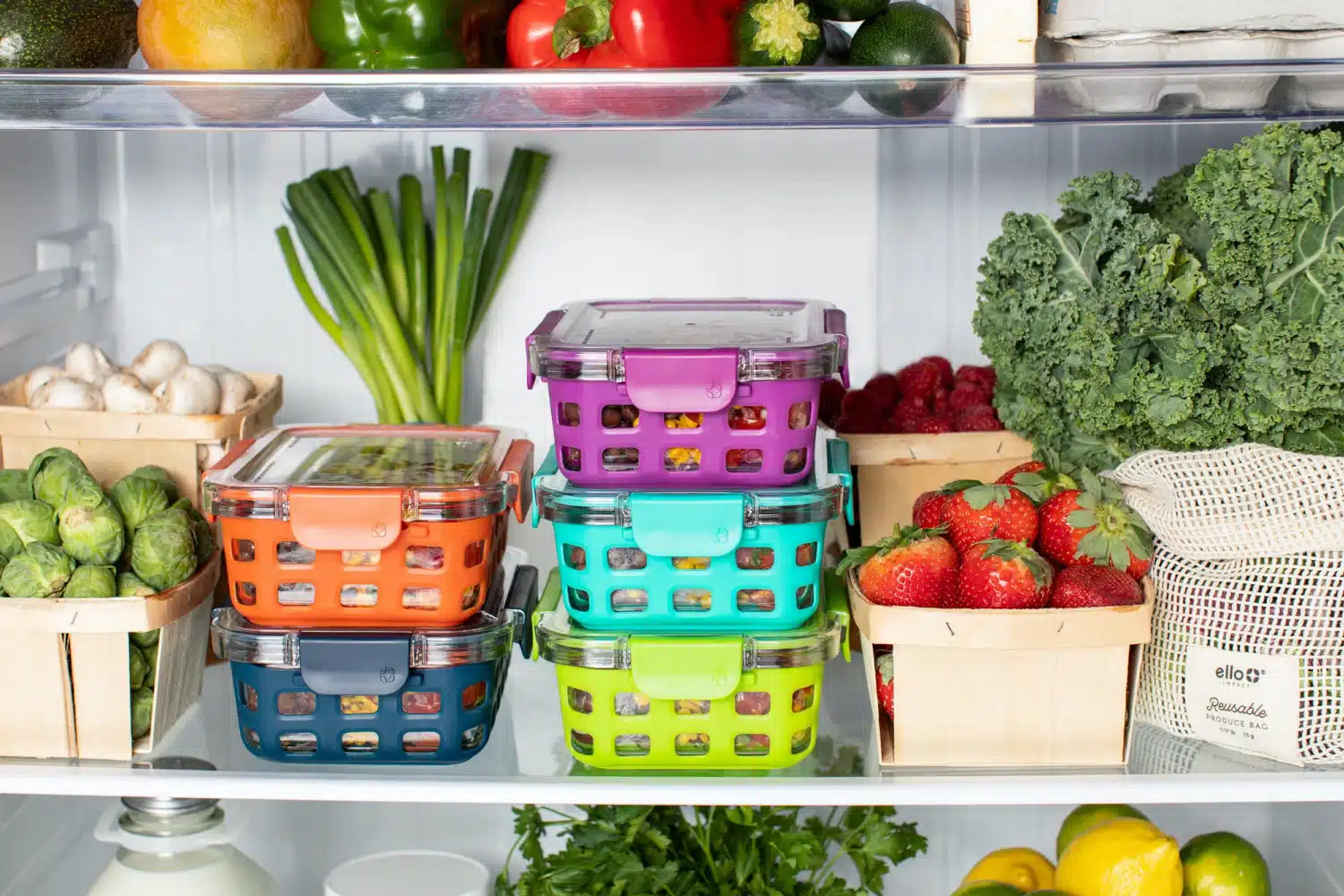
Designate one night per week as “leftover remix” night. Turn roasted chicken into tacos or soup, and transform extra veggies into omelets or fried rice. This clears your fridge before food spoils and eliminates one full grocery-funded meal. Less waste equals instant savings.
Shop Seasonal Produce
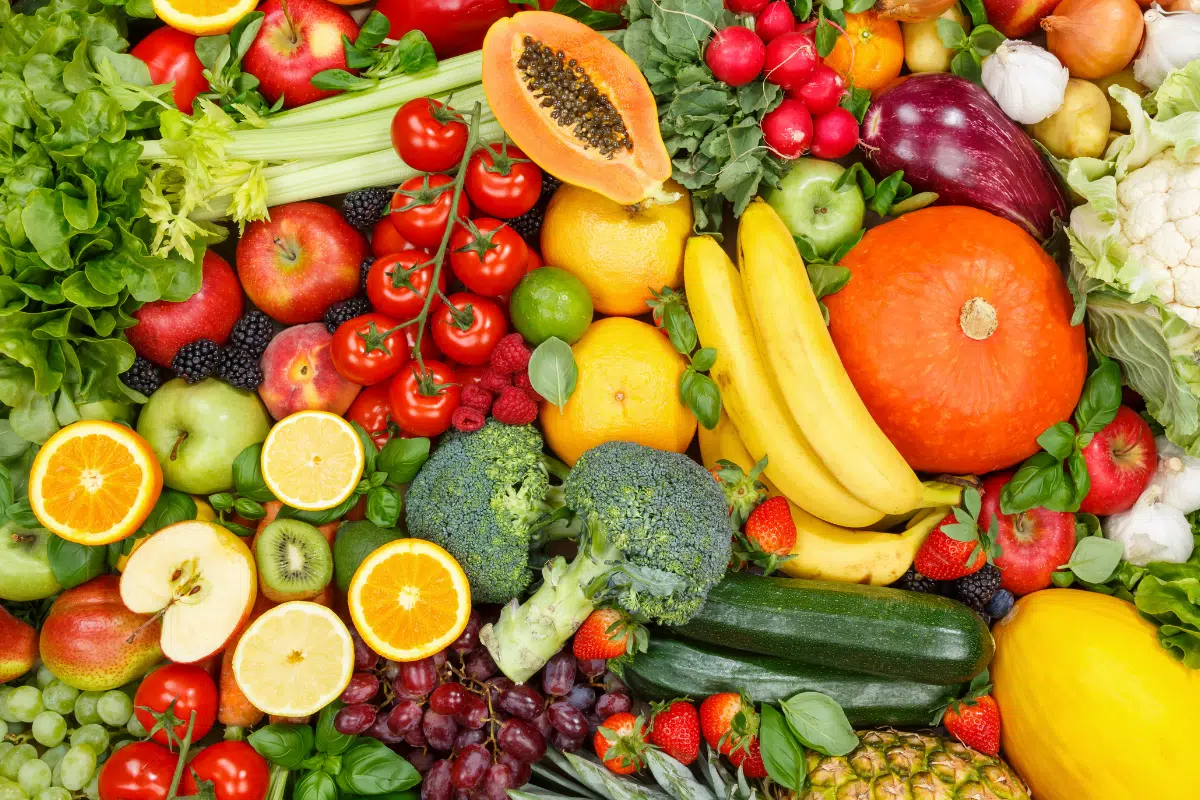
In-season fruits and vegetables are cheaper, fresher, and more flavorful. When berries, squash, or greens are abundant, prices naturally drop. Build your weekly meals around what’s on sale rather than forcing out-of-season items. You’ll pay less and enjoy better taste at the same time.
Skip Pre-Cut and Pre-Portioned Items
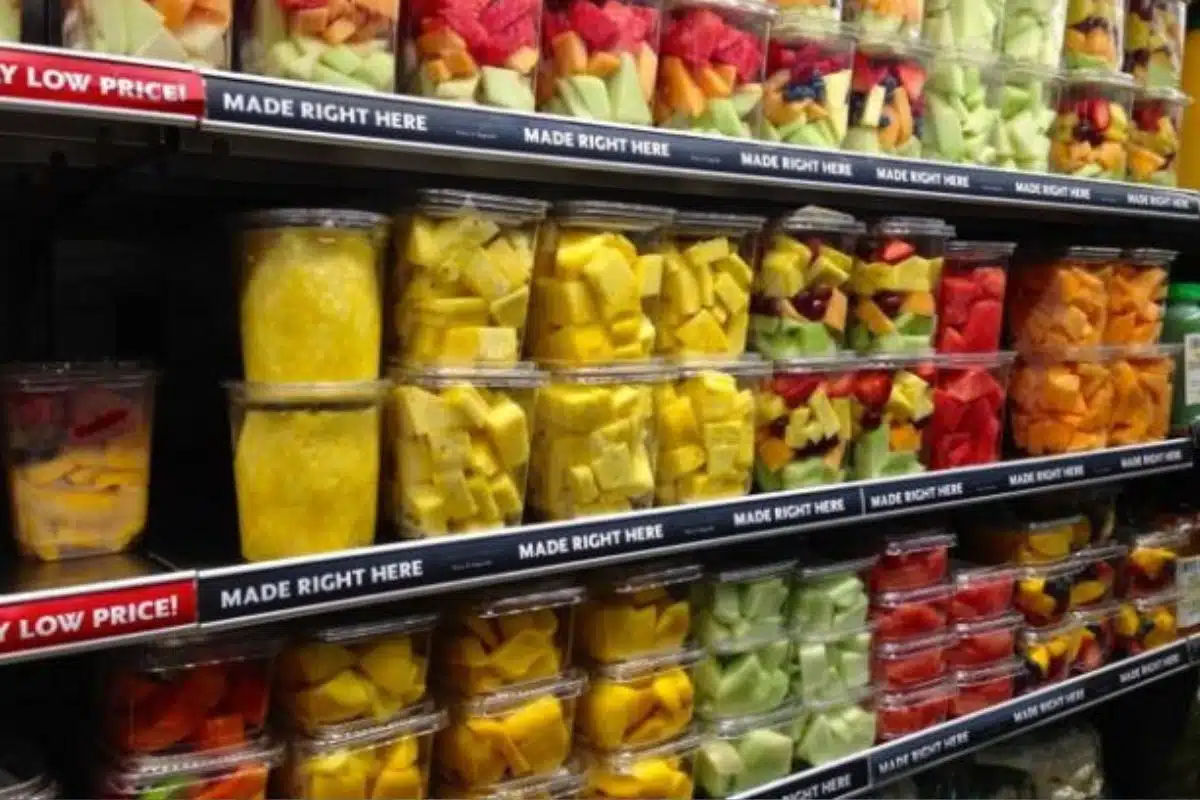
Pre-chopped vegetables, shredded cheese, and single-serve snack packs cost significantly more for the convenience. Buying whole carrots instead of baby carrots or block cheese instead of shredded can save several dollars per item. A few extra minutes of prep translates into noticeable savings over time.
Cook Once, Eat Twice

Double recipes for soups, casseroles, and pasta sauces. Eat one portion this week and freeze the other for later. This reduces the temptation to order takeout when life gets hectic. Fewer last-minute food runs mean fewer surprise expenses.
Use a “Flexible” Grocery List
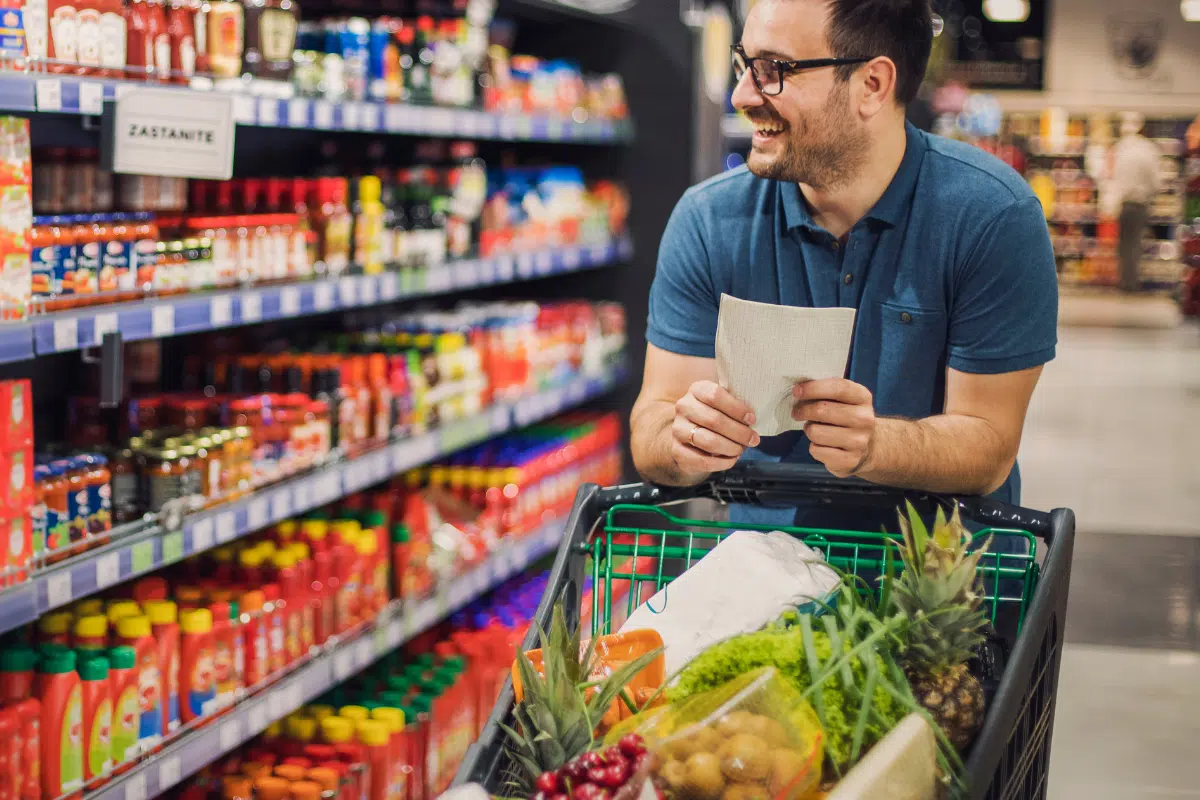
Instead of writing “broccoli” on your list, write “vegetable for roasting.” This gives you freedom to choose whichever option is on sale. The same works for proteins and fruits. Flexibility lets you capitalize on deals without overthinking your plan.
Make Your Own Snacks
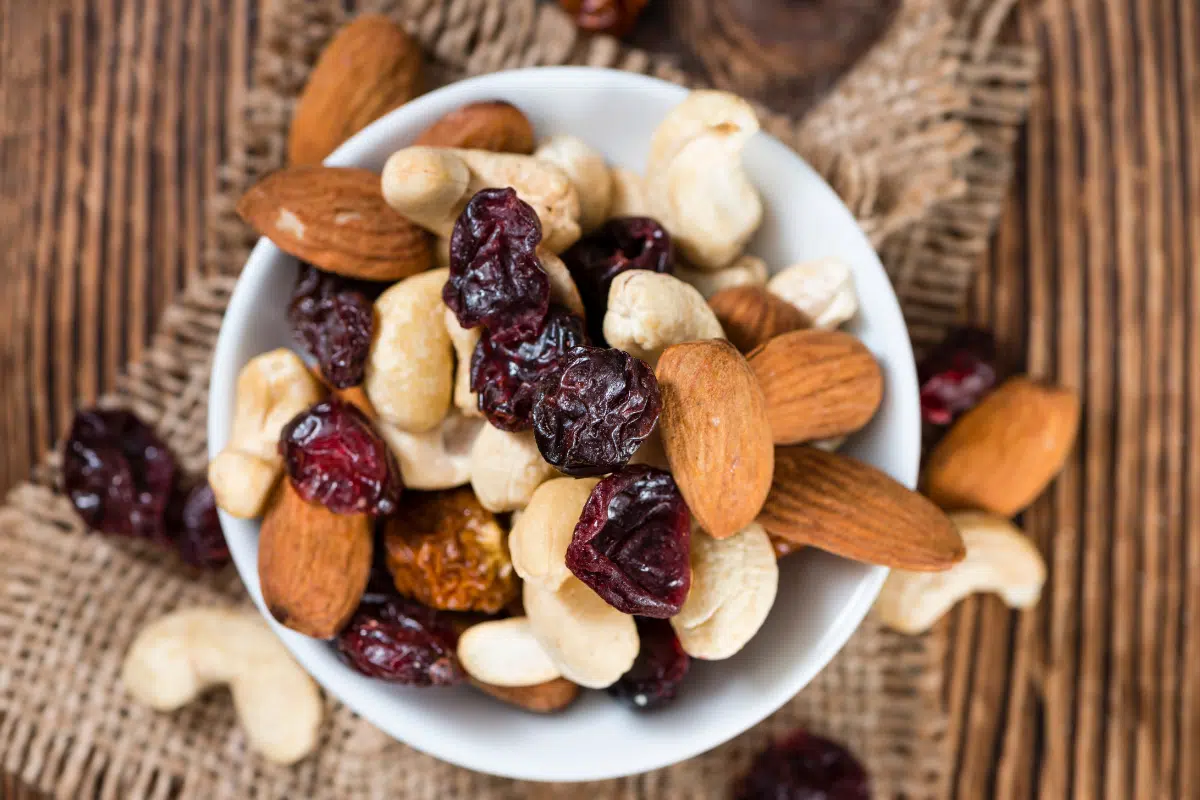
Skip pricey packaged snacks and prep homemade granola, trail mix, or popcorn instead.
This post may contain affiliate links or sponsored content. Disclosure Policy