10 Small Cooking Mistakes That Can Make a Big Difference
Even seasoned home cooks make mistakes in the kitchen—it’s part of the learning process. But some missteps don’t just affect flavor—they can ruin texture, waste ingredients, or turn a great meal into a disappointing one. The tricky part? Many of these errors aren’t obvious until after the damage is done. The good news is that once you know what to watch for, they’re surprisingly easy to fix. From heat control to seasoning habits, these common cooking mistakes—and how to avoid them—can instantly upgrade your meals.
Not Reading the Recipe All the Way Through

Jumping into a recipe without reading it fully can lead to surprises halfway through cooking. You might miss a crucial prep step, timing detail, or ingredient that needs to be ready in advance. Taking a minute to read ahead helps everything run smoothly. It’s a small step that prevents big headaches.
Prep Ingredients Before You Start Cooking
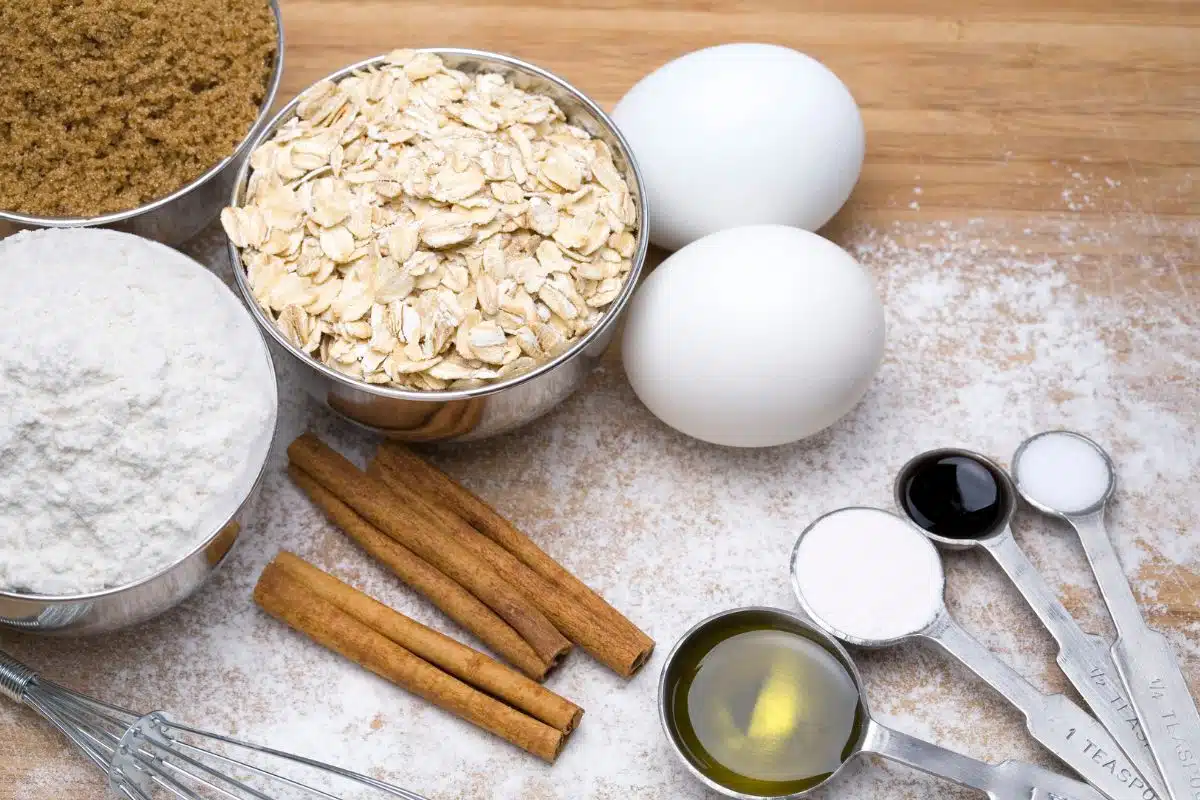
Chopping, measuring, and organizing everything beforehand—known as “mise en place”—prevents last-minute panic and burnt dishes.
Overcrowding the Pan
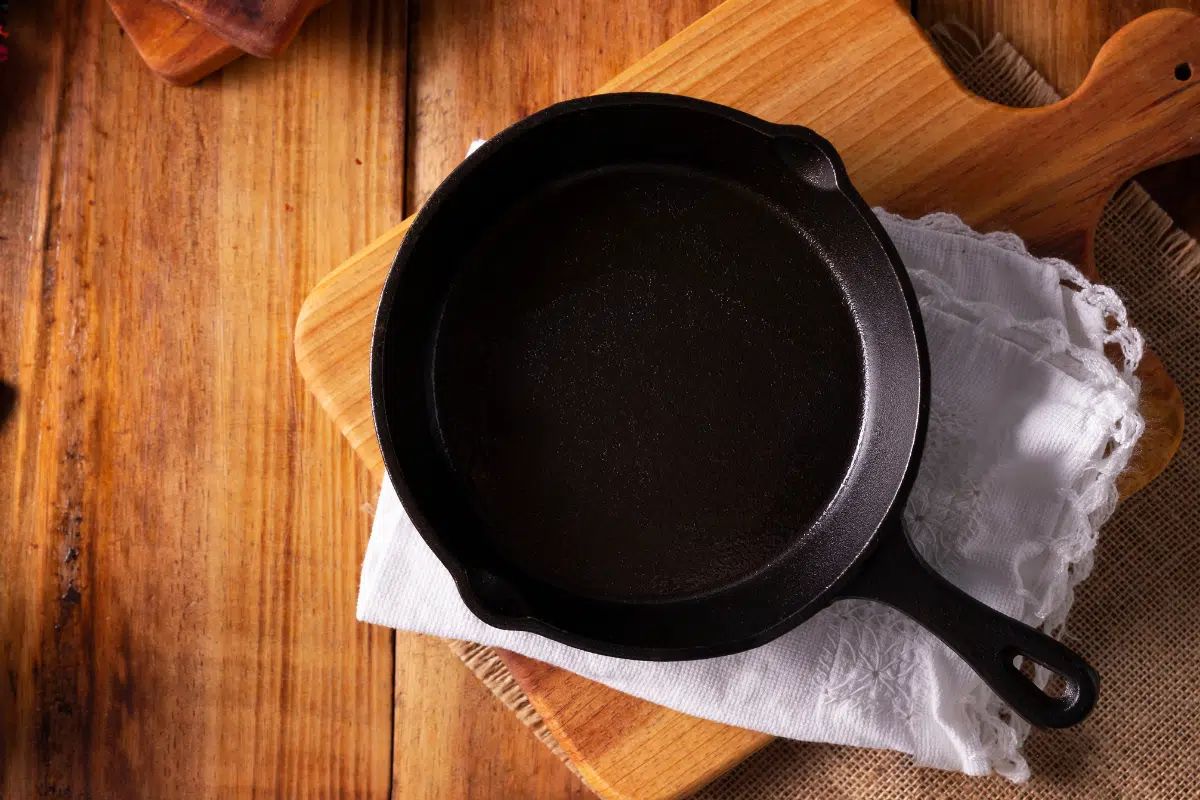
It’s tempting to cook everything at once, but cramming too much into the pan traps moisture. Instead of getting that golden, crispy finish, your food ends up steaming. This is especially important when cooking proteins or roasting vegetables. Cooking in batches may take a little longer, but the results are worth it.
Underseasoning Your Food
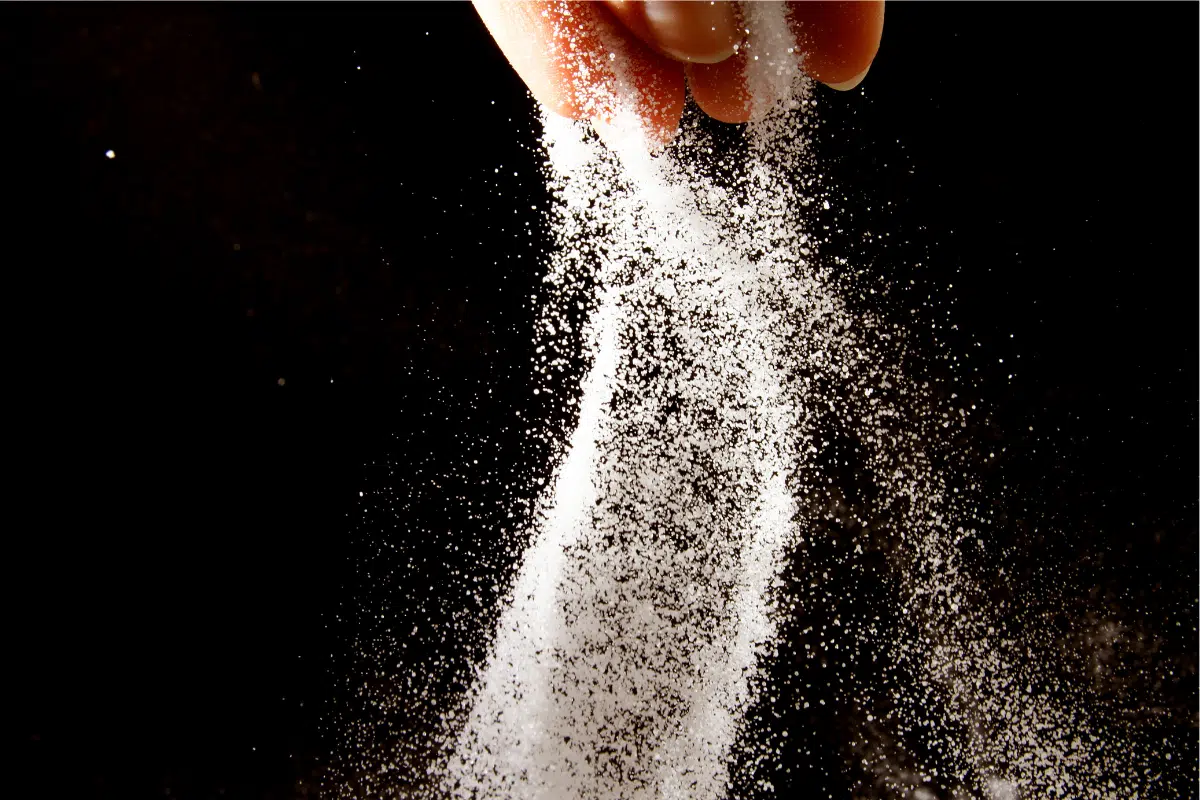
A pinch of salt at the end isn’t enough to bring out the best in your ingredients. Proper seasoning should happen in layers throughout the cooking process. Salt enhances natural flavors, while herbs and spices add depth and balance. Taste as you go and adjust—your final dish will be far more flavorful.
Using the Wrong Knife (or a Dull One)
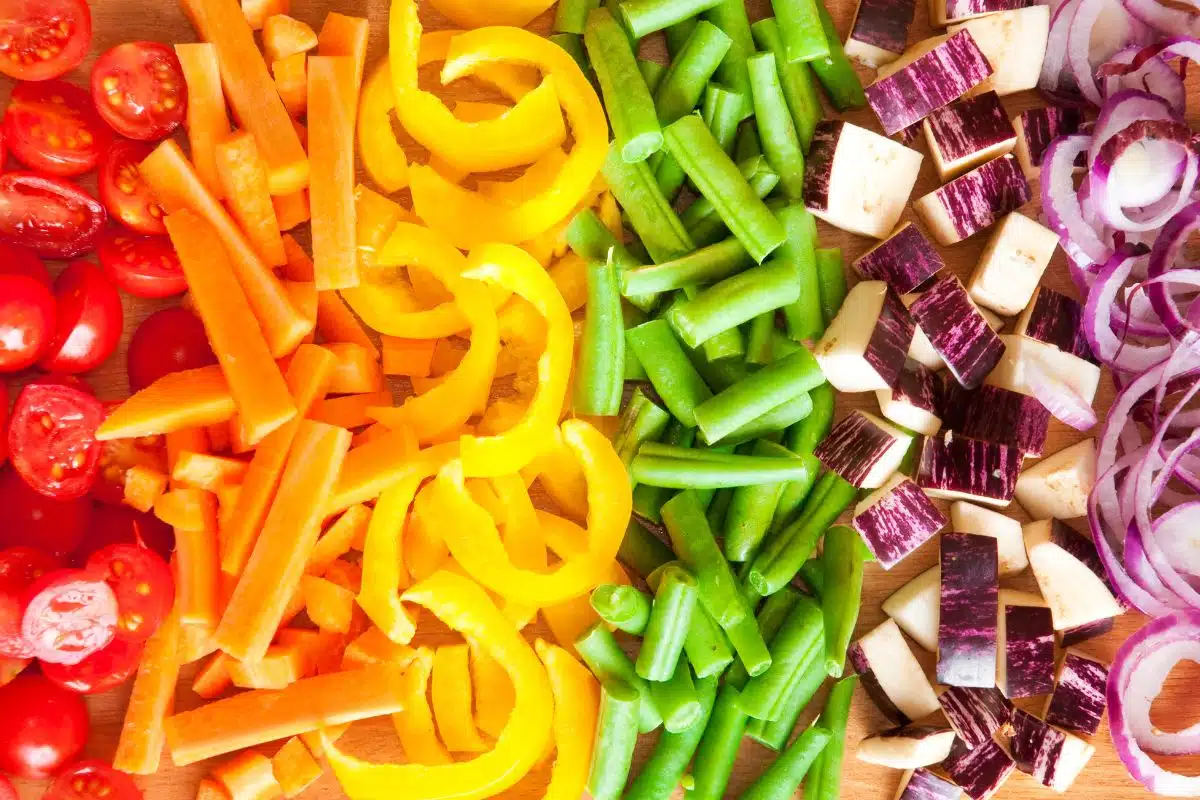
A dull knife isn’t just frustrating—it’s also less safe and less effective. It can crush delicate ingredients instead of slicing cleanly, affecting both texture and presentation. Using the right knife for the task also makes prep faster and more efficient. Keeping your knives sharp is a simple upgrade with big impact.
Not Letting Meat Rest
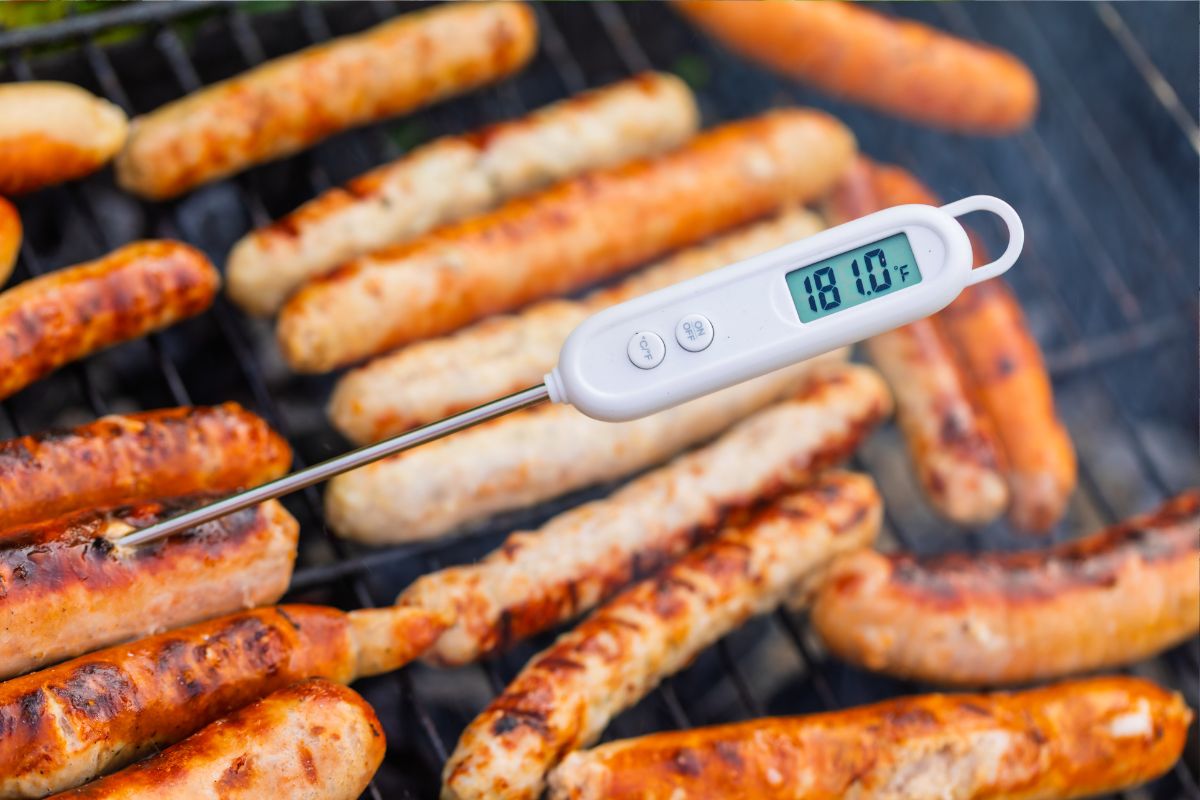
Cutting into meat right after cooking releases all those flavorful juices onto the plate instead of keeping them inside. Letting meat rest for a few minutes allows the juices to redistribute evenly. This simple step results in a juicier, more tender bite. It may require patience, but it pays off every time.
Cooking Everything on High Heat
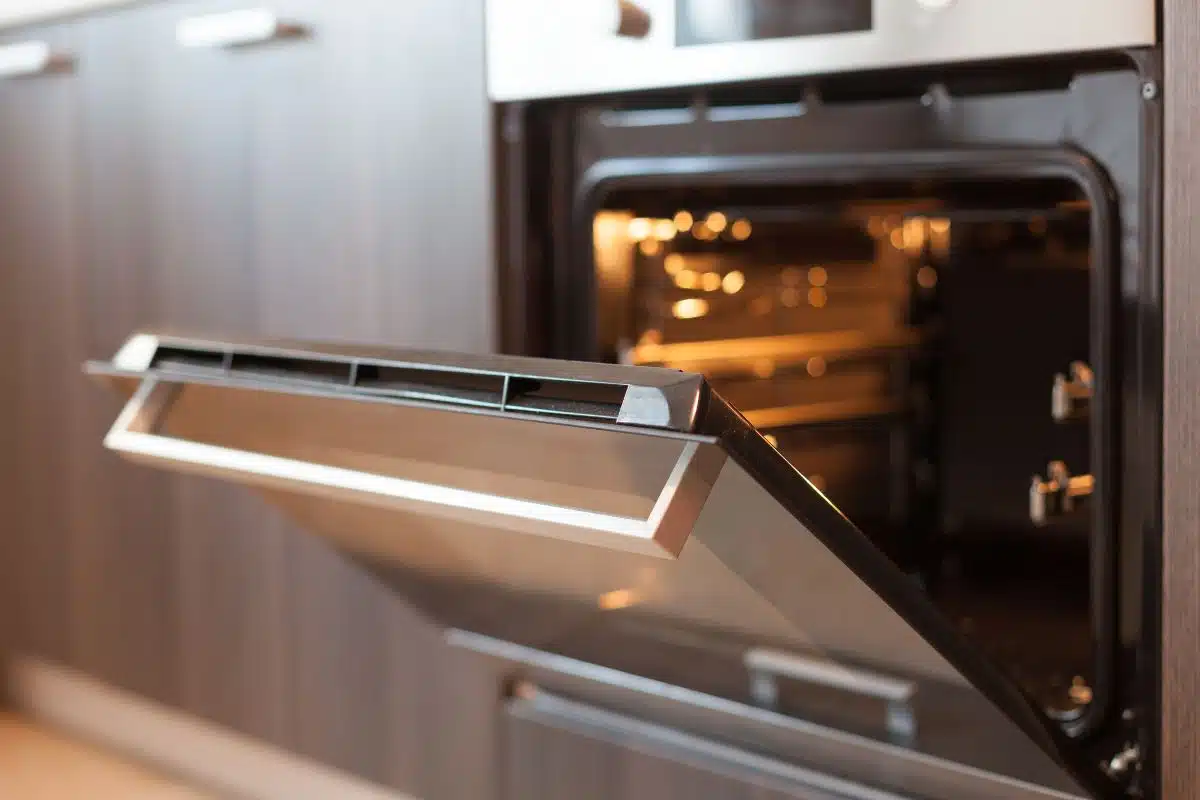
High heat isn’t always better—it can burn the outside while leaving the inside undercooked. Different foods require different temperatures to cook properly. For example, delicate items like eggs or fish benefit from lower, gentler heat. Learning when to turn it down is just as important as knowing when to crank it up.
Skipping the Taste Test

Cooking without tasting is like driving with your eyes closed—you’re guessing instead of adjusting. Flavors can change as ingredients cook and combine, so it’s important to check along the way. A quick taste lets you fix seasoning, acidity, or balance before it’s too late. It’s one of the easiest habits to improve your cooking instantly.
Not Cleaning as You Cook
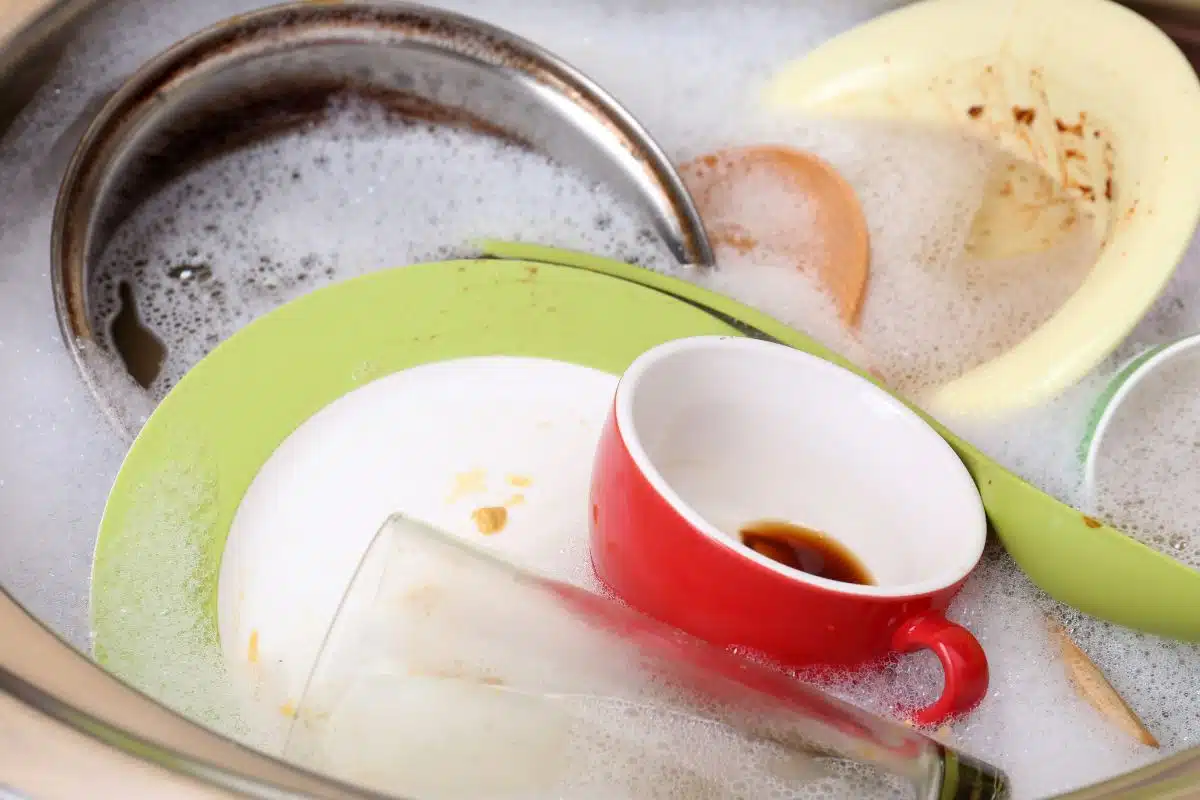
Letting dishes pile up while you cook can quickly turn your kitchen into chaos. Cleaning as you go keeps your workspace organized and makes the entire process more enjoyable. It also saves you from facing a mountain of dishes after your meal. A tidy kitchen helps you stay focused—and stress-free.
Not Practicing Patience
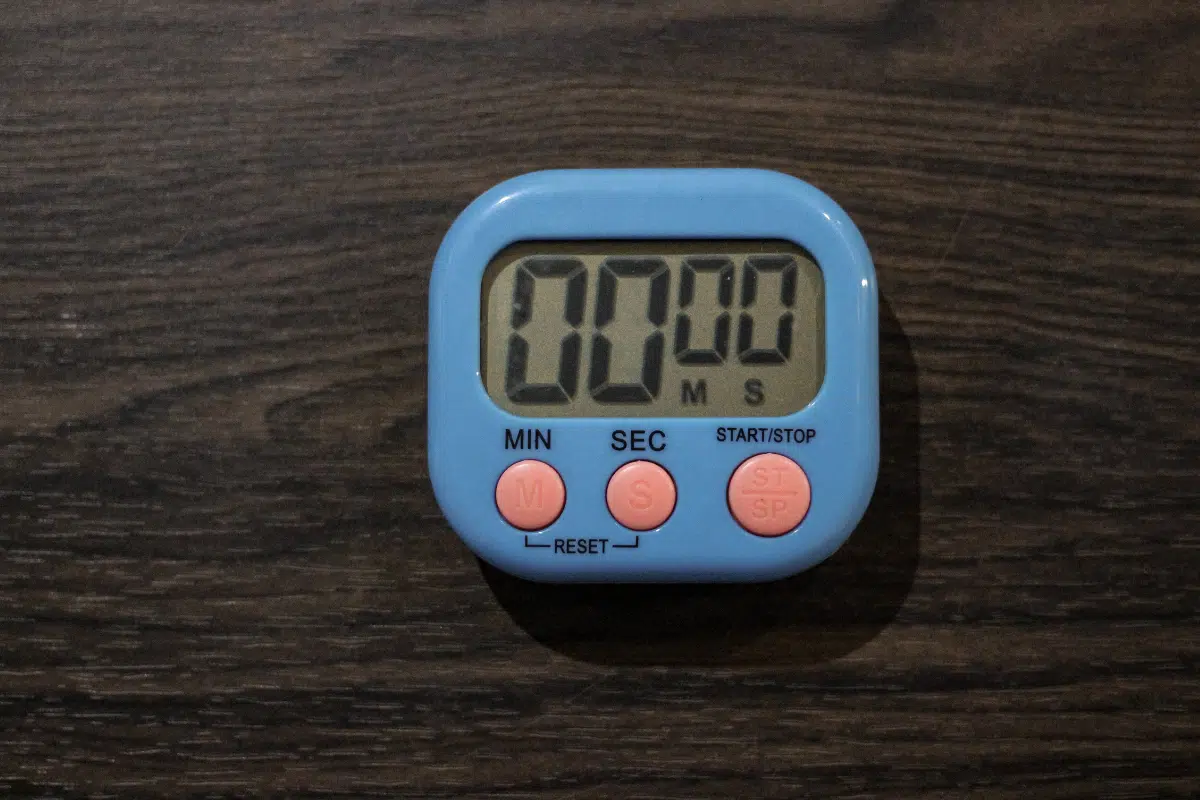
Rushing through cooking often leads to mistakes, from underdeveloped flavors to unevenly cooked food. Great meals take time, whether it’s letting onions caramelize or allowing a sauce to simmer properly. Patience allows flavors to build and textures to develop. Slow down, trust the process, and your food will reward you.
This post may contain affiliate links or sponsored content. Disclosure Policy