10 Smart Shopping Habits That Help You Spend Less
Saving money while shopping doesn’t mean chasing every coupon or spending hours comparing prices. Often, the biggest savings come from knowing which discounts are worth using, checking prices before buying, and avoiding purchases you don’t really need. From making better use of store rewards to recognizing a genuine bargain, these 10 shopping habits can help you stretch your budget without adding unnecessary work to your day.
Check Coupon Rules Before Combining Discounts

A coupon can be more valuable when paired with an eligible sale or store promotion, but not every retailer allows discounts to be combined. Before checking out, look at the coupon terms and the store’s current policy to see which offers can be used together. Some retailers permit certain manufacturer coupons and store offers on the same item, while others restrict combinations. A quick check of the fine print can prevent disappointment at checkout and help you calculate the actual final price.
Use Loyalty Programs for Discounts You Would Already Buy

Store loyalty programs can provide member-only prices, digital coupons, points, or rewards on qualifying purchases. Before signing up, check whether the program is free, how rewards are earned, and whether they expire. The best value comes from using rewards on groceries, household essentials, or other items you planned to purchase anyway. Avoid spending extra just to reach a reward threshold, since the additional purchase can easily cancel out your savings.
Compare Clearance Prices With Regular Prices
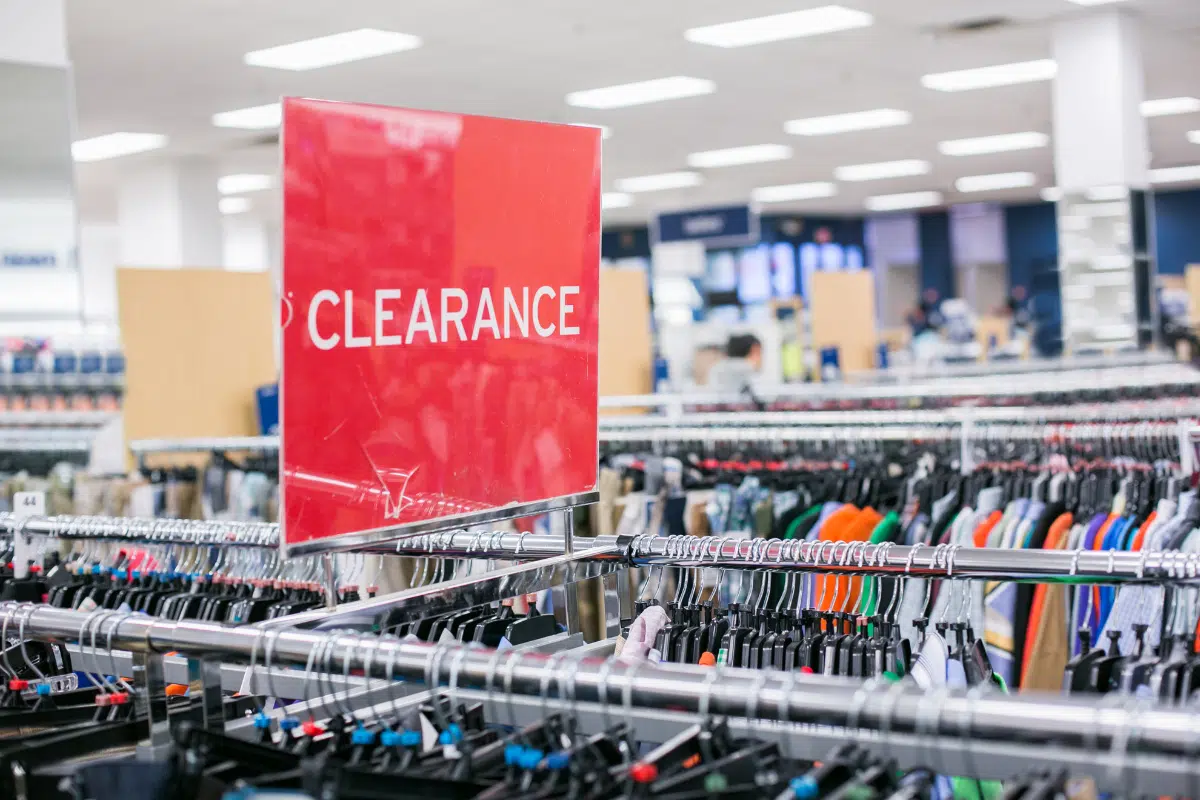
Clearance sections can be useful places to find discounted clothing, home goods, seasonal decorations, and other marked-down merchandise. However, a clearance label doesn’t automatically mean an item is the cheapest available, so compare the price with similar products before buying. Check the condition, return policy, and whether the item meets your needs rather than choosing something simply because it is marked down. Buying a discounted item you won’t use is still spending money unnecessarily.
Check Price-Matching Policies Before You Buy

Some retailers offer price matching or price adjustments when an eligible product is available for less under their stated policy. The rules can differ considerably: a store may match its own online price, selected competitors, or a lower price found within a limited period after purchase. Check that the item qualifies and keep your receipt or order confirmation in case you need to request an adjustment. Don’t assume every retailer matches competitors or honors a lower price after the sale.
Time Purchases Around Predictable Sales

Planning purchases around seasonal promotions can help you avoid paying full price for items you know you’ll need. Clothing and outdoor goods may be discounted as seasons change, while major shopping events can bring promotions on selected electronics and household products. Grocery markdowns depend on the store, product, inventory, and expiration dates, so there isn’t one weekday that guarantees the lowest prices. If a nonessential purchase can wait, track its price and buy when a genuine discount appears.
Use Cashback and Rebate Apps With a Plan

Cashback and rebate services can return part of your spending when you meet an offer’s requirements. Services such as Rakuten and Ibotta have different earning methods, eligible retailers, and redemption rules, so read the details before making a purchase. Some offers require you to activate a promotion or begin shopping through a specific link, while others apply to selected products. Compare the final cost after any eligible rewards, and don’t buy something you wouldn’t otherwise want just to earn cashback.
Check Store Apps Before Heading to Checkout

A retailer’s app may offer digital coupons, member pricing, product availability, or promotions that aren’t immediately obvious on the shelf. Checking the app before shopping can help you compare prices and identify offers that apply to items on your list. Some deals require you to activate them or enter a loyalty number at checkout, so review the instructions before paying. To avoid notification overload, consider checking the app when you need it rather than enabling every promotional alert.
Buy in Bulk Only When the Numbers Work

Larger packages can offer a lower unit price, but that isn’t guaranteed, so compare the cost per ounce, pound, or individual item. Bulk purchases make the most sense for products your household uses regularly, such as shelf-stable pantry goods, paper products, or cleaning supplies. For perishables, consider whether you can safely store or freeze the extra quantity before it spoils. A smaller package on sale may actually be the better deal if you won’t use the larger one in time.
Keep Track of Prices on Your Regular Purchases

A simple price list can help you recognize when an advertised deal is genuinely worthwhile. Record the usual price and package size of frequently purchased items, such as cereal, laundry detergent, coffee, or pet supplies. Comparing unit prices across brands and package sizes makes it easier to spot a meaningful discount instead of relying on sale signs alone. You can keep your list in a phone note or spreadsheet and update it whenever you shop.
Ask About Eligible Discounts and Price Adjustments

If you find a lower advertised price or notice that an item has been reduced shortly after you bought it, ask customer service whether the purchase qualifies for a price adjustment. Some retailers also offer specific discounts for eligible customers or provide markdowns on items with damaged packaging, depending on store policy. Be polite, explain what you found, and have the product details or receipt available. Discounts are never guaranteed, but knowing the policy can help you avoid missing a legitimate opportunity to save.
This post may contain affiliate links or sponsored content. Disclosure Policy