10 Cleaning Products You Can Skip With These Simple DIY Alternatives
If you’ve ever looked under your kitchen sink and wondered why you own so many cleaning products, you’re not alone. Over the years, I accumulated separate cleaners for glass, bathrooms, floors, furniture, and just about every other surface in my home. While many of them worked well, they also added up in cost and often contained ingredients I couldn’t even pronounce. Curious about simpler options, I started experimenting with homemade cleaning solutions using a handful of inexpensive pantry staples. What surprised me most wasn’t just how much money I saved—it was how effective many of these DIY alternatives turned out to be.
All-Purpose Cleaner
What I used before: A popular commercial all-purpose spray
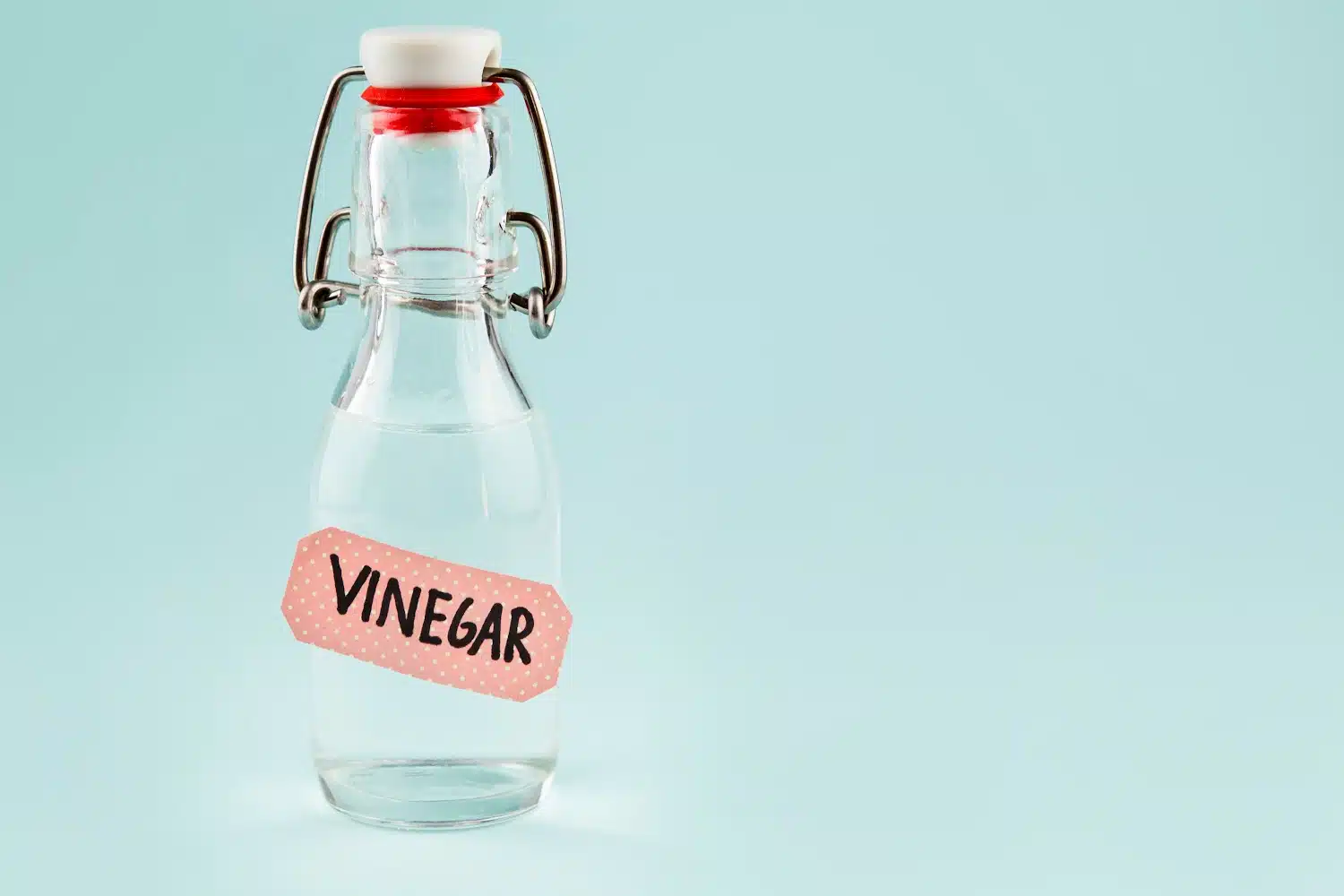
DIY swap: Mix 1 part white vinegar with 1 part water, add a few drops of lemon essential oil. Works on counters, glass, and tiles.
This simple mixture has become one of the hardest-working cleaners in my house. It cuts through everyday grime, sticky spills, and fingerprints without leaving behind a heavy residue. I keep a spray bottle under the sink and use it daily on kitchen counters, backsplashes, and bathroom surfaces. The lemon oil helps freshen the scent while adding a little extra cleaning power.
Glass Cleaner
What I used before: Store-bought window spray
DIY swap: Equal parts water and white vinegar, sprayed on glass and wiped with a microfiber cloth. Streak-free shine every time.
Commercial glass cleaners often left streaks behind, especially when used on sunny days. This simple vinegar solution delivers crystal-clear results with minimal effort. I’ve used it on mirrors, windows, glass shower doors, and even glass tabletops. Pairing it with a microfiber cloth makes a noticeable difference and helps eliminate lint and smudges.
Dish Soap
What I used before: Commercial dishwashing liquid
DIY swap: Castile soap with a few drops of lemon oil. Gentle on hands and tough on grease.
I was skeptical about replacing traditional dish soap, but castile soap proved surprisingly effective. It cuts through everyday grease while being much gentler on my skin. The addition of lemon oil helps boost its degreasing ability and leaves dishes smelling fresh. It’s especially useful for households trying to reduce the number of synthetic products they use.
Bathroom Scrub
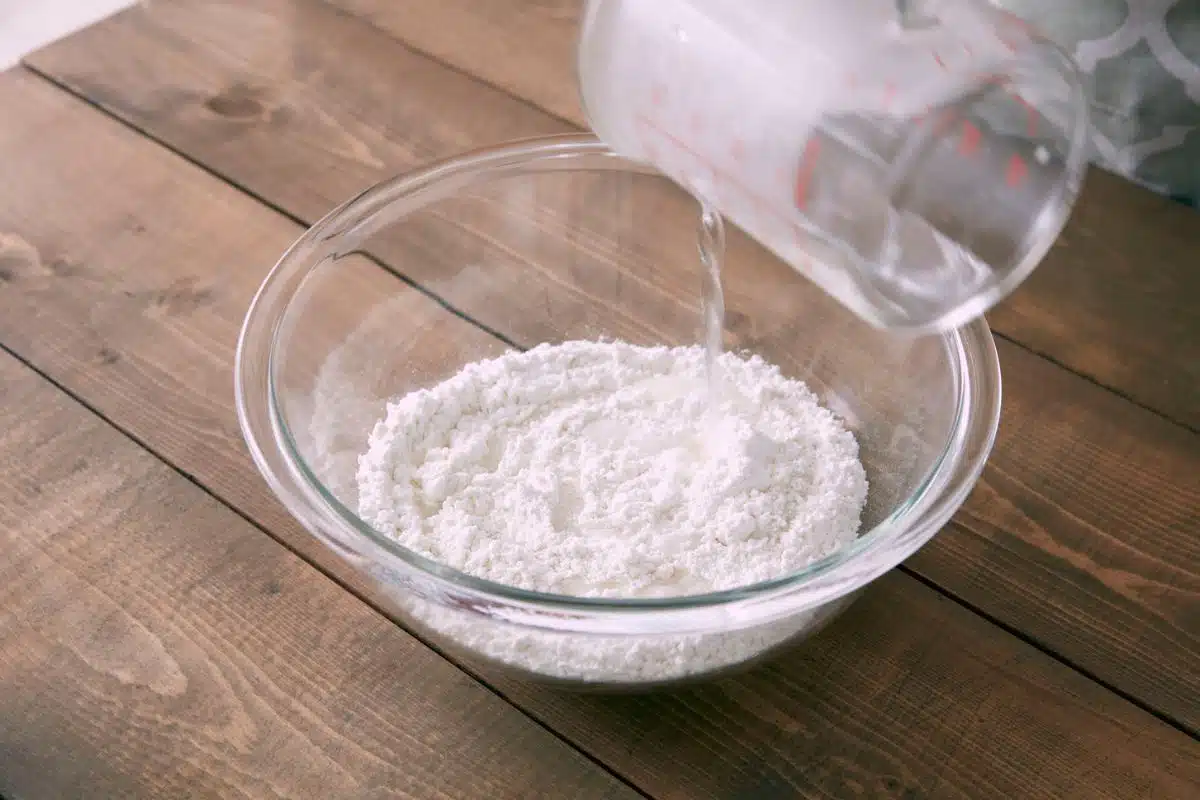
What I used before: Abrasive chemical bathroom cleaner
DIY swap: Baking soda paste (baking soda + a little water) works wonders on sinks, tubs, and tiles.
When it comes to scrubbing power, baking soda punches well above its weight. The mild abrasive texture helps remove soap scum, water spots, and stubborn grime without scratching most surfaces. I use it regularly on sinks, tubs, grout lines, and even stainless-steel fixtures. It’s inexpensive, easy to mix, and surprisingly versatile.
Toilet Cleaner
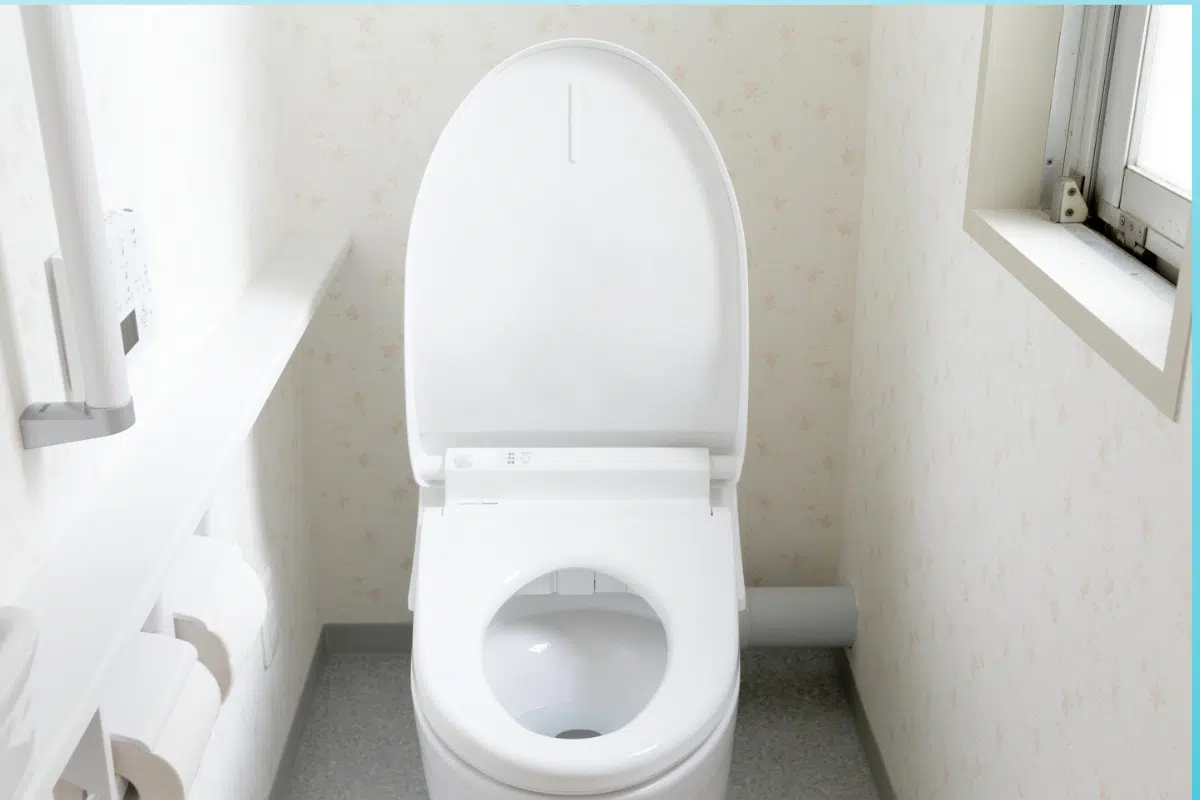
What I used before: Strong chemical toilet gels
DIY swap: Sprinkle baking soda into the bowl, then spray with vinegar. Let fizz for a few minutes and scrub it clean.
Watching the fizzing reaction is oddly satisfying, but it’s also effective. The combination helps loosen buildup and freshen the bowl naturally. After letting it sit for several minutes, a quick scrub with a toilet brush usually removes stains and residue. It may not s
Furniture Polish
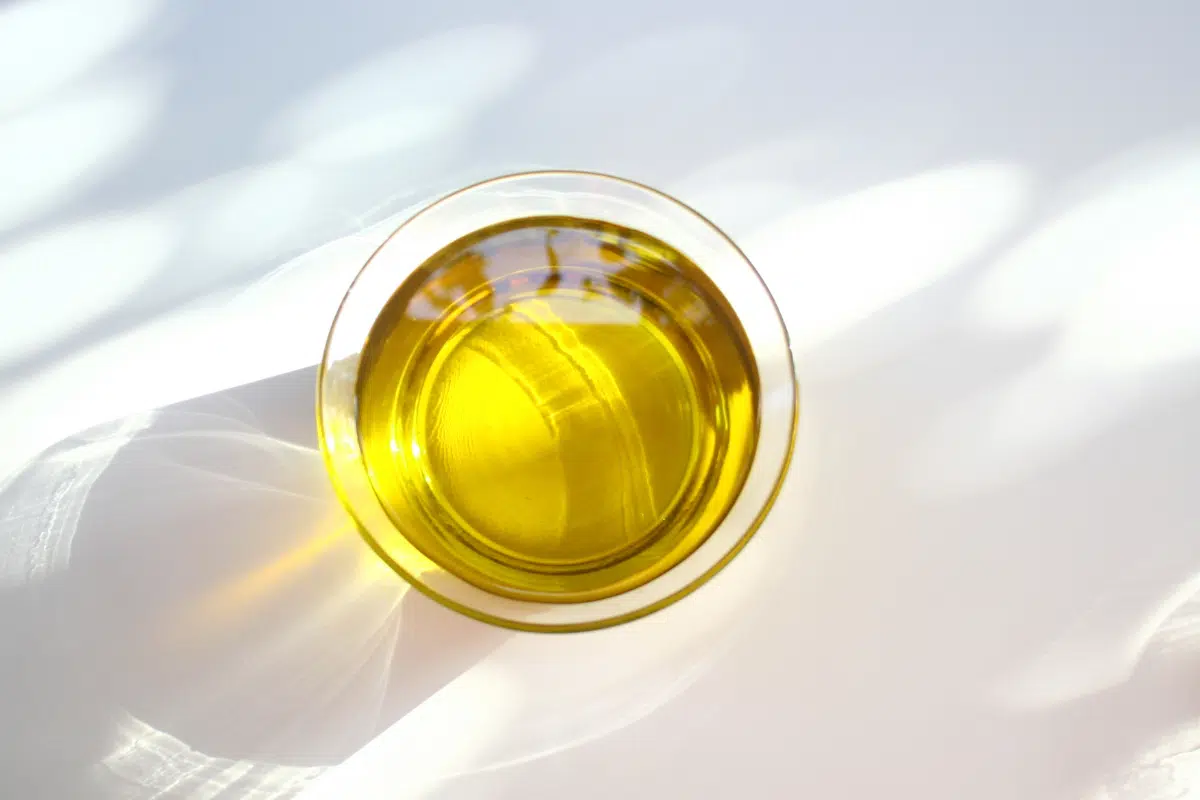
What I used before: Commercial furniture sprays
DIY swap: Mix olive oil and a little lemon juice. Buff with a soft cloth for natural shine and conditioning.
Many furniture polishes create a temporary shine but can leave surfaces feeling greasy. This homemade version adds moisture to wood while helping bring out its natural beauty. A small amount goes a long way, and buffing with a soft cloth creates a rich, polished appearance. It’s especially useful for wooden tables, cabinets, and decorative pieces.
Floor Cleaner
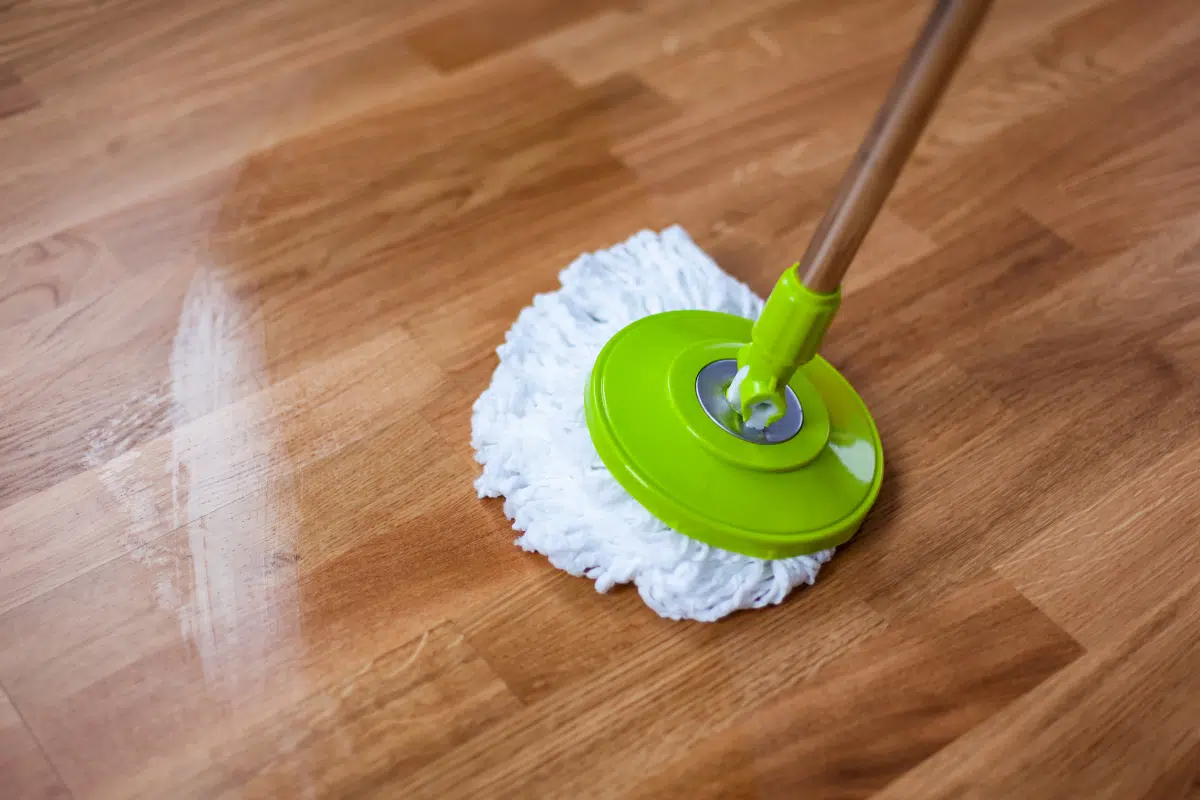
What I used before: Synthetic floor solutions
DIY swap: Warm water with a few drops of castile soap. Safe for hardwood, tile, and laminate.
Instead of purchasing separate cleaners for different flooring types, I simplified things with this gentle solution. It removes dirt and footprints effectively without leaving behind a sticky film. The floors feel clean rather than coated, and the mild scent is much more pleasant than many heavily fragranced products. Always check manufacturer recommendations for specialty flooring before use.
Laundry Detergent
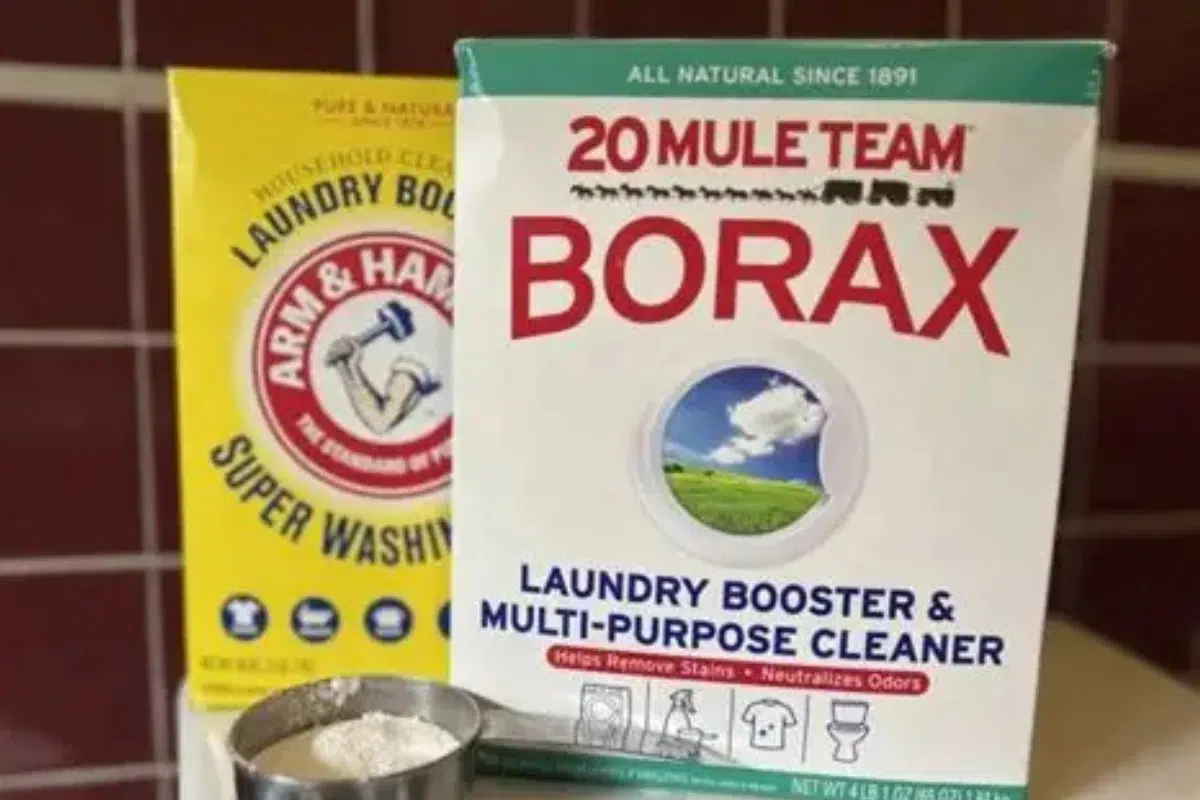
What I used before: Traditional liquid or powder detergent
DIY swap: Mix washing soda, borax, and grated castile soap. Gentle, effective, and eco-friendly.
Laundry detergent can be one of the most expensive cleaning products to replace regularly. This homemade blend helped reduce my laundry costs while still getting clothes clean. It works especially well for everyday loads and can be customized with essential oils if desired. Many DIY enthusiasts appreciate having more control over the ingredients that come into contact with their clothing and bedding.
Carpet Freshener
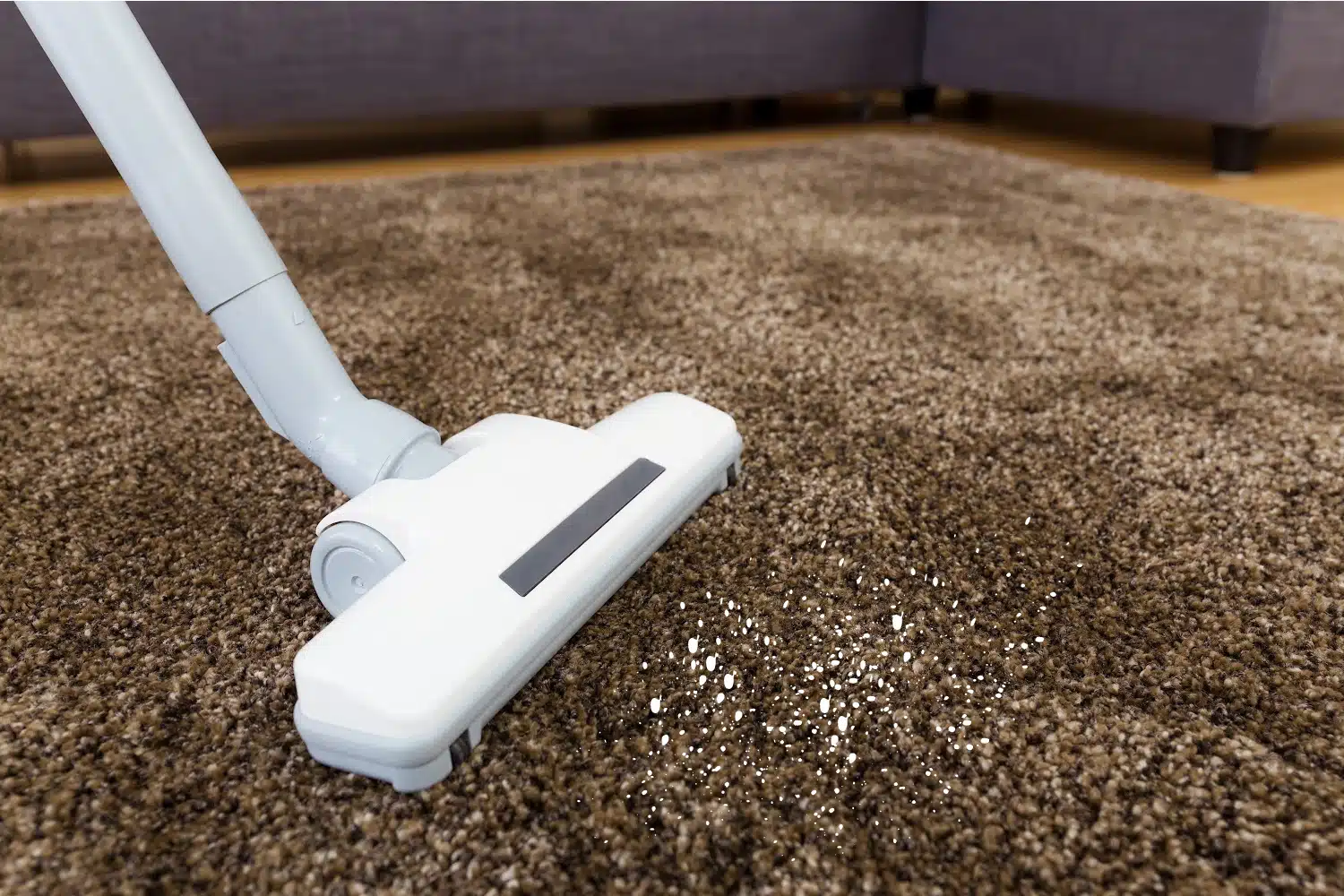
What I used before: Aerosol carpet powders
DIY swap: Sprinkle baking soda on carpets, let sit, then vacuum. Optional: add a few drops of essential oil for scent.
Carpets tend to trap odors from pets, cooking, and everyday life. Baking soda naturally absorbs many of those odors without introducing artificial fragrances. I let it sit for at least 15 to 30 minutes before vacuuming for the best results. The difference is often noticeable immediately, especially in high-traffic areas.
Oven Cleaner
What I used before: Strong chemical oven sprays
DIY swap: Make a paste with baking soda and water, coat oven surfaces, let sit overnight, and wipe clean.
Store-bought oven cleaners can be effective, but the fumes alone were enough to make me look for alternatives. This baking soda paste requires more patience, but it works remarkably well on baked-on grease and food residue. Letting it sit overnight allows it to soften stubborn buildup, making cleanup much easier the next day. A little extra scrubbing may be needed, but the tradeoff is avoiding harsh chemical odors.
This post may contain affiliate links or sponsored content. Disclosure Policy