10 Things to Know About Eating Cheap at the Grocery Store
Eating on a budget sounds simple in theory—just buy the lowest-priced foods and spend less overall. In reality, grocery costs, food waste, and nutrition trade-offs make “eating cheap” more complicated than it used to be. Many shoppers discover that focusing only on price at checkout doesn’t always lead to saving money over time. Smarter budget eating today is about value, flexibility, and reducing waste—not just picking the cheapest item on the shelf.
Assuming the Lowest Price Is the Best Value

The cheapest item on the shelf is not always the most economical choice in the long run. Larger packages or higher-quality staples often cost more upfront but provide a lower cost per serving. Looking at price per ounce, meal, or gram of protein gives a more accurate picture of value. This small shift in thinking can significantly change grocery spending.
Avoiding Frozen Foods

Frozen foods are still unfairly viewed as lower quality by many shoppers. In reality, frozen fruits, vegetables, and proteins are often more affordable and last much longer than fresh alternatives. They are typically frozen at peak ripeness, which helps preserve nutrients. Choosing frozen options can also reduce food waste and make meal planning easier.
Buying Only Fresh Produce
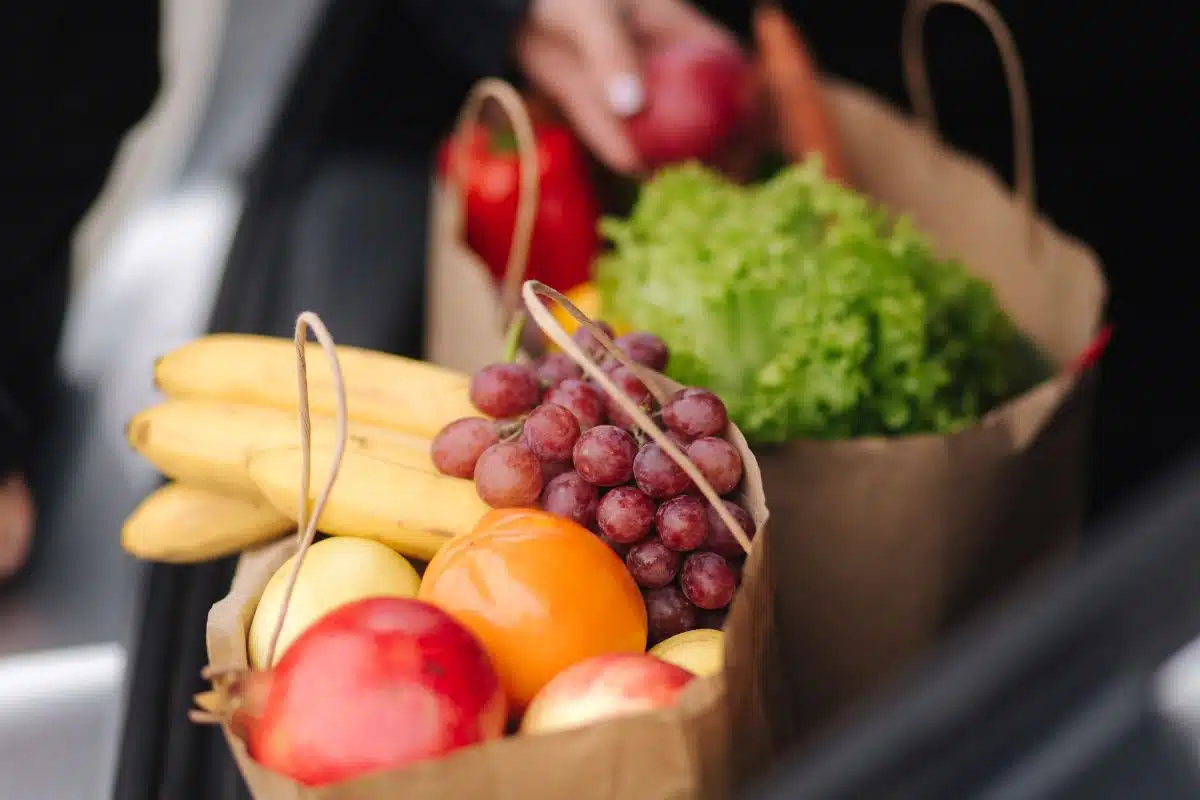
Fresh produce is important, but relying on it exclusively can increase both cost and waste. Many fresh items spoil quickly, especially when not used immediately. Adding frozen and canned options helps stretch meals further and keeps ingredients available longer. A mixed approach is often more budget-friendly and practical.
Ignoring Protein Efficiency

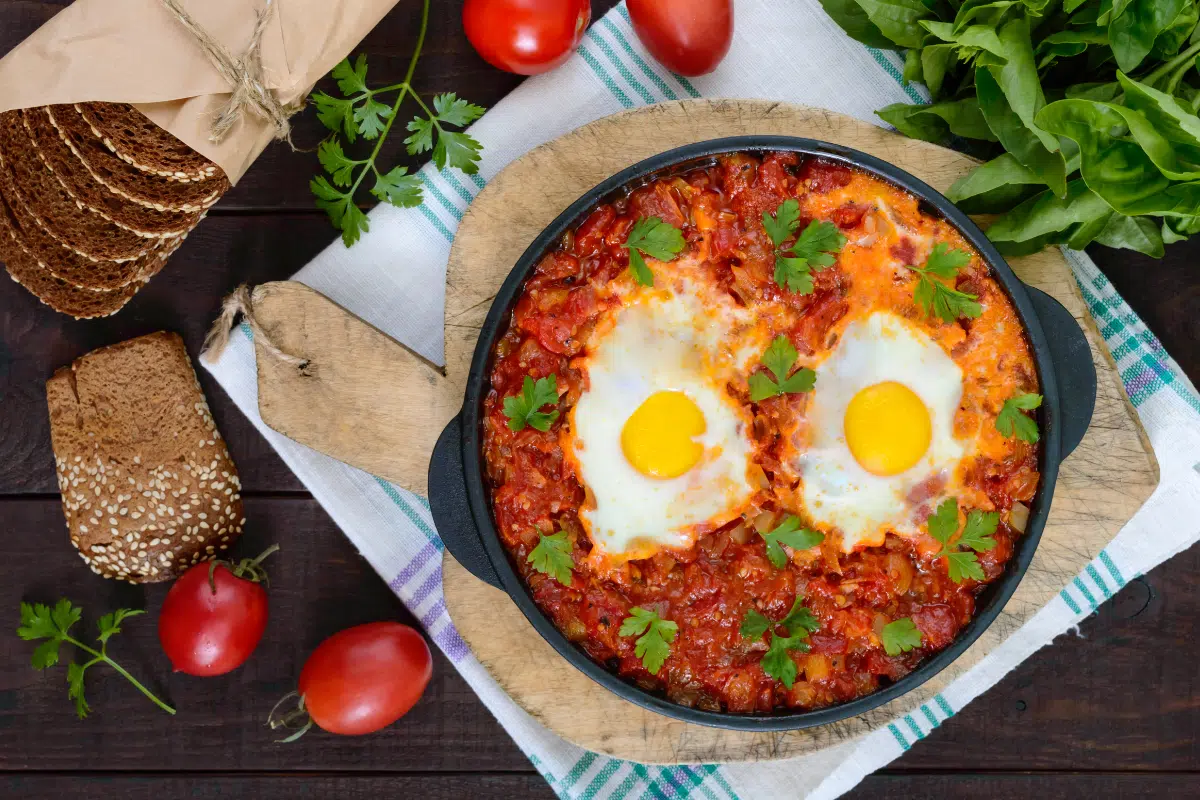
Not all protein sources offer the same value per serving. While meat is often prioritized, more affordable options like eggs, beans, lentils, Greek yogurt, and canned fish can deliver strong nutrition at a lower cost. These alternatives often stretch further and work in multiple meals. Thinking in terms of protein per dollar can make budgeting easier.
Shopping Without a Meal Plan

Impulse shopping or buying sale items without a plan often leads to wasted food and extra spending. Ingredients don’t always align, which results in unused items sitting in the fridge. Meal planning helps ensure that everything purchased has a purpose. This approach reduces both cost and food waste.
Overlooking Store Brands
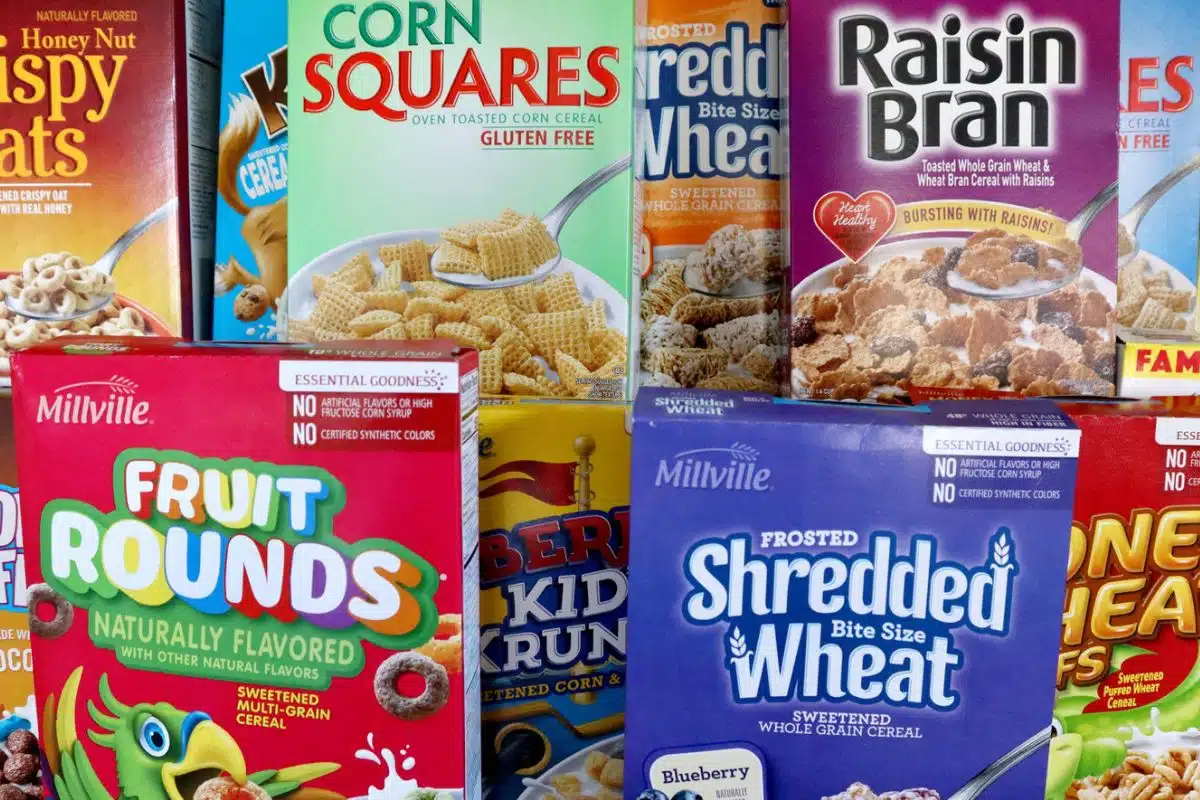
Store-brand products are often overlooked despite offering similar quality to name brands. Many are produced in the same facilities or meet comparable standards. Pantry staples like rice, oats, canned goods, and dairy are especially good candidates for switching. Choosing store brands can lead to noticeable savings over time.
Chasing “Health” Labels

Labels like “organic,” “natural,” or “clean” can significantly increase grocery bills. While these terms appeal to health-conscious shoppers, they don’t always guarantee better nutrition. Focusing on whole foods and nutrient density often provides better value. Understanding marketing terms helps prevent unnecessary spending.
Not Calculating Cost Per Meal

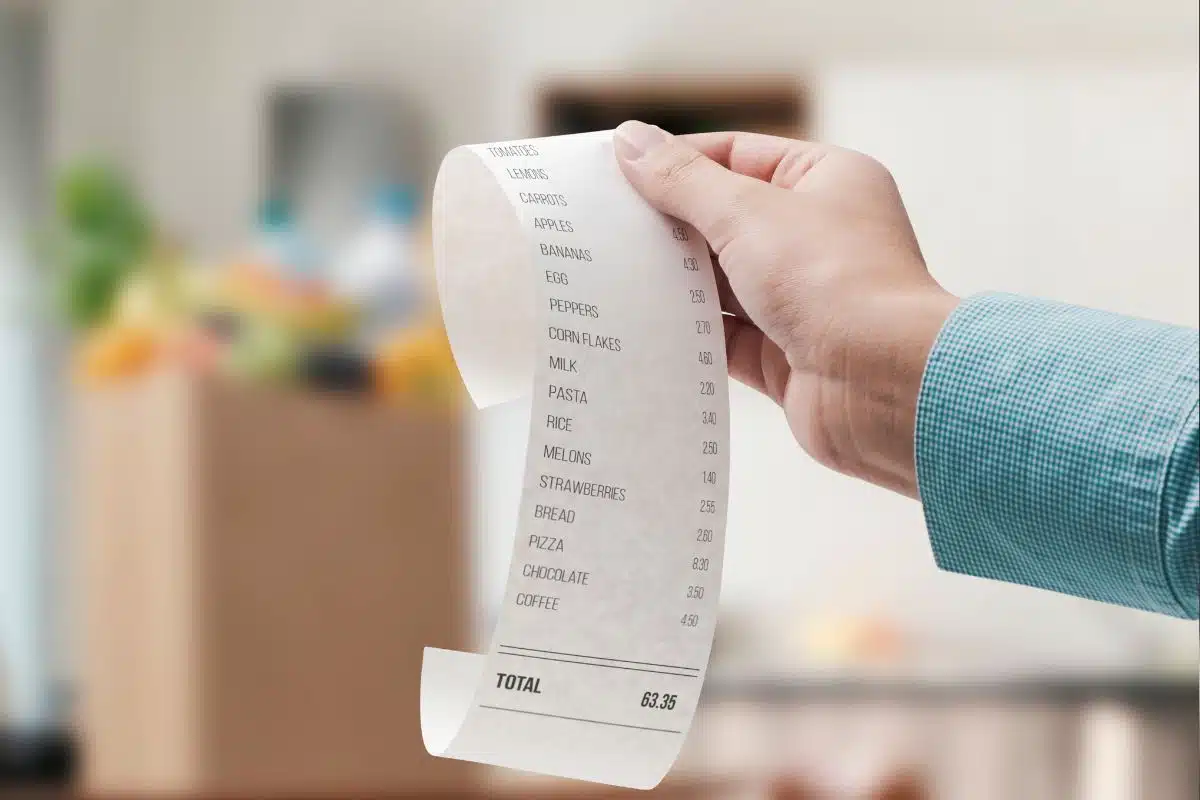
Looking only at the total receipt can be misleading when comparing groceries to prepared food. A single store-bought meal may seem cheaper than cooking, but ingredients often stretch across multiple meals. Calculating cost per meal gives a more realistic view of savings. This perspective often favors home cooking.
Buying Too Many Ingredients
Complicated recipes with long ingredient lists often lead to unused items and wasted food. Many budget-friendly meals today rely on simple, flexible staples that can be used in multiple dishes. Ingredients like rice, eggs, potatoes, tortillas, and basic proteins are especially versatile. Simpler cooking often leads to lower costs and less waste.
Skipping Bulk Staples

Bulk purchases of pantry basics can significantly reduce long-term grocery spending. Items like oats, beans, rice, flour, and pasta are typically much cheaper in larger quantities. When stored properly, they last a long time and form the foundation of many meals. This approach is especially useful for households trying to stretch their budget.
Forgetting About Food Waste

Food waste is one of the most overlooked factors in grocery spending. Buying more than you can use or letting leftovers go uneaten adds up quickly over time. Planning for leftovers, freezing portions, and repurposing ingredients helps maximize every purchase. Reducing waste is often one of the fastest ways to lower food costs.
Thinking “Eating Cheap” Means Eating Poorly
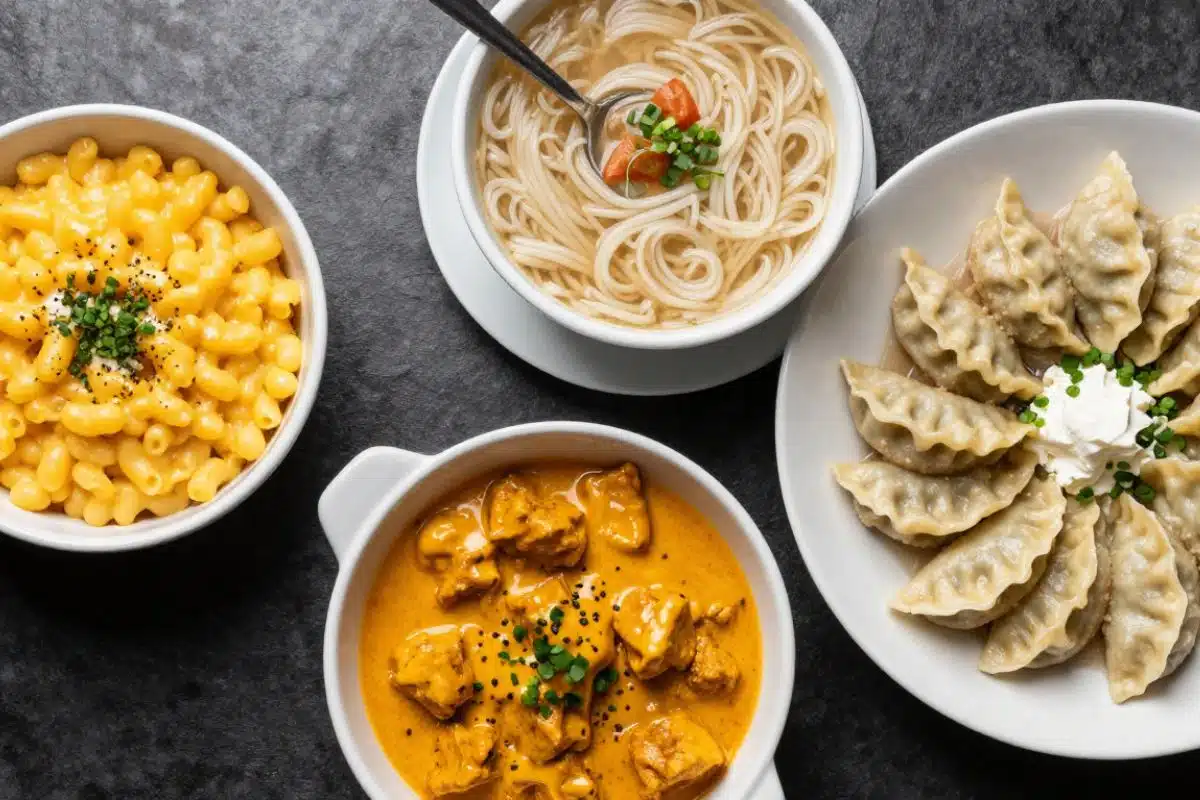
Budget-friendly eating is often misunderstood as being limited or low quality. In reality, many affordable staples are nutrient-dense and highly versatile. Whole foods like beans, oats, eggs, and seasonal produce can support both health and savings. With the right approach, eating well on a budget is entirely achievable without sacrificing nutrition.
This post may contain affiliate links or sponsored content. Disclosure Policy