
Where Should You Store Butter? It Depends on How You Use It
Butter seems simple enough to store, but the best spot depends on how quickly you use it and how warm your kitchen gets. Keeping a small amount at room temperature can make breakfast and baking easier, while refrigeration is better for longer storage. Freezing is another practical option when you find butter on sale and want to stock up. Here’s what to know about keeping butter fresh, flavorful, and ready to use.
Refrigerate Butter for Longer Storage
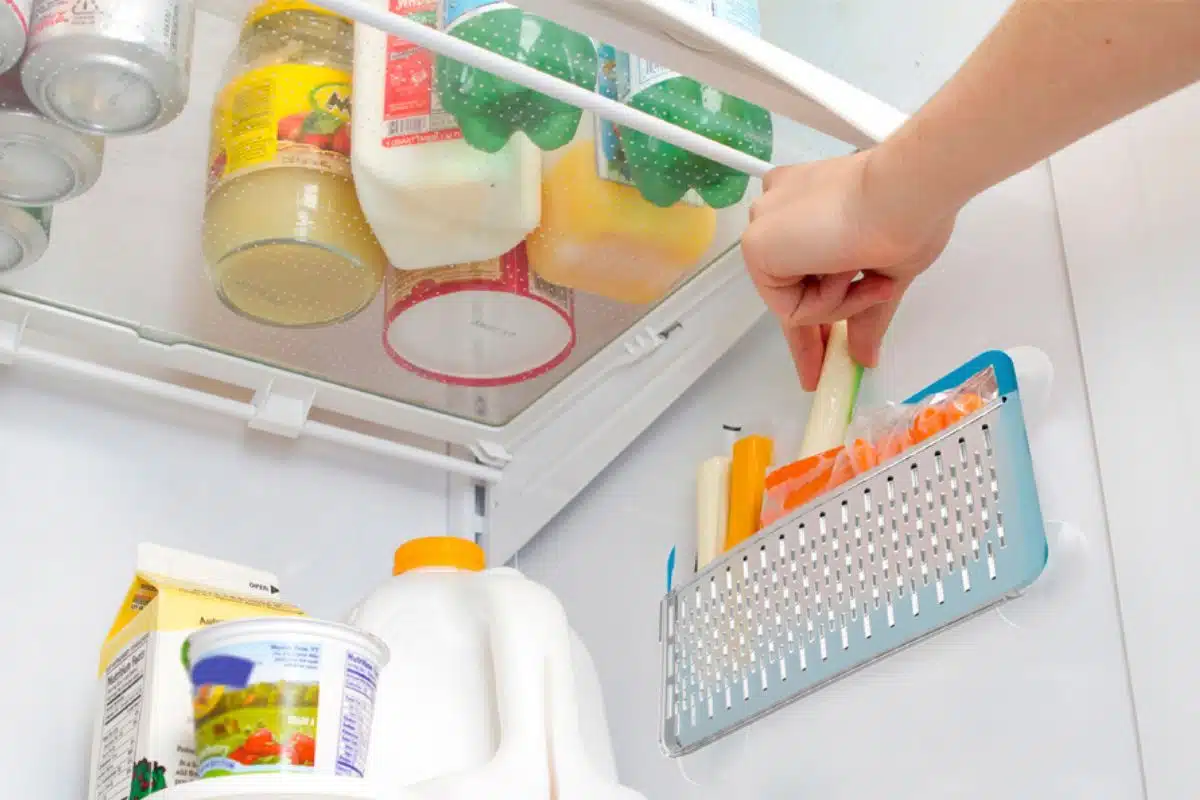
The refrigerator is a good choice when you won’t use your butter quickly or want to preserve its quality for longer. Cold temperatures slow the processes that cause fats to develop stale or rancid flavors. Keep butter well wrapped or in a covered container because it can pick up odors from strongly flavored foods in the refrigerator. For the best results, keep your refrigerator at 40°F or below, which is the USDA’s recommended refrigerator temperature.
Keeping Butter on the Counter Can Be Practical
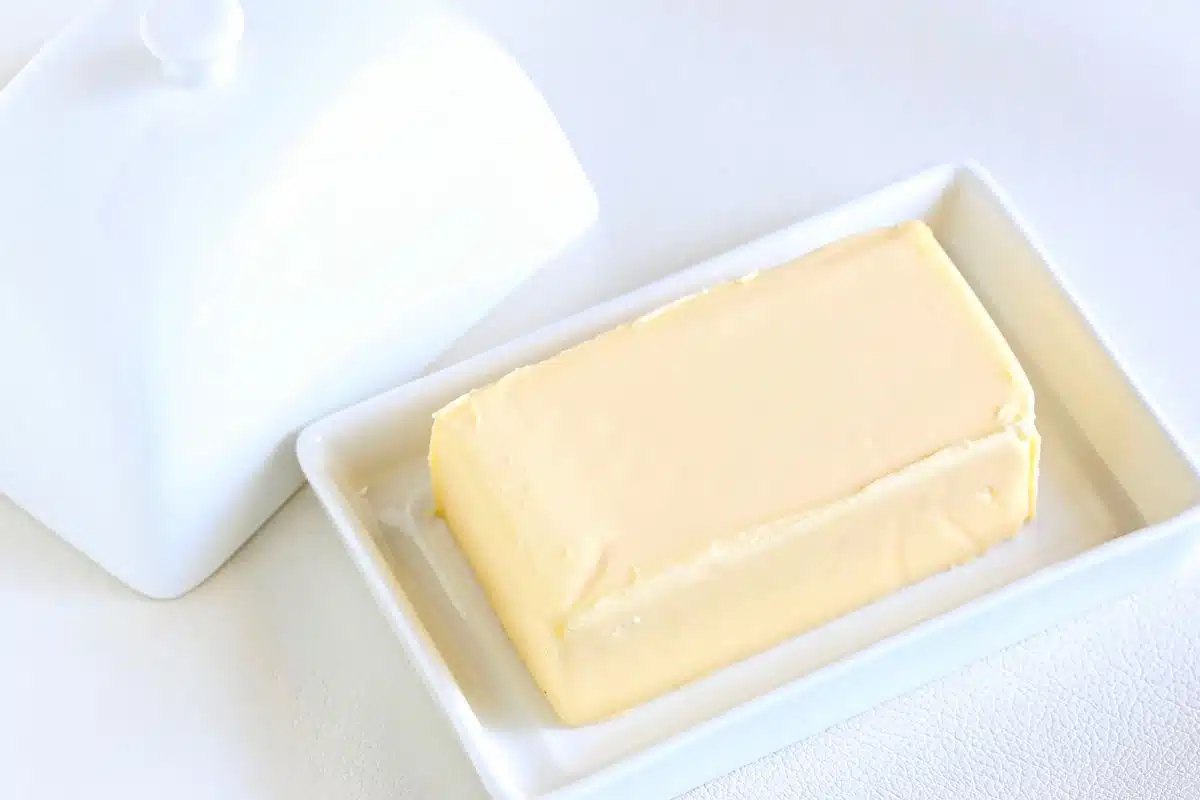
Butter doesn’t necessarily need to live in the refrigerator all the time. University of Minnesota Extension lists butter among foods that can be kept at room temperature, with the main concern being quality and rancidity rather than the same bacterial risks associated with many other perishable foods. A covered butter dish can keep a small amount protected and convenient for spreading. If your kitchen is particularly warm, however, refrigeration can help the butter maintain better quality.
Keep Butter Covered to Protect Its Flavor
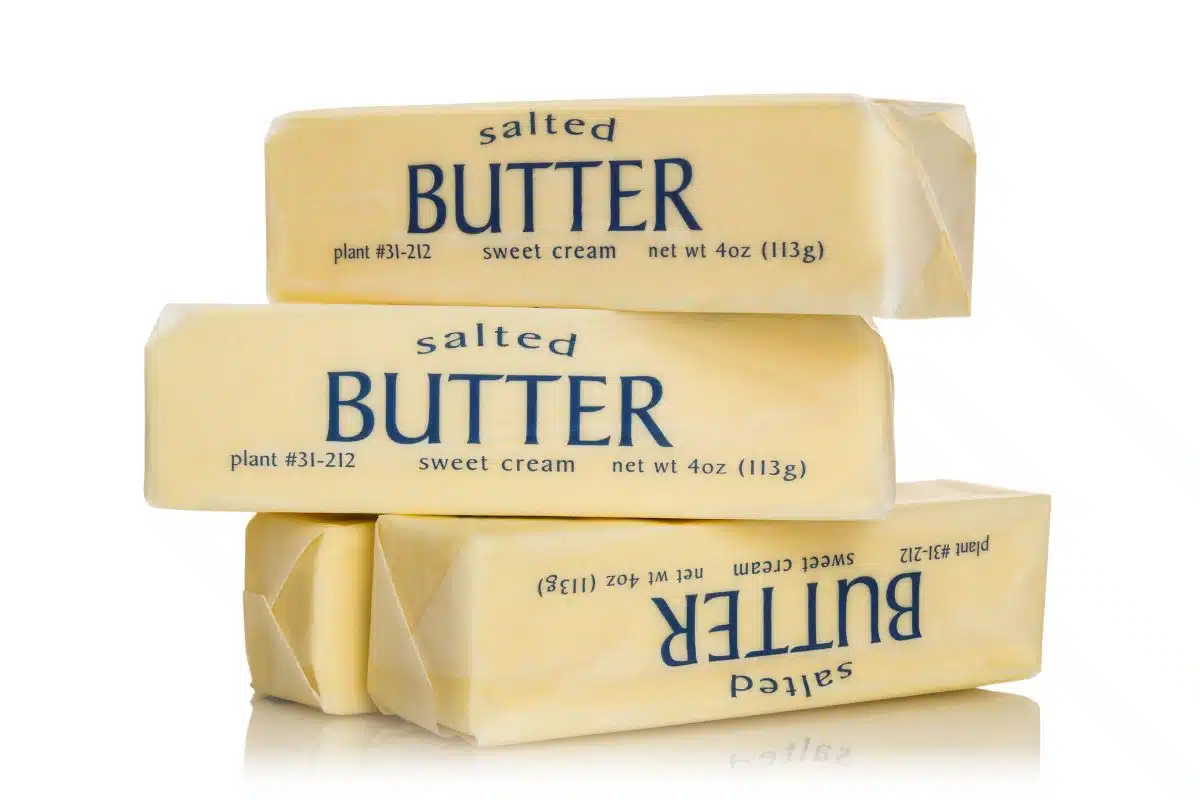
Whether you keep butter in the refrigerator or on the counter, keeping it covered is a smart habit. Butter can pick up unwanted flavors and odors from foods stored nearby, particularly strongly scented ingredients and leftovers. A butter dish with a lid or an airtight container provides an extra layer of protection. The FDA also recommends keeping refrigerated foods covered or in sealed storage bags and containers.
Portioning Butter Makes Countertop Storage Easier
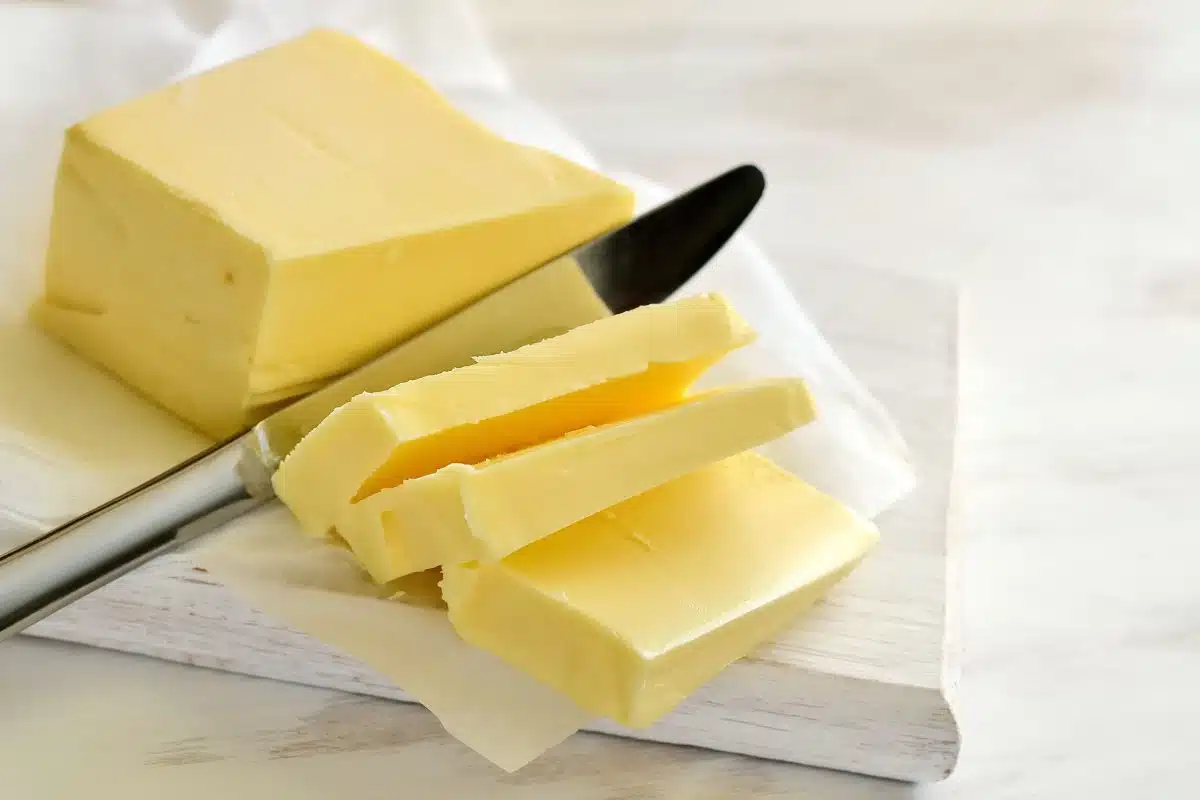
If you like soft butter but don’t want an entire package sitting out, portioning it can be a useful solution. Keep most of the butter refrigerated and place a smaller amount in a covered dish for everyday use. That way, you aren’t repeatedly warming and cooling the entire package. It also makes it easier to notice changes in the butter before they affect a larger quantity.
Freezing Butter Is a Great Way to Stock Up
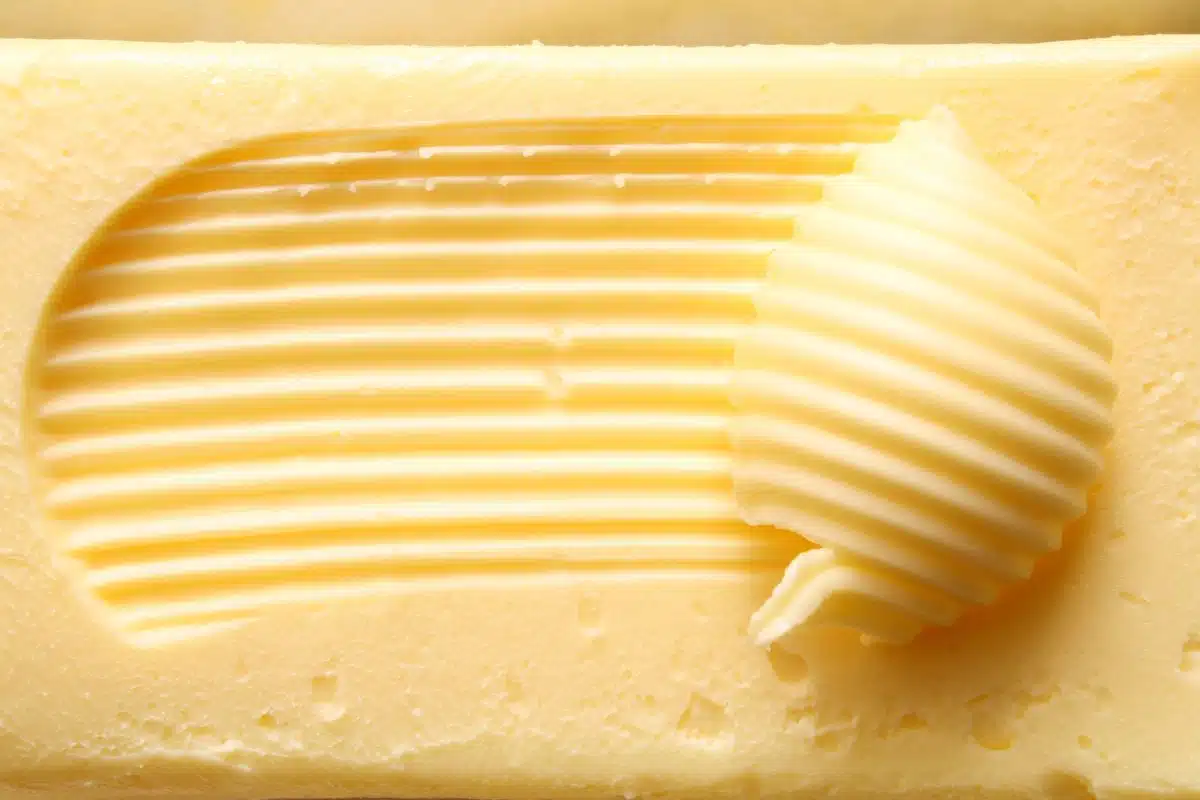
Found a good sale on butter? Freezing it is a practical way to buy extra without having to use it right away. Keep the butter tightly wrapped in freezer-safe packaging to protect it from air and freezer odors, and thaw it in the refrigerator when you’re ready to use it. Freezing keeps food safe for a very long time, although quality can decline with extended freezer storage.
Keep Butter Away From Heat and Direct Sunlight

If you keep butter on the counter, where you put it matters. A covered dish tucked into a cool, shaded area is a better choice than a spot next to a sunny window, stove, oven, or other heat source. Heat can cause butter to soften or melt and can speed up changes in flavor and quality. Choosing a stable, relatively cool location helps your countertop butter stay in better condition.
Don’t Rely Only on the Date on the Package
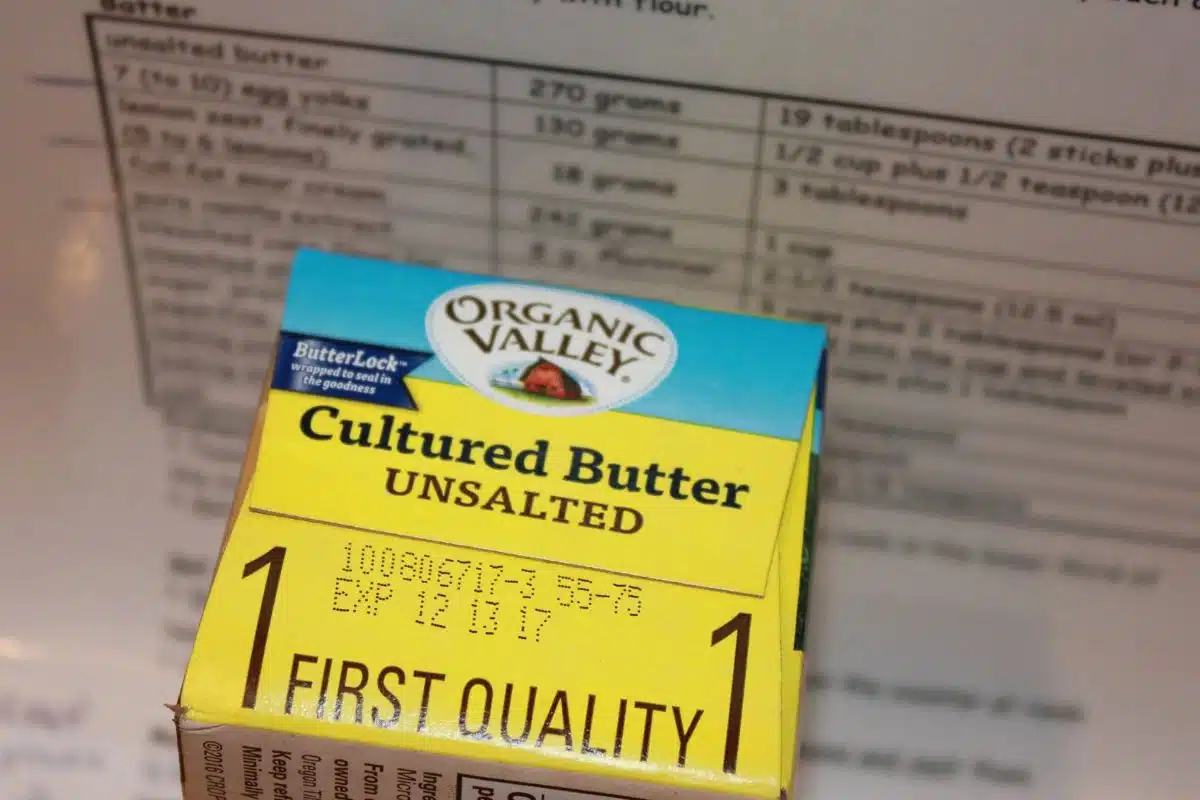
A date printed on food packaging isn’t necessarily a safety deadline. FDA explains that manufacturers use date labels primarily to communicate expected quality, and the wording can vary from one product to another. Instead of relying on the date alone, pay attention to the butter’s appearance, smell, and overall condition. If it develops a rancid or otherwise unpleasant odor, or looks questionable, it’s best to discard it rather than risk ruining a recipe.
A Butter Bell Can Keep Everyday Butter Soft
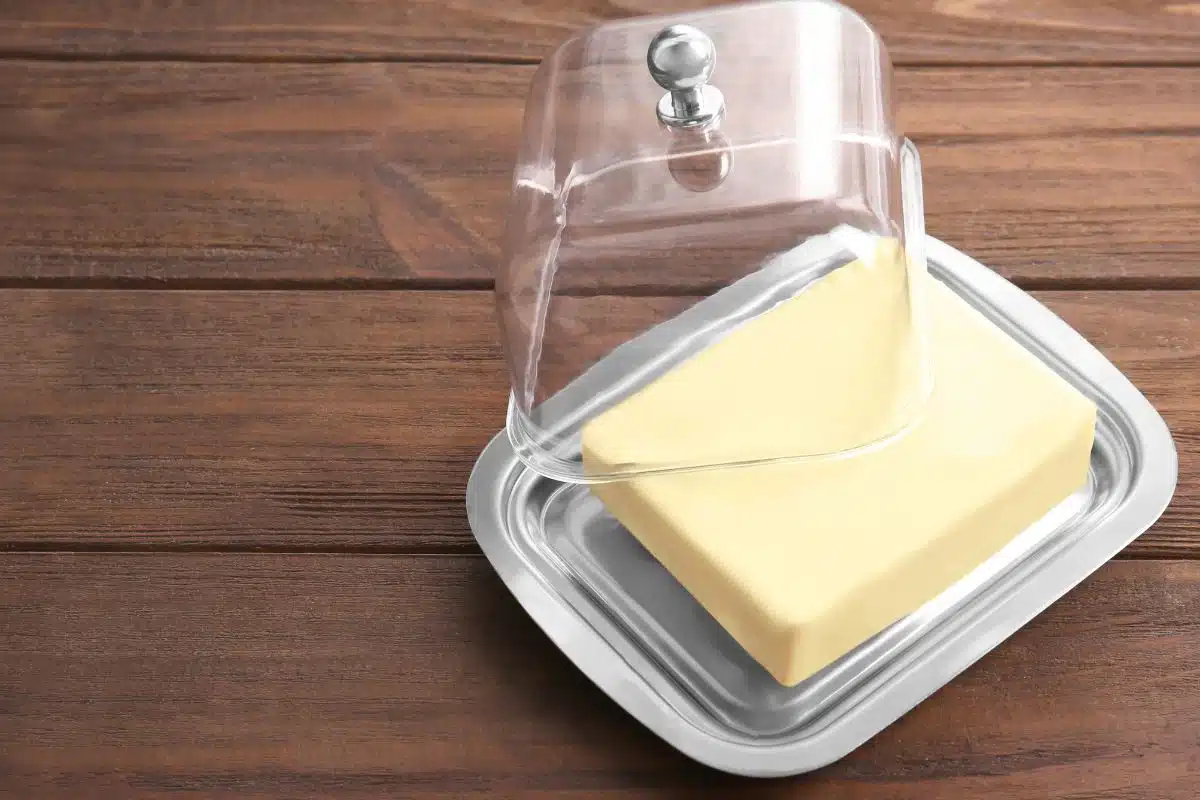
A butter bell or covered butter keeper is another option for people who prefer spreadable butter at room temperature. Traditional butter bells use a small amount of water to help create a seal around the butter, while other covered dishes simply protect the butter from air, dust, and kitchen odors. If you use a water-filled butter bell, follow the manufacturer’s cleaning and water-changing instructions. For households with a warm kitchen, refrigerator storage may still be the better choice.
The Best Storage Method Depends on Your Kitchen

There isn’t one storage method that works perfectly for everyone. If you use butter frequently, keeping a small amount covered at room temperature can make it easier to spread and cook with. If you use it less often, refrigeration is a simple way to maintain quality, while freezing makes sense when you want to stock up. The most important thing is to protect butter from heat, light, air, and strong odors and pay attention to changes in smell or appearance. When stored thoughtfully, that package of butter can stay useful much longer—and there’s no reason to sacrifice convenience to keep it fresh.
This post may contain affiliate links or sponsored content. Disclosure Policy