
Why Farm-to-Table Dining Is Making a Strong Comeback
The farm-to-table movement is no longer just about sourcing ingredients from nearby farms—it’s reshaping how restaurants think about food from the ground up. Today’s chefs are embracing seasonality, reducing food waste, supporting regional agriculture, and creating menus that reflect the communities they serve. At the same time, diners are becoming more interested in where their food comes from, how it’s grown, and the people behind it. From neighborhood bistros to award-winning restaurants, farm-to-table has evolved into a dining philosophy that celebrates freshness, transparency, and local flavor in ways that continue to influence the restaurant industry.
Local-First Chefs Are Redefining Fine Dining

Today’s chefs are building stronger relationships with nearby farmers, ranchers, cheesemakers, and specialty producers rather than relying on large national distributors whenever possible. By planning menus around what is available locally, restaurants can highlight ingredients at their seasonal peak while supporting regional businesses. This collaborative approach often leads to more creative dishes because chefs allow fresh ingredients to inspire the menu instead of forcing recipes year-round. It also creates a stronger connection between diners and the local food community.
Seasonal Menus Keep Every Visit Fresh

Rather than offering identical menus throughout the year, many restaurants now rotate dishes as crops come into season. Spring asparagus, summer berries, autumn squash, and winter root vegetables each have their time to shine, giving guests something new to discover throughout the year. Seasonal cooking often means ingredients travel shorter distances and are served closer to harvest, helping preserve freshness and flavor. For regular customers, the changing menu becomes part of the experience.
Regenerative Farming Is Becoming a Priority
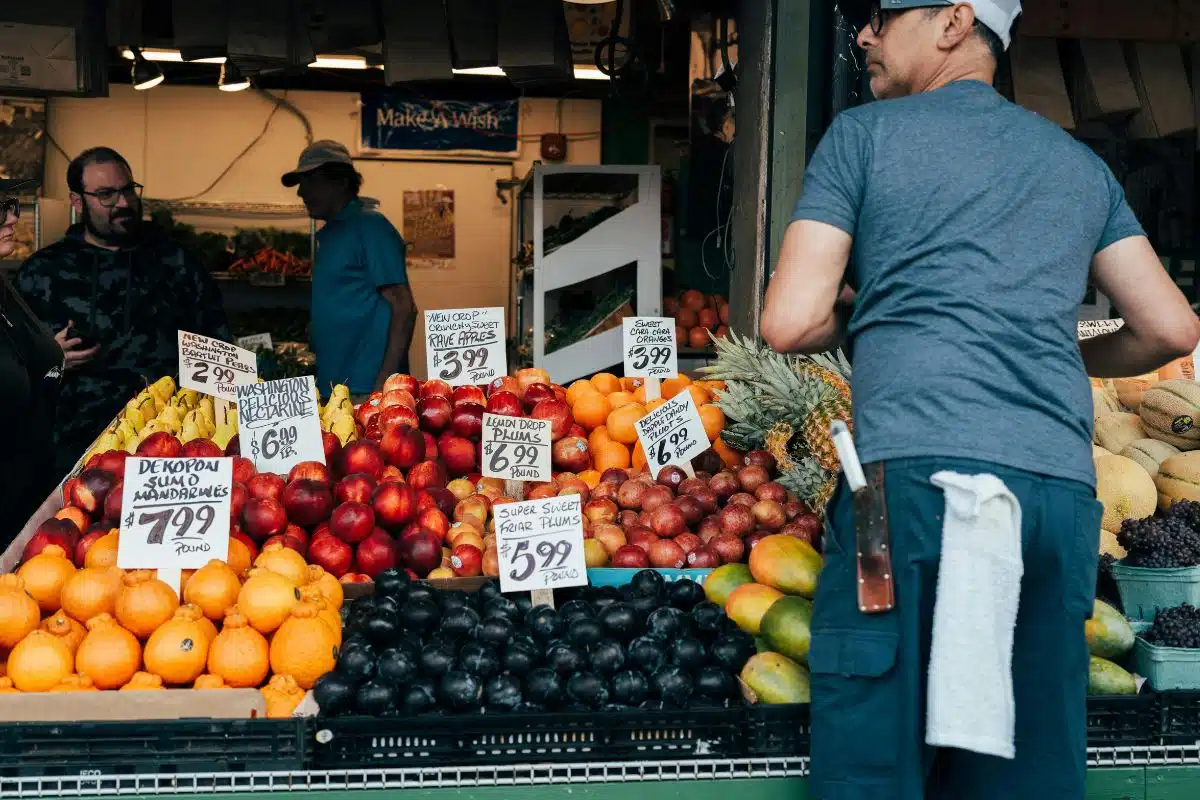
Many restaurants are expanding beyond simply buying local by partnering with farms that use regenerative agriculture practices. These farms focus on improving soil health, encouraging biodiversity, and reducing erosion while producing fruits, vegetables, and livestock. While regenerative farming looks different from one farm to another, interest continues to grow because of its potential environmental benefits. Restaurants increasingly share these sourcing partnerships with customers who want to know more about how their food is produced.
Comfort Food Gets a Fresh Local Twist

Farm-to-table cooking isn’t limited to upscale tasting menus anymore. Many casual restaurants are updating familiar favorites like burgers, mac and cheese, roasted chicken, and pot pies using locally sourced meats, dairy products, vegetables, and grains. The recipes remain comforting and recognizable while benefiting from fresher ingredients and regional flavors. It’s an approachable way for more diners to experience locally sourced food without feeling intimidated.
Reducing Food Waste Inspires Better Cooking

Restaurants continue to find creative ways to reduce kitchen waste without sacrificing quality. Vegetable peels become flavorful stocks, herb stems are blended into sauces, and fruit that’s too ripe for display often finds new life in desserts, syrups, or preserves. Many chefs also embrace root-to-stem and nose-to-tail cooking techniques that maximize every ingredient. These practices not only reduce waste but often inspire new menu items that might not have existed otherwise.
Urban Farms Are Bringing Agriculture Into the City

Farm-to-table dining is thriving in cities thanks to rooftop gardens, hydroponic greenhouses, indoor vertical farms, and partnerships with nearby community growers. Restaurants in urban areas are discovering they don’t have to be surrounded by farmland to source fresh ingredients locally. Some even grow herbs and vegetables just steps from the kitchen. These hyperlocal partnerships shorten supply chains and allow restaurants to harvest produce at peak freshness.
More Restaurants Are Sharing the Story Behind the Food

Diners increasingly want to know more than what’s on the plate—they’re interested in who grew the vegetables, raised the livestock, or produced the cheese. Many restaurants now highlight local farms directly on their menus or introduce suppliers through social media and special events. This added transparency helps customers better understand the effort behind each meal while giving well-deserved recognition to local producers. It transforms dinner into a more meaningful experience.
Heritage Ingredients Are Making a Comeback
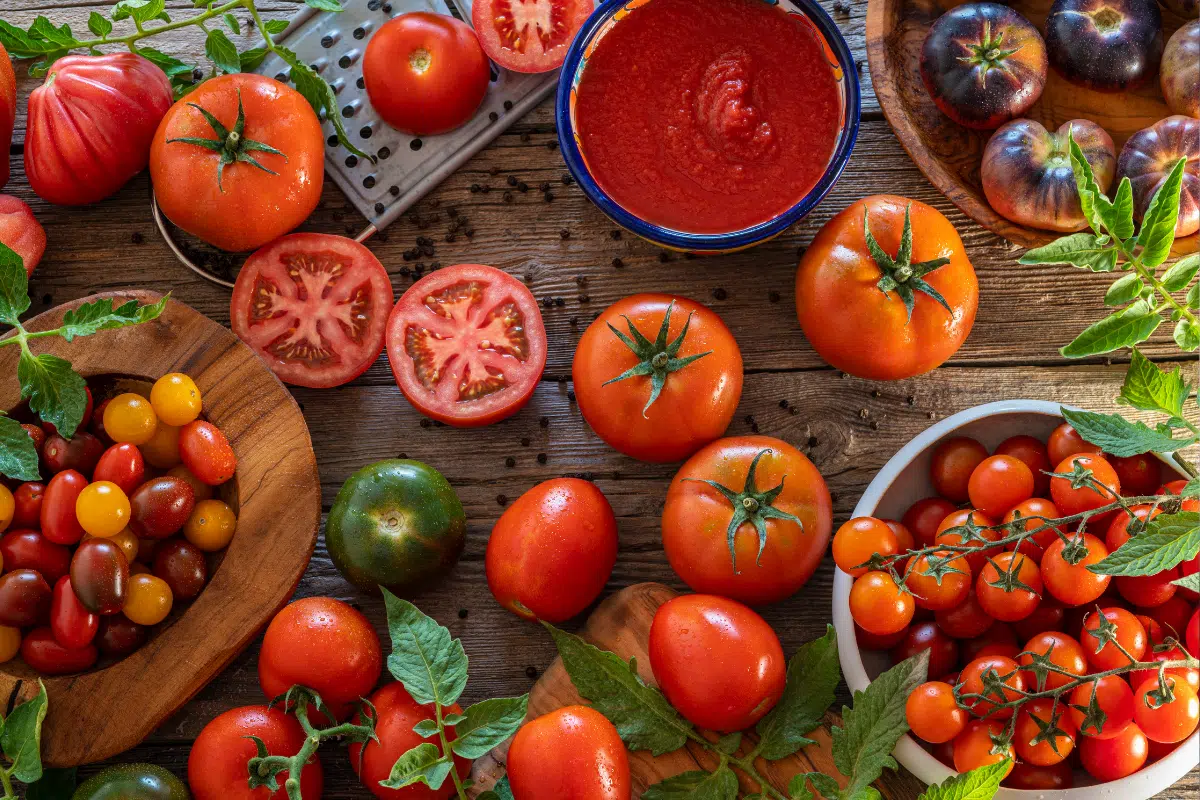
Chefs are rediscovering heirloom vegetables, heritage grains, regional fruit varieties, and traditional recipes that nearly disappeared over time. These ingredients often offer distinctive flavors and textures that differ from mass-produced alternatives. By featuring them on modern menus, restaurants help preserve agricultural diversity while introducing diners to foods they may have never tasted before. It’s a way of honoring local food traditions while keeping them relevant for today’s diners.
Restaurants Leading the Movement

While thousands of independent restaurants embrace local sourcing, several nationally recognized establishments continue to influence the broader farm-to-table movement through innovation, sustainability, and close partnerships with farmers.
- Blue Hill at Stone Barns (New York) — A leader in farm-driven dining that continues to redefine seasonal cuisine.
- The Grey (Savannah, GA) — Blends Southern heritage with modern seasonal cooking under Chef Mashama Bailey.
- Girl & the Goat (Chicago) — Known for bold, globally inspired dishes built around high-quality local ingredients.
- Husk (Charleston, SC) — Focuses on Southern ingredients and regional food traditions, updated for modern diners.
This post may contain affiliate links or sponsored content. Disclosure Policy