11 Pantry Staples That Can Turn Into Surprisingly Good Meals
Great meals don’t necessarily require specialty ingredients or complicated techniques. A well-stocked pantry gives you a foundation for building flavorful dinners, quick lunches, sauces, sides, and even desserts without making another trip to the store. The key is knowing how to combine familiar ingredients to create contrast—such as acidity, richness, sweetness, and savory depth. These 11 pantry staples can help turn an ordinary meal into something that feels a little more special.
Olive Oil

Olive oil is more than a cooking fat—it can also become part of the finished dish. Use it to sauté vegetables, make a simple vinaigrette, finish pasta, or drizzle over cooked vegetables, beans, or bread. Extra-virgin olive oil is particularly useful as a finishing oil because of its distinctive flavor. Keep it away from heat and light and use it while it’s fresh for the best flavor.
Garlic
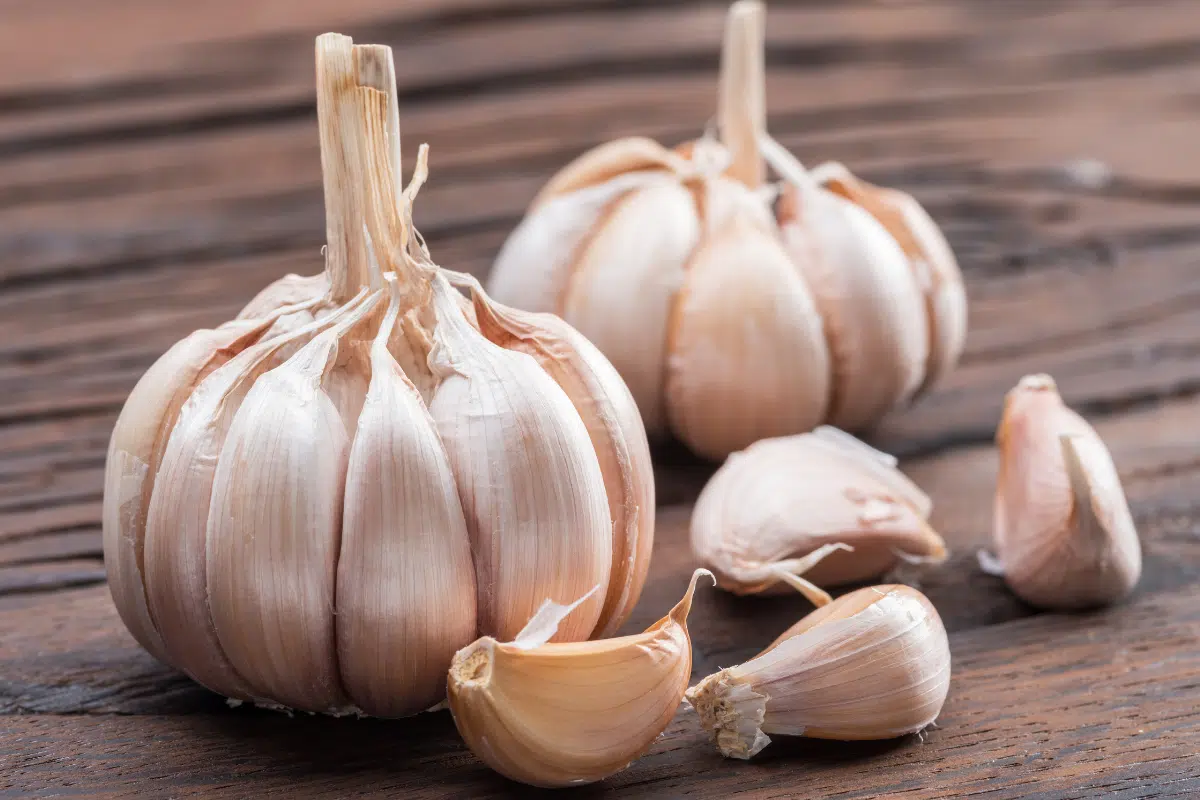
Garlic can add an entirely different character to a dish depending on how you cook it. Sautéing minced garlic briefly creates a fragrant base for sauces and vegetables, while roasting whole cloves produces a softer, sweeter flavor. It works naturally with soups, beans, pasta, meats, vegetables, and homemade dressings. Because fresh garlic is potent, adding it gradually makes it easier to control the final flavor.
Canned Tomatoes
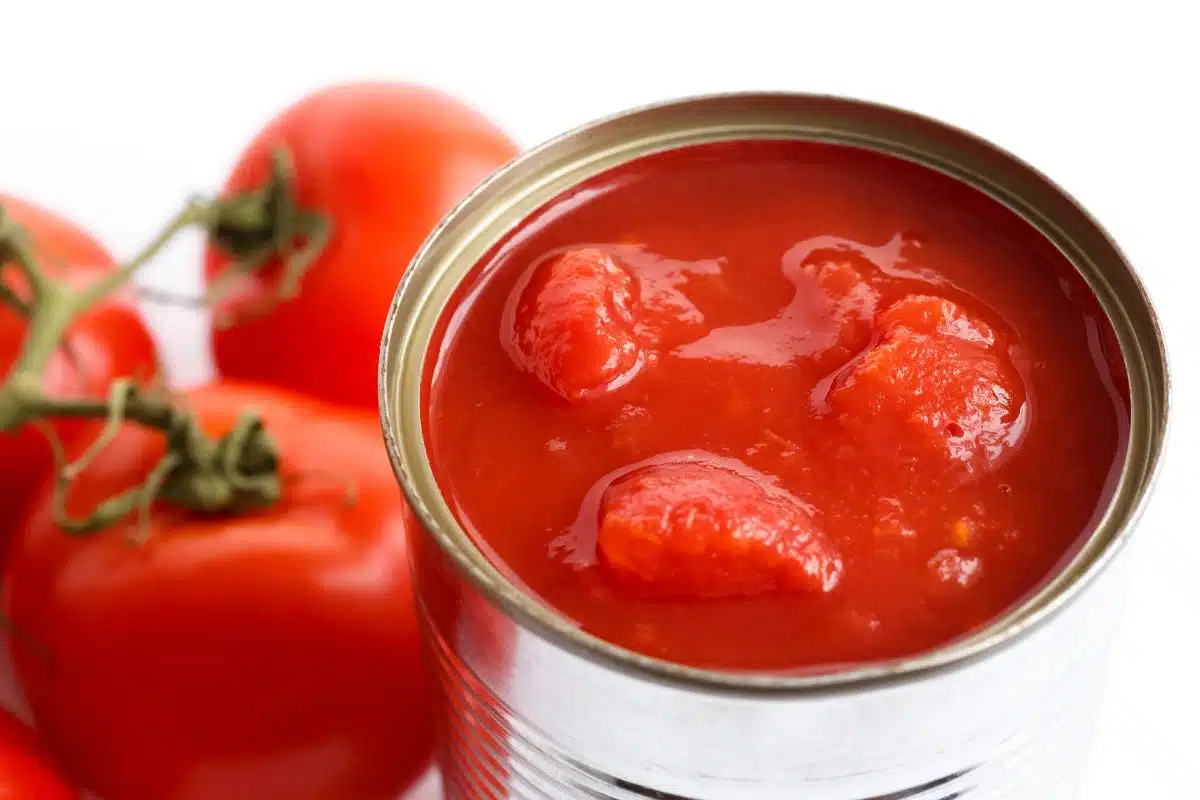
Canned tomatoes are a convenient starting point for meals that need plenty of flavor without much prep. Depending on the variety, they can become pasta sauce, soup, chili, shakshuka, or the base for a braised dish. Simmering tomatoes with garlic, onion, herbs, or spices helps concentrate their flavor. Keep both whole and diced tomatoes on hand if you regularly make quick pantry meals.
Parmesan Cheese
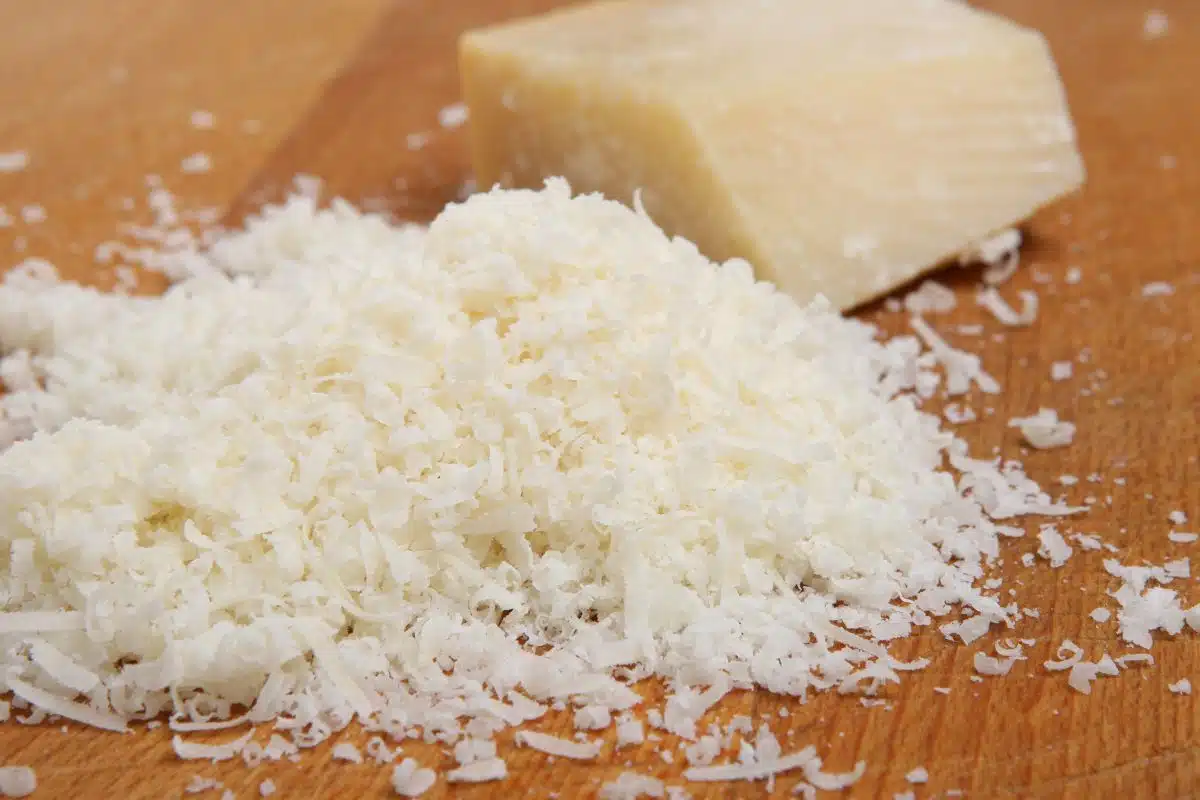
A small amount of Parmesan can add salty, savory flavor to otherwise simple foods. Grate it over pasta, risotto, roasted vegetables, soups, potatoes, or eggs just before serving. Parmesan rinds can also be saved and simmered in soups or sauces to add additional flavor, then removed before serving. For the best texture and flavor, buy a wedge and grate it as needed when practical.
Honey

Honey isn’t limited to toast and tea. A small amount can balance the acidity of a vinaigrette, add sweetness to a marinade, or help create caramelization on roasted vegetables and meats. It pairs particularly well with mustard, citrus, garlic, and vinegar. Because honey is quite sweet, start with a small amount and adjust the recipe to taste.
Lemon

Fresh lemon can make a simple dish taste brighter without requiring additional complicated ingredients. The juice works particularly well with fish, chicken, vegetables, grains, beans, and creamy sauces. Don’t overlook the zest, which contains aromatic oils and can add concentrated citrus flavor without extra liquid. Add lemon near the end of cooking or just before serving when you want its fresh, bright character to stand out.
Dried Herbs
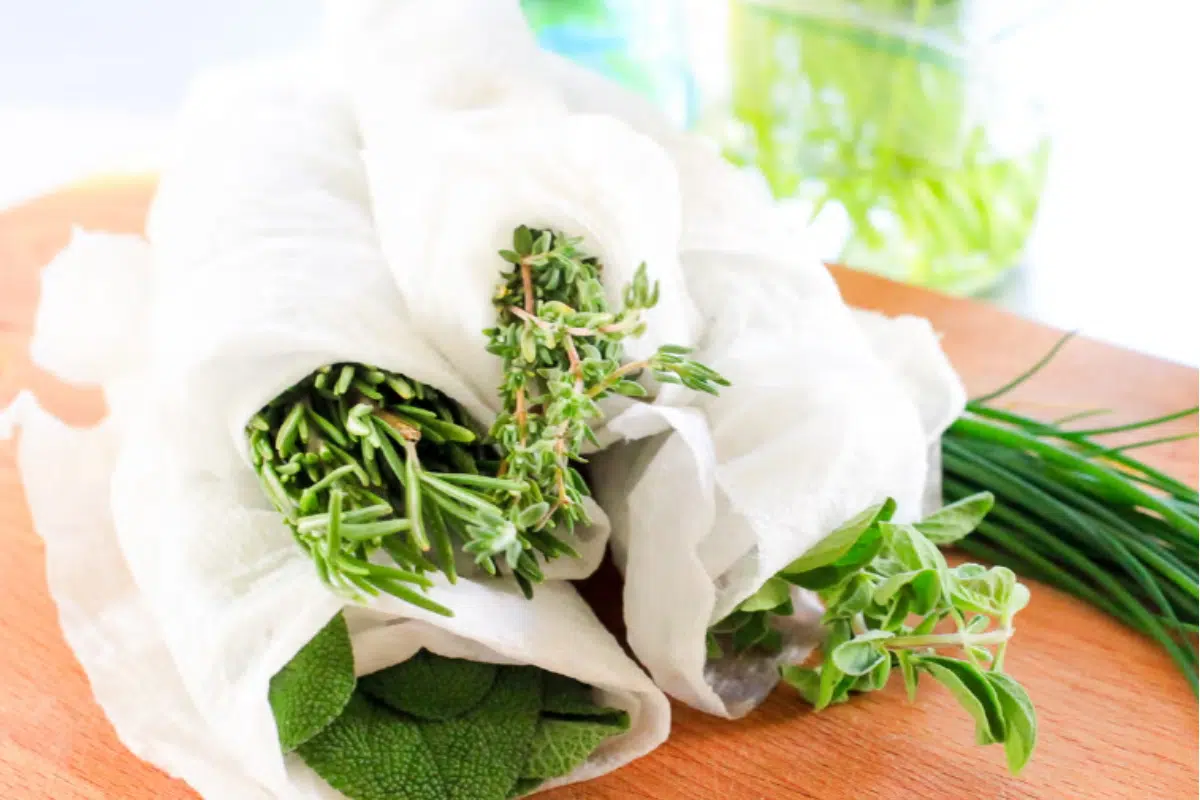
Dried herbs can add depth to pantry meals without requiring fresh produce every time you cook. Oregano, thyme, basil, rosemary, and Italian seasoning can complement everything from tomato sauces to roasted vegetables and chicken. Dried herbs are generally more concentrated than fresh herbs, so recipes often call for smaller amounts. Store them in a cool, dry, dark place and replace older jars when their aroma and flavor become noticeably weak.
Rice or Pasta
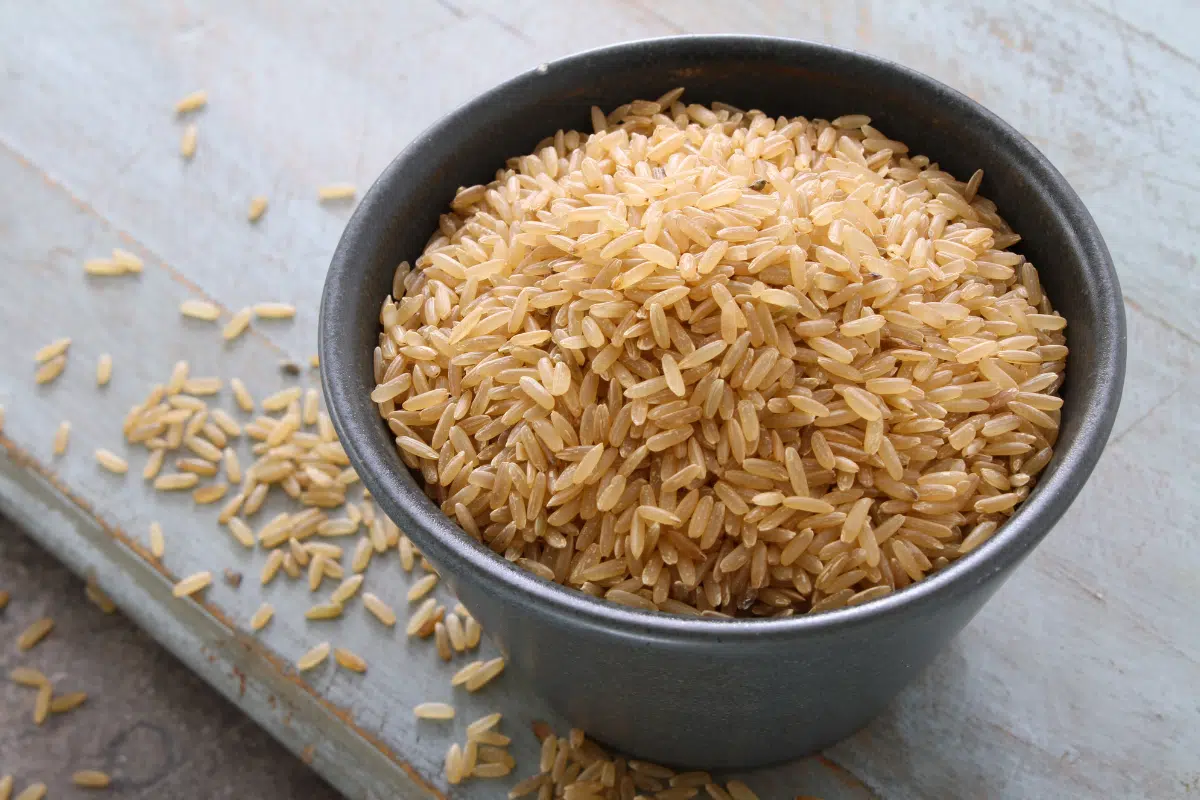
Rice and pasta can turn a handful of ingredients into a complete meal. Toss pasta with olive oil, garlic, Parmesan, and vegetables, or build a rice bowl with beans, roasted vegetables, a flavorful sauce, and a protein. Different varieties also change the texture and character of the finished dish, giving you plenty of options without buying specialty ingredients. Keeping at least one versatile rice or pasta variety in the pantry makes last-minute meals much easier.
Beans
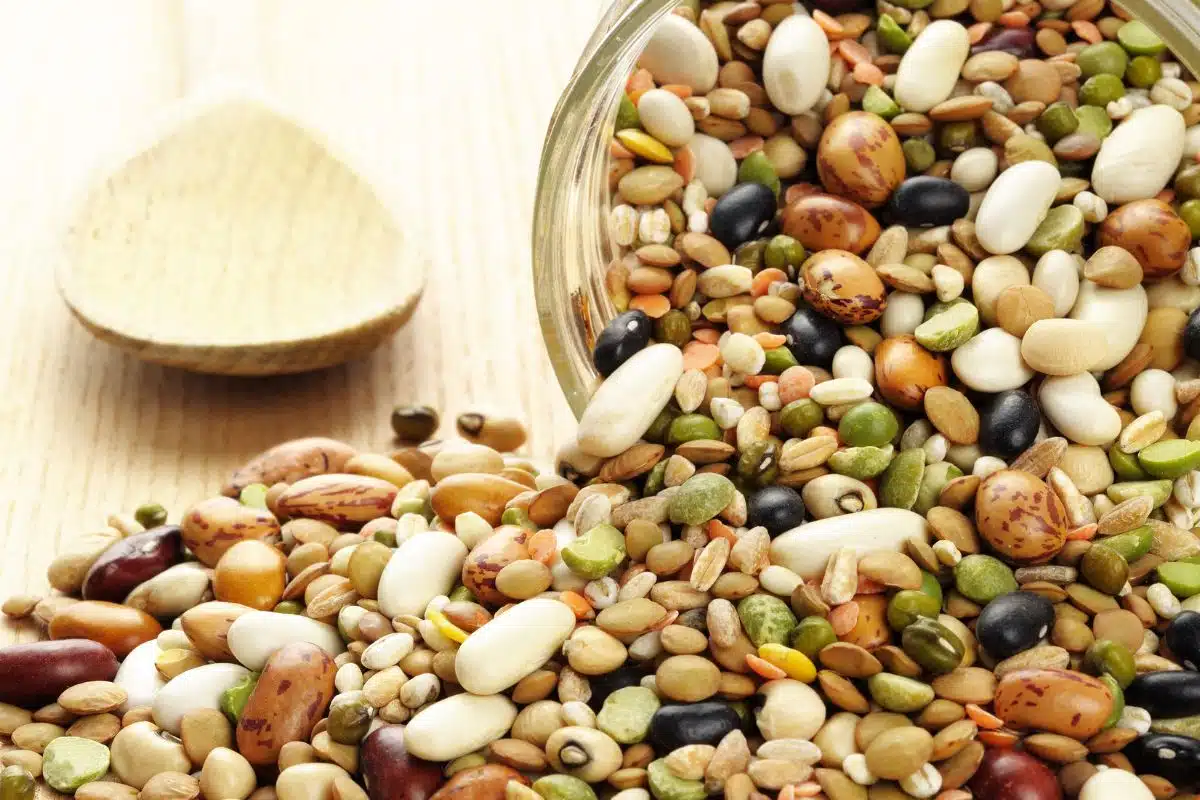
Beans are one of the most versatile ingredients to keep available for inexpensive meals. Canned beans can be rinsed and added to soups, salads, grain bowls, tacos, pasta dishes, and more with very little preparation. Dried beans generally cost less per serving but require more planning because they need to be cooked before use. Pair beans with acidic ingredients such as tomatoes or lemon, aromatic vegetables, herbs, and spices to build a satisfying meal from simple ingredients.
Nut Butters
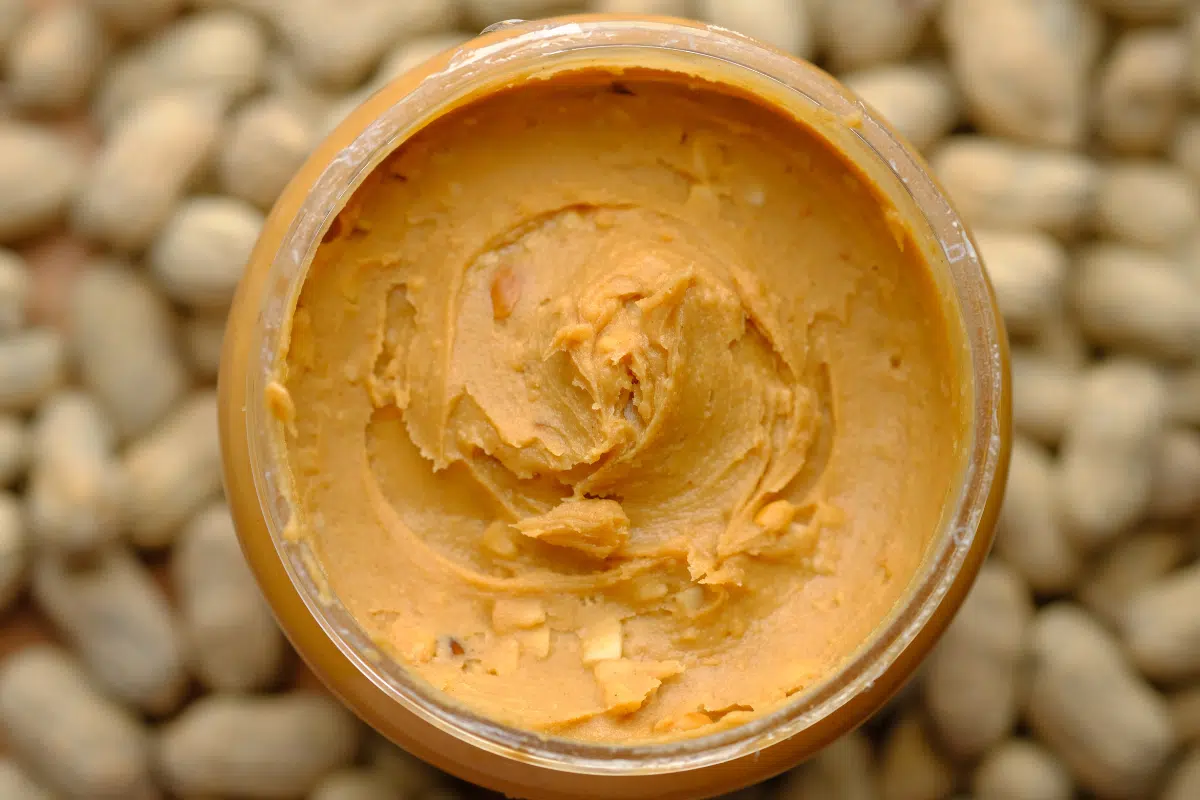
Peanut, almond, and other nut butters can bring richness and body to more than breakfast recipes. Peanut butter, for example, can form the base of a quick sauce when combined with ingredients such as soy sauce, lime juice, garlic, or ginger. Nut butters also work well in smoothies, oatmeal, baked goods, and simple snacks. Check the ingredient label if you’re looking for a particular type, since some varieties contain added sugar, salt, or oils.
Dark Chocolate

Dark chocolate can have a place in savory cooking when used carefully and in small quantities. A little unsweetened or bittersweet chocolate can add complexity to certain chili and mole-style sauces, where it complements spices and other rich flavors rather than making the dish taste like dessert. It’s also an obvious pantry staple for brownies, cookies, sauces, and simple desserts. Look for chocolate with a cocoa percentage and sweetness level that suits how you plan to use it.
This post may contain affiliate links or sponsored content. Disclosure Policy