Are Seed Oils Bad for You? What the Research Says
Seed oils have become one of the most hotly debated topics in nutrition. Some health influencers argue they’re responsible for rising rates of obesity, inflammation, and chronic disease, while many doctors, dietitians, and health organizations maintain that they can be part of a healthy diet. The truth is more nuanced than many online discussions suggest. Understanding what seed oils are, how they’re used, and what current scientific research has found can help you make informed choices without relying on fear or misinformation.
What Are Seed Oils?

Seed oils are vegetable oils extracted from the seeds of plants using mechanical pressing, chemical extraction, or a combination of both. Common examples include soybean, canola, sunflower, safflower, corn, grapeseed, cottonseed, and rice bran oil. These oils are inexpensive to produce, have a long shelf life, and are widely used in home kitchens, restaurants, and packaged foods. Because they contain mostly unsaturated fats, they have long been recommended as alternatives to animal fats like butter and lard.
Why Have Seed Oils Become So Controversial?

Much of the debate centers on the high concentration of omega-6 fatty acids found in many seed oils, particularly linoleic acid. Some critics believe modern diets contain far more omega-6 fats than omega-3 fats, creating an imbalance that could contribute to chronic inflammation and disease. Others raise concerns about the industrial refining process used to manufacture many commercial seed oils. While these concerns have fueled significant online discussion, researchers continue to study whether these factors translate into measurable health risks for most people.
What Does the Research Say About Inflammation?

Inflammation is one of the most common concerns raised about seed oils, but current research does not strongly support the claim that they directly cause chronic inflammation in healthy individuals. Numerous clinical trials and systematic reviews have found that consuming linoleic acid at typical dietary levels does not consistently increase inflammatory markers in the body. In some studies, replacing saturated fats with polyunsaturated fats has even been associated with favorable health outcomes. Researchers generally agree that overall dietary patterns have a much greater influence on inflammation than any single food or ingredient.
What About Heart Health?

Heart disease has been extensively studied in relation to dietary fats. Research consistently shows that replacing foods high in saturated fat with foods containing polyunsaturated fats can help lower LDL, often called “bad” cholesterol. Lower LDL cholesterol is associated with a reduced risk of cardiovascular disease over time. For this reason, organizations such as the American Heart Association continue to recommend replacing saturated fats with healthier unsaturated fats, including many vegetable oils.
The Role of Ultra-Processed Foods

One reason seed oils are often blamed for poor health is that they are common ingredients in ultra-processed foods. Fast food, packaged snacks, frozen meals, baked goods, and fried foods frequently contain seed oils alongside refined carbohydrates, added sugars, excess sodium, and preservatives. Because these foods contain multiple ingredients linked to poor health, it’s difficult to isolate the effects of the oil itself. Many nutrition experts believe the overall quality of the diet is far more important than whether a particular food contains seed oil.
Does Processing Matter?

Most commercially available seed oils undergo refining to improve flavor, appearance, and shelf stability. During processing, oils may be exposed to heat and filtration methods that remove impurities and extend their usable life. Some people prefer minimally processed oils because they retain more naturally occurring compounds, while others are concerned about the refining methods used in industrial production. Although research continues in this area, there is currently no strong evidence that refined seed oils are inherently harmful when consumed in moderation.
What Happens When Seed Oils Are Heated?
All cooking oils change when exposed to high temperatures, especially during repeated heating. Deep frying in the same oil multiple times can lead to oxidation, producing compounds that may negatively affect food quality and potentially health. This is a greater concern in commercial food preparation than in typical home cooking. Using fresh oil, avoiding excessive overheating, and following recommended cooking temperatures can help reduce oxidation regardless of the type of oil being used.
Do Seed Oils Cause Weight Gain?

There is no convincing evidence that seed oils uniquely cause weight gain. Like all fats, they contain about 120 calories per tablespoon, making portion size an important consideration. Weight gain is primarily driven by consuming more calories than the body burns over time rather than by any single ingredient. Since many foods containing seed oils are highly processed and calorie-dense, they may contribute to overeating, but the oil itself has not been shown to be the direct cause.
Are There Healthier Alternatives?
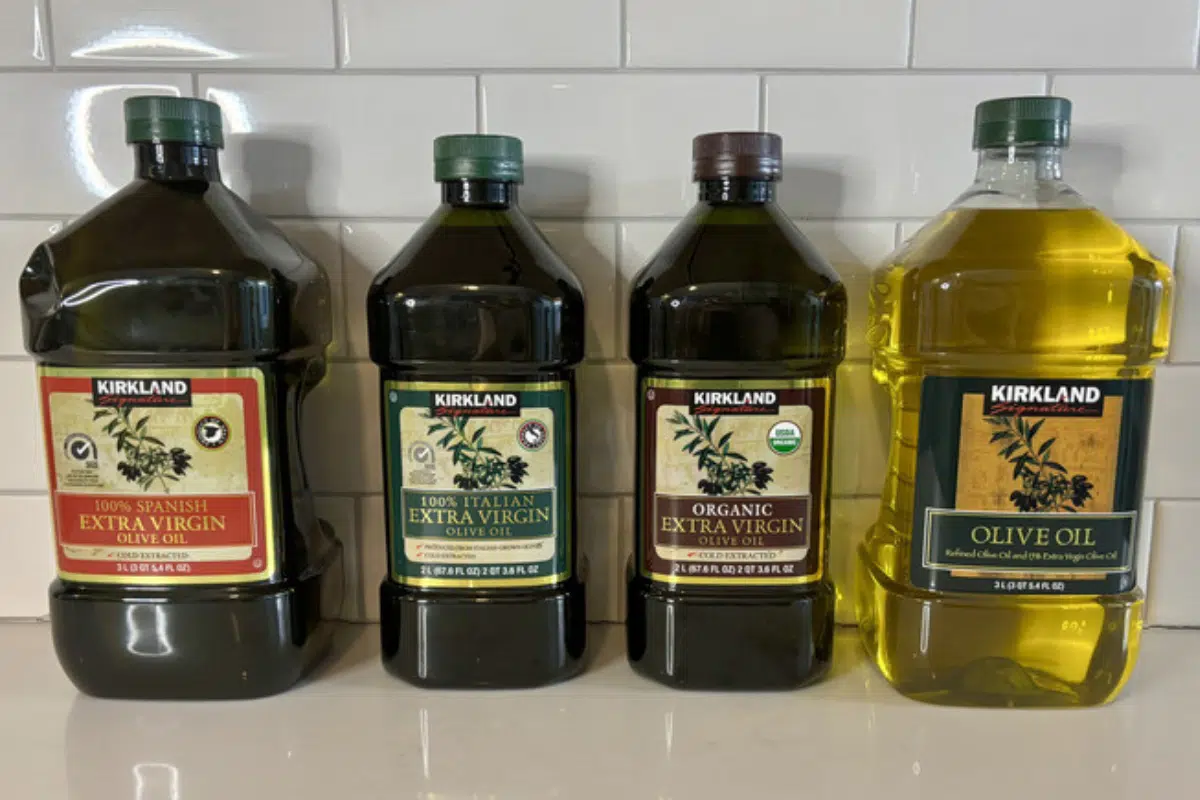
Different cooking oils offer different nutritional benefits and are suited for different cooking methods. Extra virgin olive oil is one of the most extensively studied oils and has been linked to improved heart health and reduced risk of chronic disease, particularly as part of the Mediterranean diet. Avocado oil is another popular choice because of its high smoke point and favorable fat profile. Rather than viewing oils as “good” or “bad,” many experts recommend choosing a variety of minimally processed fats that fit your cooking needs and overall dietary goals.
The Bottom Line
Current scientific evidence does not support the claim that seed oils are inherently toxic or a primary driver of chronic disease. While they are commonly found in ultra-processed foods, research suggests that the overall quality of a person’s diet has a much greater impact on long-term health than the presence of seed oils alone. Eating a diet rich in fruits, vegetables, whole grains, lean proteins, and healthy fats remains one of the most consistently supported recommendations in nutrition science. Instead of focusing on eliminating a single ingredient, experts generally encourage building balanced eating habits that can be maintained for the long term.
This post may contain affiliate links or sponsored content. Disclosure Policy