8 Best Natural Pesticides Gardeners Swear By for a Healthier, Pest-Free Garden
Keeping a garden thriving doesn’t always require harsh chemical sprays. In fact, many experienced gardeners prefer natural pesticides that are safer for pollinators, pets, and the soil while still effectively deterring common pests. These eco-friendly solutions can help protect your plants from insects like aphids, beetles, and mites without disrupting your garden’s natural balance. Here are 8 of the best natural pesticides gardeners rely on for healthier, more sustainable growing.
Neem Oil
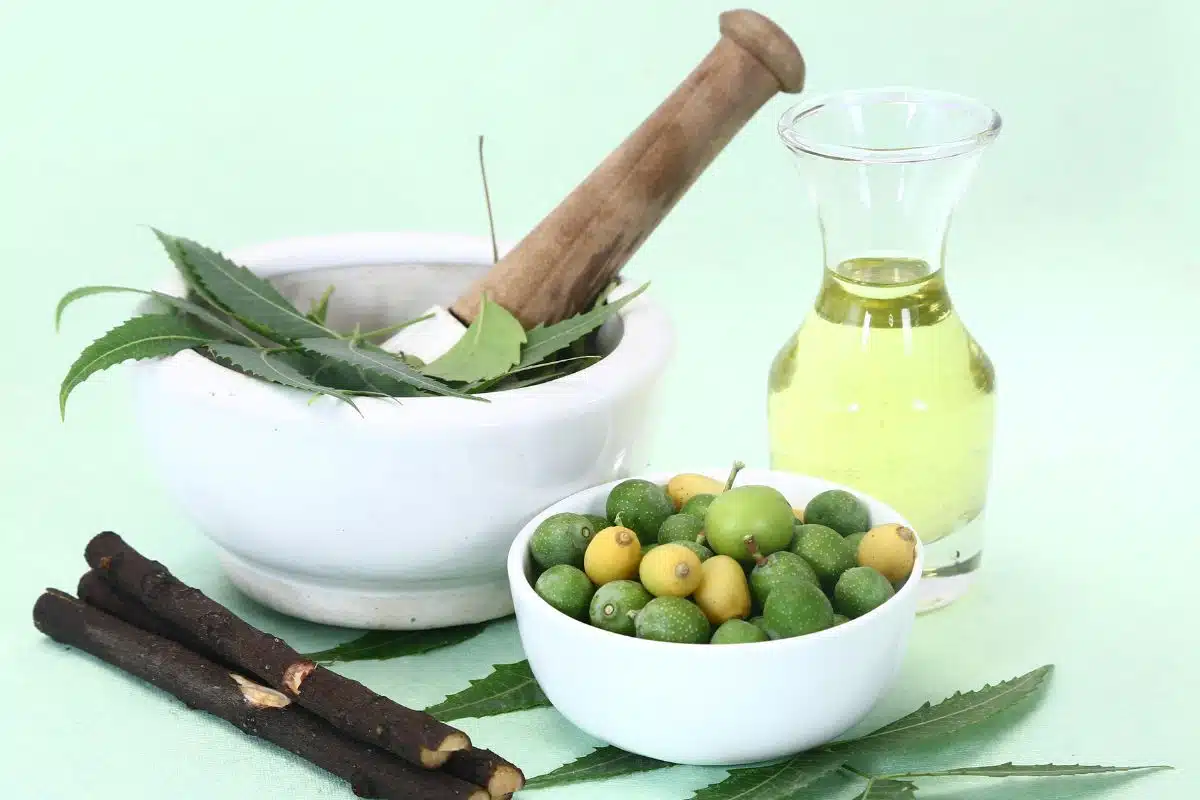
Neem oil is one of the most widely used natural pesticides in home gardening. Derived from the neem tree, it disrupts the life cycle of many common pests like aphids, whiteflies, and spider mites. It works by interfering with feeding and reproduction rather than instantly killing insects. Regular application helps prevent infestations before they spread. It’s also safe for most beneficial insects when used correctly.
Diatomaceous Earth
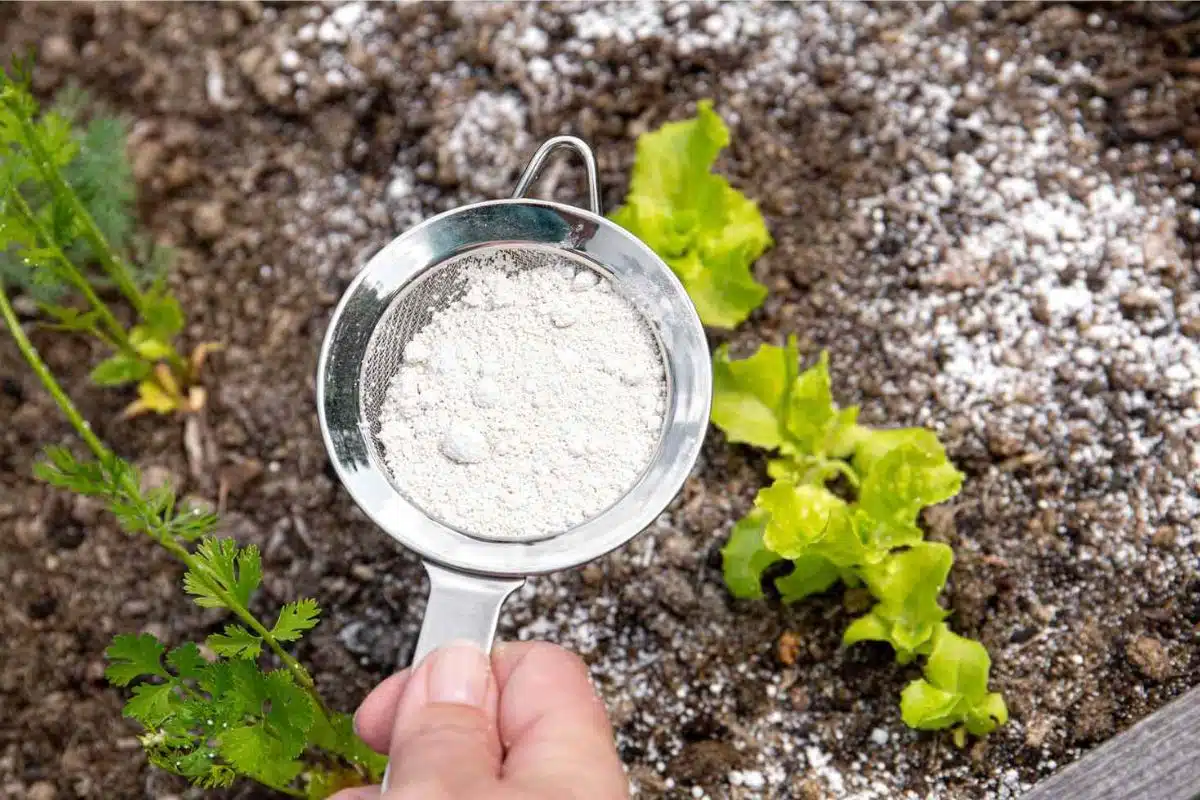
This fine powder is made from fossilized aquatic organisms and works by damaging the exoskeletons of insects. It is especially effective against crawling pests such as ants, slugs, and beetles. When pests come into contact with it, they dehydrate and die naturally. It’s important to use food-grade diatomaceous earth for garden safety. Reapplication may be needed after rain or watering.
Insecticidal Soap
Insecticidal soap is a gentle yet effective solution made from potassium salts of fatty acids. It works by breaking down the protective outer layer of soft-bodied insects like aphids and mealybugs. This causes dehydration and eliminates pests quickly. It must be sprayed directly on insects to be effective. Because it breaks down quickly, it’s also considered environmentally friendly.
Garlic Spray
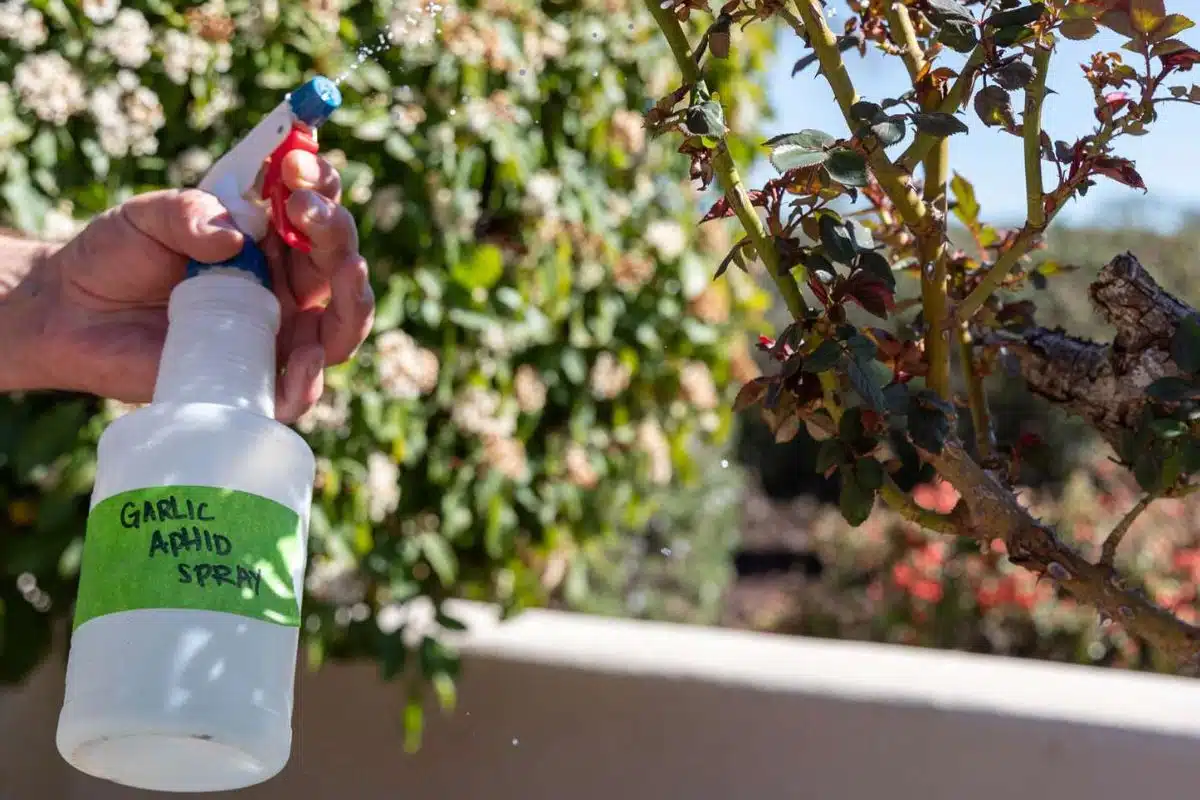
Garlic spray is a strong-smelling deterrent that repels many insects and even some animals. The sulfur compounds in garlic make plants less appealing to pests like aphids and caterpillars. It’s easy to make at home using garlic cloves and water. While it doesn’t always kill pests, it helps keep them away from plants. Reapplication is usually needed after rain.
Pepper Spray (Hot Pepper Solution)
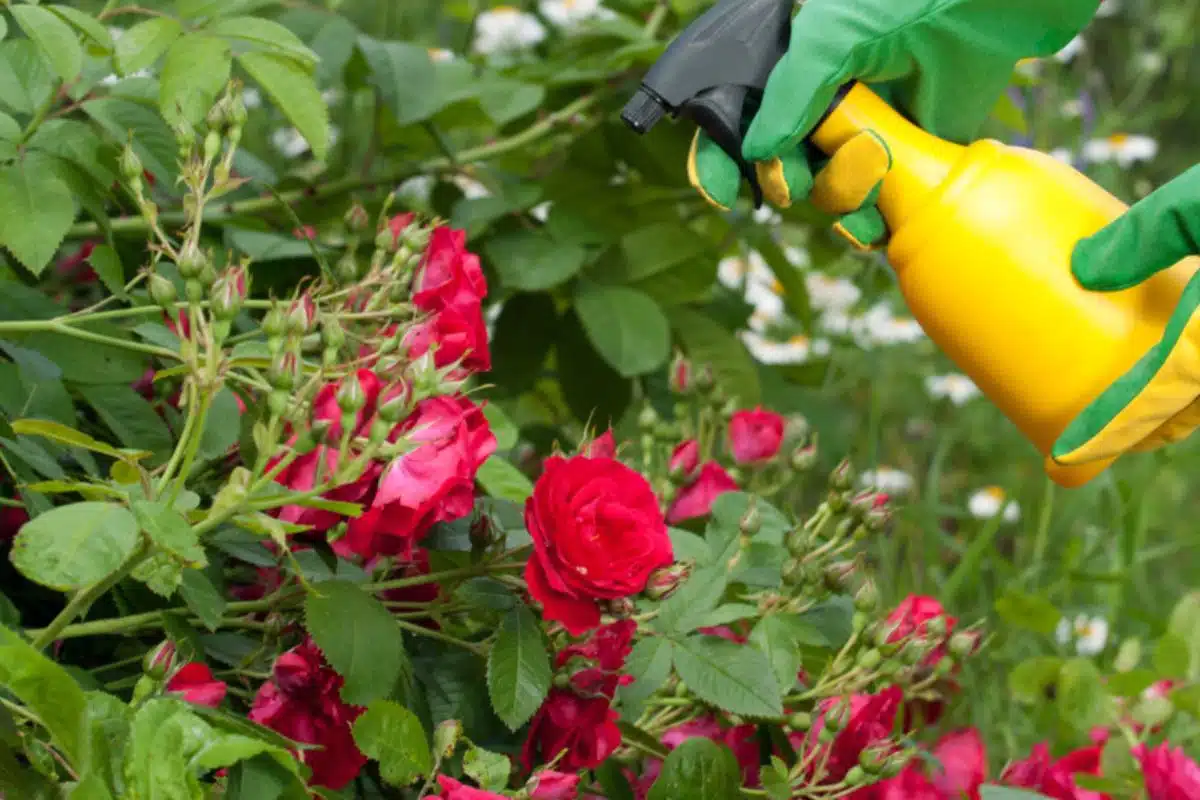
Made from chili peppers, this spray irritates pests and discourages them from feeding on plants. It’s particularly effective against insects and even small mammals like rabbits. The capsaicin in peppers is what creates the strong deterrent effect. It should be used carefully to avoid harming beneficial insects. Always wear gloves when preparing or applying it.
Horticultural Oil
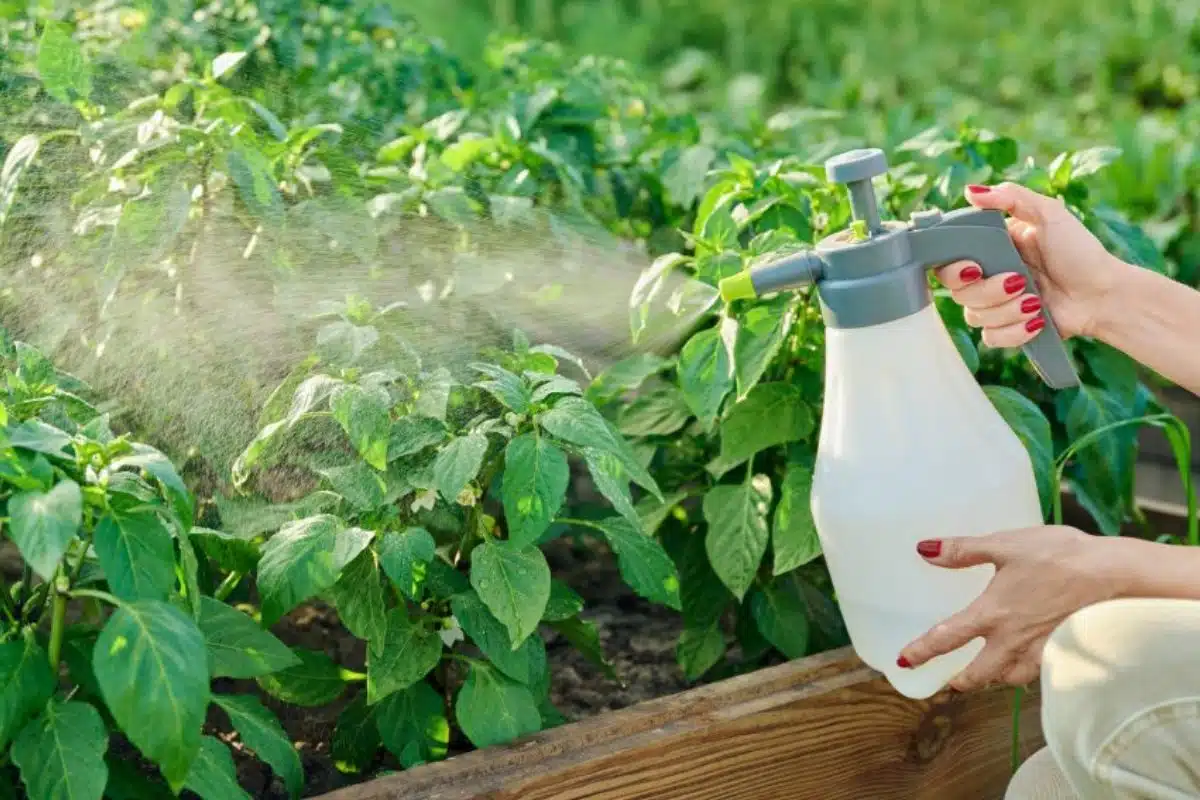
Horticultural oils work by suffocating insects and their eggs on contact. They are effective against scale insects, mites, and aphids. These oils are refined to be safe for plants when used properly. They also help control pests without leaving long-lasting chemical residues. Application is usually best during cooler parts of the day.
Bacillus Thuringiensis (Bt)
Bt is a naturally occurring soil bacterium used to control caterpillar pests. When ingested by larvae, it disrupts their digestive system, causing them to stop feeding. It is highly targeted, making it safe for humans, pets, and beneficial insects. Bt is especially useful for vegetable gardens. It is often used on cabbage worms and tomato hornworms.
Companion Planting (Natural Pest Deterrent Method)
While not a spray, companion planting is a powerful natural pest control strategy. Certain plants, like marigolds and basil, naturally repel insects when planted near vegetables and flowers. This method helps reduce pest pressure without any chemicals at all. It also improves biodiversity and soil health. Many gardeners use it as a long-term prevention strategy.
This post may contain affiliate links or sponsored content. Disclosure Policy