
10 Everyday Products You Can Stop Overpaying For
Many everyday products quietly drain your budget without you realizing it. From groceries to household basics, some items carry high markups simply because of branding, packaging, or convenience. The good news is that there are often cheaper alternatives that work just as well—sometimes even better. If you’re looking to stretch your budget without sacrificing quality, these everyday swaps can help you save more than you might expect.
Bottled Water

Bottled water is one of the most commonly overpriced household purchases. While it may feel convenient, the cost per gallon is dramatically higher than tap water in most areas. Many municipal water systems already meet strict safety standards and are perfectly safe to drink.
Cheaper Alternative:
Use a reusable bottle with filtered tap water. A simple pitcher filter or faucet filter can improve taste while costing only a fraction of what bottled water does over time.
Name-Brand Cleaning Products
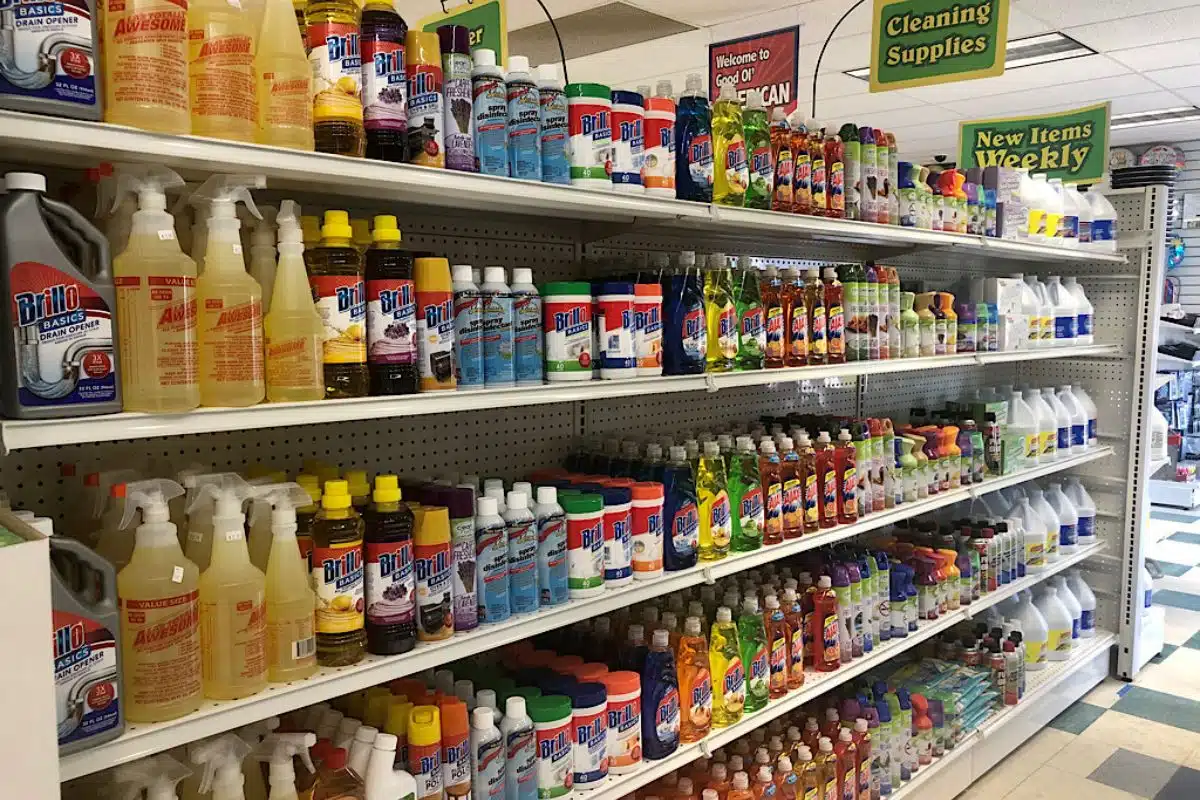
Well-known cleaning brands often charge a premium for familiar labels and heavy advertising. In many cases, the ingredients are very similar to store-brand versions sitting right next to them on the shelf.
Cheaper Alternative:
Generic or store-brand cleaners typically perform just as well for everyday cleaning tasks. For an even cheaper option, many people use simple solutions made from vinegar, baking soda, and dish soap for common household cleaning jobs.
Pre-Cut Fruits and Vegetables
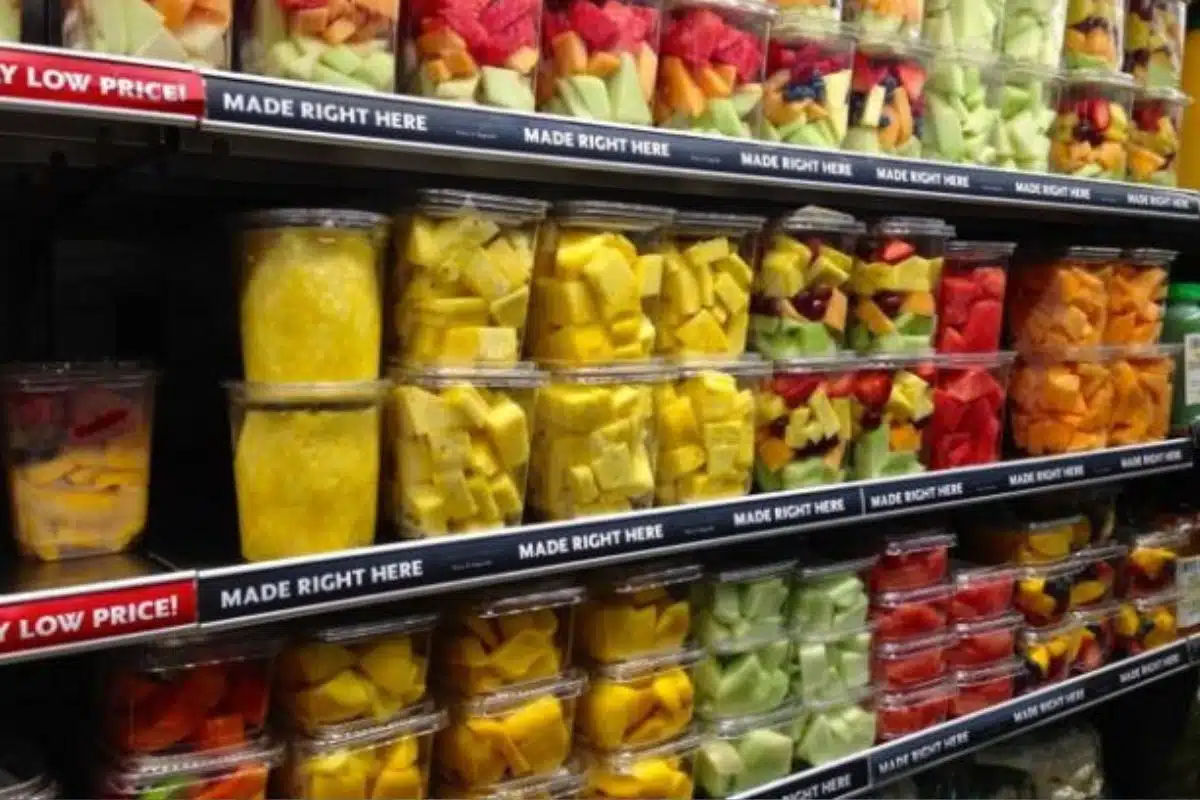
Pre-cut produce may save a few minutes in the kitchen, but the convenience can cost significantly more. Grocery stores often charge double—or even triple—the price compared to whole fruits and vegetables.
Cheaper Alternative:
Buy whole produce and cut it yourself at home. It usually takes just a few minutes and keeps the produce fresher longer, making it a simple way to reduce grocery spending.
Single-Serve Coffee Pods
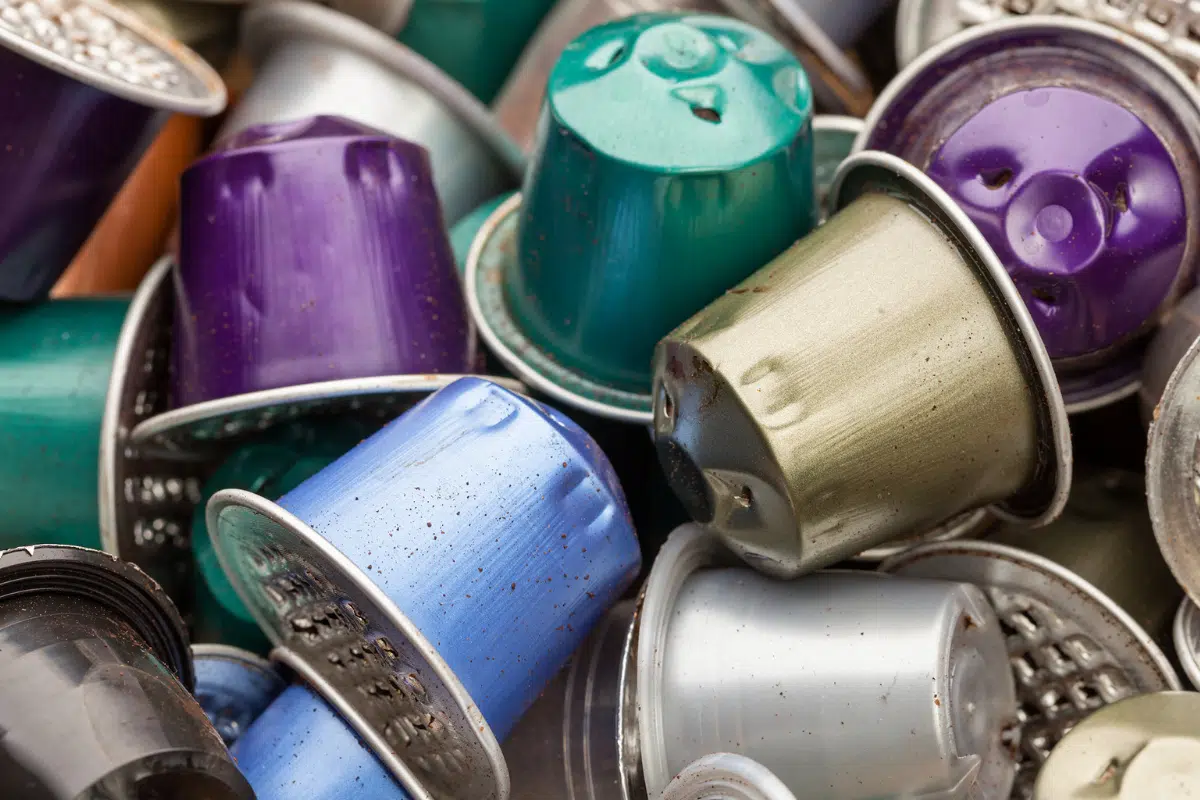
Coffee pods are convenient, but the price per cup can be surprisingly high compared to traditional brewing methods. The cost adds up quickly for anyone who drinks coffee daily.
Cheaper Alternative:
Switch to ground coffee brewed in a standard coffee maker, French press, or reusable pod. These options deliver similar flavor at a much lower cost per cup.
Brand-Name Medications

Many over-the-counter medications are sold under recognizable brand names, but the active ingredients are often identical to generic versions. The higher price usually reflects branding and marketing rather than better effectiveness.
Cheaper Alternative:
Look for generic medications with the same active ingredient and dosage. They are regulated the same way and typically cost much less.
Paper Towels

Paper towels are convenient but can become an ongoing expense for something that’s thrown away after a single use. Households that rely on them heavily often spend far more than they realize each year.
Cheaper Alternative:
Reusable cleaning cloths or microfiber towels can handle most spills and cleaning tasks. They can be washed and reused many times, reducing both cost and waste.
Shredded Cheese

Pre-shredded cheese often costs noticeably more than buying a block. It also contains anti-caking agents that help prevent clumping but can slightly affect texture when melting.
Cheaper Alternative:
Buy cheese in blocks and shred it at home using a grater. It’s usually cheaper per ounce and melts more smoothly in many recipes.
Salad Kits
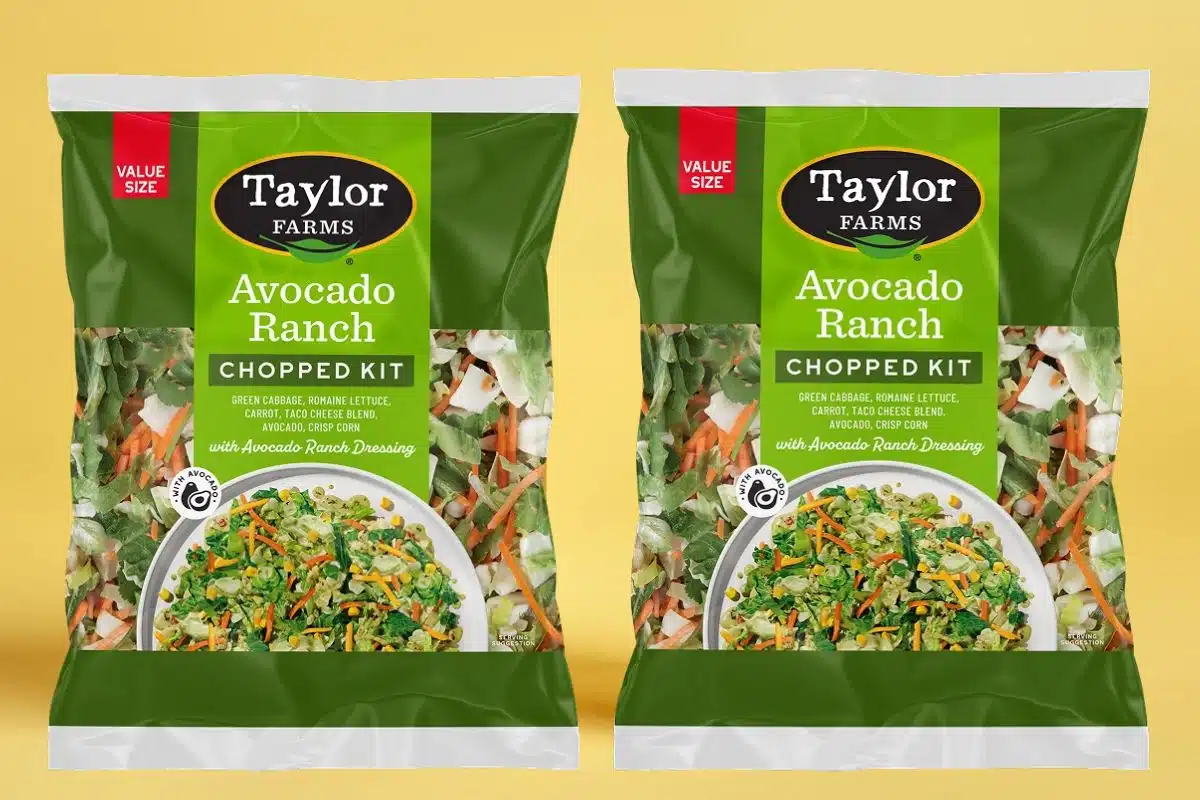
Pre-packaged salad kits can be convenient, but they often cost several times more than buying the same ingredients separately. Many also include small portions of dressing or toppings that raise the price.
Cheaper Alternative:
Buy a head of lettuce or a bag of greens and add your own toppings like carrots, nuts, or shredded cheese. You can make several salads for the price of a single kit.
Pre-Made Smoothies
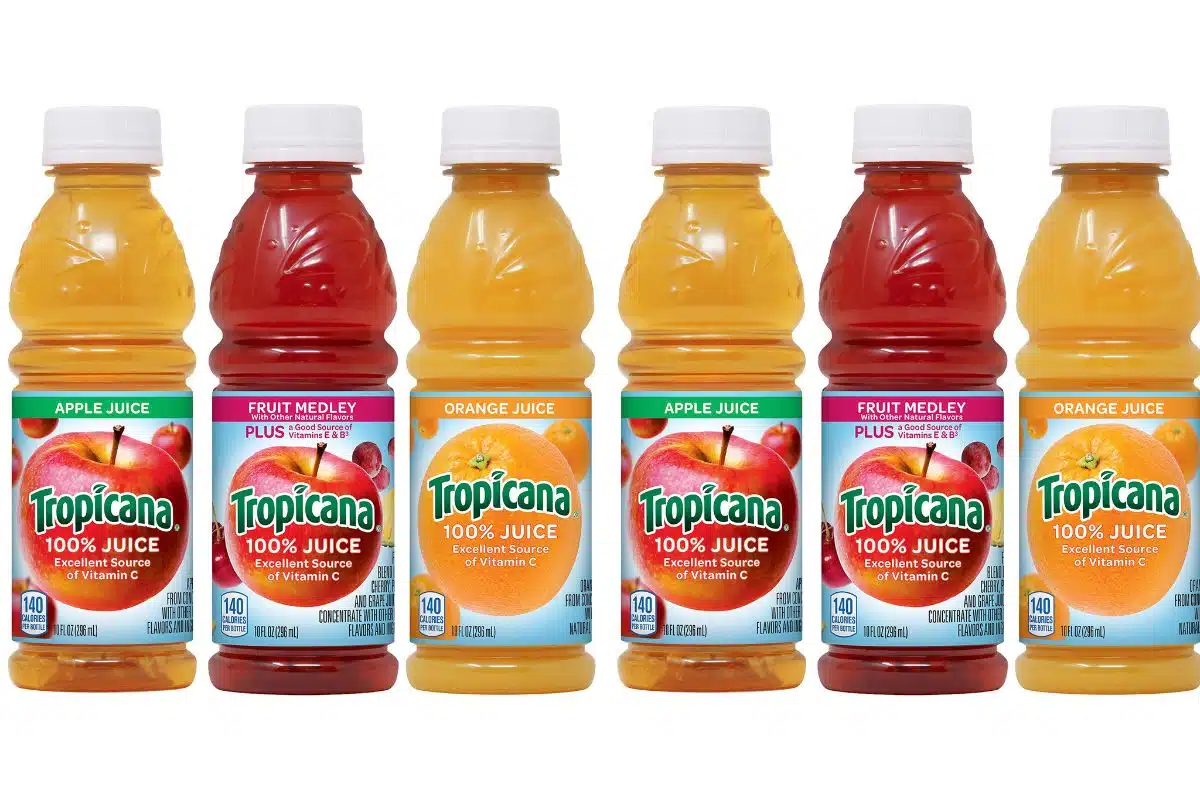
Bottled smoothies often look healthy but carry a premium price for something that can be made quickly at home. Many also contain added sugars or preservatives.
Cheaper Alternative:
Blend your own smoothies using frozen fruit, yogurt, and milk or plant-based alternatives. Frozen fruit is affordable and keeps longer, making it a cost-effective option.
Designer Spices

Specialty spice brands sometimes charge steep prices for small jars. While quality can vary, many store-brand spices offer comparable flavor for everyday cooking.
Cheaper Alternative:
Look for spices in bulk bins or store-brand jars. Buying only the amount you need can significantly lower the cost while keeping your spices fresher.
This post may contain affiliate links or sponsored content. Disclosure Policy