Food Date Labels Explained: When Food Is Still Safe to Eat
Food date labels have caused confusion for decades, leading many people to throw away perfectly good groceries that are still safe to eat. In fact, most dates printed on food packages are about quality—not food safety. Understanding what labels like “Best By,” “Use By,” and “Sell By” actually mean can help you reduce food waste, save money, and make smarter decisions in the kitchen. Here’s a closer look at the most common food date labels and the signs that really matter when deciding whether food belongs on your plate or in the trash.
“Best By” Doesn’t Mean the Food Has Expired
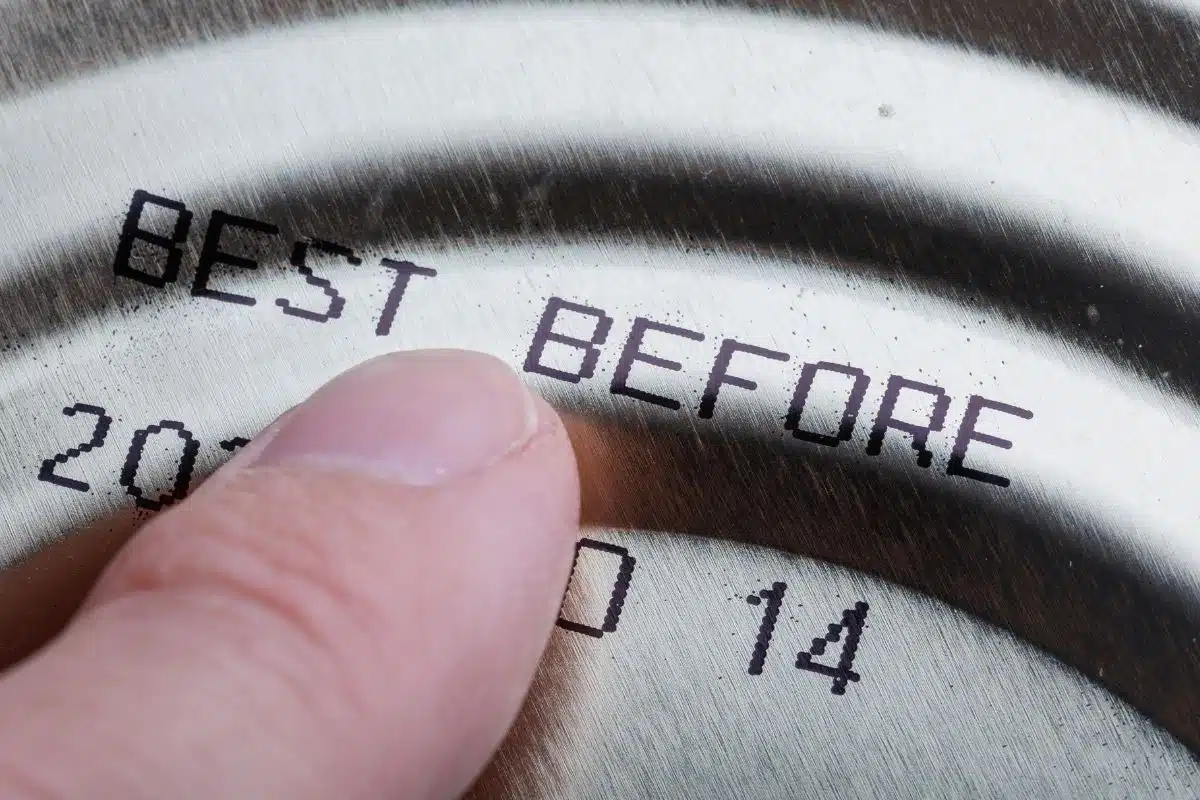
A “Best By” date tells you when the manufacturer believes the product will have its best flavor, texture, or overall quality. It is not a food safety deadline, and many shelf-stable foods remain perfectly edible well beyond this date when stored properly. Crackers may lose their crispness, cereal may become less crunchy, and spices may lose some potency, but these changes don’t necessarily make them unsafe to eat. For most pantry staples, the date is simply a recommendation for peak quality.
“Sell By” Is Intended for Grocery Stores
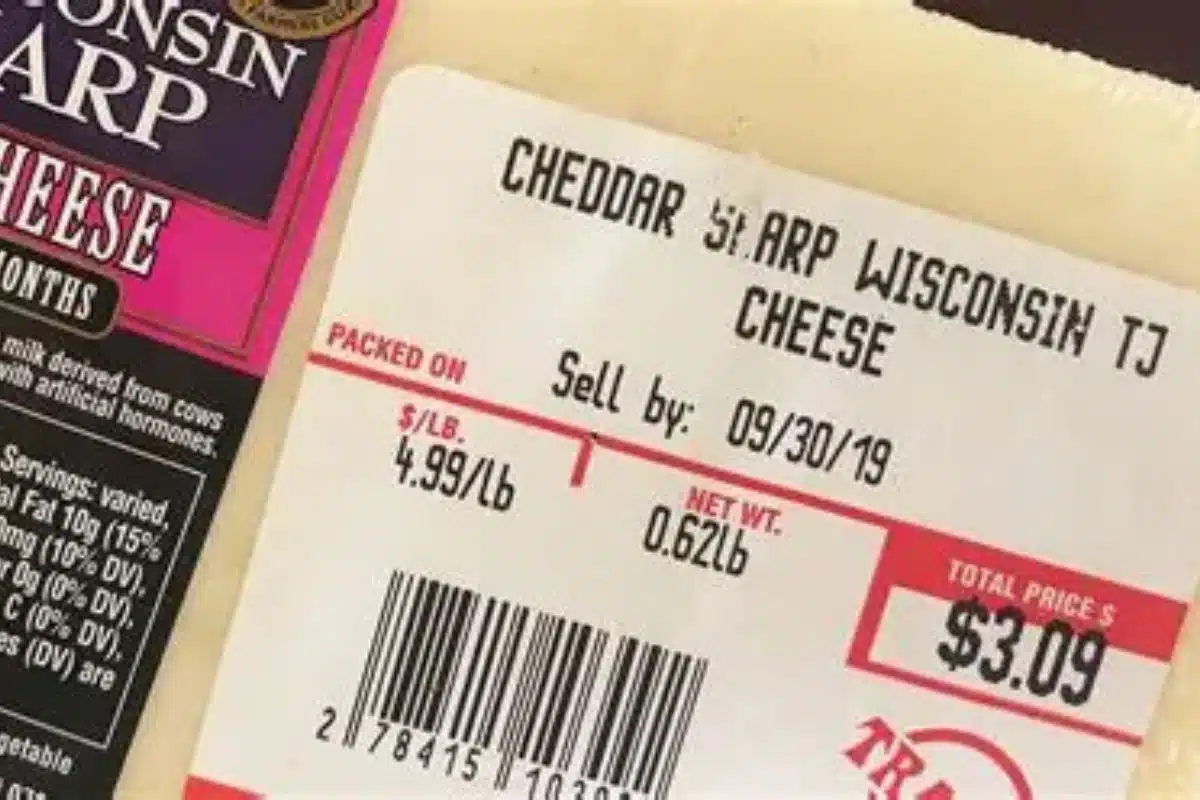
The “Sell By” date is designed to help grocery stores manage inventory and rotate products before they lose freshness. It tells retailers when to remove an item from display, but it doesn’t mean consumers need to discard it that day. Many refrigerated foods remain safe for several days after the Sell By date if they’ve been kept consistently cold. Proper storage at home has a much bigger impact on freshness than the date itself.
“Use By” Deserves the Closest Attention
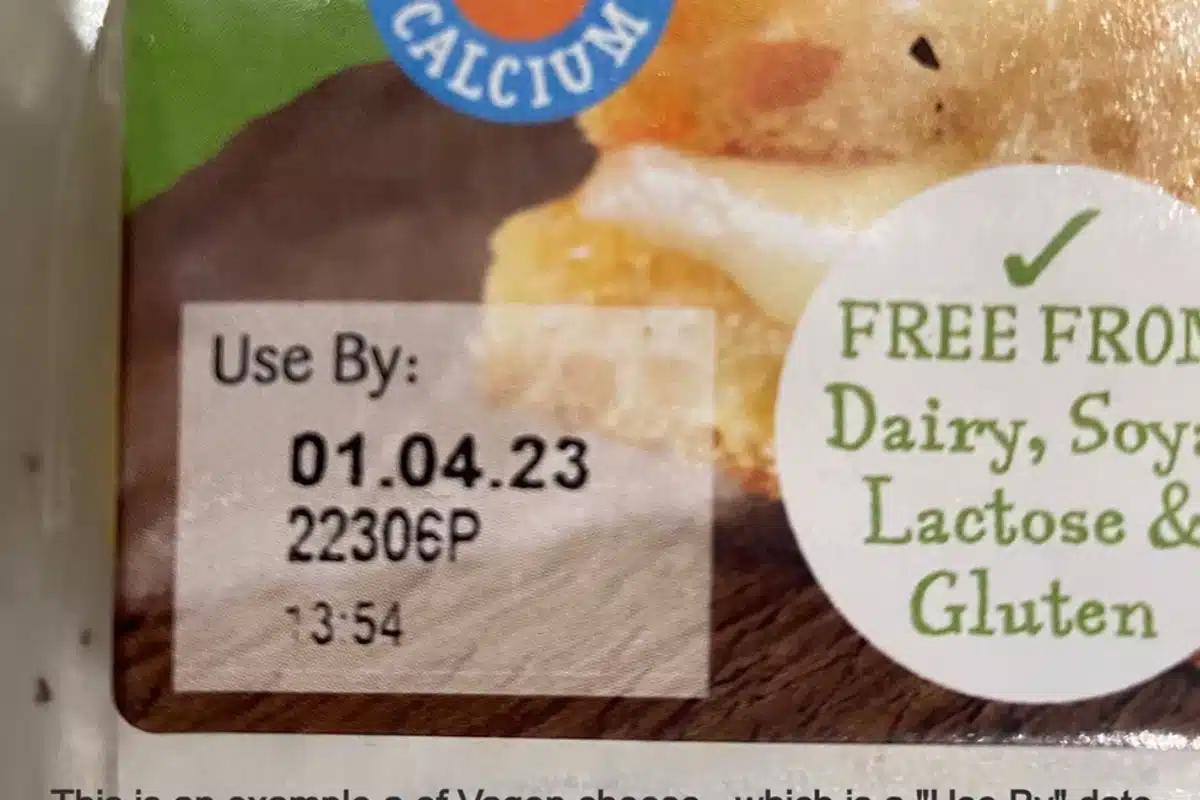
A “Use By” date is the manufacturer’s recommendation for when a product will have its best quality, and for some highly perishable foods, it may also relate to safety. Items such as prepared meals, fresh deli products, and certain dairy products should be used promptly and stored according to package directions. If a product has been left unrefrigerated for too long, it can become unsafe even before the printed date arrives. Always consider both the date and how the food has been handled.
Infant Formula Is Different
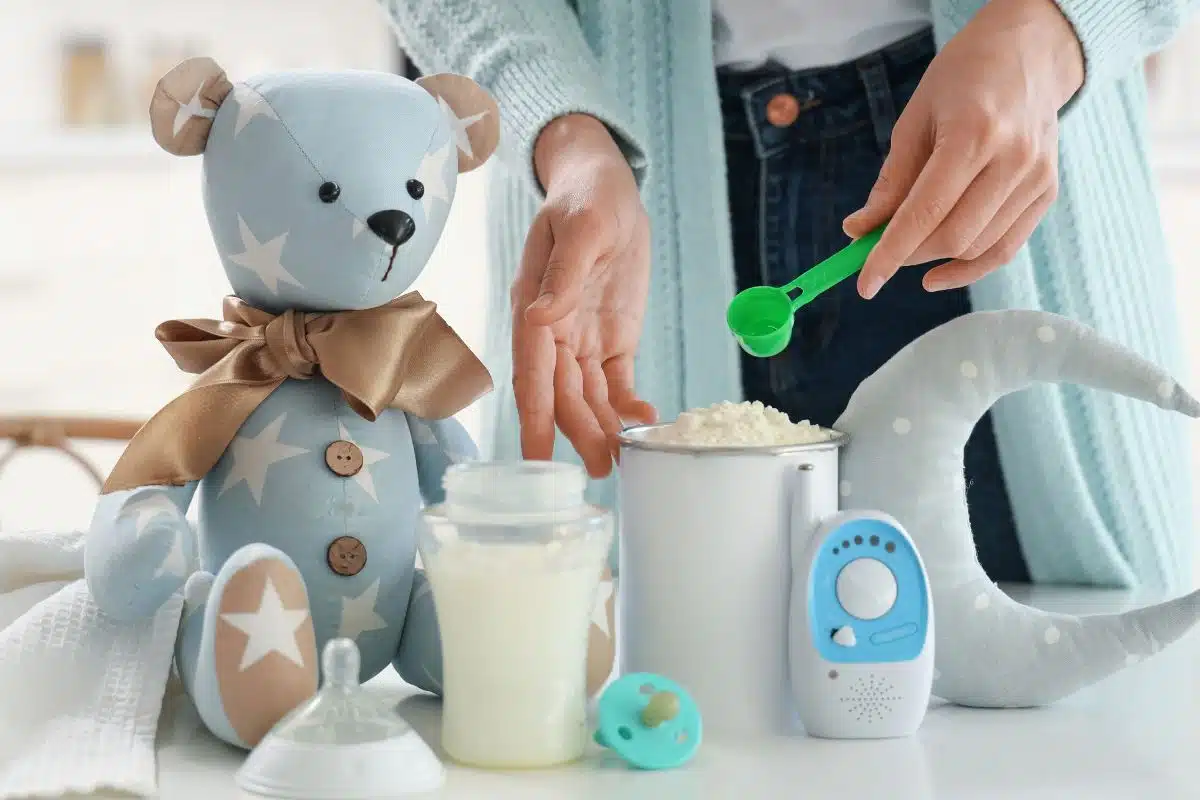
Unlike most packaged foods, infant formula is required by federal law to carry a true expiration date. After that date, manufacturers can no longer guarantee the nutritional content or quality of the formula. Because infants rely on these nutrients for healthy growth and development, expired formula should never be used. This is one food product where the printed expiration date should always be followed.
Eggs Often Stay Fresh Longer Than the Carton Suggests
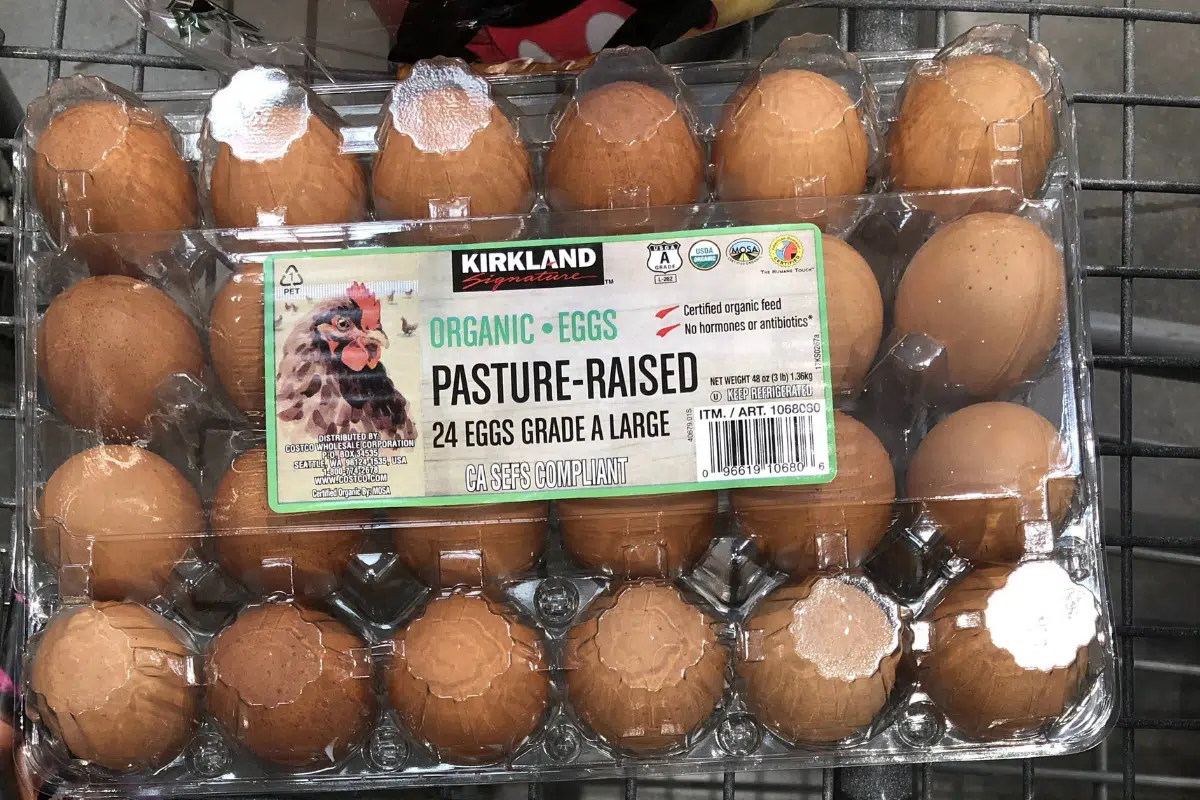
Many egg cartons display a Sell By date, but refrigerated eggs frequently remain usable for three to five weeks after purchase. If you’re unsure, crack each egg into a separate bowl before adding it to your recipe and check for an unusual odor or appearance. While the popular float test can indicate that an egg is older, it doesn’t always determine whether it’s safe to eat. When in doubt, rely on proper refrigeration and your senses rather than the date alone.
Canned Foods Can Have a Surprisingly Long Shelf Life
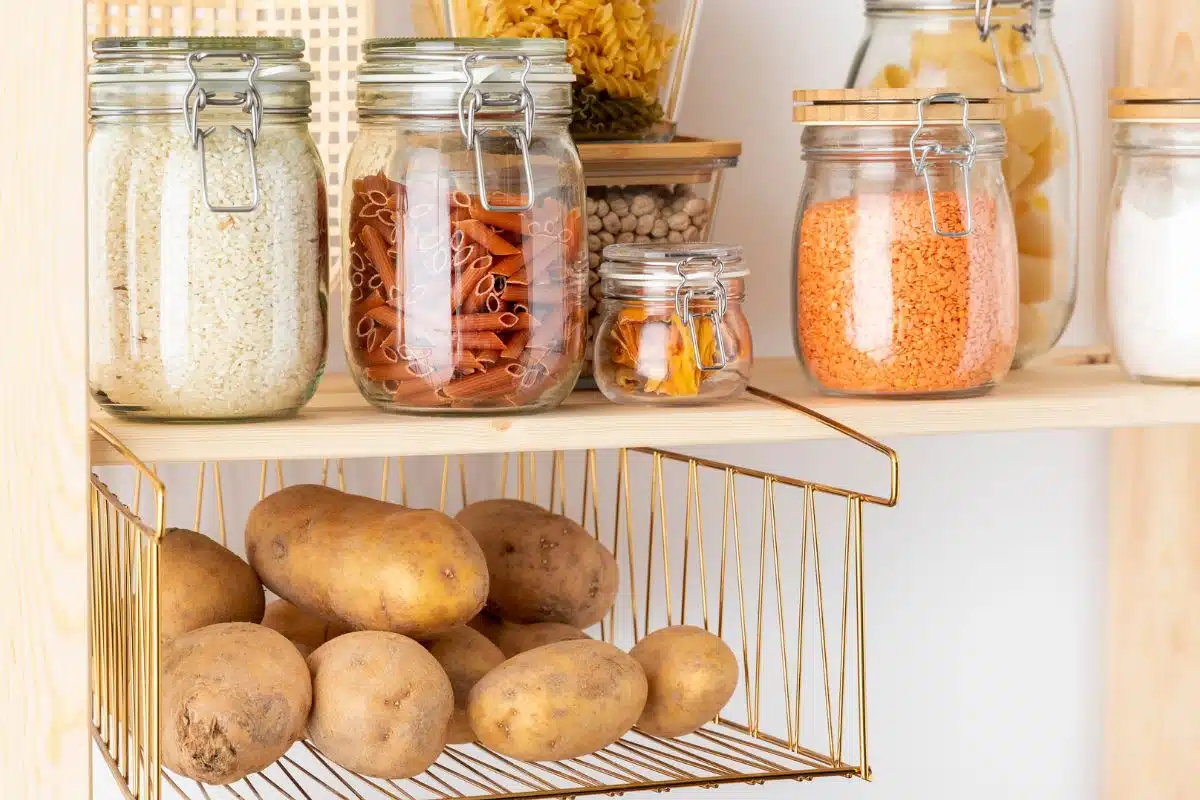
Properly stored canned foods often remain safe long after their Best By dates. Low-acid foods such as beans, corn, and green beans can last for years when the cans remain sealed and undamaged. High-acid foods like tomatoes and pineapple may gradually lose flavor and texture sooner, but they often remain safe beyond the printed date. Never consume food from cans that are bulging, leaking, deeply rusted, or severely dented along the seams.
Your Eyes and Nose Are Valuable Food Safety Tools

Food doesn’t suddenly spoil the moment a date passes. Mold, sour odors, slimy textures, bubbling, or unusual discoloration are often much more reliable indicators that food has gone bad. If a product looks, smells, or tastes abnormal, it’s best to throw it away regardless of the printed date. On the other hand, many foods that appear and smell normal are still perfectly usable.
Freezing Helps Preserve Food for Much Longer
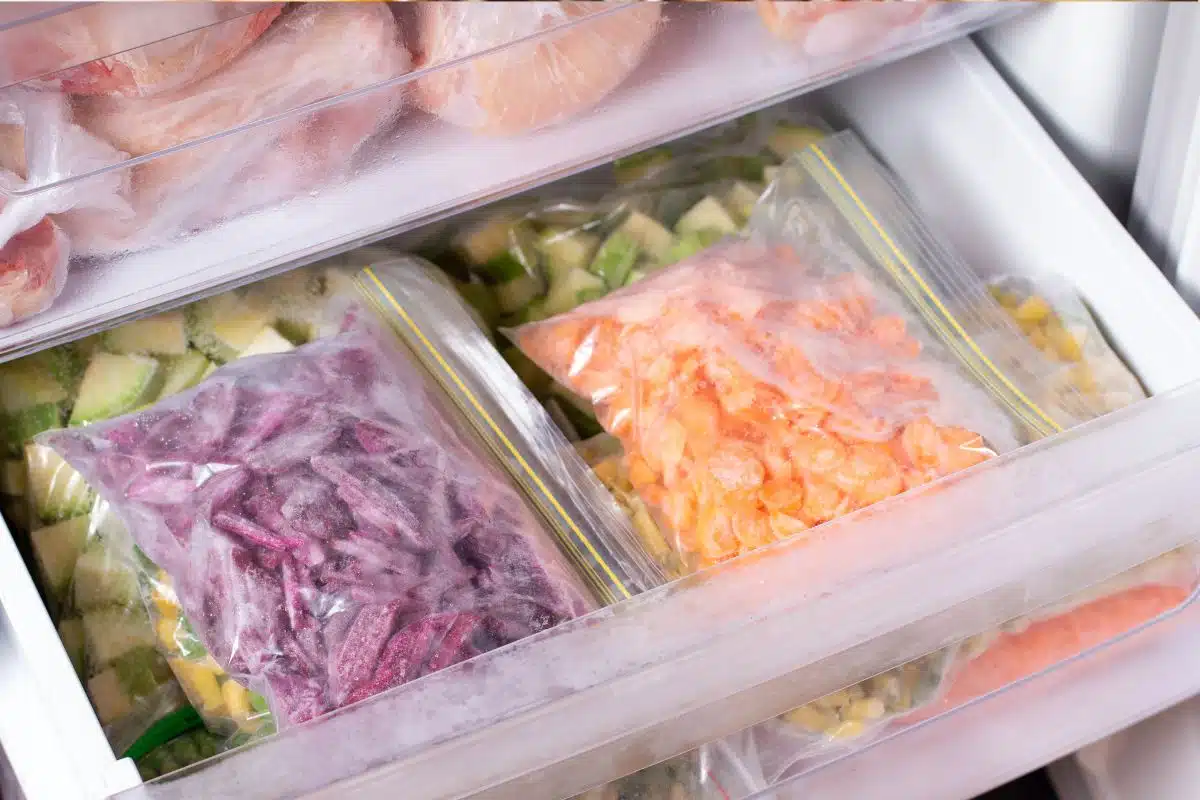
Freezing doesn’t make food last forever, but it dramatically slows bacterial growth and preserves quality for extended periods. Meat, poultry, seafood, bread, cheese, butter, and many prepared meals freeze exceptionally well when packaged properly. Freezing foods before they reach their printed date is an excellent way to reduce waste and always have ingredients ready to use. While texture may change over time, properly frozen food generally remains safe.
Proper Storage Matters More Than Most People Realize
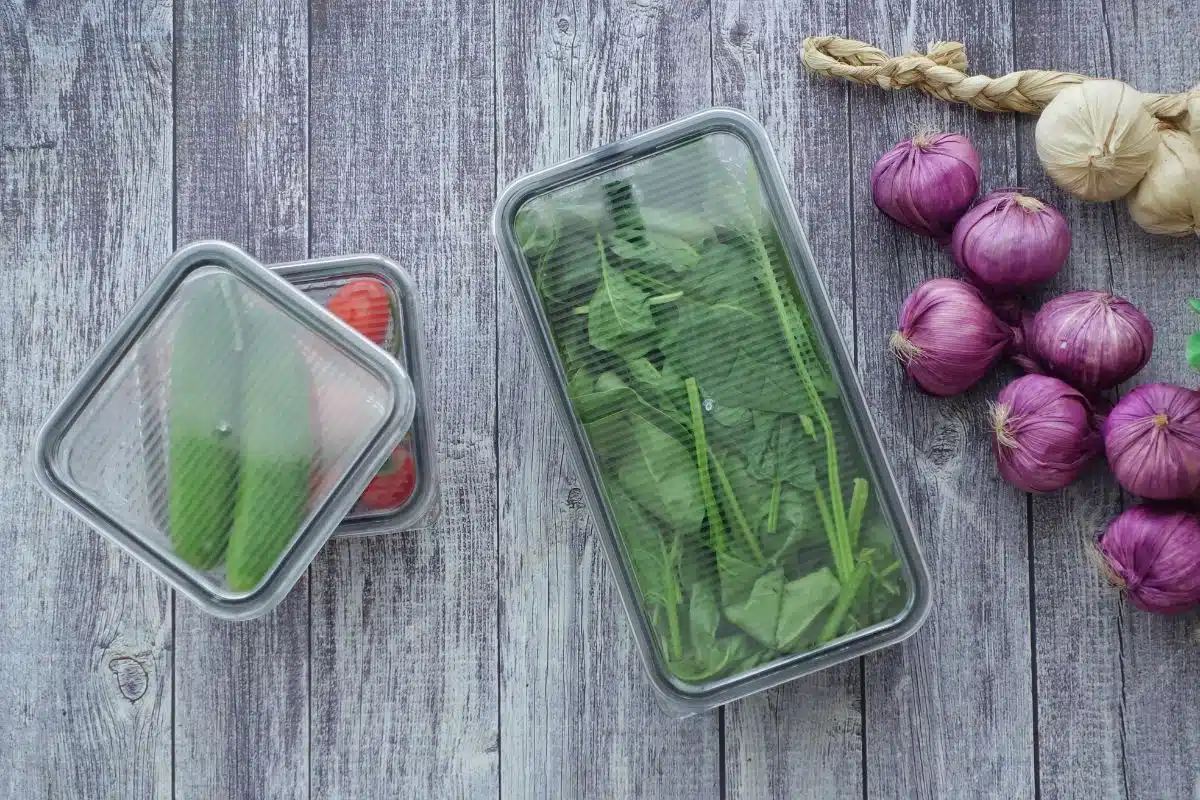
Even food with a future date can spoil quickly if it isn’t stored correctly. Refrigerators should be kept at or below 40°F (4°C), while freezers should stay at 0°F (-18°C). Avoid leaving perishable foods at room temperature for more than two hours—or one hour during very hot weather. Keeping foods properly sealed and refrigerated is one of the best ways to extend their freshness and reduce spoilage.
Understanding Food Labels Can Save Money and Reduce Waste
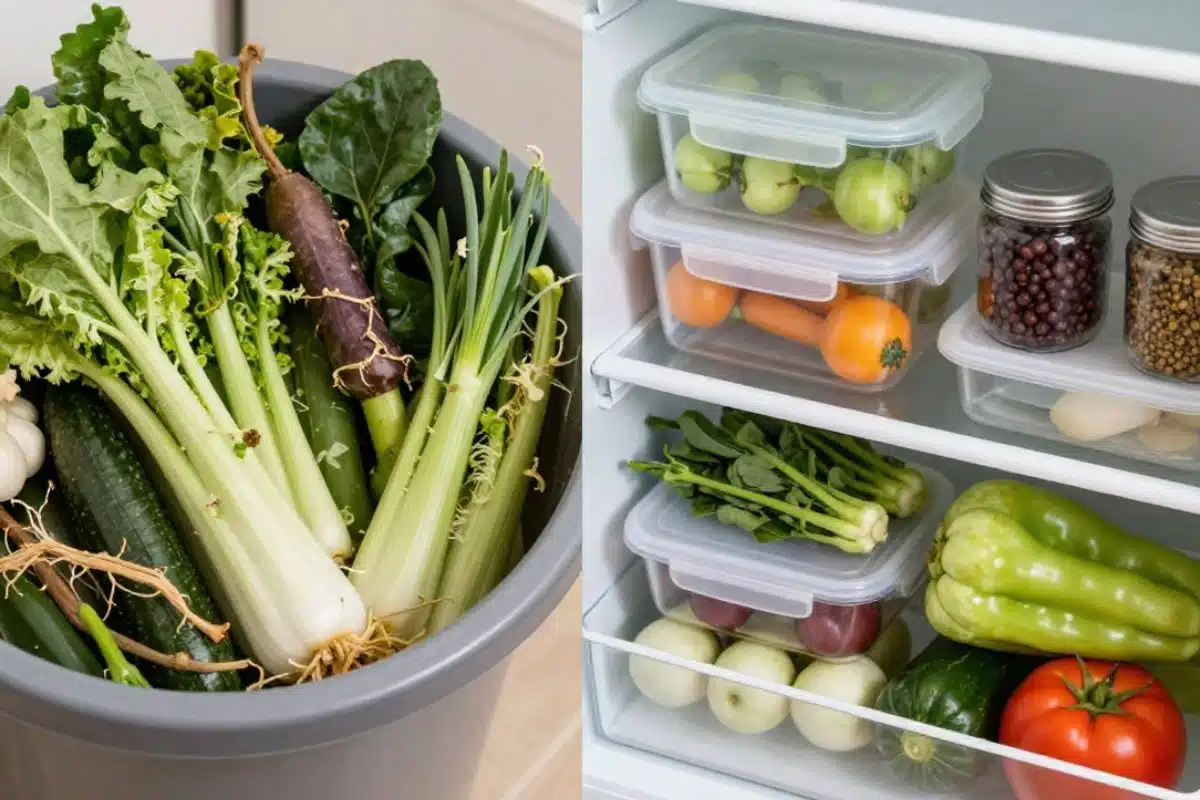
Millions of tons of edible food are discarded each year because date labels are misunderstood. Learning the difference between quality dates and true safety concerns helps households waste less while stretching grocery budgets further. Before throwing something away, consider how it has been stored, inspect it carefully, and use your judgment alongside the printed date. A little knowledge can help you save both food and money without compromising safety.
This post may contain affiliate links or sponsored content. Disclosure Policy