12 Common Cleaning Jobs That Get Overlooked Each Week
You scrub the toilet, wipe down counters, and vacuum the floors every week—but what about all those sneaky spots collecting dust, grime, and bacteria right under your nose? From your kitchen to your bathroom, there are dozens of overlooked areas that deserve a spot on your weekly cleaning routine. Missing these can lead to unpleasant odors, germs spreading throughout your home, and even health issues down the line.
Kitchen Sponges and Dishcloths
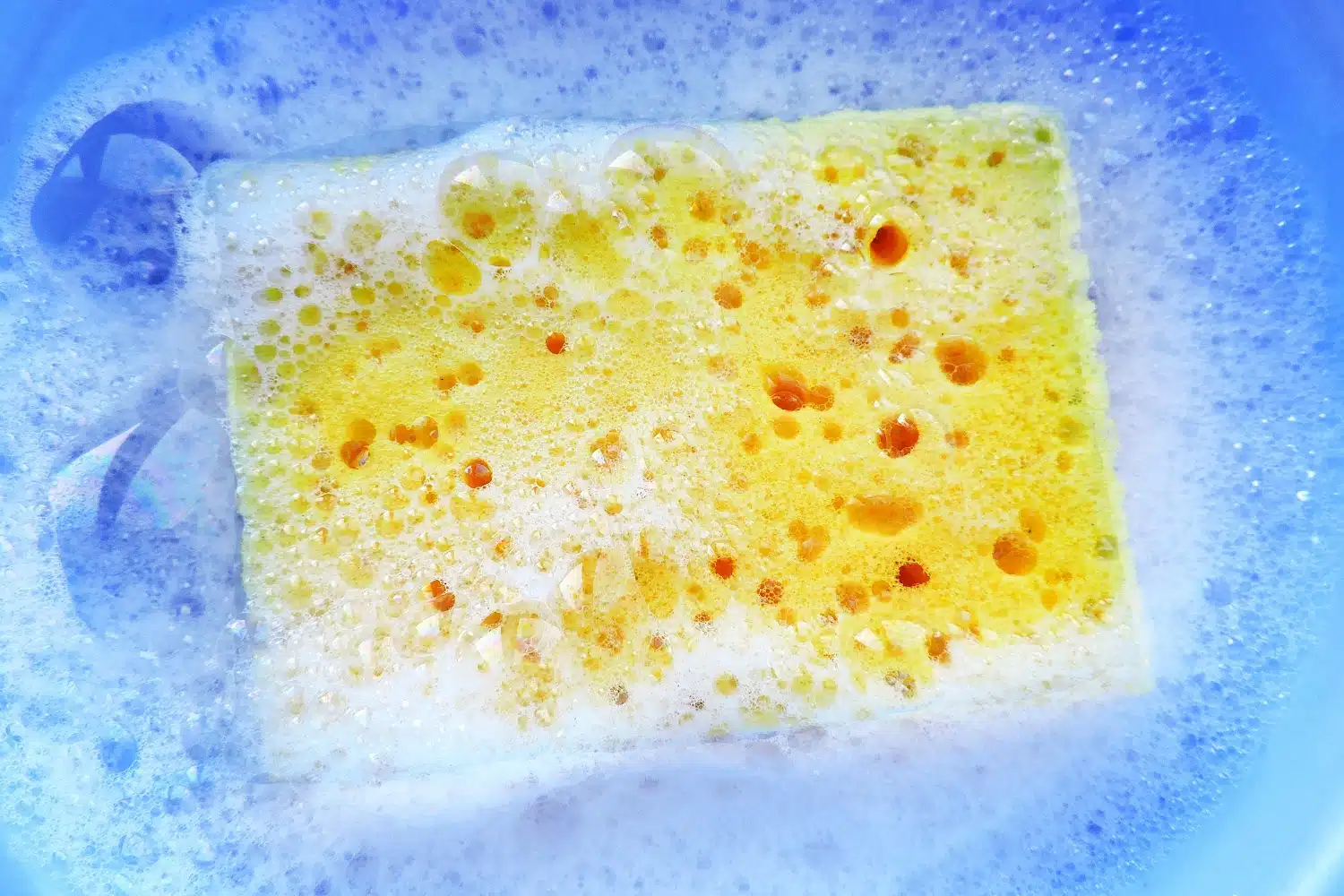
Your kitchen sponge is actually the germiest item in your entire home. These little cleaning tools are working overtime absorbing food particles and moisture, creating the perfect breeding ground for bacteria. The fix? Soak your sponge in white vinegar for five minutes daily, or microwave it while wet for two minutes to kill germs. Better yet, replace sponges every two weeks and switch to dishcloths that can be easily sanitized in your washing machine.
Dishwasher Filter and Interior
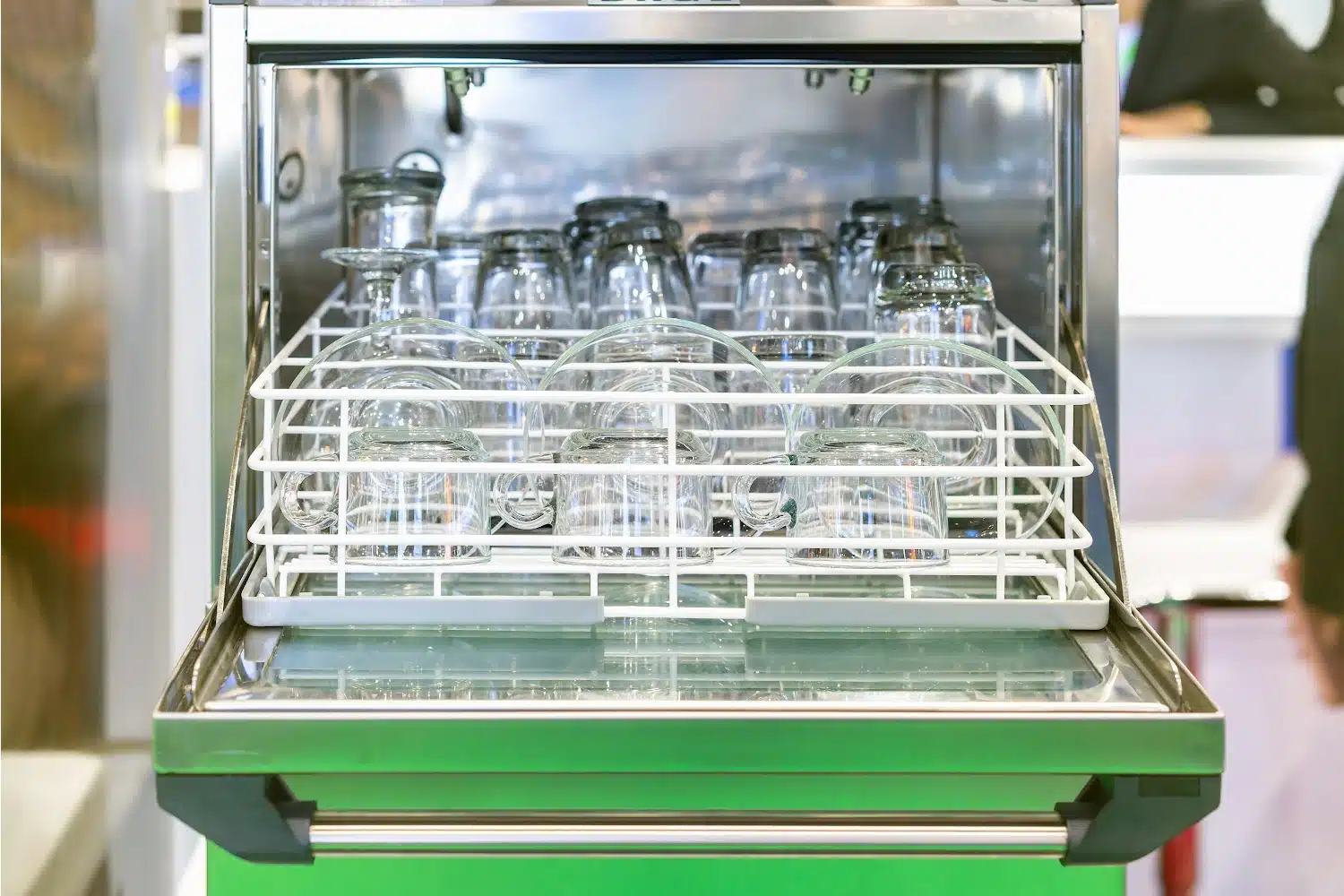
Think your dishwasher cleans itself? Think again. There’s a hidden filter at the bottom that traps food particles —and when it gets clogged, your dishes won’t come out truly clean. Even worse, a dirty dishwasher starts to smell, and that odor transfers right onto your supposedly clean plates and glasses. Once a week, remove the filter (check your manual for location), rinse it under hot water, and scrub away any buildup.
Bathroom Light Switches and Doorknobs
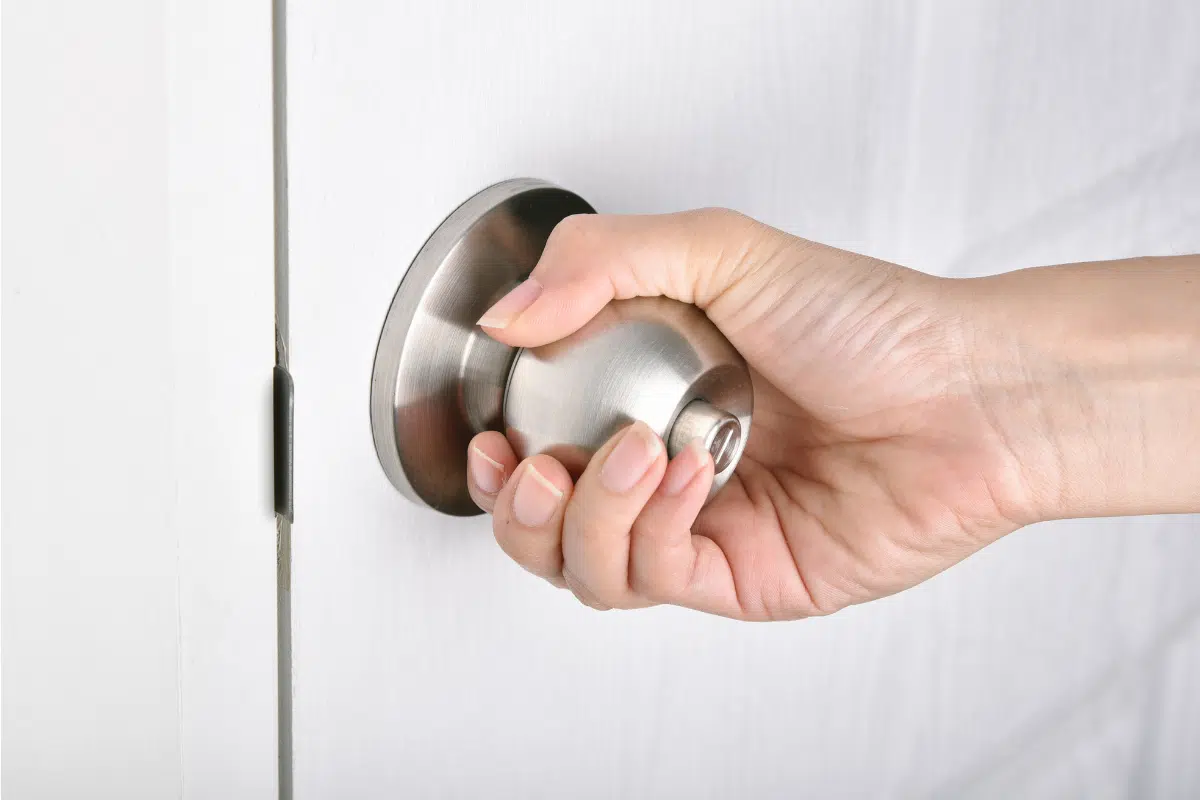
These are some of the most touched surfaces in your home, yet they’re rarely cleaned. Every time you use the bathroom, you touch the doorknob and light switch—often before washing your hands. Bacteria can live on these hard surfaces for days or even weeks. Make it a weekly habit to wipe them down with disinfectant wipes or spray. It takes less than 30 seconds and significantly reduces the spread of germs.
Toothbrush Holders
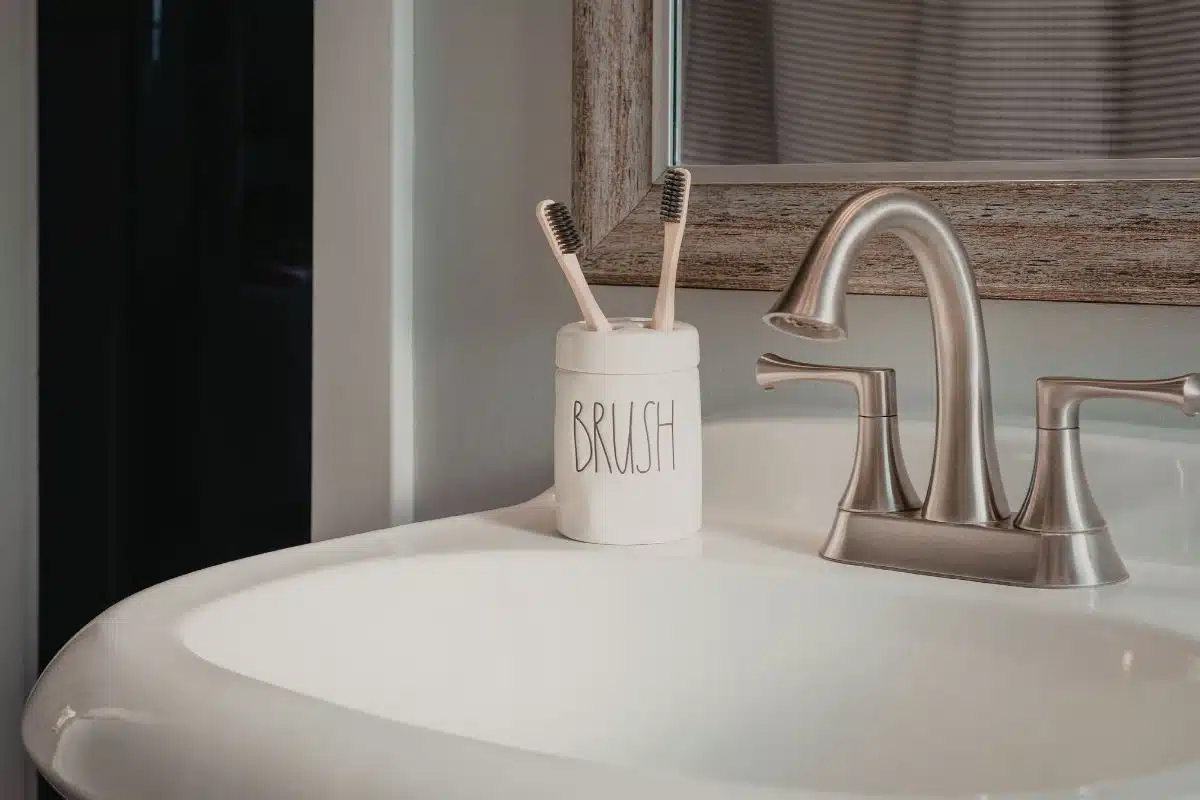
Your toothbrush is secretly one of the nastiest items in your bathroom. Water drips down from wet toothbrushes and pools at the bottom, creating a breeding ground for bacteria, mold, and mildew. The small holes and crevices make it even worse. If your toothbrush holder is dishwasher-safe, toss it in with your weekly dish load. Otherwise, soak it in hot soapy water and clean with a small brush.
Shower Curtains and Liners
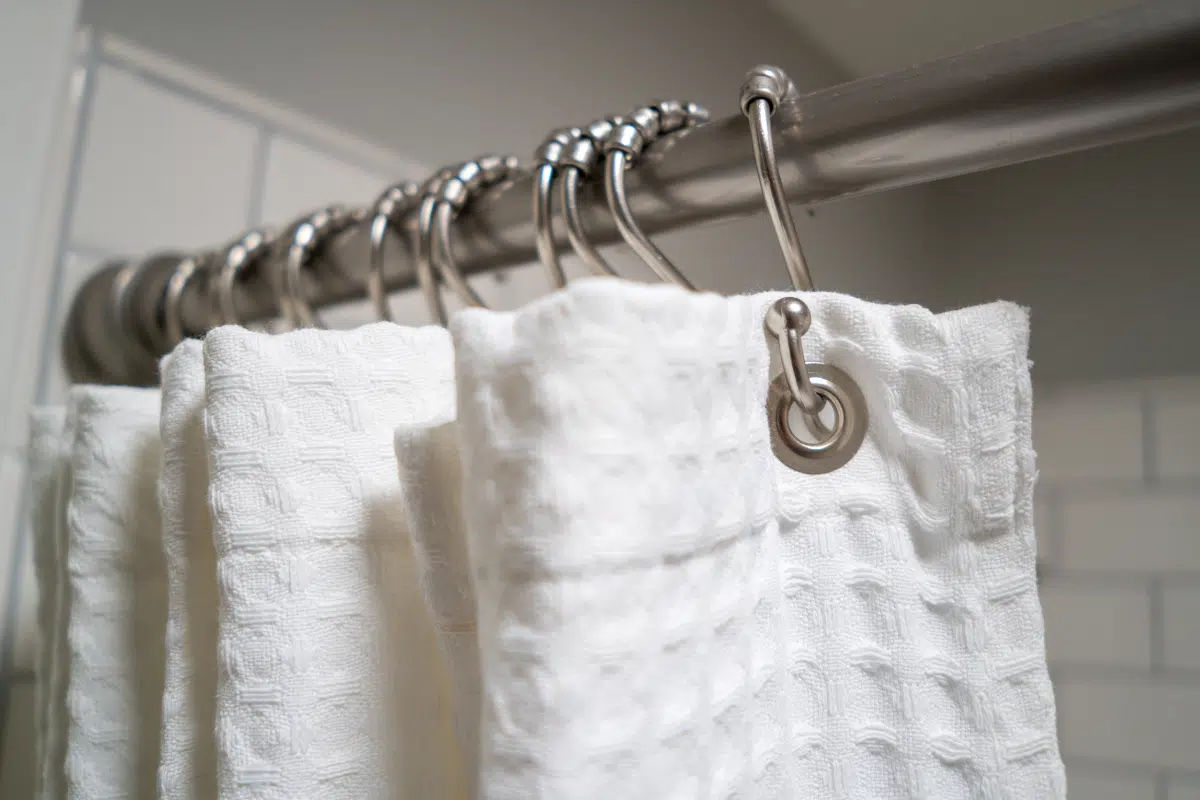
Soap scum, mold, and mildew absolutely love your shower curtain. The combination of constant moisture and soap residue creates the perfect environment for them thrive. Fabric curtains can be thrown in the washing machine on a gentle cycle, while plastic liners can be scrubbed with bathroom cleaner and a brush. For best results, clean them every couple of months.
Bathroom Walls
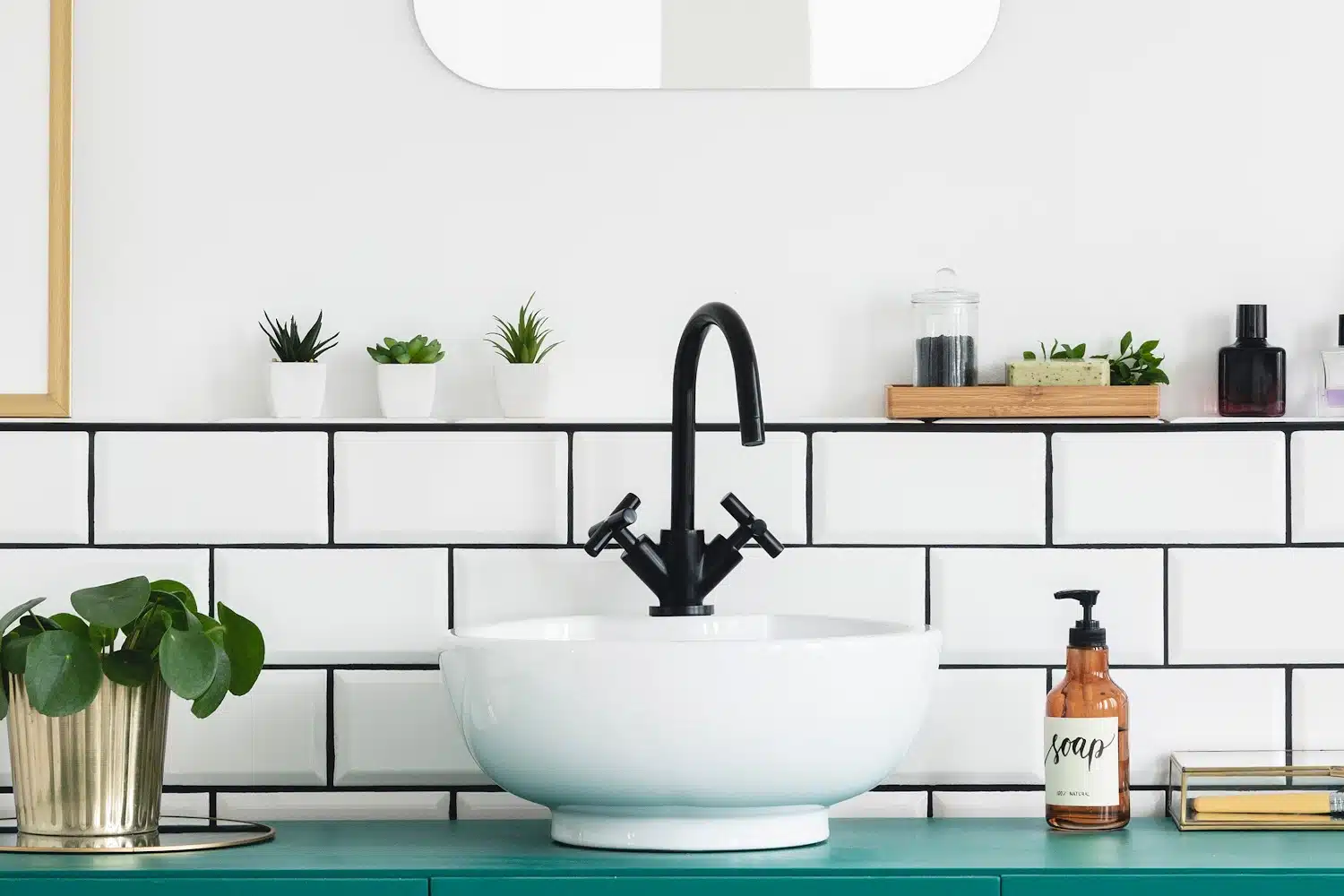
Here’s something you probably never think about: every time you flush the toilet (especially with the lid up), a fine mist of particles sprays into the air and settles on your bathroom walls. Add in soapy over-spray from the shower, and you’ve got a grimy microfilm building up. The solution is easier than you’d think: spray your walls with all-purpose cleaner and let it sit for 20 minutes. Then wipe everything down with a microfiber cloth.
Kitchen Garbage Disposal
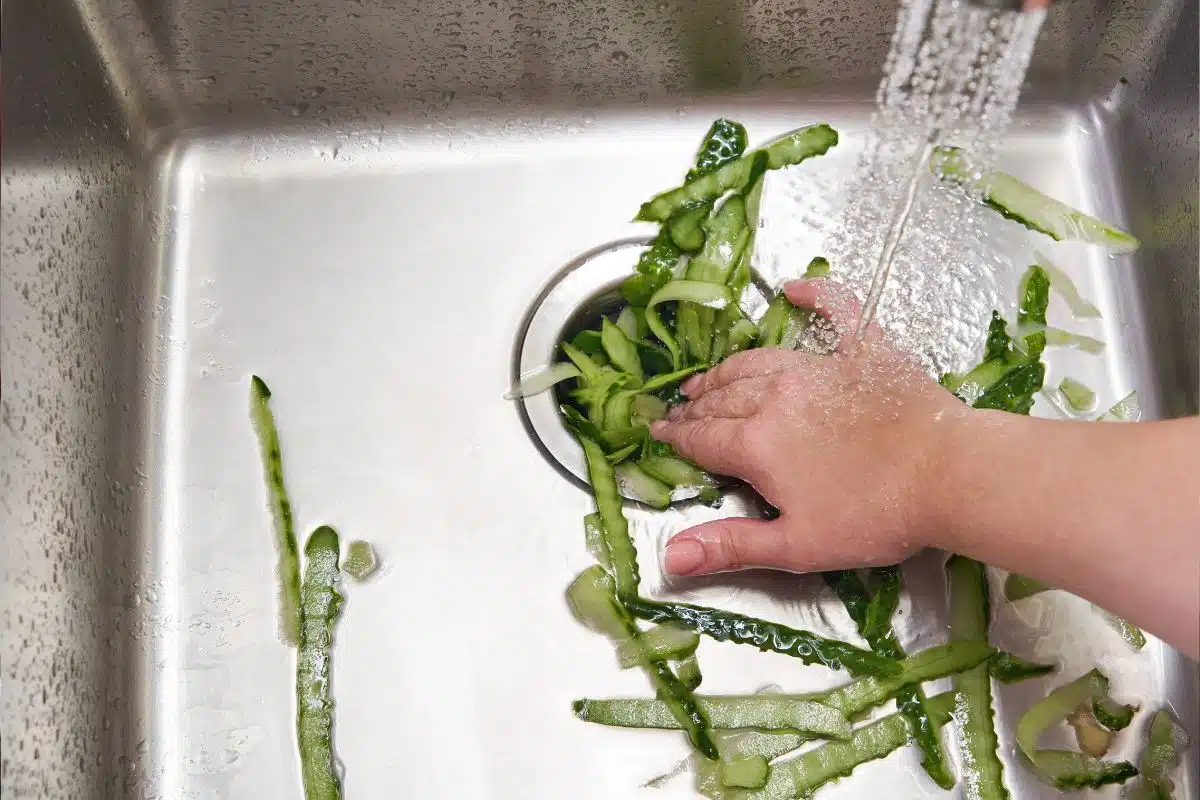
Your garbage disposal works hard grinding up food waste, but all that organic matter can leave a residue that starts to smell. If you’ve noticed an unpleasant odor coming from your sink, your disposal is probably the culprit. Once a week, dump a cup of baking soda down the drain, followed by a cup of white vinegar. Let it sit and fizz for 30 minutes (the chemical reaction helps clean the interior), then flush with boiling water.
Refrigerator Door Handles and Exterior
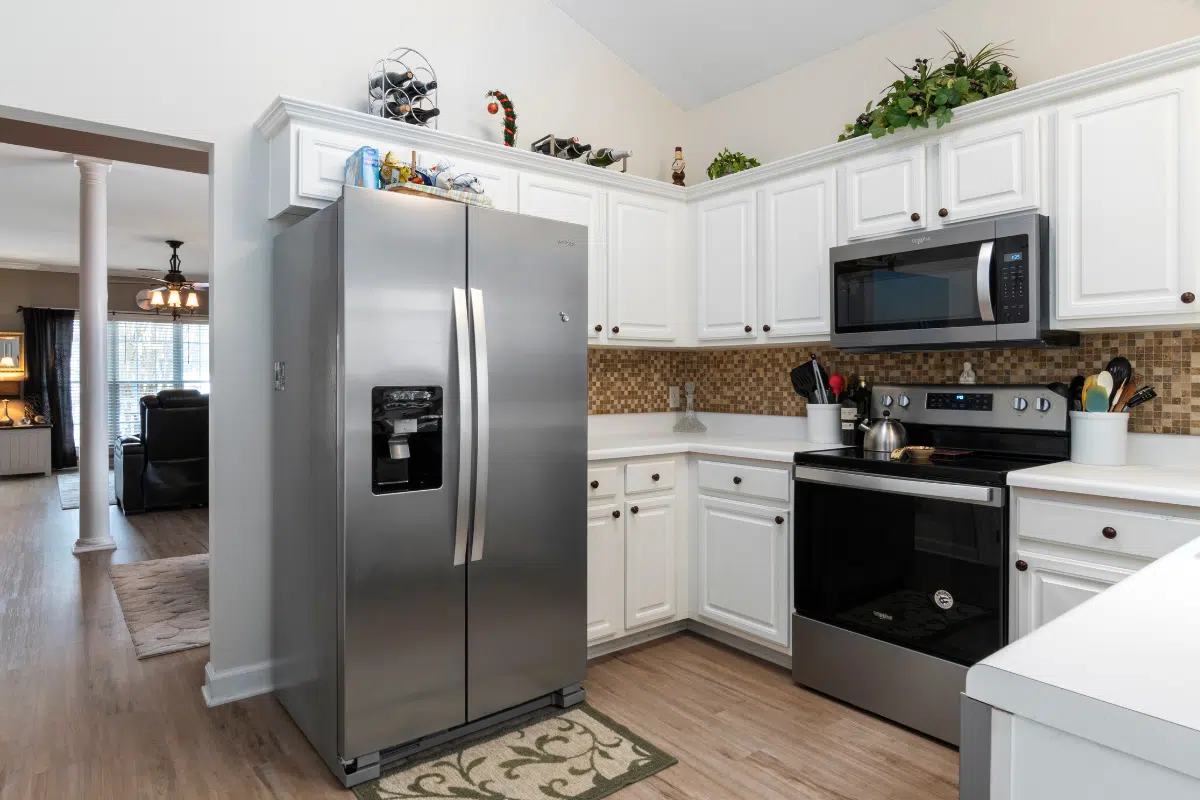
Think about how many times a day you open the refrigerator. Now think about what your hands have been doing before each time—handling raw meat, touching your phone, petting the dog. The fridge handle is one of the most frequently touched surfaces in your kitchen, yet it’s often ignored during cleaning. Make it a weekly habit to wipe down. Use a mixture of warm water and dish soap, or an all-purpose cleaner for tougher spots.
Trash and Recycling Bins
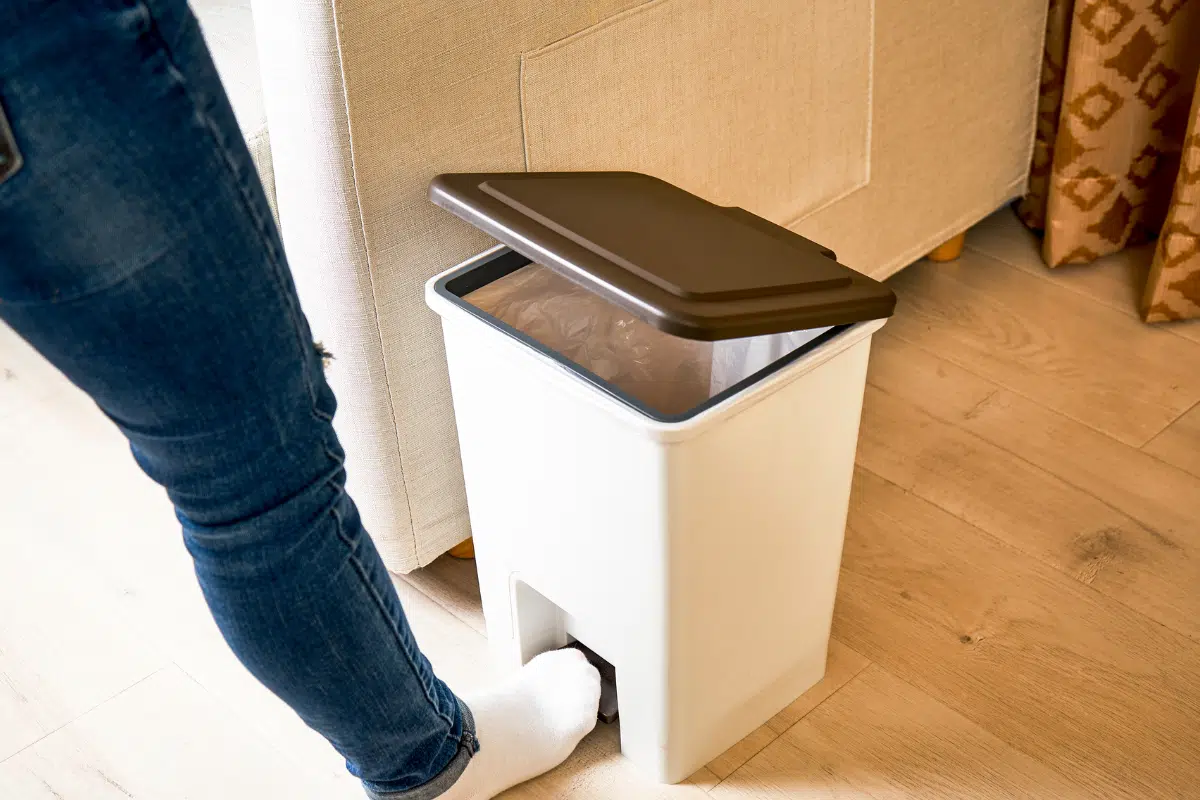
You take out the trash regularly, but when’s the last time you actually cleaned the bin itself? Garbage bags can leak, creating a breeding ground for bacteria and seriously unpleasant odors. Once a week for kitchen trash cans (and monthly for bathroom bins), take them outside and hose them down, or spray with disinfectant and wipe thoroughly. Let them dry completely in the sun before putting them in a fresh bag.
Remote Controls and Electronics
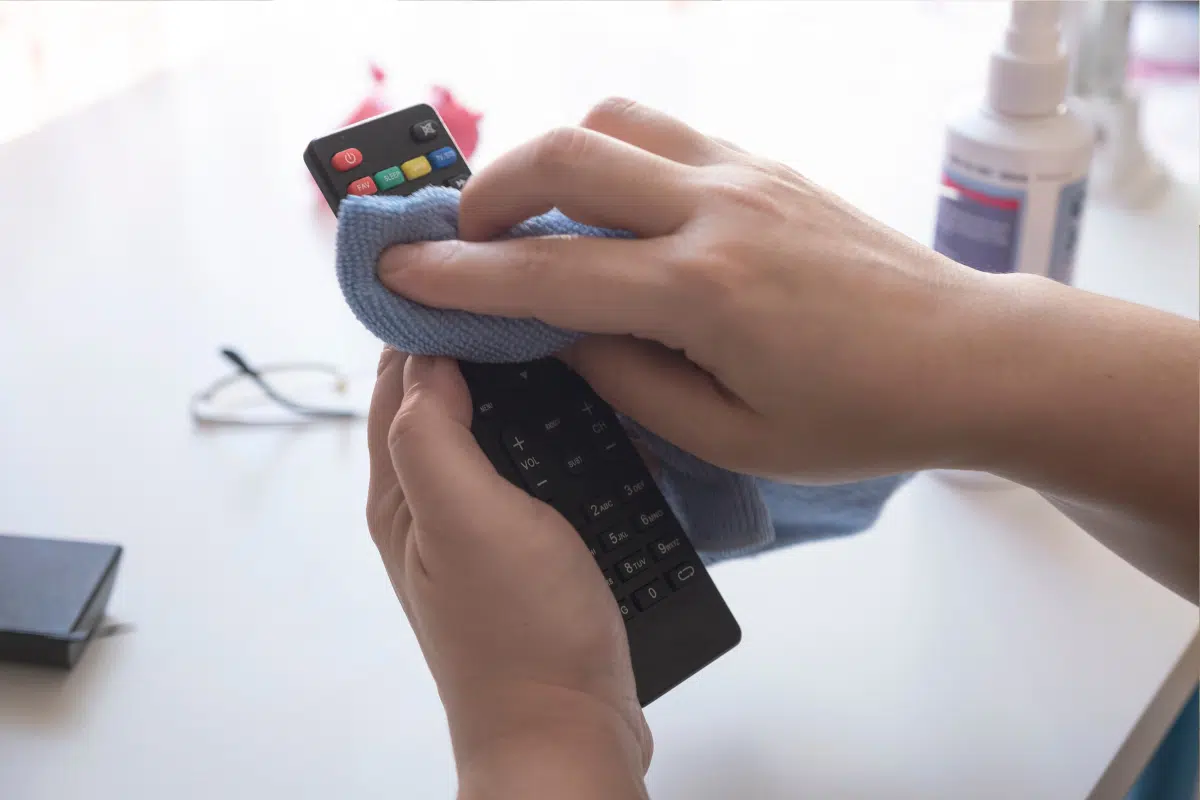
Your TV remote, phone, tablet, computer keyboard, and mouse are touched countless times every single day. These devices go everywhere with you and pick up germs from every surface they touch. Studies show that our phones and remotes can harbor more bacteria than a toilet seat! Yet most people rarely, if ever, clean them. Once a week, wipe down all your frequently used electronics with electronics-safe disinfectant wipes.
Ceiling Fans
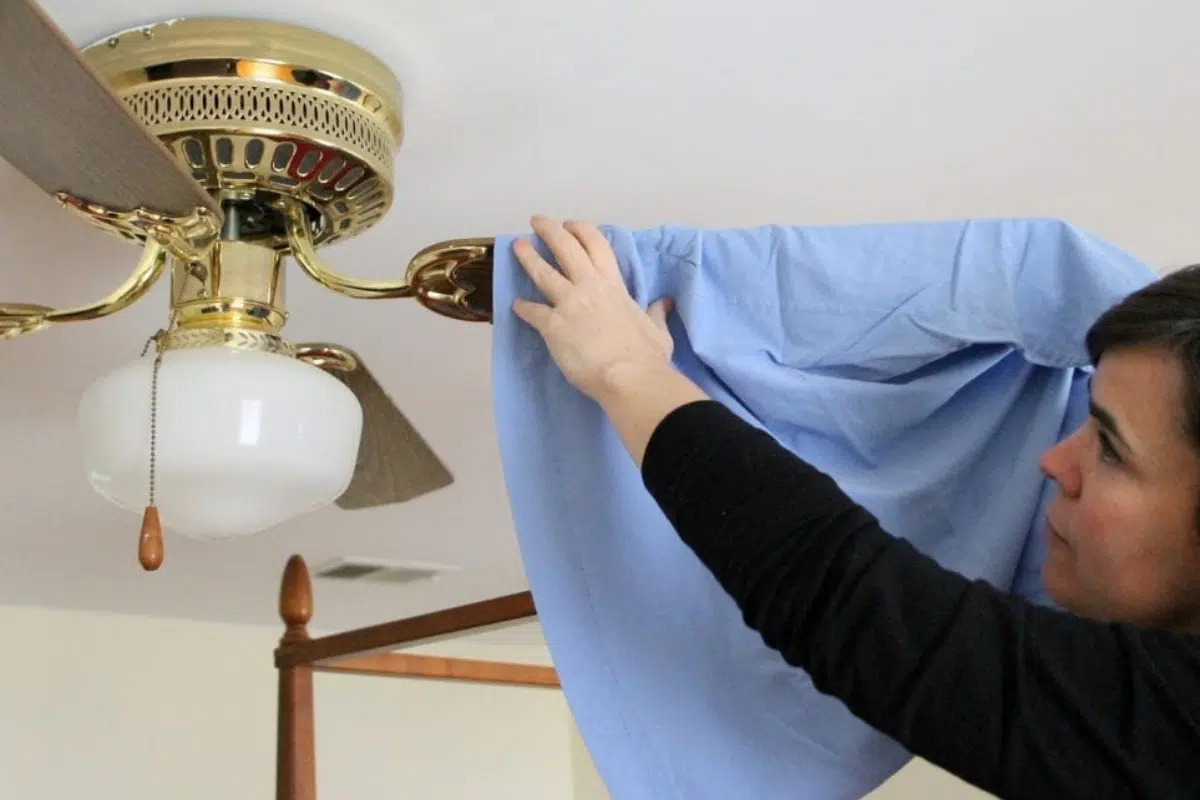
Out of sight, out of mind—until you reverse your ceiling fan direction and a cloud of dust rains down on you! Every time the fan runs, it circulates these particles throughout your room, affecting air quality and potentially triggering allergies. Weekly dusting of ceiling fan blades should be part of your routine, especially during seasons when you use them frequently. Use a microfiber duster or a damp cloth to trap dust rather than just spreading it around. For an easier approach, consider using a pillowcase.
Baseboards
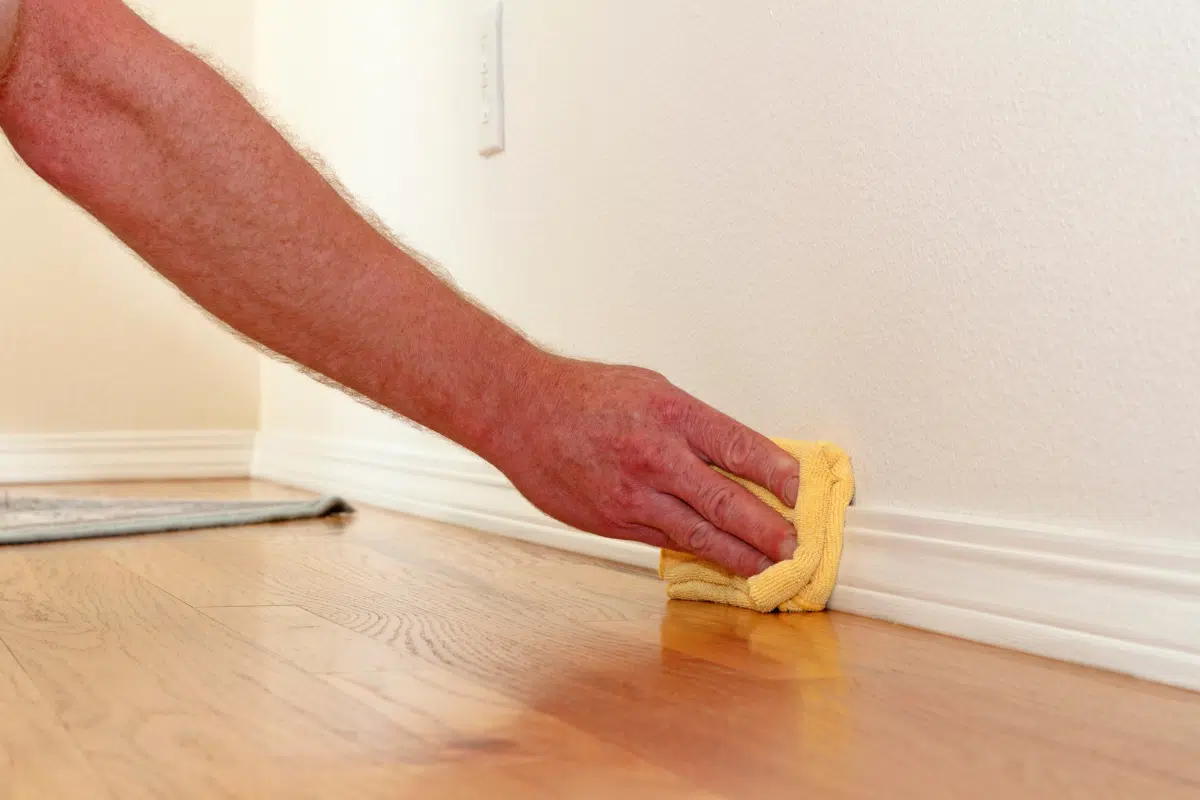
Baseboards run along the bottom of every wall in your home, making them prime real estate for dust bunnies, pet hair, scuff marks, and general grime. The good news is they’re relatively easy to clean. A damp microfiber cloth works for light dust, while a Magic Eraser is perfect for scuff marks and stubborn dirt. Vacuum first to remove loose debris, then wipe down with your chosen method. Do this weekly in high-traffic areas and monthly elsewhere.
This post may contain affiliate links or sponsored content. Disclosure Policy