6 Common Laundry Problems and How to Fix Them
Laundry seems straightforward until you’re dealing with missing socks, stubborn odors, wrinkled clothes, or loads that never seem to dry. While there are countless laundry products promising miracle results, many common problems have surprisingly simple solutions using items you probably already have at home. These practical laundry hacks can help you save time, reduce frustration, and get better results from every load. Whether you’re trying to freshen musty towels or cut down on ironing, these easy fixes are worth adding to your laundry routine.
Refresh Wrinkled Clothes With Ice Cubes
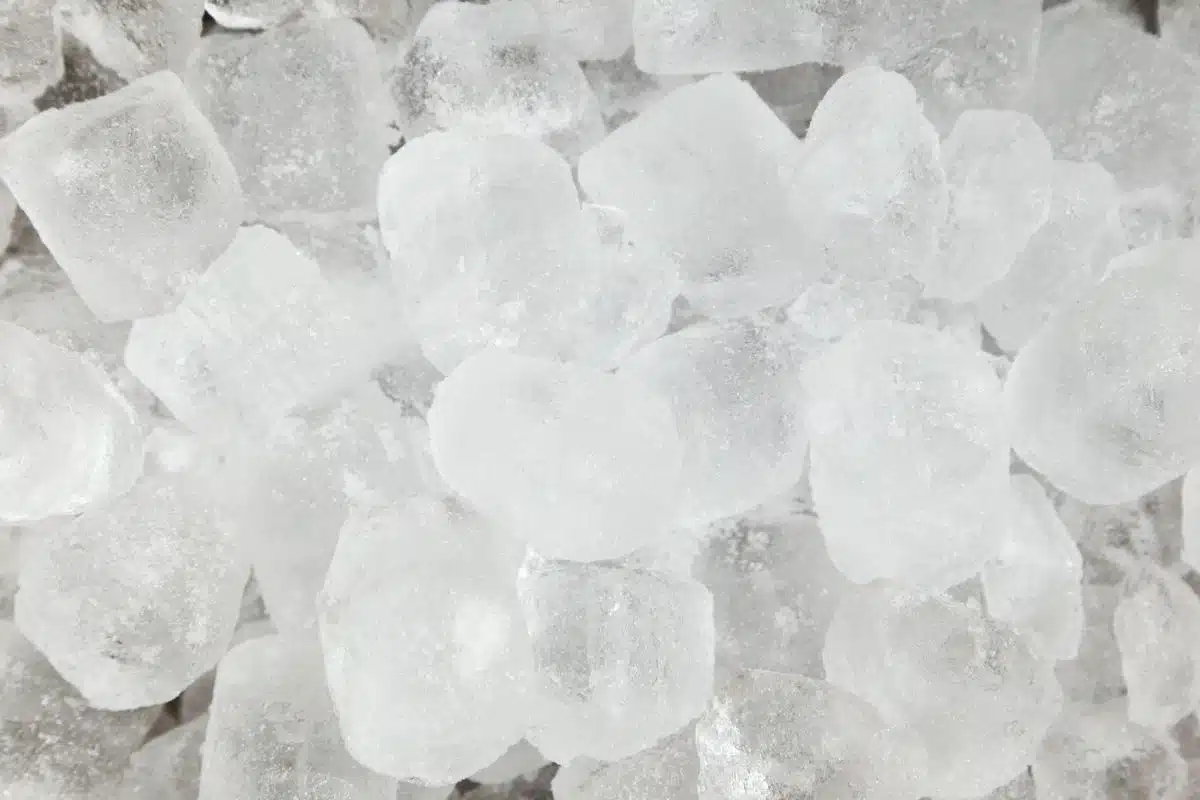
If you forget to remove clothes from the dryer, there’s no need to iron everything. Toss two or three ice cubes into the dryer with the wrinkled clothes and run it on high heat for about 10 to 15 minutes. As the ice melts, it creates steam that helps relax wrinkles in many fabrics. This trick works especially well for cotton shirts, casual clothing, and lightweight fabrics. While it won’t replace ironing for dress shirts or heavily wrinkled garments, it’s an easy way to freshen everyday clothes before wearing them.
Keep Socks Together With Mesh Laundry Bags
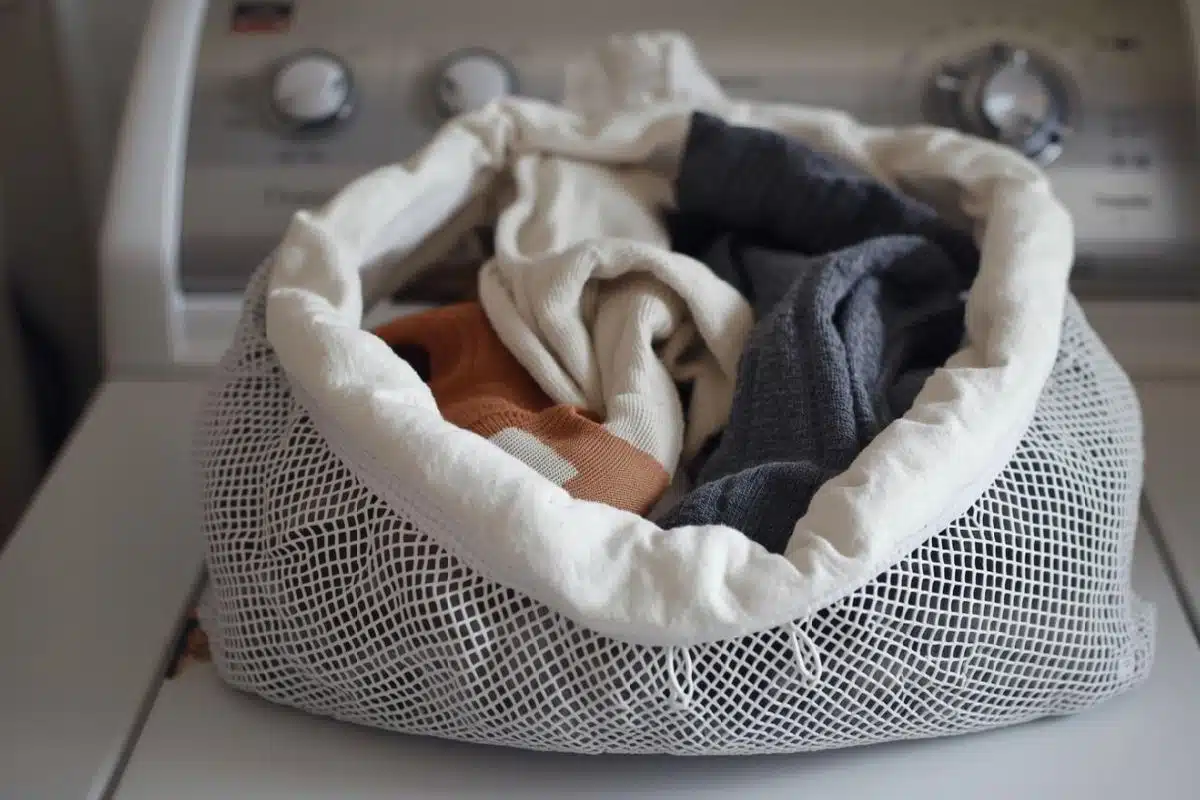
Few laundry frustrations are as common as losing one sock from a favorite pair. Washing socks inside a zippered mesh laundry bag keeps them contained throughout the wash and dry cycles, making it much easier to match pairs afterward. This method also works well for baby clothes, delicate undergarments, and other small items that tend to disappear into larger loads. You’ll spend less time sorting laundry and far less time hunting for missing socks.
Eliminate Odors With Baking Soda
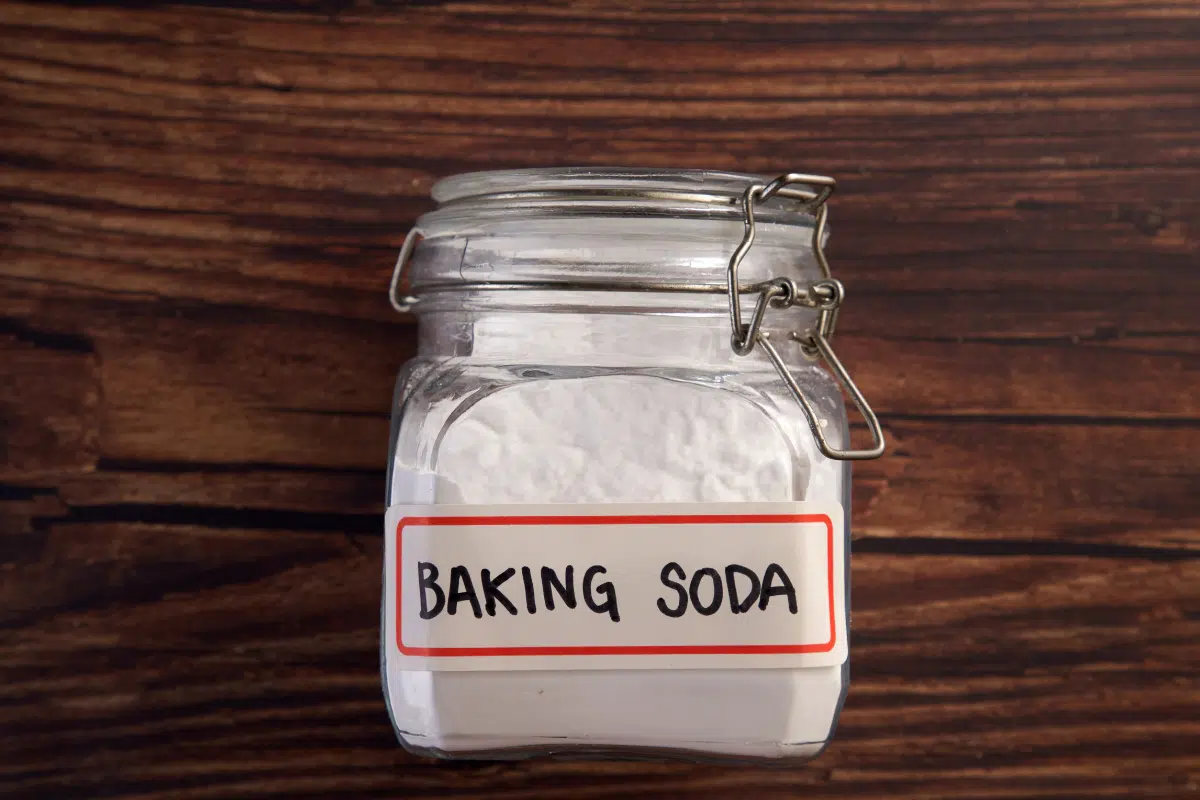
If clean towels, gym clothes, or athletic wear still smell musty after washing, baking soda can help. Add about ½ cup directly into the washing machine drum before starting the cycle to help neutralize odors instead of simply covering them up. Baking soda also helps balance wash water, allowing detergent to work more effectively on sweat, body oils, and lingering smells. For persistent odors, avoid using too much detergent, as residue can actually trap bacteria and odors in fabric.
Reduce Drying Time With a Clean Dry Towel
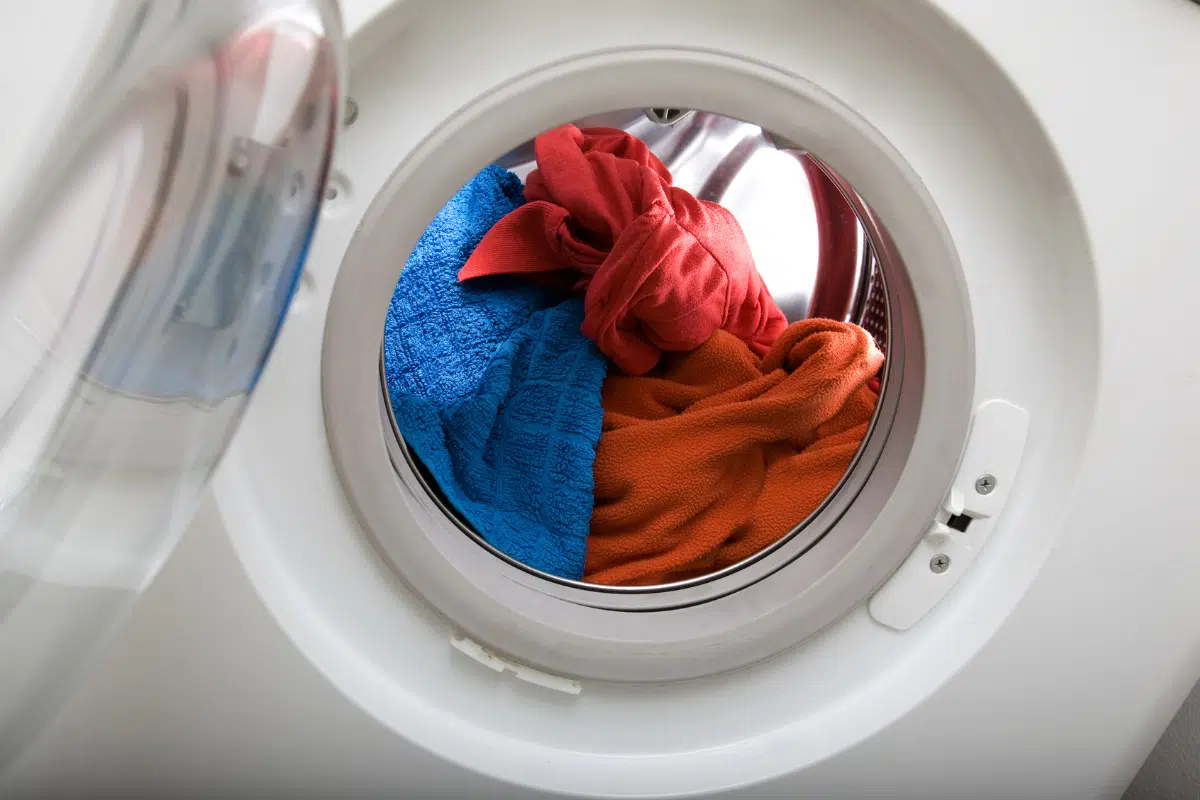
Heavy loads can take much longer to dry than expected. Placing a clean, dry towel in the dryer for the first 10 to 15 minutes helps absorb excess moisture from wet clothing, allowing the rest of the load to dry more quickly. After the towel becomes damp, remove it and let the dryer finish the cycle. This simple trick can shorten drying times, improve efficiency, and reduce energy use—especially for bulky loads of towels or jeans.
Help Preserve Dark Colors With White Vinegar
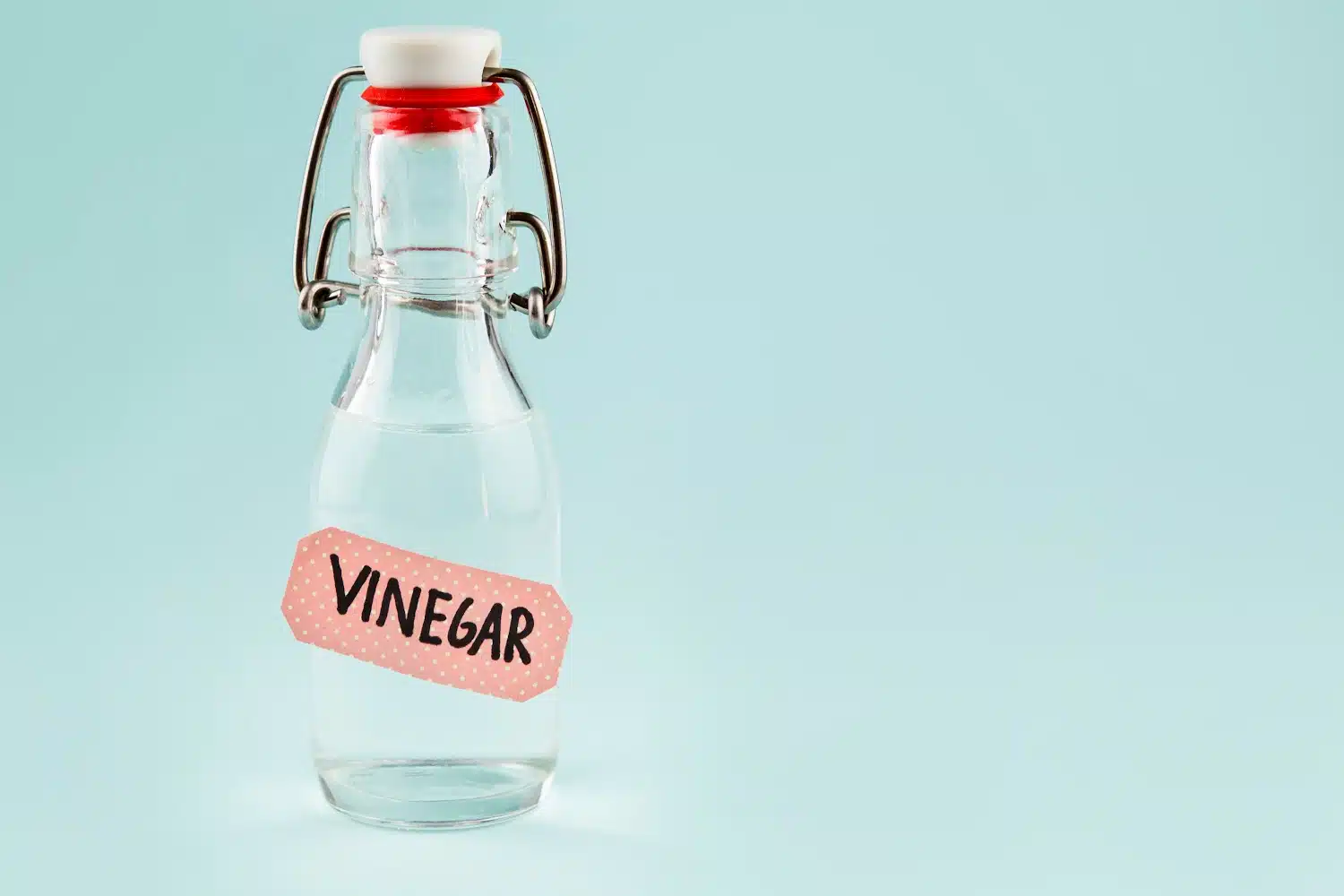
Many people use distilled white vinegar as a natural fabric softener because it helps remove detergent residue while leaving fabrics feeling softer. Adding about ½ cup to the fabric softener dispenser during the rinse cycle can also help dark clothing look fresher by reducing buildup that makes colors appear dull. While vinegar is a useful laundry aid, it won’t permanently “lock in” dyes or prevent color bleeding in every situation. The best way to protect new or brightly colored clothing is still to wash similar colors together, especially during the first few washes.
Remove Pet Hair and Lint Before It Takes Over

Pet hair and lint often cling to fleece, blankets, sweatshirts, and other textured fabrics. Before washing, give clothing a quick shake outdoors or use a lint roller to remove loose hair. During drying, wool dryer balls can help separate fabrics so lint is more easily captured by the dryer’s lint filter. For homes with pets, cleaning the dryer’s lint trap before every load is one of the simplest ways to improve airflow and remove more hair. It’s a small habit that makes a noticeable difference in how clean your clothes look when they come out of the dryer.
This post may contain affiliate links or sponsored content. Disclosure Policy