10 Everyday Cooking Habits That Can Shorten the Life of Your Pans
Good cookware is an investment—but everyday kitchen habits can quietly wear it down long before its time. From overheating to improper cleaning, small missteps can damage nonstick coatings, warp metal, and reduce performance over time. The good news is that most of these issues are easy to fix with a few simple adjustments. Here are the most common cookware mistakes experts say to avoid if you want your pots and pans to last longer.
Overheating Your Pan
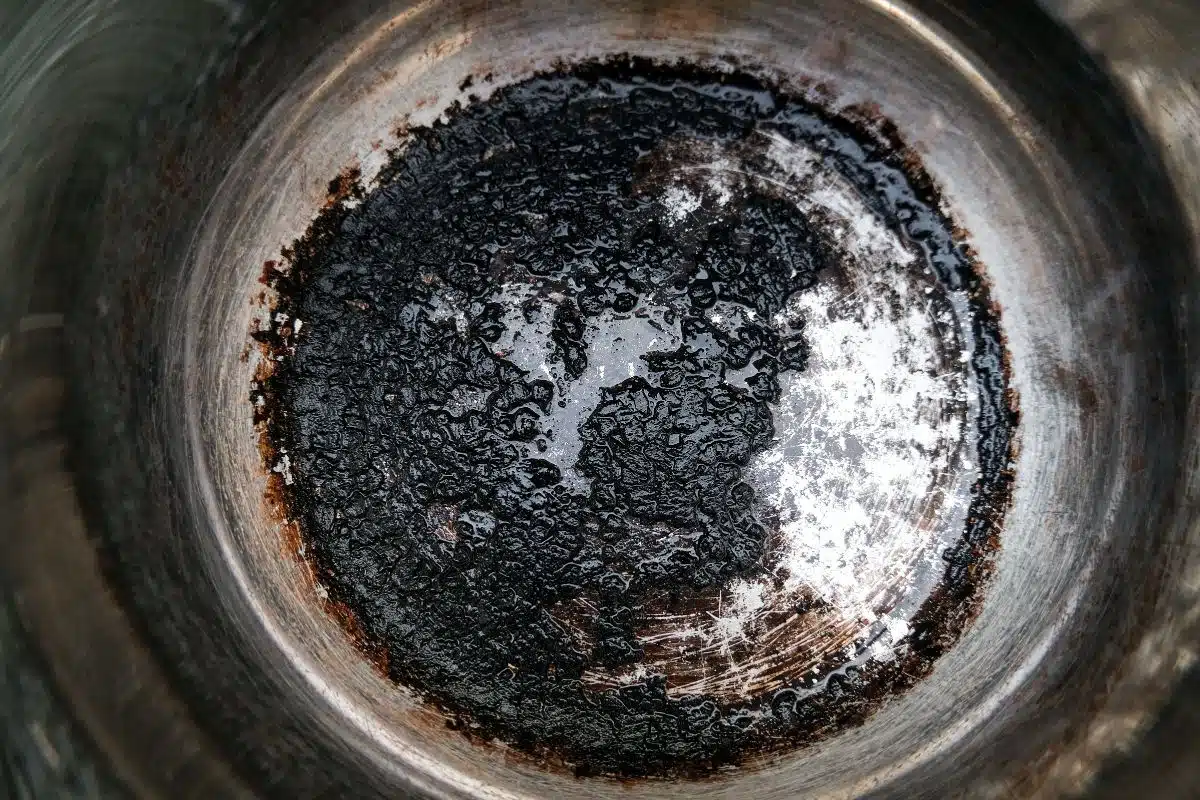
Using excessively high heat can do more damage than good. It may cause warping in metal pans and break down nonstick coatings faster than expected. Most cooking tasks only require medium heat for proper results. Lower, steadier heat often improves cooking performance as well.
Using Metal Utensils on Nonstick Surfaces
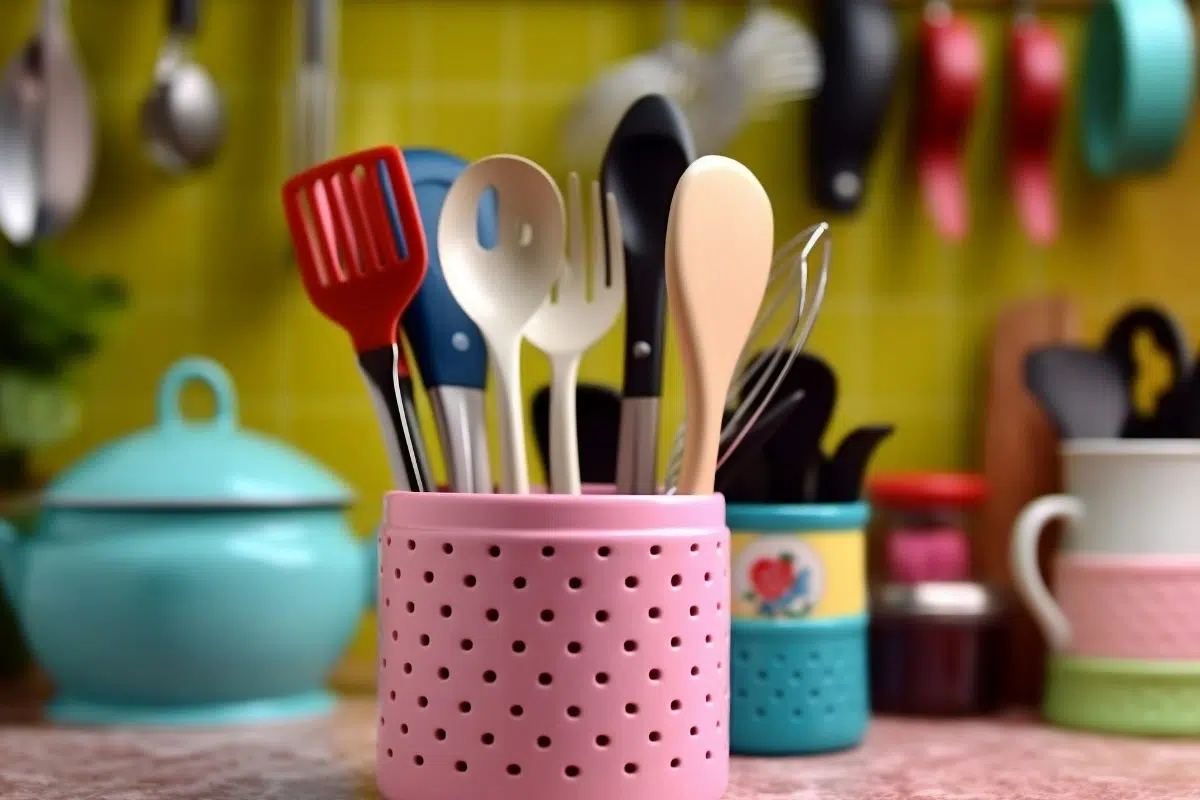
Metal utensils can scratch and weaken nonstick coatings over time. Once the surface is compromised, food begins sticking more easily and the pan becomes harder to clean. Silicone, wood, or heat-safe plastic tools are much gentler alternatives. Protecting the surface helps extend the life of your cookware.
Letting Pans Soak Too Long
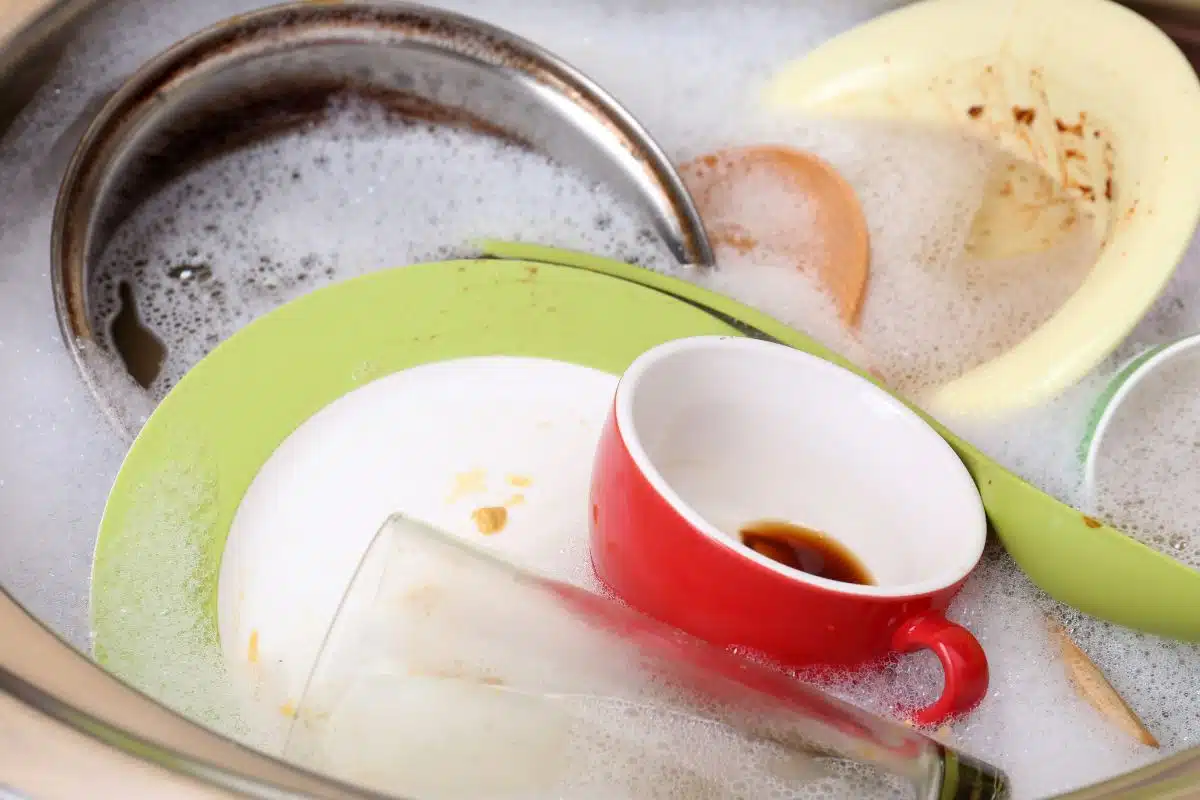
While soaking may seem helpful, leaving cookware submerged for extended periods can cause problems. Water can seep into handles, encourage rust, or loosen fasteners in certain pans. A quick soak followed by prompt washing is usually best. This is especially important for cast iron and carbon steel.
Using Cooking Spray on Nonstick Pans
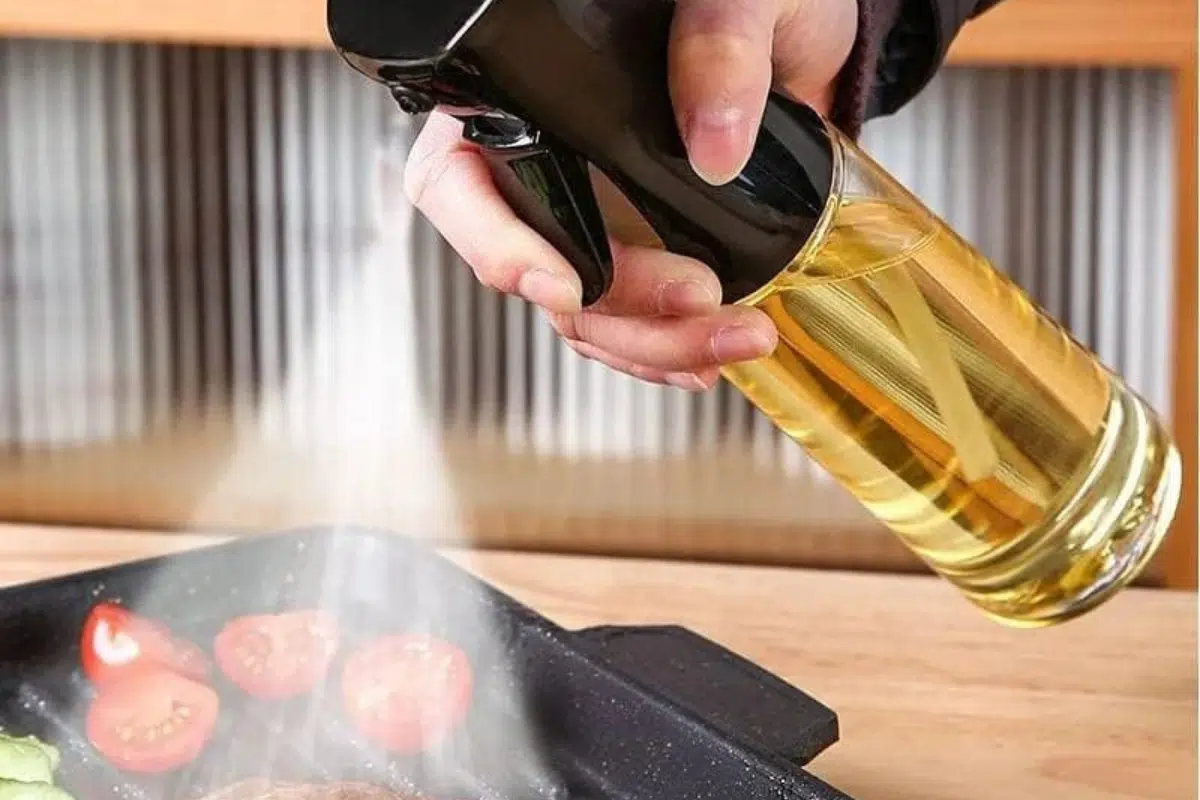
Cooking sprays can leave behind a sticky residue that builds up over time. This film becomes increasingly difficult to remove and can affect nonstick performance. Over time, it may even cause food to stick more than before. Using a small amount of oil or butter is often a better option.
Putting Hot Pans Under Cold Water
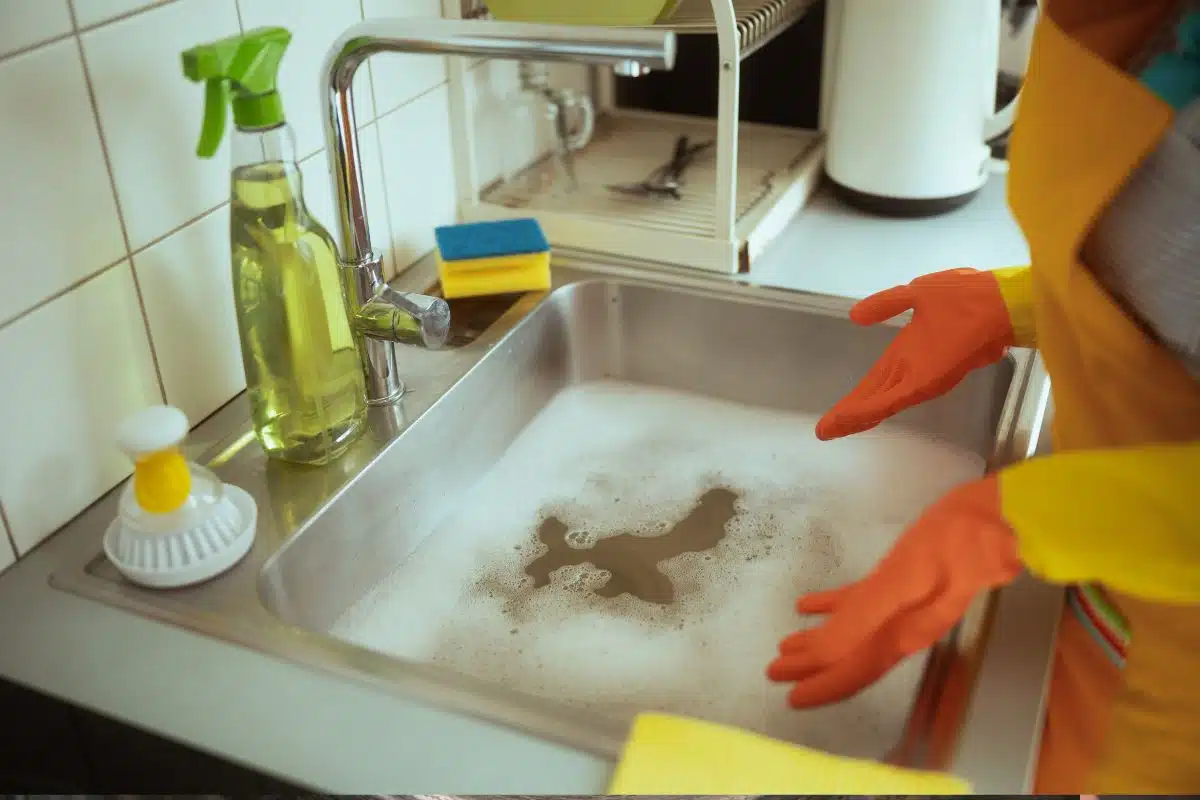
Sudden temperature changes can shock cookware materials. This may lead to warping, cracking, or damage to nonstick coatings. Allow pans to cool naturally before washing them. Gradual cooling helps preserve both shape and surface integrity.
Scrubbing With Abrasive Pads

Harsh scrubbers like steel wool can scratch and strip protective coatings. Once the surface is damaged, it becomes more prone to sticking and wear. Gentle sponges or nylon scrubbers are usually sufficient for cleaning. A softer approach keeps cookware in better condition longer.
Stacking Pans Without Protection
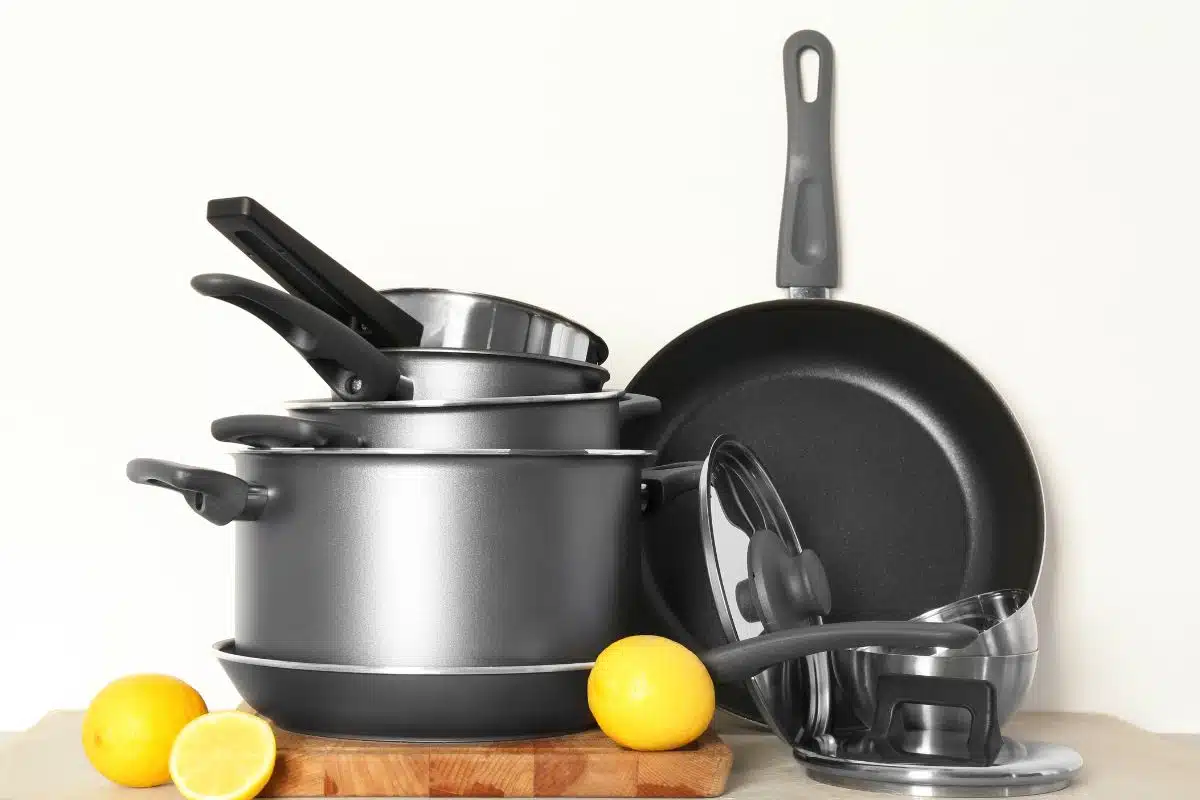
Stacking cookware directly on top of each other can cause scratches and dents. Even minor friction over time can wear down protective coatings. Placing a cloth, paper towel, or pan protector between items helps prevent damage. It’s a simple habit that protects your investment.
Not Re-Seasoning Cast Iron
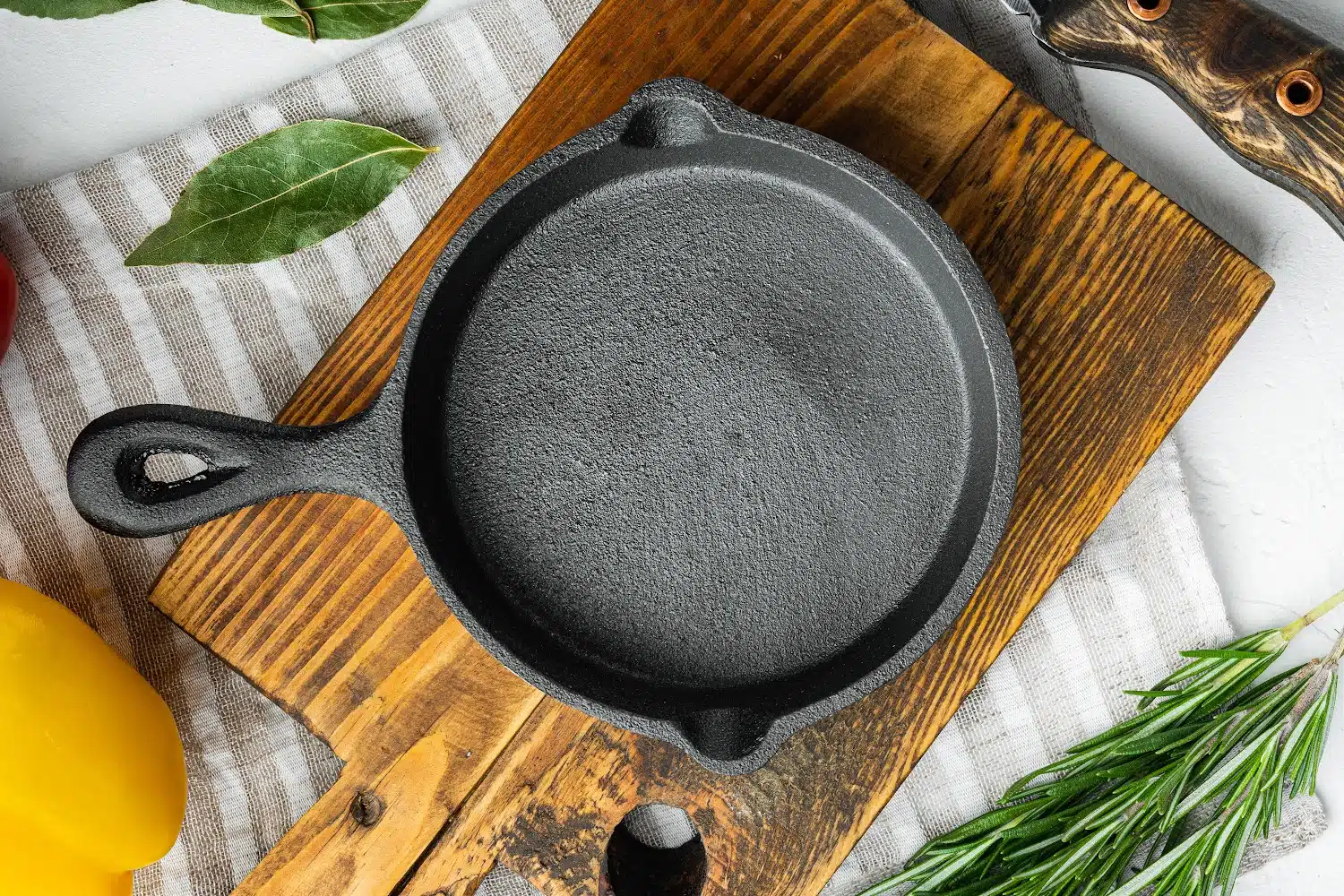
Cast iron relies on seasoning to maintain its nonstick surface and prevent rust. Skipping this step can lead to sticking, flaking, and deterioration over time. A light layer of oil after each use helps maintain the protective coating. Regular seasoning keeps cast iron performing at its best.
Using the Dishwasher for Delicate Cookware
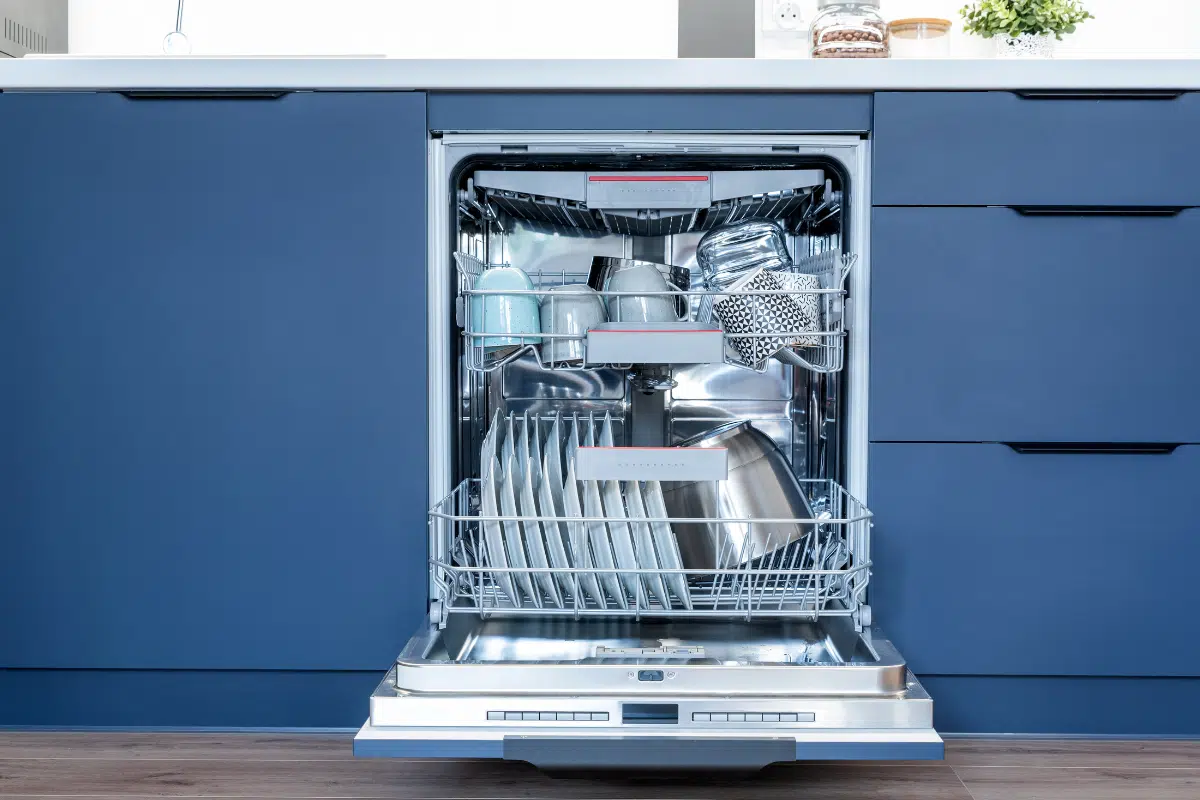
Dishwashers can be harsh on many types of cookware. High heat and strong detergents may discolor aluminum, damage handles, and degrade nonstick surfaces. Handwashing is often the safer choice for longevity. Always check manufacturer recommendations when in doubt.
Cooking Acidic Foods in Reactive Pans
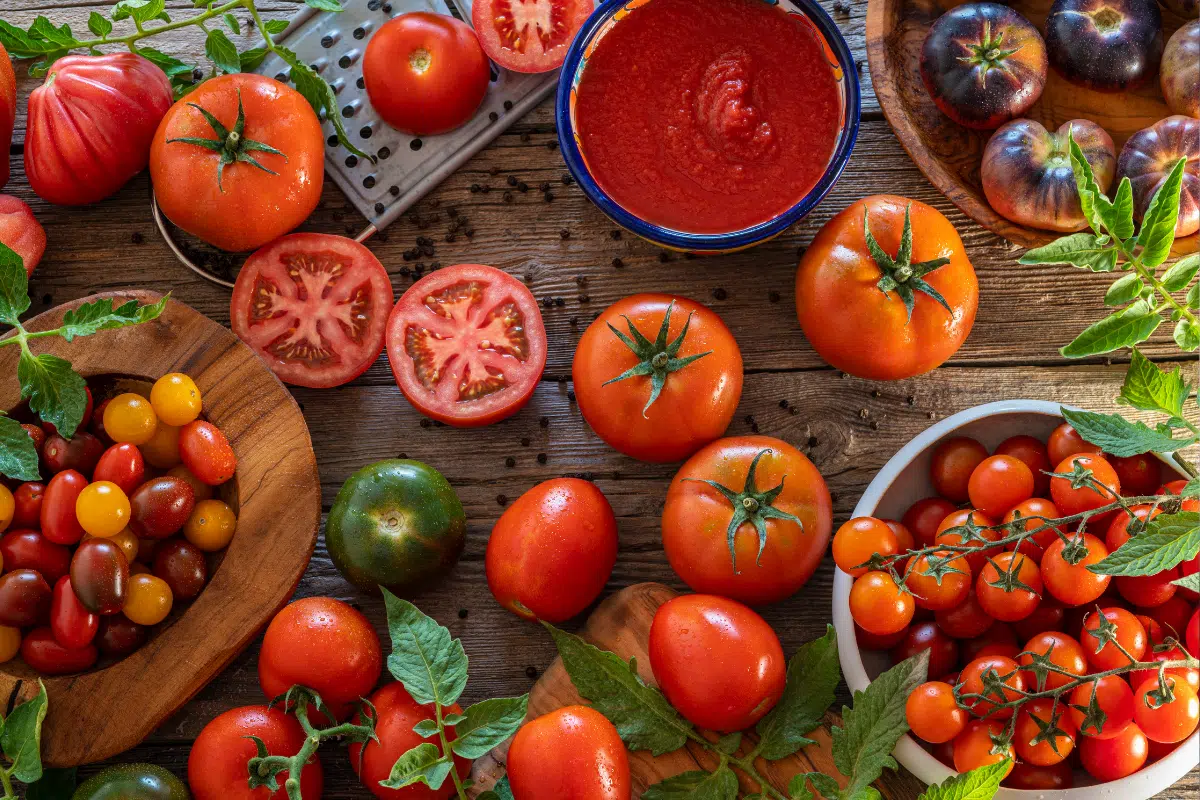
Ingredients like tomatoes, vinegar, and citrus can react with certain metals. This may cause discoloration or even alter the taste of food. Stainless steel and enameled cookware are better suited for acidic dishes. Choosing the right pan helps protect both flavor and finish.
This post may contain affiliate links or sponsored content. Disclosure Policy