15 Realistic Self-Care Ideas That Fit Into a Busy Life
Self-care sounds wonderful until it becomes another item on an already packed to-do list. The good news is that taking care of yourself doesn’t require a spa day, expensive products, or hours of free time. Sometimes it looks like taking a short walk, putting your phone away, getting enough sleep, or simply giving yourself permission to say no. These simple ideas are designed to fit into real life while supporting your physical, mental, and emotional well-being.
Start Your Morning With 10 Minutes of Gentle Movement
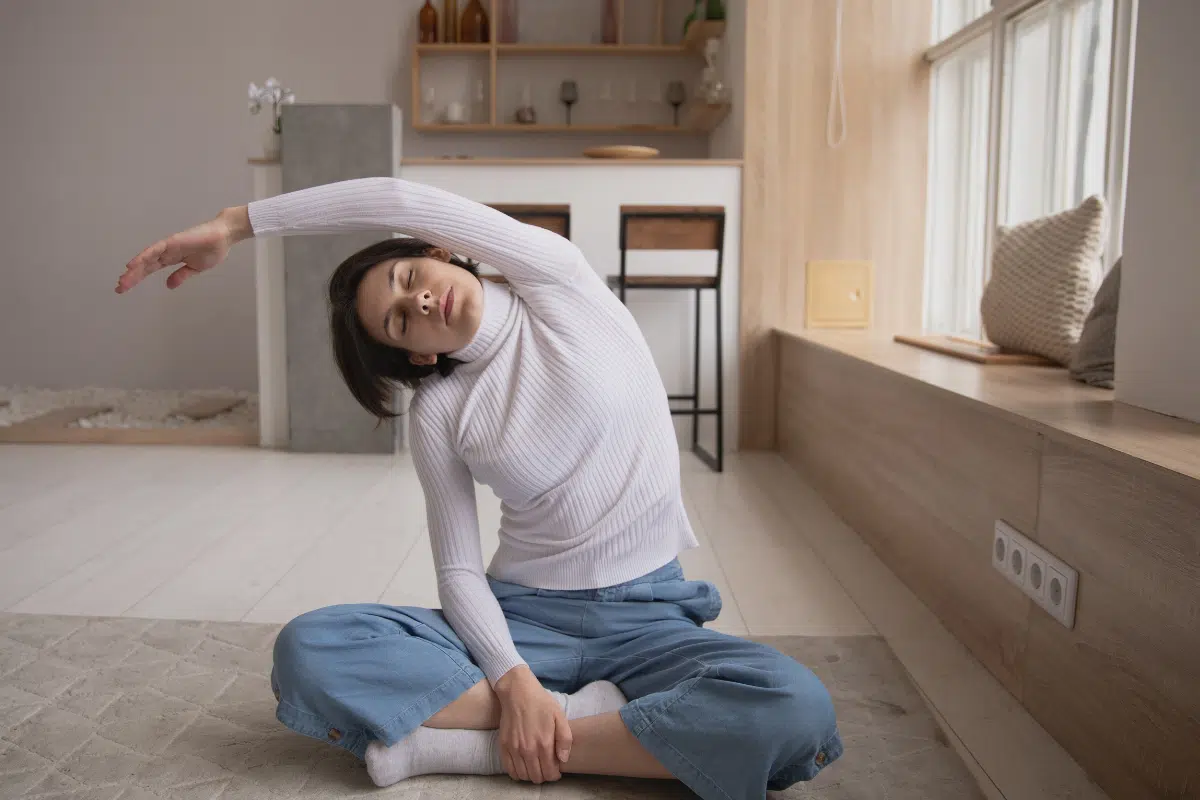
You don’t need a full workout to get your body moving in the morning. Spend a few minutes stretching, walking around the house, or doing gentle mobility exercises that feel comfortable for you. Regular physical activity is associated with better overall health and can also support mental well-being. Even small amounts of movement can add up throughout the day.
Create a Screen-Free Wind-Down Period

You don’t have to spend your entire evening without technology to benefit from putting your phone away for a while. Try setting aside the last 30 minutes before bed for reading, talking with family, stretching, or another quiet activity. NIMH recommends making sleep a priority and reducing screen exposure before bedtime as part of healthy self-care. If completely unplugging feels unrealistic, start with a short period and gradually make it longer.
Keep Water Within Easy Reach

A reusable water bottle can make it easier to remember to drink throughout the day, especially when you’re busy. You don’t necessarily need an elaborate tracking system; simply keeping water nearby may make it more convenient to choose water when you’re thirsty. Individual hydration needs vary based on factors such as activity, climate, diet, and health. Rather than chasing a specific number, pay attention to thirst and follow any hydration guidance provided by your healthcare professional.
Schedule a Little Time That’s Just for You

Self-care doesn’t have to happen at home. Set aside some time to enjoy a coffee, browse a bookstore, take a walk, visit a museum, or simply sit somewhere peaceful by yourself. Having an activity to look forward to can provide a welcome break from the usual routine. Staying connected to enjoyable activities and meaningful relationships is also part of maintaining overall well-being.
Spend Five Minutes Writing Down What’s on Your Mind

Journaling doesn’t have to mean writing several pages about your day. Set a timer for five minutes and write down what’s bothering you, what needs your attention, or a few things you’re grateful for. NIMH specifically includes practicing gratitude and writing down things you’re grateful for among its mental-health self-care suggestions. Think of journaling as a way to pause and organize your thoughts rather than another task you have to complete perfectly.
Clear One Small Area Before Bed

You don’t have to declutter your entire bedroom to create a more peaceful space. Spend five minutes clearing your nightstand, putting away clothes, or removing the items that have accumulated during the day. A small reset can make the room feel more orderly without turning self-care into a cleaning marathon. Keep the goal simple: create a space that feels comfortable when you’re ready to wind down.
Make One Meal You Actually Enjoy

Healthy eating doesn’t have to mean preparing elaborate meals or following a perfect diet. Instead, focus on making at least one meal during the day that is satisfying, nourishing, and realistic for your schedule. NIMH recommends eating healthy, regular meals as part of caring for your physical and mental well-being. Planning a few simple meals ahead of time can make this habit easier on especially busy days.
Take a Two-Minute Breathing Break

When your day feels overwhelming, pause for a couple of minutes and focus on taking slow, comfortable breaths. Deep breathing and other relaxation techniques can help activate the body’s relaxation response, although they aren’t a magic solution for every stressful situation. NCCIH notes that relaxation techniques are generally considered safe and can be practiced without special equipment. If breathing exercises make you feel uncomfortable or more anxious, stop and try another relaxation activity instead.
Build a Simple Evening Ritual
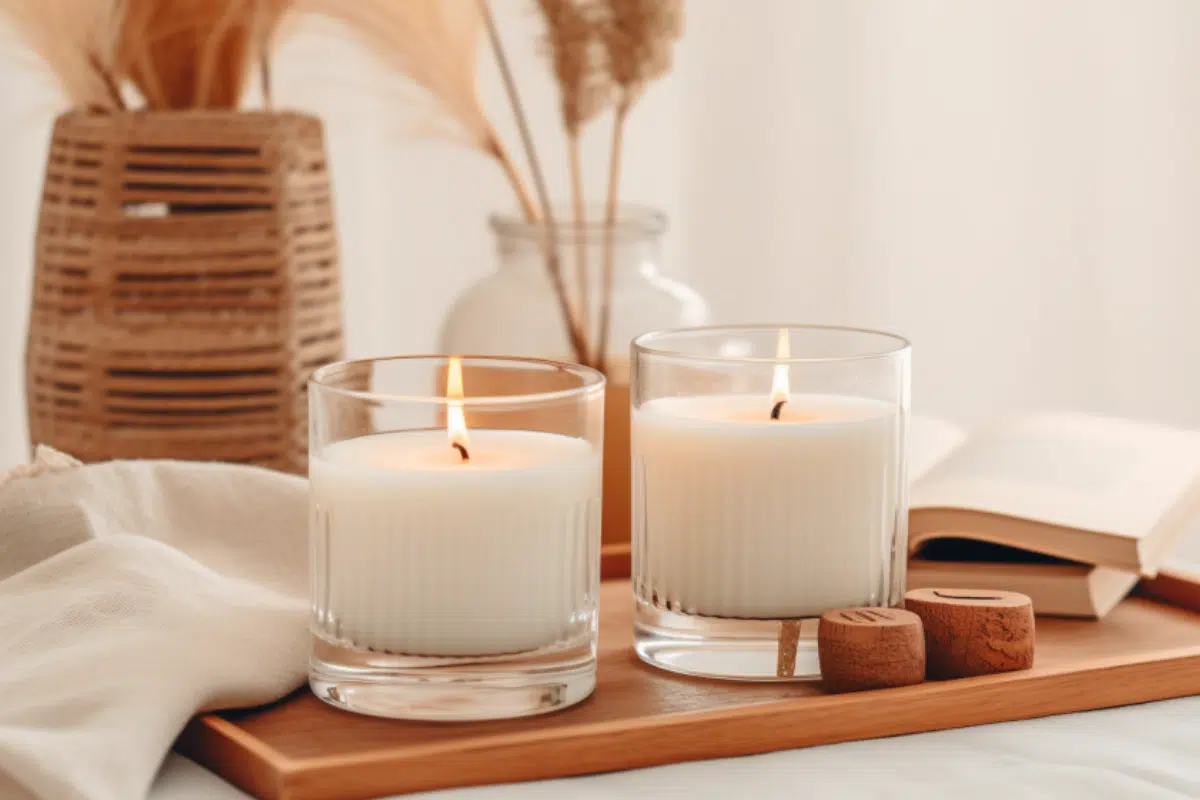
A predictable evening routine can give you a clear transition between the busyness of the day and bedtime. Try taking a warm shower, reading a few pages, listening to calming music, making tea, or dimming the lights. The activity itself doesn’t need to be special—the consistency can be what makes it useful. Choose something relaxing that you genuinely enjoy rather than following someone else’s elaborate nighttime routine
Get Comfortable Saying No

Sometimes self-care means recognizing that you simply cannot take on one more responsibility. Saying no to an unnecessary commitment can create room for rest, family, or priorities that matter more to you. NIMH recommends setting goals and priorities and learning to say no when you begin taking on too much. You don’t need a long explanation every time; a simple, polite response can be enough.
Try a Monthly Morning Without Your Usual Notifications

Instead of reaching for your phone immediately after waking, occasionally give yourself a slower start to the day. Make coffee, eat breakfast, read, take a walk, or simply sit quietly before checking messages and social media. You don’t need to spend an entire day offline for this to feel different. Think of it as creating a little breathing room before the demands of the day begin.
Make a Playlist for Different Moods

Music can be an easy way to change the atmosphere without requiring much time or money. Create one playlist for getting motivated, another for relaxing, or simply fill one with songs that make you happy. Research into music-based approaches has found some evidence for benefits related to relaxation and sleep, although the effects vary from person to person. The best playlist is ultimately the one that makes you feel good and fits the moment.
Take a Walk Outside

A walk can provide movement, a change of scenery, and a reason to step away from whatever you’ve been doing. It doesn’t have to be a long hike; even a short walk around your neighborhood can break up a sedentary day. NIMH recommends regular exercise and notes that even smaller amounts of activity can add up. If weather or mobility makes outdoor walking difficult, an indoor walk can provide many of the same movement benefits.
Give Yourself a Consistent Sleep Window
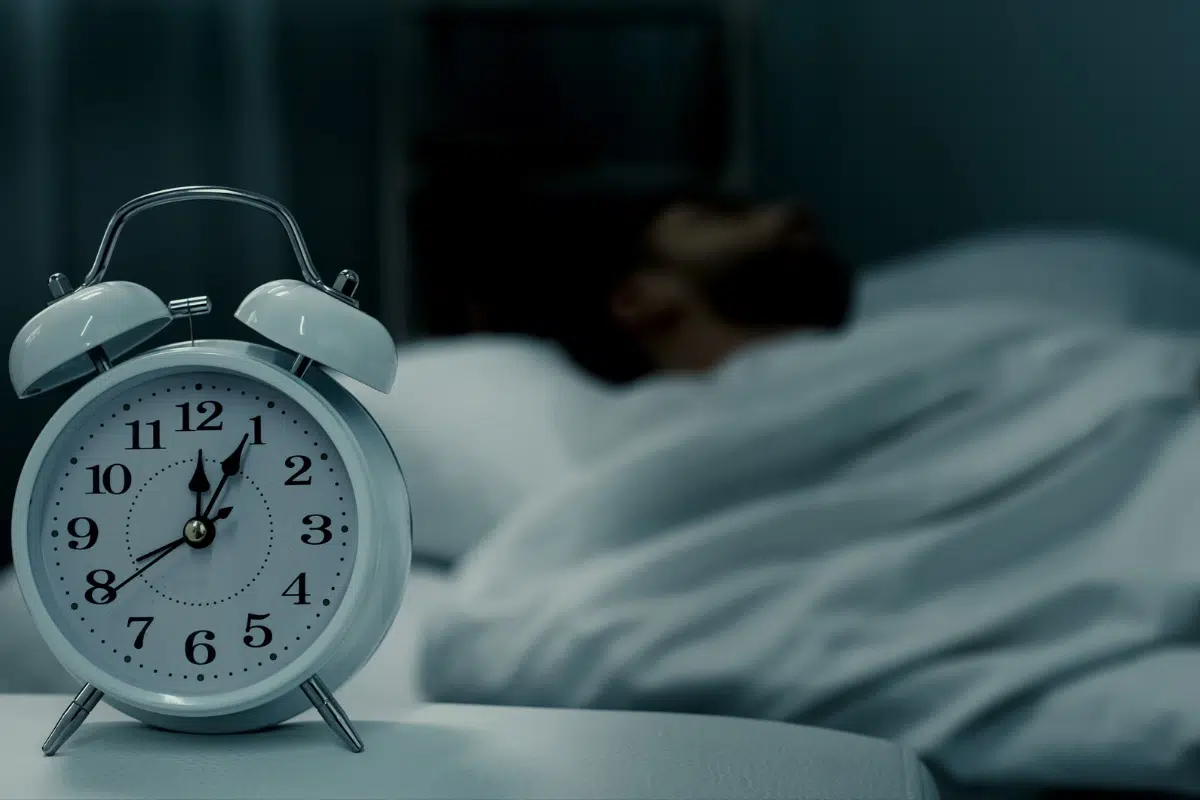
Instead of simply choosing an earlier bedtime, aim for a sleep schedule that gives you enough time to rest consistently. Most adults need at least seven hours of sleep, although individual needs vary. Recent federal data show that about 30% of U.S. adults were averaging less than seven hours of sleep, making adequate rest an important part of overall well-being. If you regularly have trouble falling asleep, staying asleep, or getting enough rest, it’s worth discussing the problem with a healthcare professional.
Make Time for People Who Help You Feel Like Yourself

Self-care doesn’t always have to be something you do alone. Call a friend, have coffee with a family member, take a walk with someone, or make plans with people whose company you genuinely enjoy. Meaningful social connections are an important part of overall well-being, and the National Institute on Aging recommends staying connected through activities and relationships that provide purpose and enjoyment. Even a short conversation can be a welcome break from a stressful day.
This post may contain affiliate links or sponsored content. Disclosure Policy