Organic vs. Non-Organic Foods: Which Groceries Are Worth the Extra Cost?
Organic groceries often come with higher price tags, leaving shoppers to wonder whether the extra expense is worthwhile. While organic farming standards limit the use of certain synthetic pesticides and prohibit genetically modified ingredients, buying organic doesn’t automatically mean a food is more nutritious or safer. The best approach is to understand which products may be worth the added cost and where conventional options can help stretch your grocery budget. From fresh produce to meat, dairy, and packaged foods, here are practical ways to make informed choices without overspending.
Use the Dirty Dozen as a Shopping Guide, Not a Rule
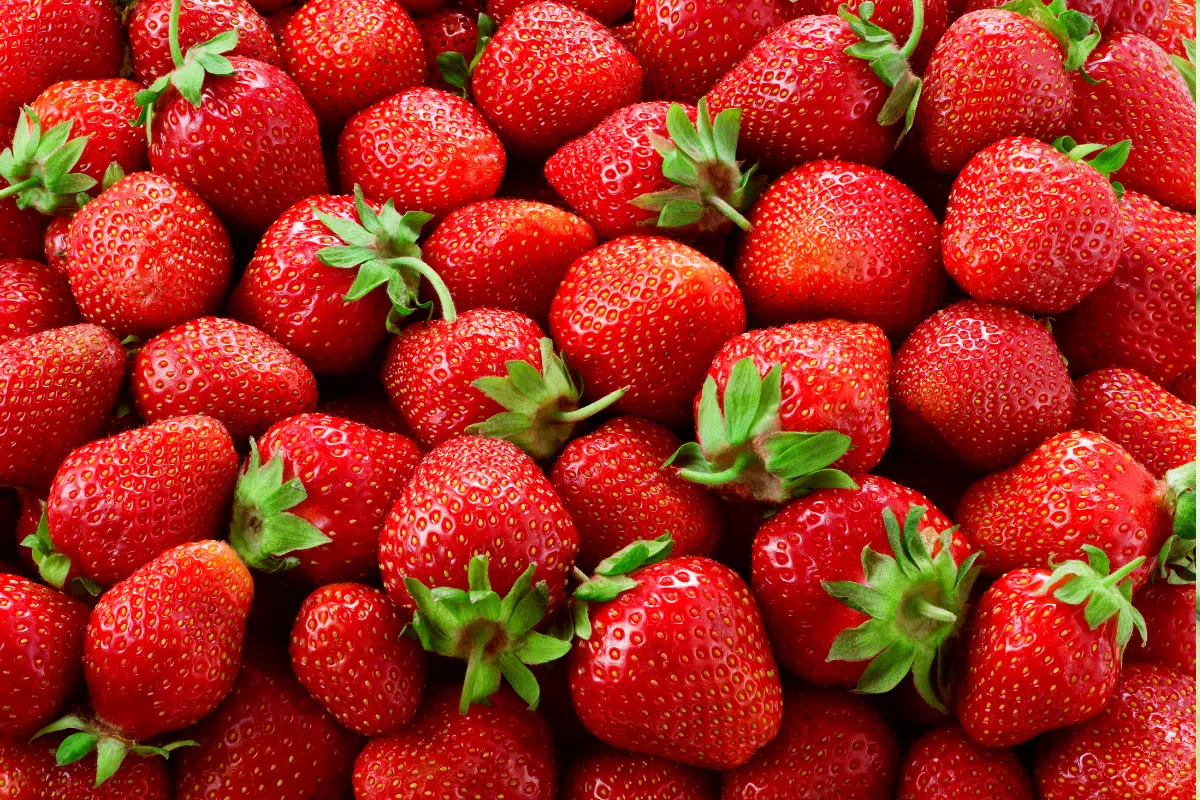
The Environmental Working Group (EWG) publishes an annual Dirty Dozen list highlighting conventionally grown produce with the highest pesticide residue levels in its testing. Strawberries, leafy greens, grapes, and other popular fruits and vegetables often appear on the list. If reducing dietary pesticide exposure is a priority, these are reasonable items to consider buying organic when your budget allows. However, the list does not mean conventional produce is unsafe to eat. Washing fresh fruits and vegetables under running water remains important, regardless of whether they are organic or conventionally grown.
Save on Produce That Ranks Lower for Pesticide Residues
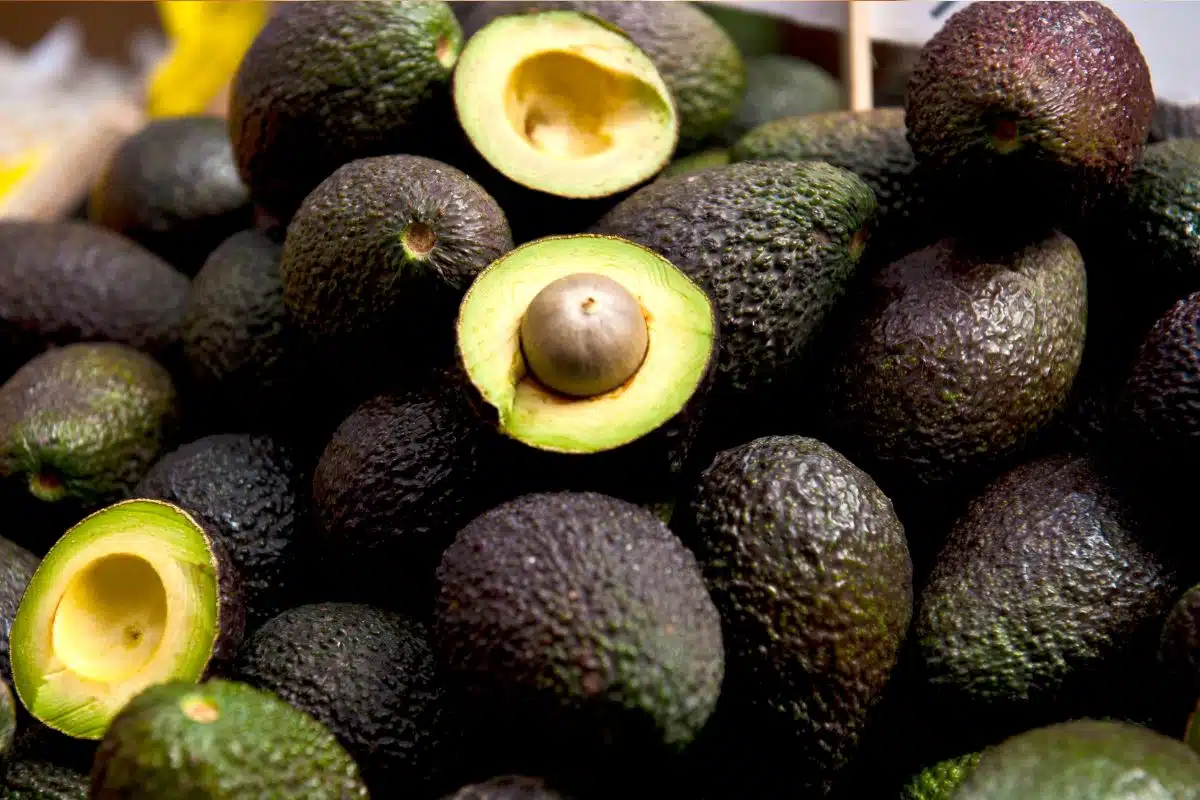
The EWG also publishes a Clean Fifteen list featuring conventionally grown produce with the lowest pesticide residue levels in its testing. Pineapples, sweet corn, avocados, and onions are among the items that frequently rank well. These can be practical choices when you want to save money without automatically choosing organic. Keep in mind that lower pesticide residue levels do not mean pesticide-free, and the rankings can change as new testing data becomes available. Think of the list as a shopping reference rather than a guarantee about the safety of individual foods.
Understand What Organic Meat, Milk, and Eggs Actually Mean

Organic animal products come with specific production requirements that go beyond the absence of certain chemicals. USDA organic standards prohibit antibiotics and added growth hormones in organic livestock production, require organic feed, and include outdoor access requirements. However, it’s important to know that added hormones are already prohibited in poultry and pork production, including conventional products. Organic certification also doesn’t automatically mean meat, milk, or eggs are more nutritious. If animal-raising practices and production standards matter to you, organic may be worth the extra expense. Otherwise, compare prices and choose products that fit your priorities.
Compare Unit Prices When Buying Organic in Bulk
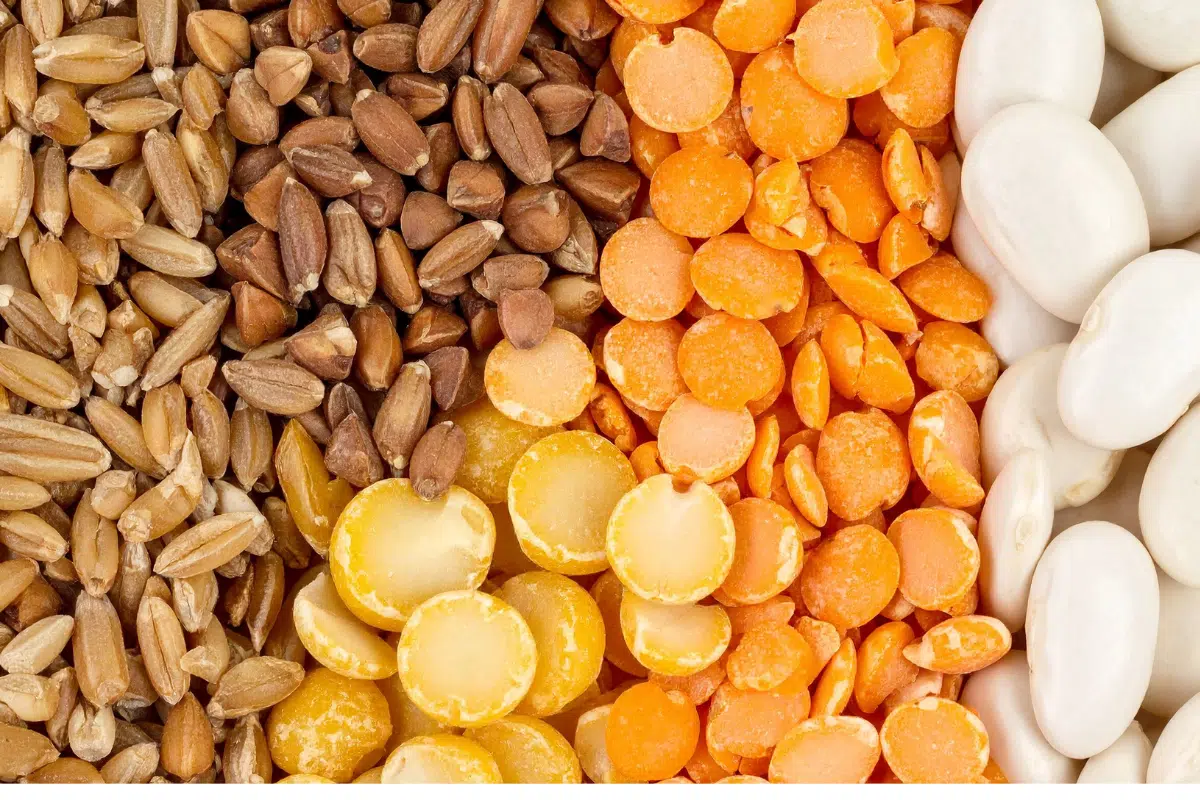
Buying pantry staples such as dried beans, lentils, oats, rice, and nuts in larger quantities can help lower your grocery costs. This applies to both organic and conventional products, so don’t assume the organic option is always significantly more expensive. Compare the unit price rather than focusing only on the package price, and consider how quickly your household will use the food. Buying in bulk only saves money when you can use the ingredients before they lose freshness. If you have access to bulk bins, you may also be able to purchase smaller quantities without paying for extra packaging.
Shop for Produce When It’s in Season
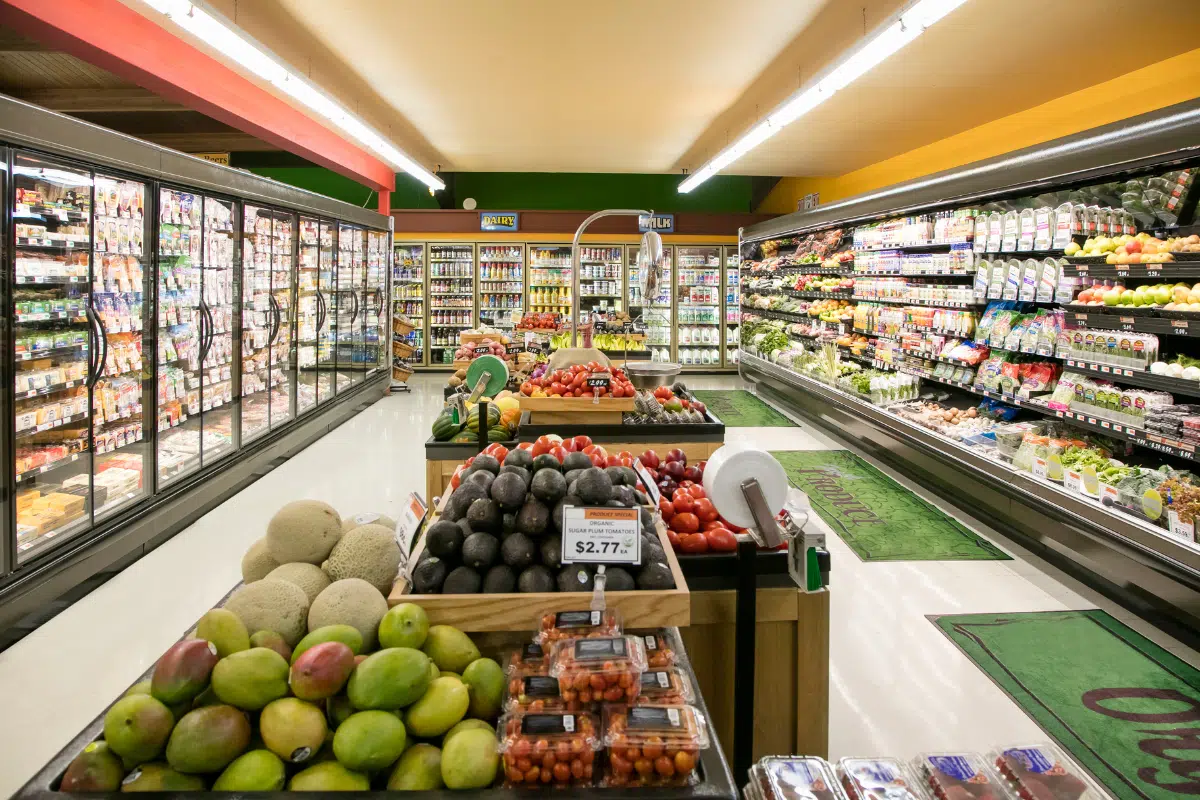
Shopping for seasonal produce is one of the simplest ways to manage grocery costs, whether you prefer organic or conventional foods. When fruits and vegetables are in season locally, greater availability can sometimes mean better prices and fresher options. Visit your grocery store’s weekly ad or local farmers market to see what’s currently plentiful. You can also buy extra when prices are favorable and freeze suitable produce for later use. Frozen fruits and vegetables are another practical option, and both organic and conventional varieties can offer convenient ways to stock your kitchen.
Be Selective About Organic Packaged Foods

Organic cookies, crackers, cereals, granola bars, and other packaged snacks can cost considerably more than conventional alternatives. However, the organic label doesn’t automatically make a product more nutritious. Organic packaged foods can still contain added sugars, sodium, and refined ingredients, so it’s worth looking beyond the front-of-package claims. Compare ingredient lists, serving sizes, and unit prices before deciding whether the upgrade makes sense. For everyday pantry staples, you may find that choosing a simpler product or preparing certain snacks at home offers better value than paying extra for an organic label.
Compare the Price Difference Before You Buy

Organic prices can vary significantly depending on the food, store, brand, and season. Rather than assuming organic always costs a certain percentage more, compare the actual prices on the shelf. The USDA tracks organic and conventional retail prices, and its research shows that price premiums vary considerably between products. A recent LendingTree analysis of USDA pricing data also found substantial differences among individual fruits and vegetables. Check unit prices, store-brand options, and weekly promotions before making your decision. Sometimes the organic version is only slightly more expensive, while other times the difference may not fit your budget.
Organic Shopping Doesn’t Have to Be All or Nothing
You don’t have to fill your entire grocery cart with organic products to make thoughtful shopping decisions. Start by identifying the foods that matter most to your household, compare prices, and take advantage of conventional options when they make financial sense. Remember that eating enough fruits, vegetables, and other nutritious foods is more important than avoiding conventional produce altogether. A flexible approach can help you balance food preferences, personal priorities, and your grocery budget without feeling pressured to buy organic every time.
This post may contain affiliate links or sponsored content. Disclosure Policy