10 Grocery Items That Have Become Too Expensive for Many Shoppers
If you’ve been feeling sticker shock at the grocery store lately, you’re not alone. Rising costs have pushed some everyday staples to the point where shoppers are thinking twice—or even skipping them entirely. Here are 10 groceries that have gotten so pricey, shoppers had to put them back on the shelf.
Chicken Breast

Chicken breast, a go-to lean protein, has become noticeably more expensive per pound. Whether due to feed costs or supply chain pressures, shoppers are paying more for what was once a budget-friendly staple. Many are switching to whole chickens or alternative proteins to save money.
Ground Beef
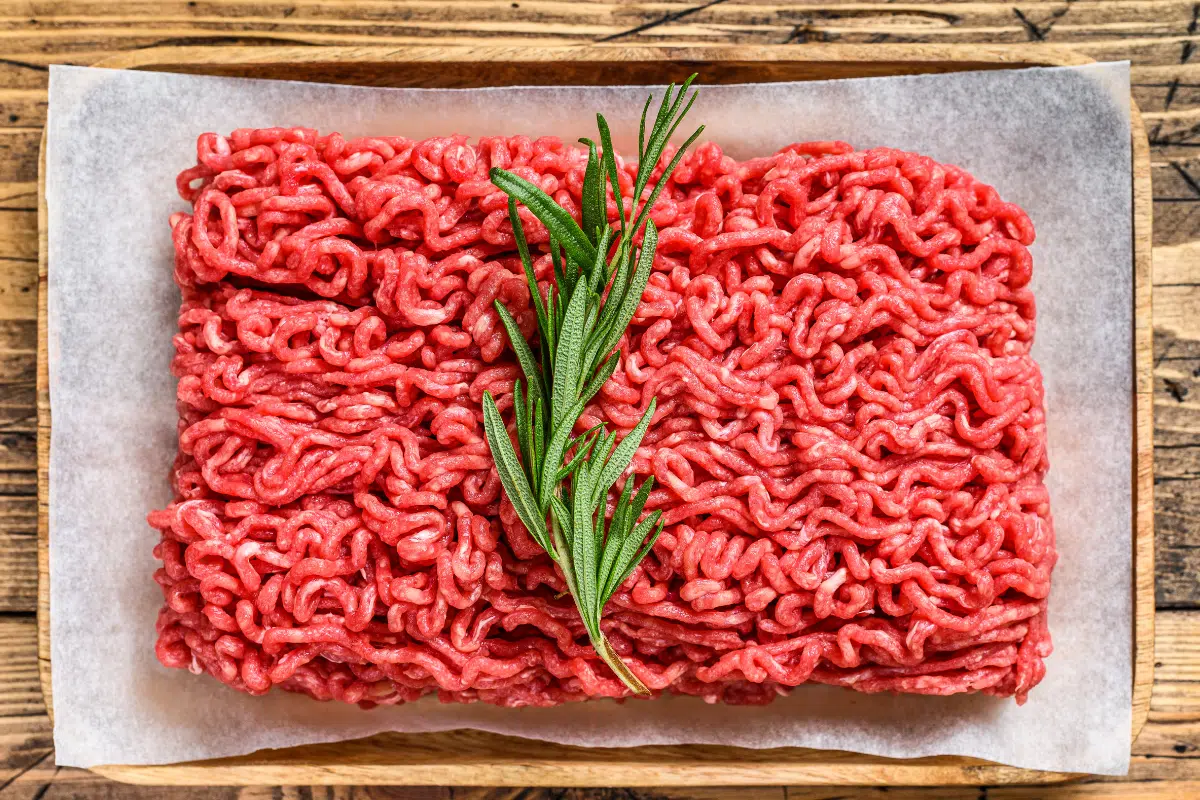
Ground beef prices remain higher than many families would like, especially for larger households. As a result, many shoppers are reducing portion sizes or stretching recipes with fillers like beans or vegetables. Others are swapping in ground turkey or chicken as more budget-friendly proteins. Plant-based alternatives are also becoming more common in weeknight meals.
Almond Milk
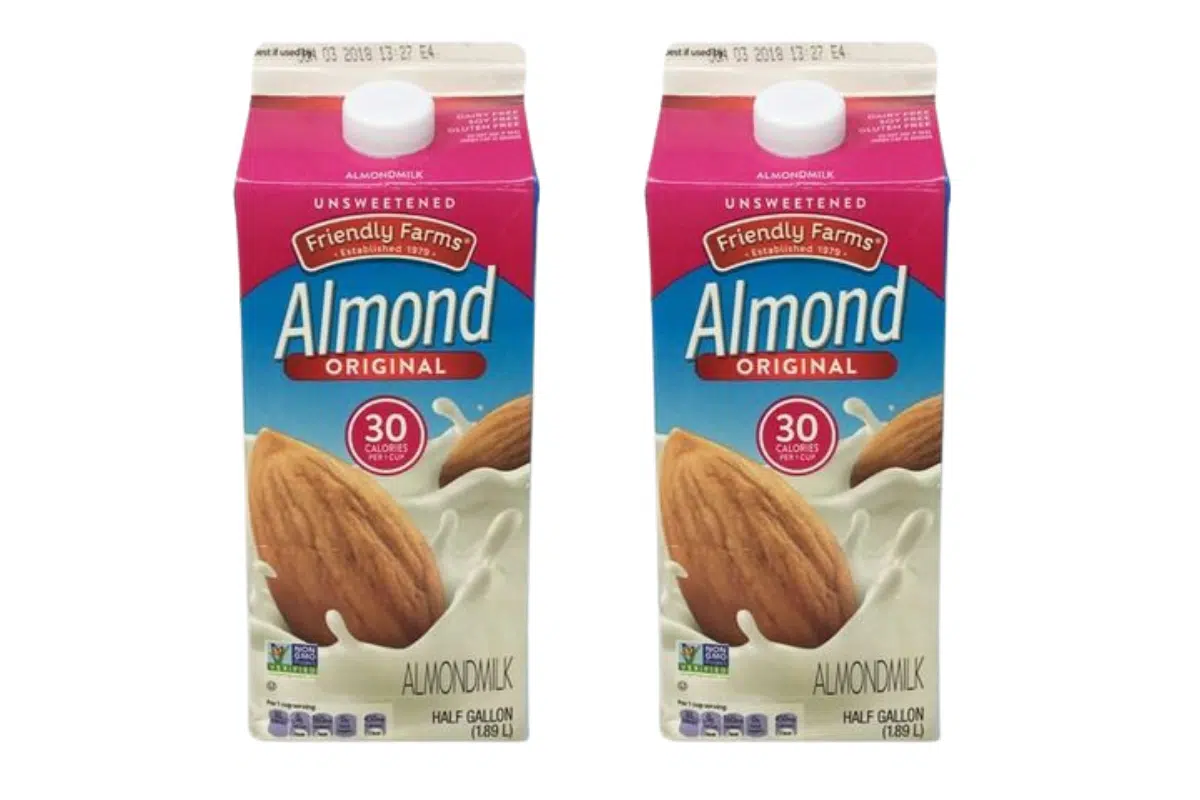
Plant-based milk remains popular, but almond milk prices have made some shoppers reconsider their choice. Oat milk and soy milk are often more competitively priced depending on the brand. Store-brand versions are also helping reduce costs. Many consumers are comparing labels more carefully before adding alternatives to their carts.
Salmon

Fresh seafood, including salmon, has shifted into the “occasional treat” category for many shoppers. Price increases have encouraged consumers to buy frozen fillets instead, which can be more affordable and just as nutritious. Budget-friendly fish options like tilapia or canned salmon are also gaining popularity. These swaps allow families to keep seafood in their diets without overspending.
Coffee Pods

Single-serve coffee pods offer convenience, but that convenience often comes at a higher price per cup. As prices rise, more coffee drinkers are returning to traditional ground coffee. Brewing larger batches at home can significantly reduce weekly costs. Some households are also investing in reusable pods to cut expenses long term.
Cheese

Artisan cheeses and pre-shredded varieties often cost more than many shoppers expect. To manage costs, consumers are turning to block cheese, which is usually more economical. Store-brand options are also helping stretch grocery budgets. Many households are reserving specialty cheeses for special occasions instead of everyday meals.
Olive Oil

Extra-virgin olive oil has seen noticeable price increases, partly due to global supply challenges. As a result, some shoppers are using it more selectively rather than for everyday cooking. Others are choosing lighter olive oil blends or alternative oils for baking and frying. While still a pantry favorite, it’s often used more sparingly than before.
Fresh Berries
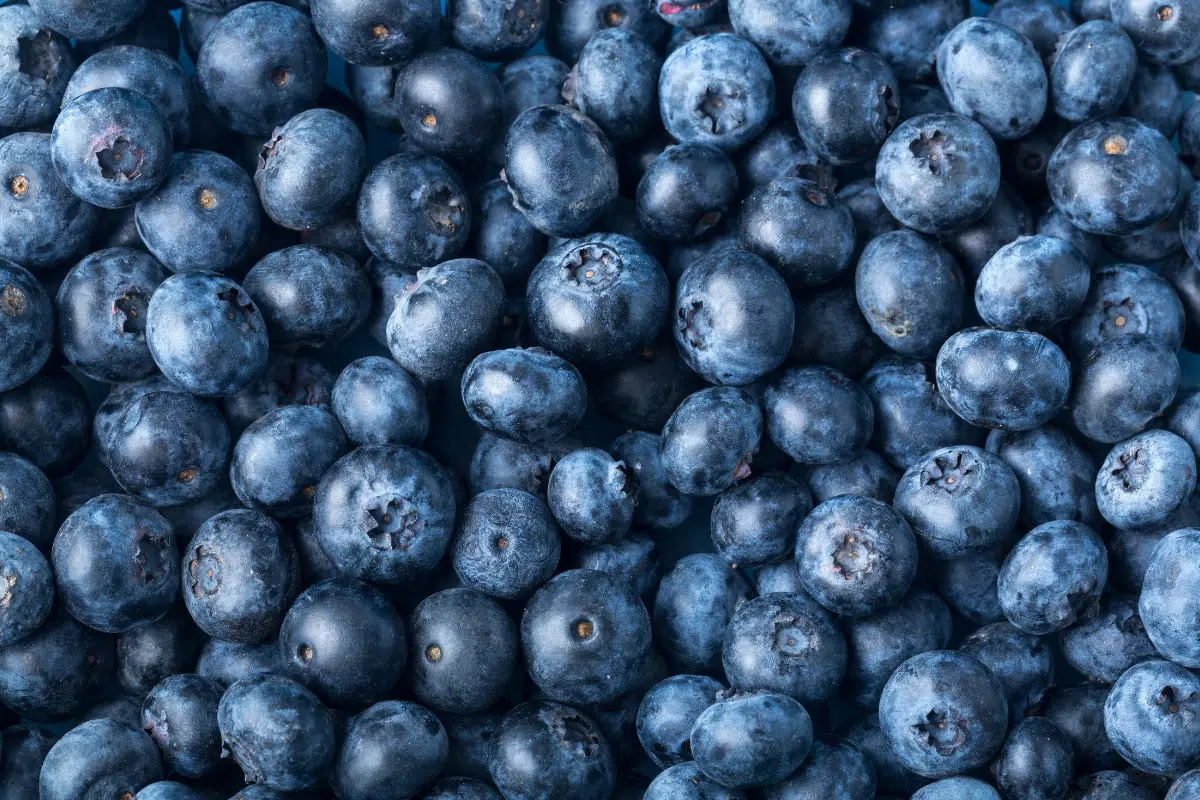
Strawberries, blueberries, and raspberries can now carry premium price tags depending on the season. Shoppers are increasingly opting for frozen berries, which are typically more affordable and last longer. Frozen varieties work well in smoothies, oatmeal, and baked goods. This switch helps reduce waste while keeping berries in the diet year-round.
Eggs
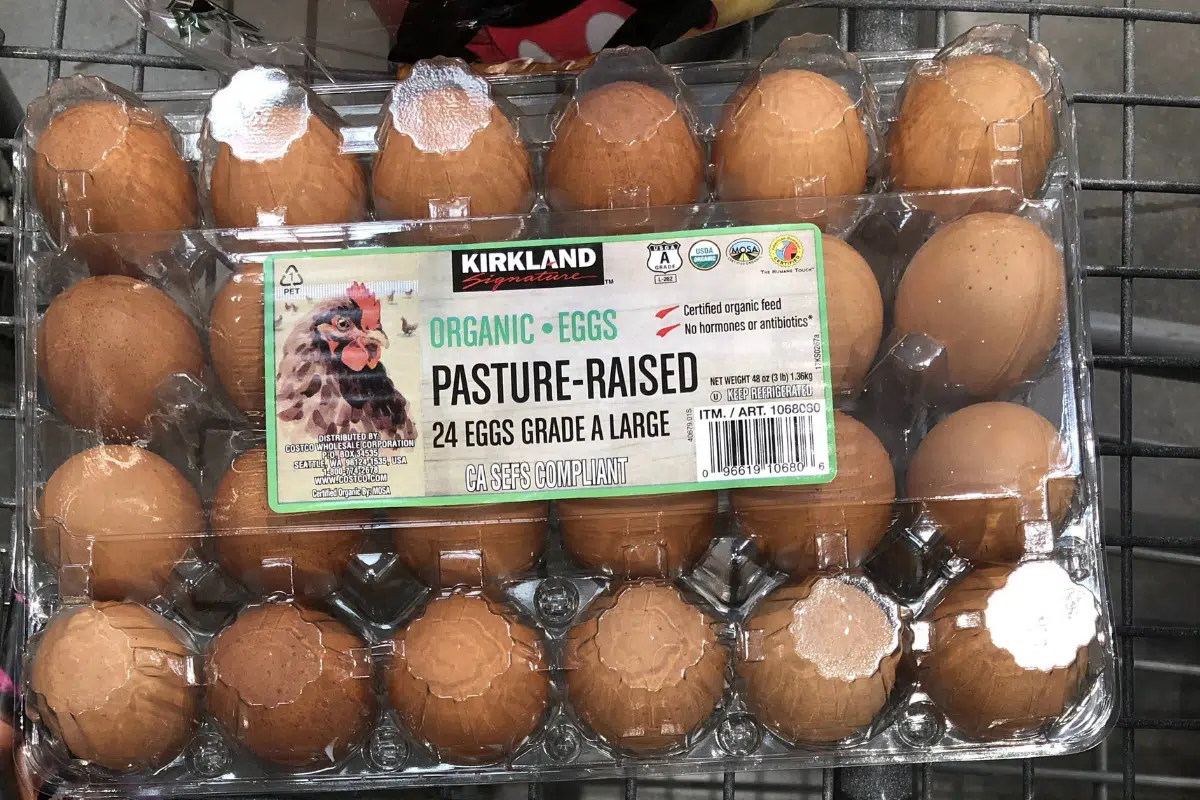
Eggs have experienced significant price fluctuations in recent years, making them less predictable as a budget staple. Once considered one of the most affordable sources of protein, they’re now a line item many shoppers watch closely. Some households are adjusting by using eggs more sparingly in recipes. Others are turning to alternatives like beans, tofu, or breakfast options that require fewer eggs.
Bread
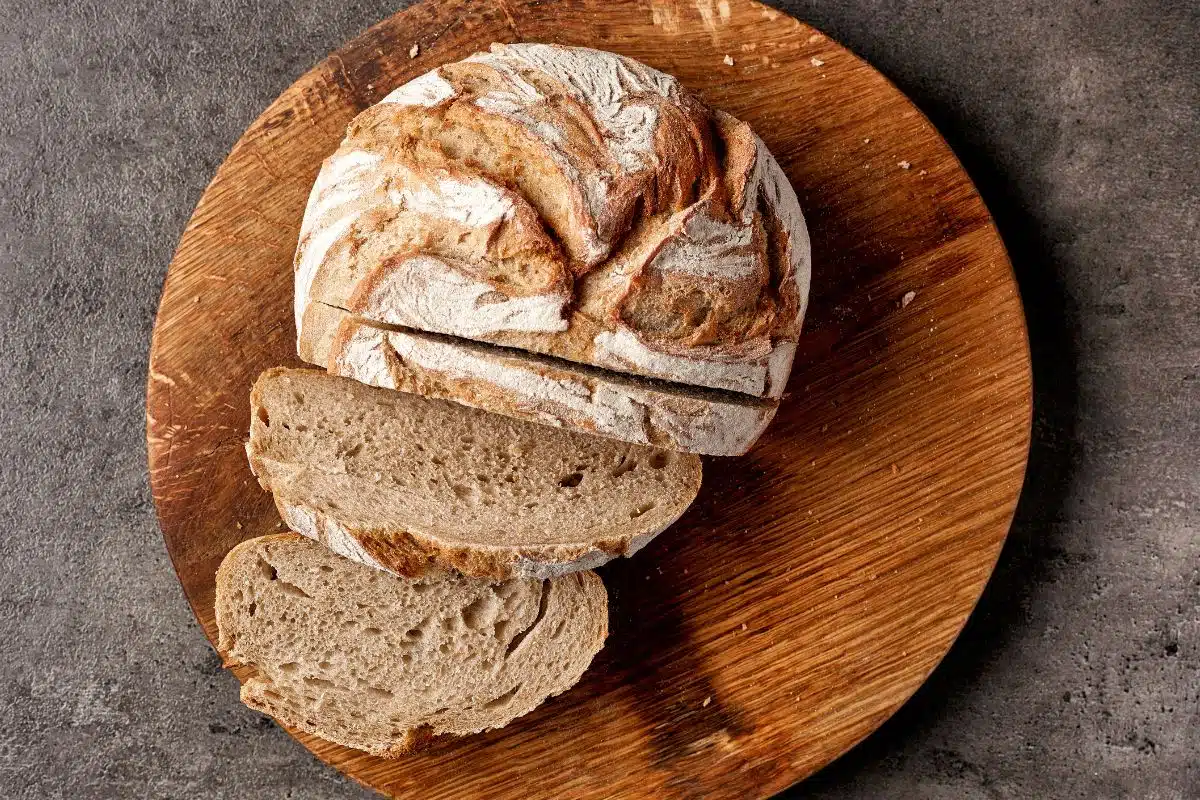
Specialty and bakery-style breads have seen price increases, making them less of a weekly impulse buy. Many shoppers are switching to standard sandwich loaves to save money. Others are experimenting with homemade bread, which can be more cost-effective over time. Simple ingredients and basic recipes are helping families bake at home more frequently.
This post may contain affiliate links or sponsored content. Disclosure Policy