10 Germiest Places in Your Home You May Be Forgetting to Clean
You may vacuum regularly, wipe down counters, and keep your home looking spotless, but some of the dirtiest places in the house are often the ones people forget to clean. Everyday items that are touched constantly can quickly become breeding grounds for bacteria, mold, and germs without you even realizing it. The good news is that most of these overlooked hotspots are easy to sanitize once they’re on your radar. Here are ten surprisingly germy places in your home that deserve a little more attention during your cleaning routine.
Kitchen Sponge
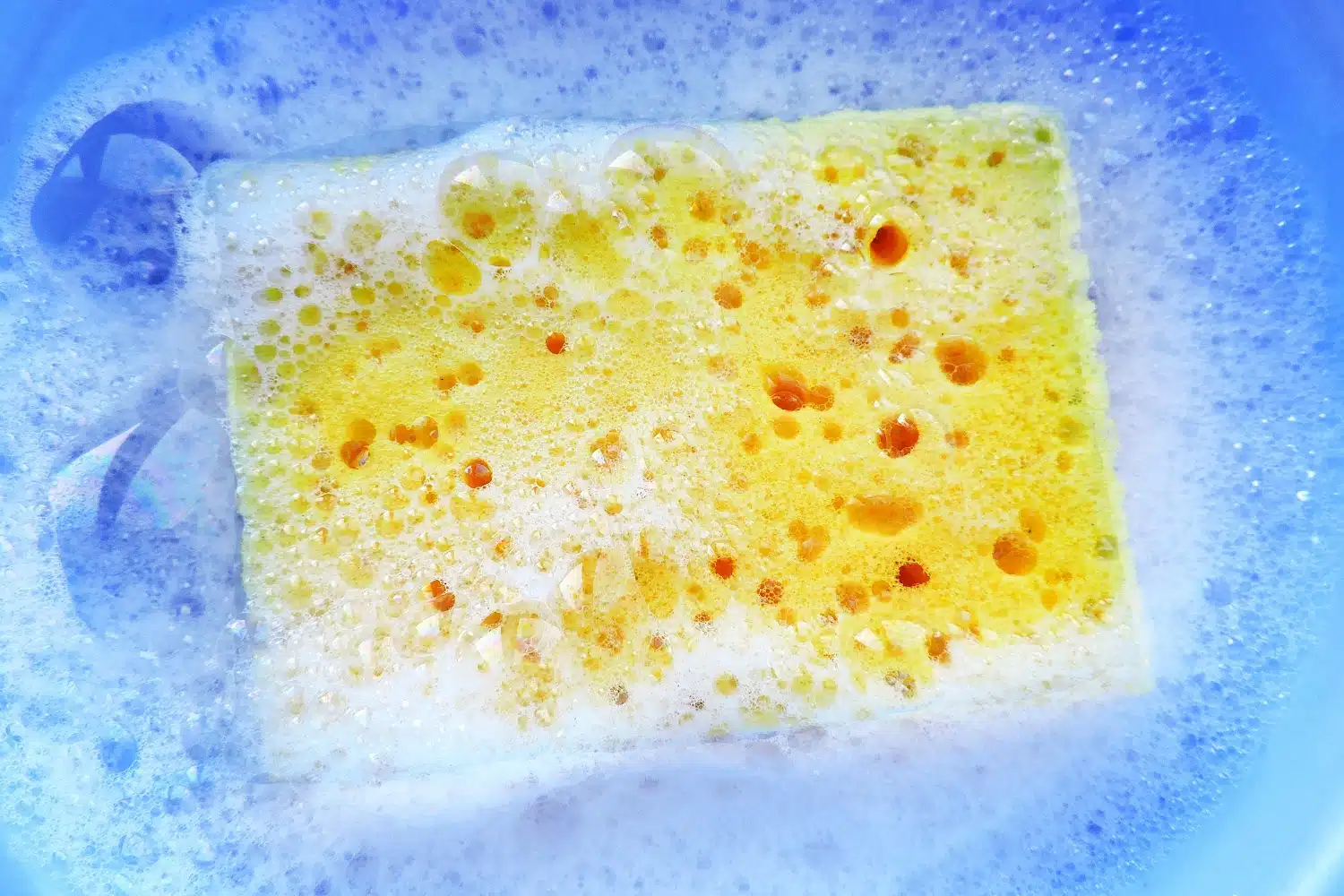
Kitchen sponges are one of the germiest items in the average home because they stay warm and damp for long periods of time. Every time you wipe down counters, rinse dishes, or clean up spills, bacteria can become trapped inside the sponge fibers and continue multiplying. Even a sponge that looks clean may be packed with germs and unpleasant odors. To keep bacteria under control, disinfect your sponge regularly in the dishwasher or microwave and replace it often.
Toothbrush Holder
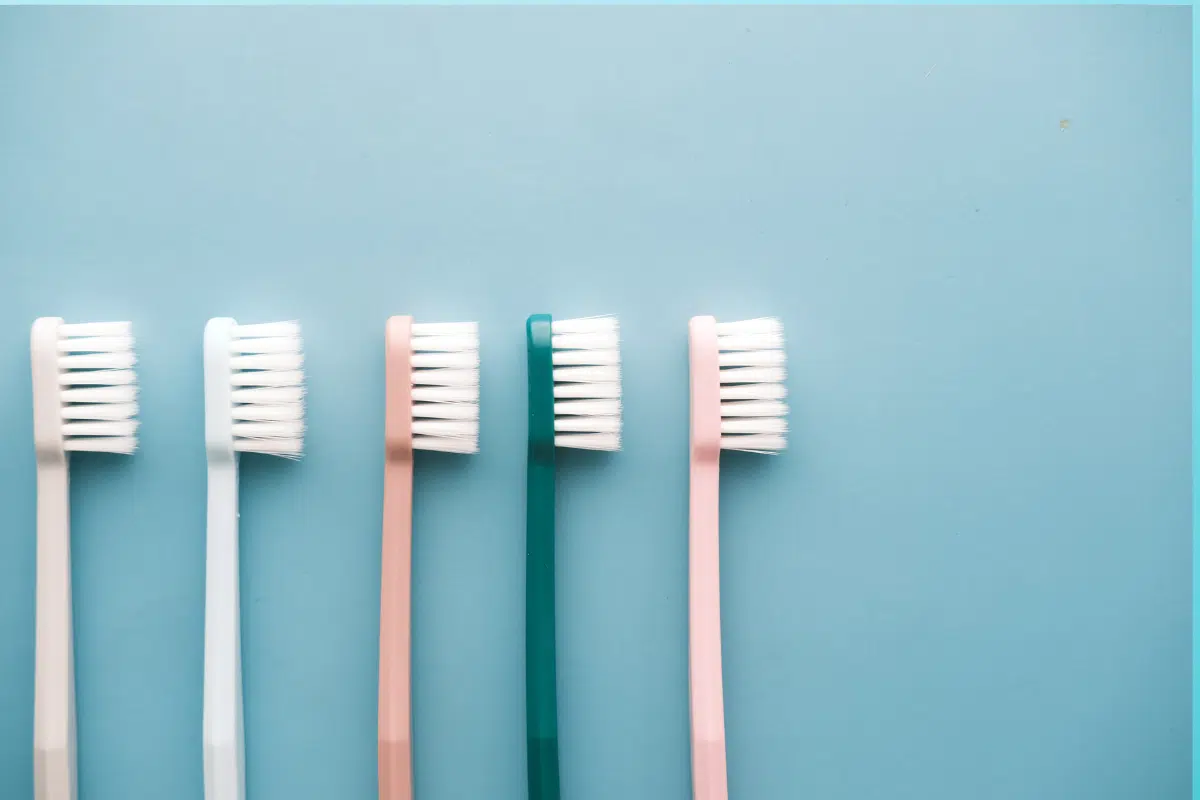
Your toothbrush holder may not look dirty, but it can collect toothpaste residue, standing water, and bacteria surprisingly quickly. Splash-back from the sink can also spread germs onto the holder and nearby toothbrushes throughout the day. Because it’s rarely cleaned, buildup can develop without most people noticing. Washing the holder weekly with hot, soapy water helps keep this small but important area more sanitary.
Remote Controls
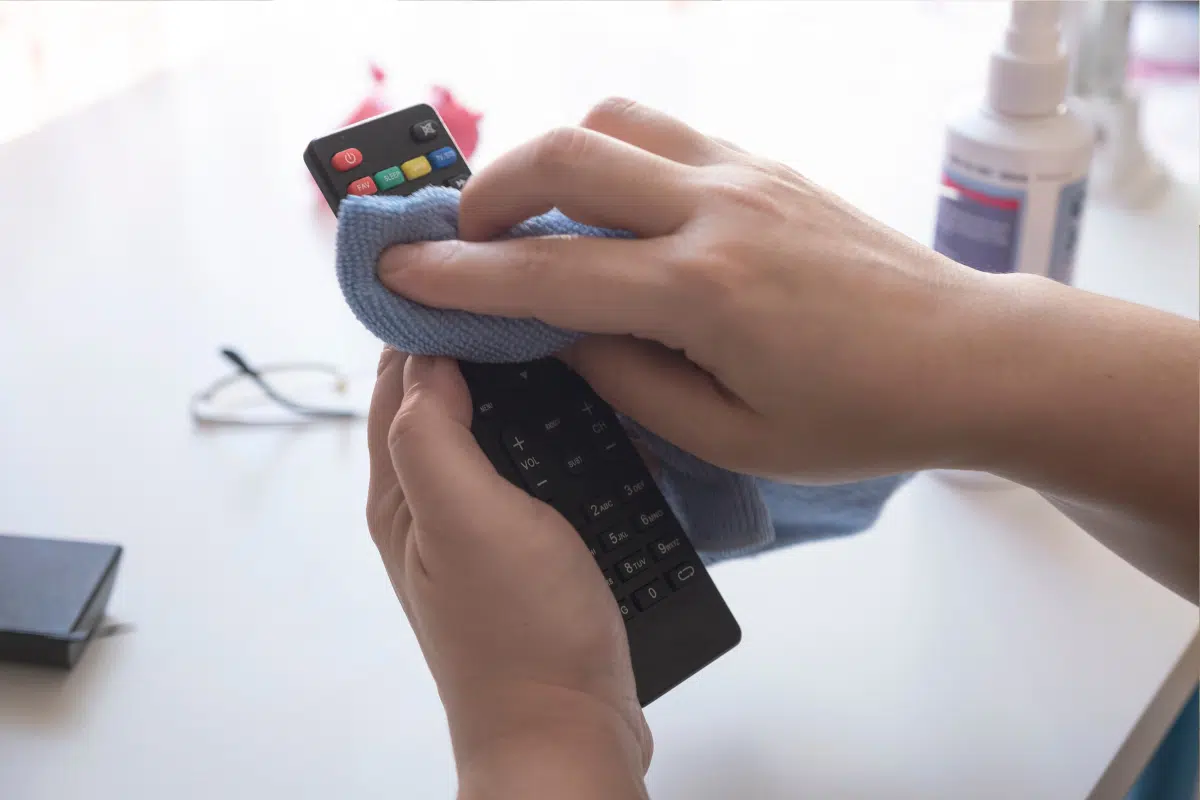
Remote controls are touched constantly by everyone in the household, making them a hotspot for germs and bacteria. They’re often used while eating snacks, after coughing or sneezing, or with unwashed hands, yet they rarely get disinfected. Dust, crumbs, and oils can also build up between the buttons over time. A quick wipe with a disinfecting cloth every few days can make a big difference.
Light Switches
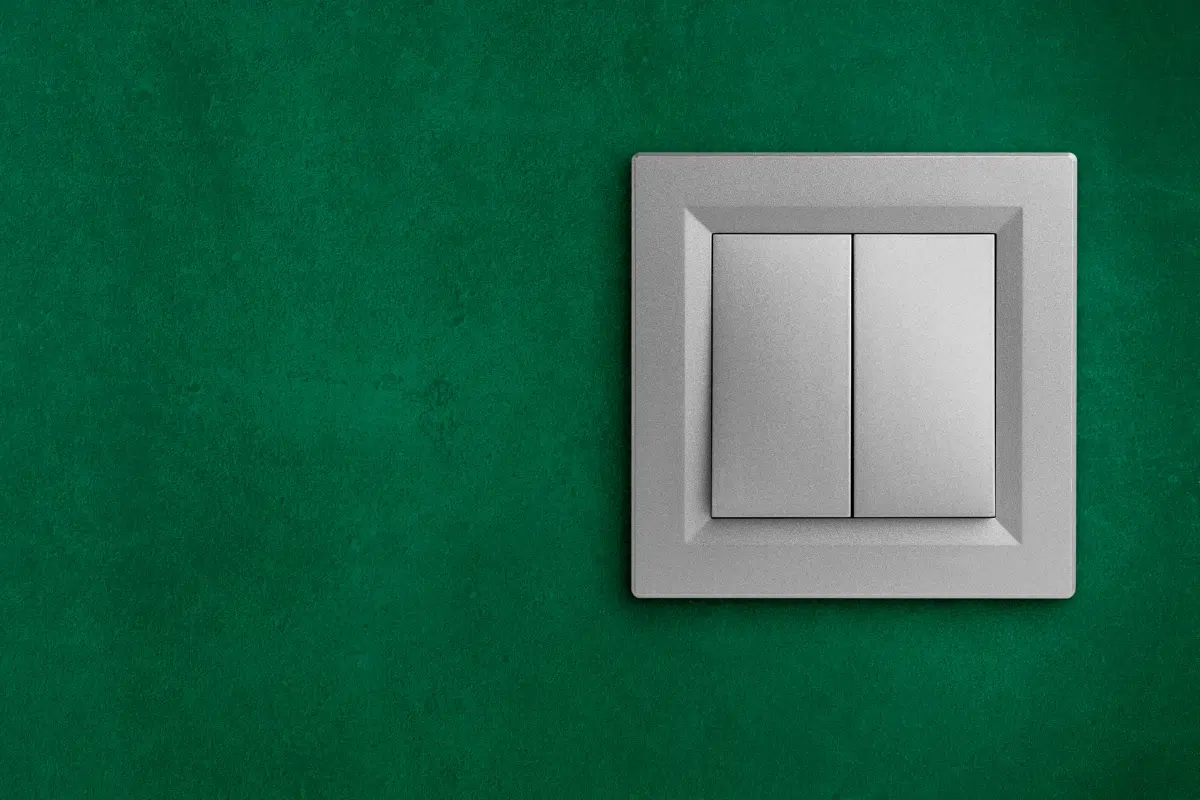
Light switches are one of the most frequently touched surfaces in any home, but they’re easy to overlook during cleaning. Everyone touches them throughout the day, often before washing their hands after coming inside or preparing food. Germs and fingerprints quickly accumulate on the surface, especially in busy areas like kitchens and bathrooms. Wiping switches down regularly with a disinfectant helps reduce bacteria in high-traffic spaces.
Doorknobs & Handles
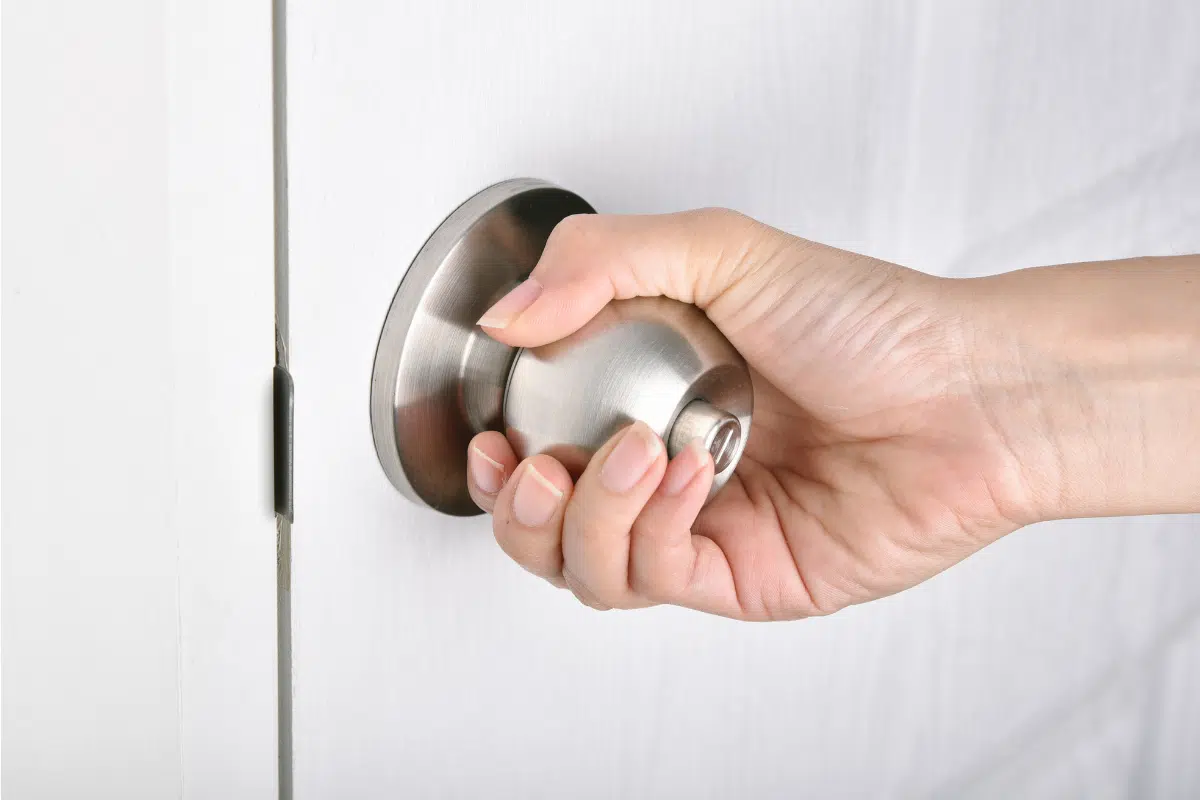
Doorknobs, cabinet pulls, and appliance handles are touched dozens of times a day and can easily spread germs throughout the home. Front door handles are especially dirty since they’re often the first thing touched after coming in from public places. Kitchen and bathroom handles can also collect bacteria from food prep and moisture. Regular disinfecting is a simple way to help prevent germs from spreading between family members.
Pet Bowls
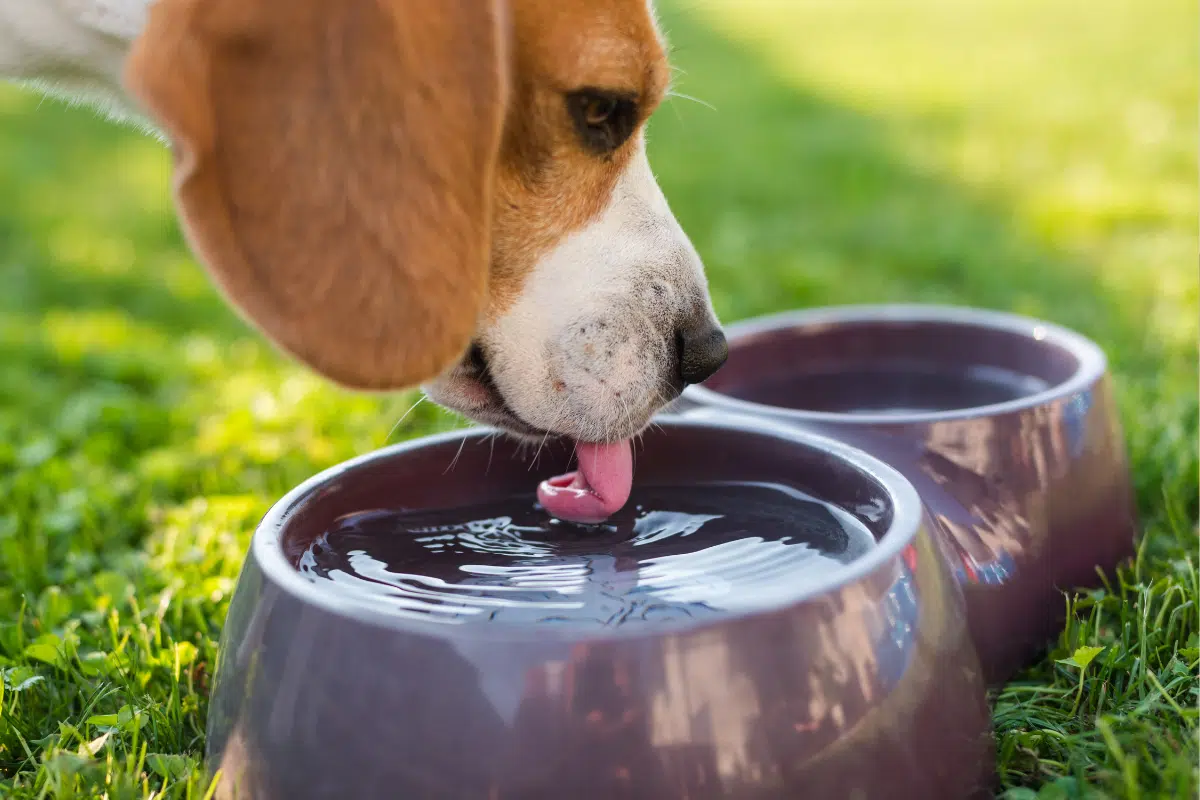
Even healthy pets can leave bacteria behind in their food and water bowls. Moisture, leftover food, and saliva create the perfect environment for germs to grow if bowls aren’t cleaned properly. Water bowls can also develop a slippery film that contains bacteria over time. Washing pet dishes daily with hot, soapy water helps keep both your pets and your household healthier.
Cutting Boards
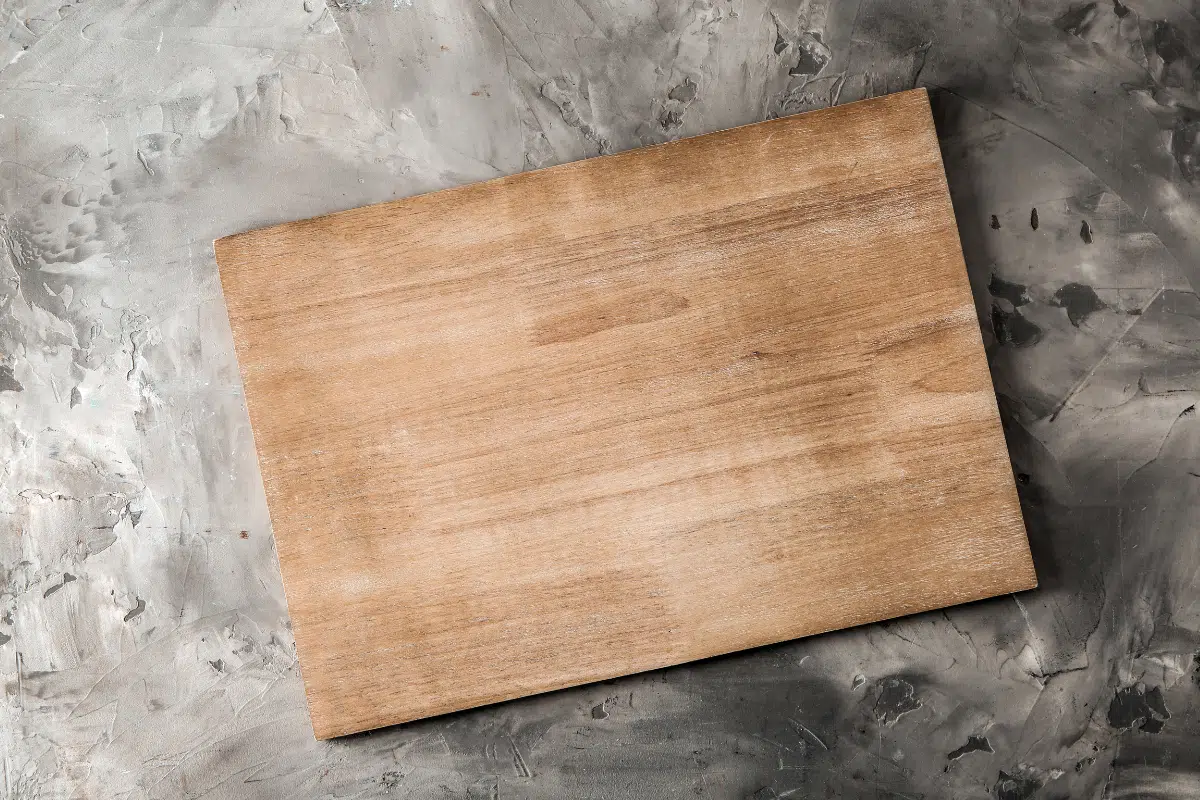
Cutting boards can trap bacteria deep inside knife grooves, especially after preparing raw meat, poultry, or seafood. Without proper cleaning, germs can transfer from the board onto other foods and kitchen surfaces. Wooden boards may also absorb moisture and odors if not sanitized correctly. Using separate cutting boards for meats and produce and cleaning them thoroughly after each use can help reduce cross-contamination.
Shower Curtains & Liners
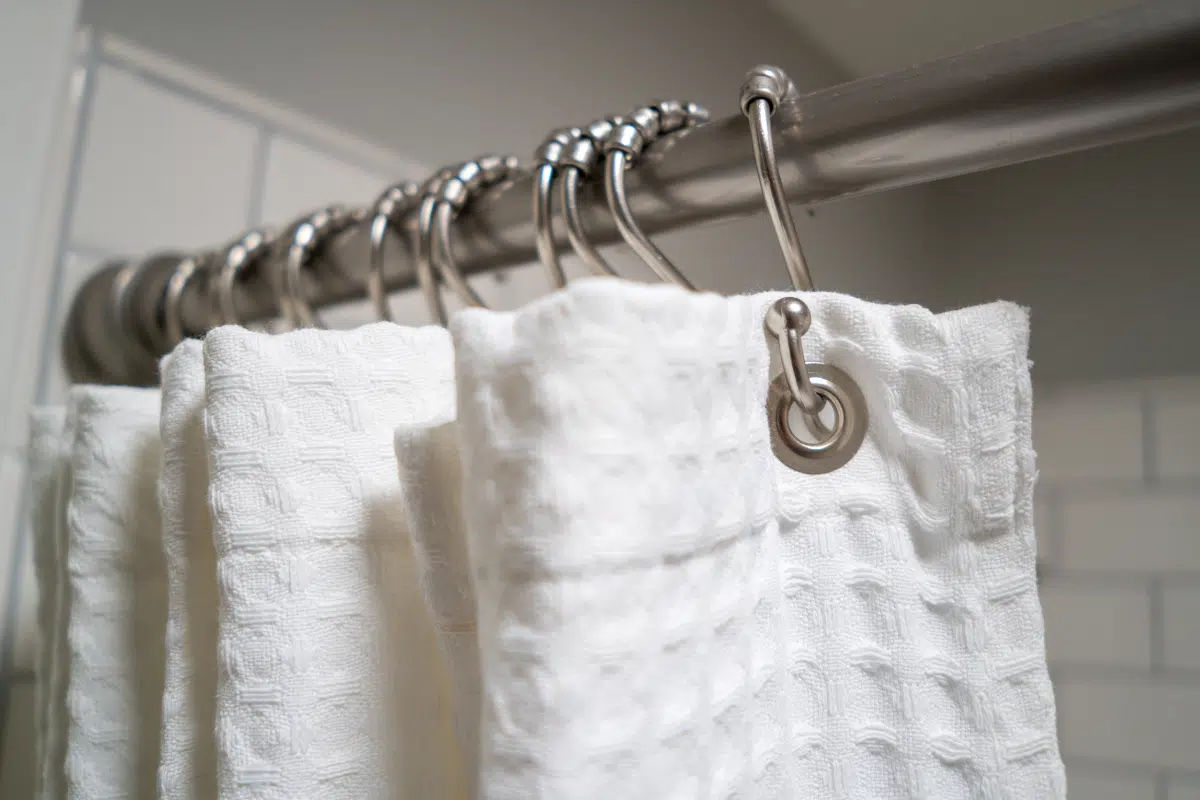
Bathrooms are naturally humid environments, making shower curtains and liners a common place for mold and mildew to grow. Soap scum and moisture can quickly build up along the bottom edges, especially if the curtain doesn’t fully dry between showers. Over time, this can lead to unpleasant odors and dark mildew spots. Washing or replacing liners regularly helps keep your bathroom cleaner and fresher.
Phone & Tablet Screens
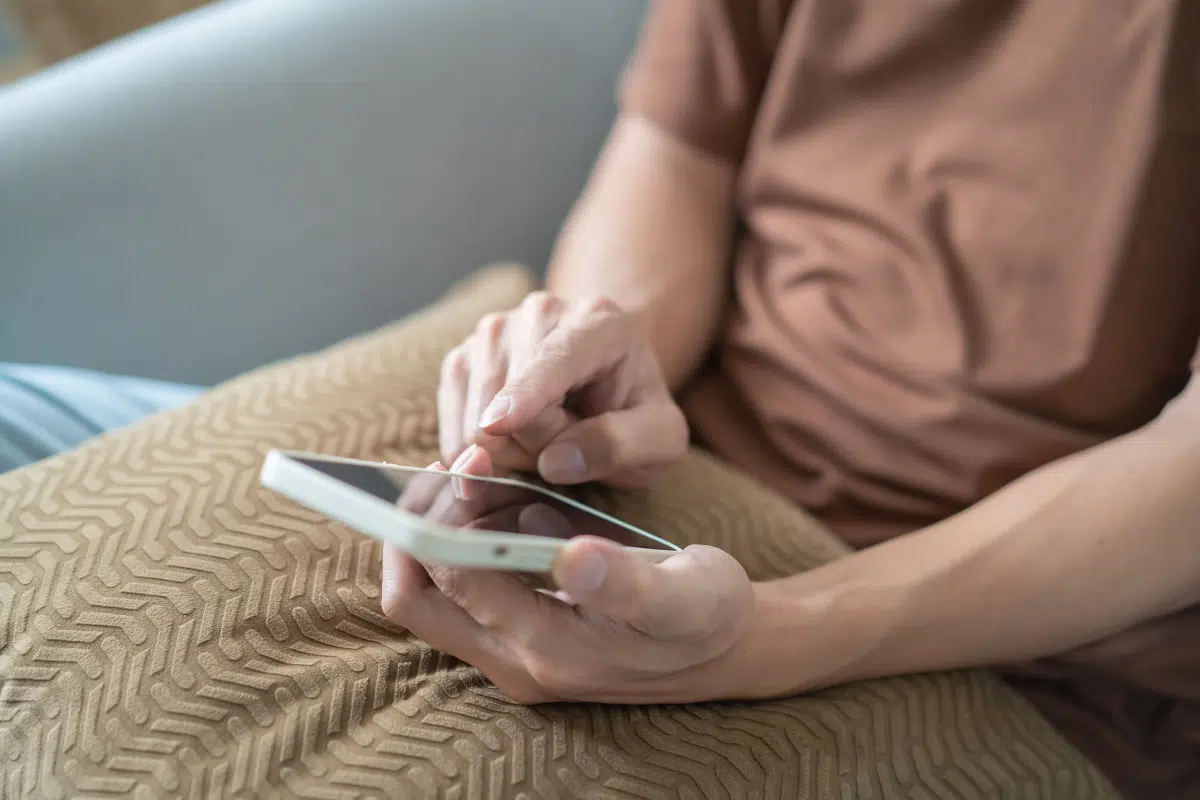
Phones and tablets travel everywhere with us, from kitchen counters to public places and even bathrooms. Because we touch these devices constantly and then touch our face, they can easily collect oils, germs, and bacteria throughout the day. Many people rarely clean their screens, even though they may be dirtier than other commonly used surfaces. Using a microfiber cloth and electronics-safe disinfectant can help keep devices cleaner without damaging them.
Dishwasher Handle
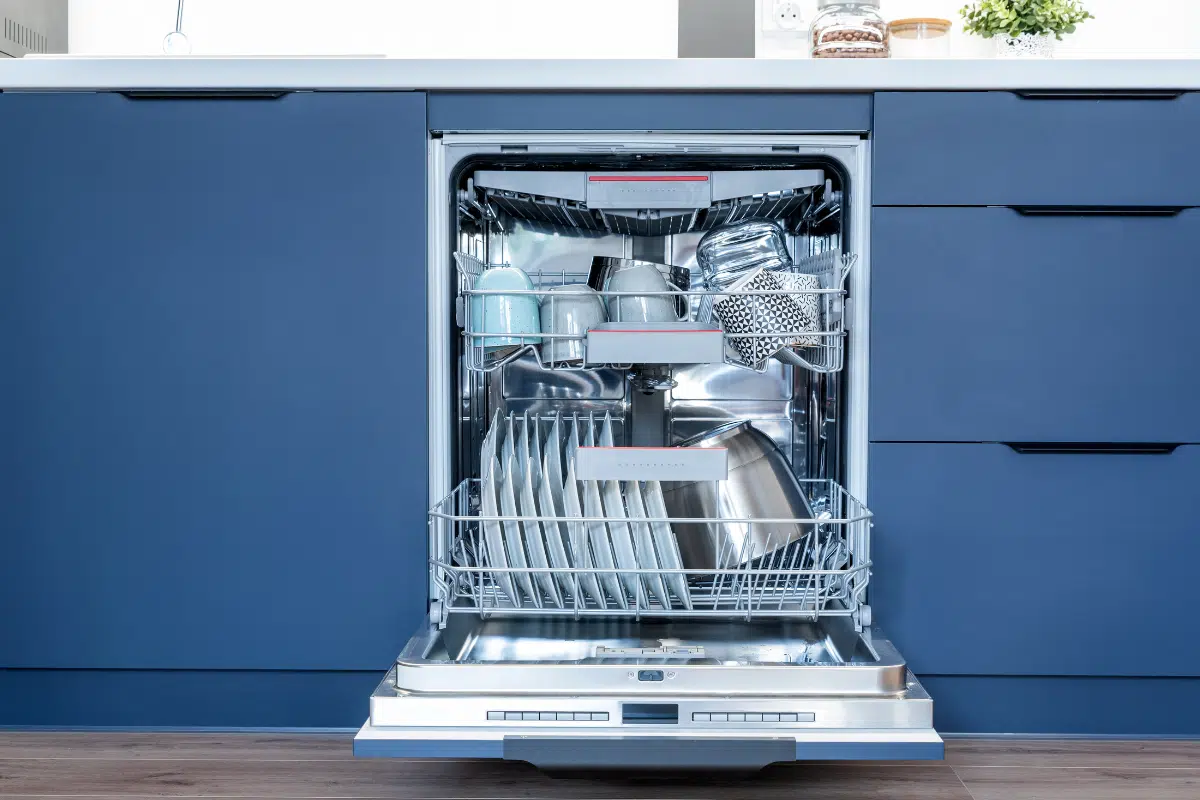
The dishwasher handle is often touched with dirty hands right after loading food-covered dishes, making it an easy place for bacteria to spread. Since most people focus on cleaning the inside of the dishwasher, the exterior handle is often forgotten. Grease, food residue, and fingerprints can quickly build up over time. Giving the handle a quick wipe with disinfectant during kitchen cleanup helps keep germs from lingering.
This post may contain affiliate links or sponsored content. Disclosure Policy