
9 Common Cleaning Mistakes That Can Leave Your Home Less Clean
A clean home doesn’t always mean a properly cleaned home. In fact, many everyday cleaning habits can actually spread germs, damage surfaces, or make your work less effective without you realizing it. The good news is that a few simple adjustments can make your routine faster, safer, and far more efficient. If you’ve ever wondered why your home doesn’t feel as fresh as it should, these common cleaning mistakes might be the reason.
Using the Same Rag Everywhere
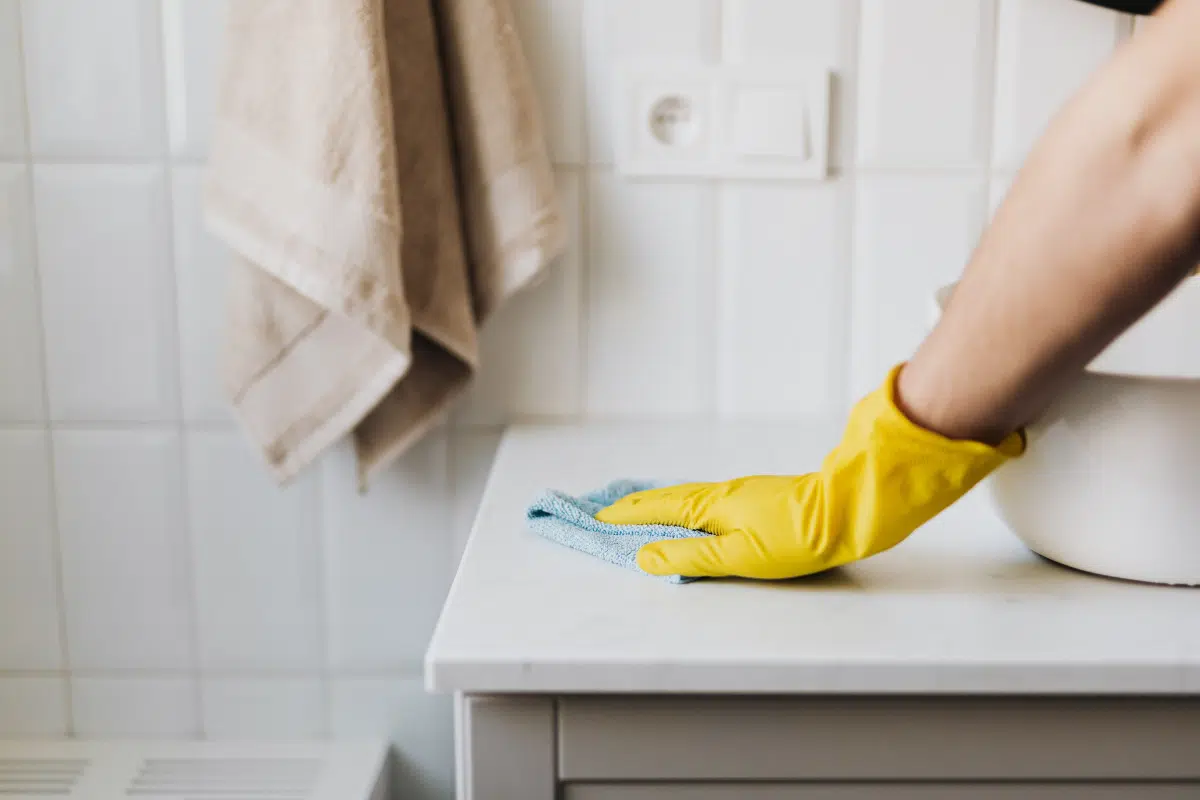
Using one cloth for the entire house might feel convenient, but it can quickly spread bacteria from one room to another. Wiping bathroom surfaces and then moving into the kitchen is a major cross-contamination risk. A better approach is to use color-coded microfiber cloths or dedicate separate rags for different areas of the home. Washing them frequently also ensures they stay effective and sanitary.
Spraying Cleaner Directly on Surfaces
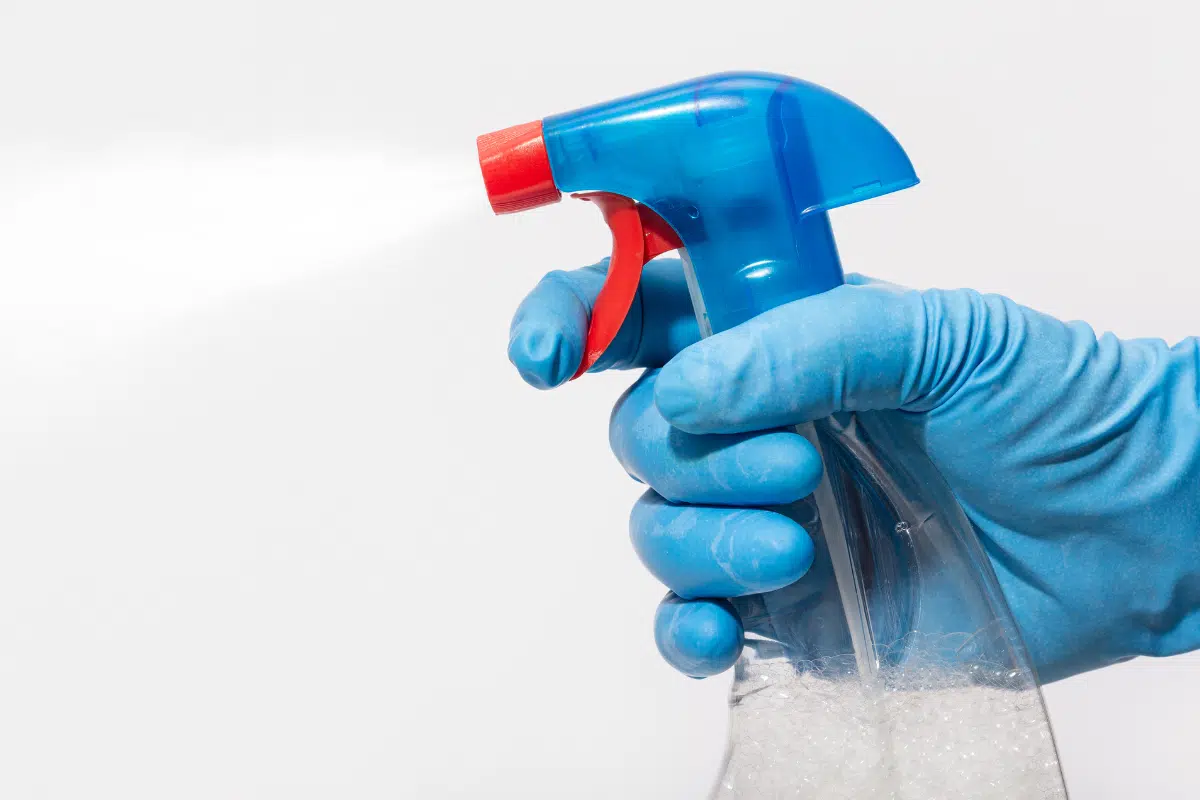
Spraying cleaner directly onto furniture, counters, or appliances may seem efficient, but it often leads to streaking and product buildup. It can also cause excess moisture to seep into seams or delicate finishes over time. Instead, spray the cleaner onto a cloth first and then wipe the surface. This method gives you better control and a more even clean.
Forgetting to Clean Your Cleaning Tools
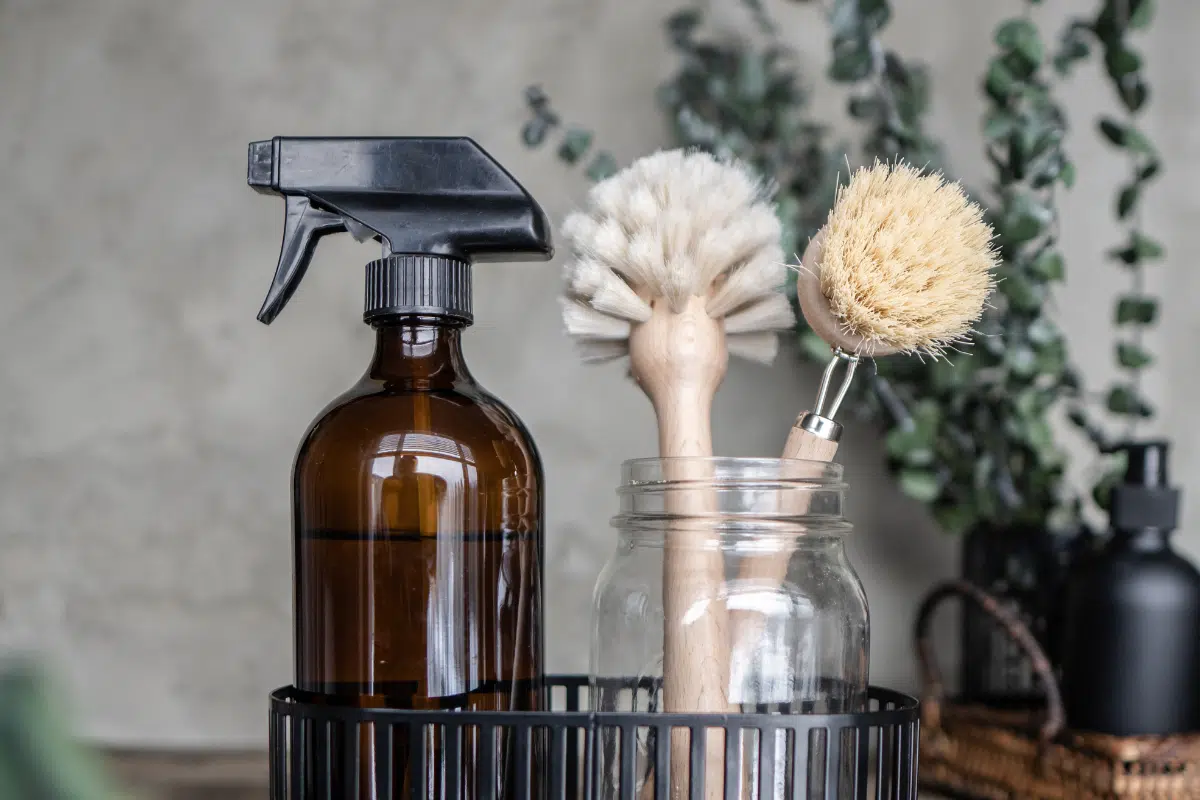
Sponges, mops, vacuum filters, and brushes collect dirt, grease, and bacteria every time you use them. If these tools aren’t cleaned or replaced regularly, they end up spreading grime instead of removing it. Rinsing and disinfecting tools after use helps maintain their effectiveness. Setting a routine for deep-cleaning your supplies keeps your entire system working properly.
Overloading the Dishwasher
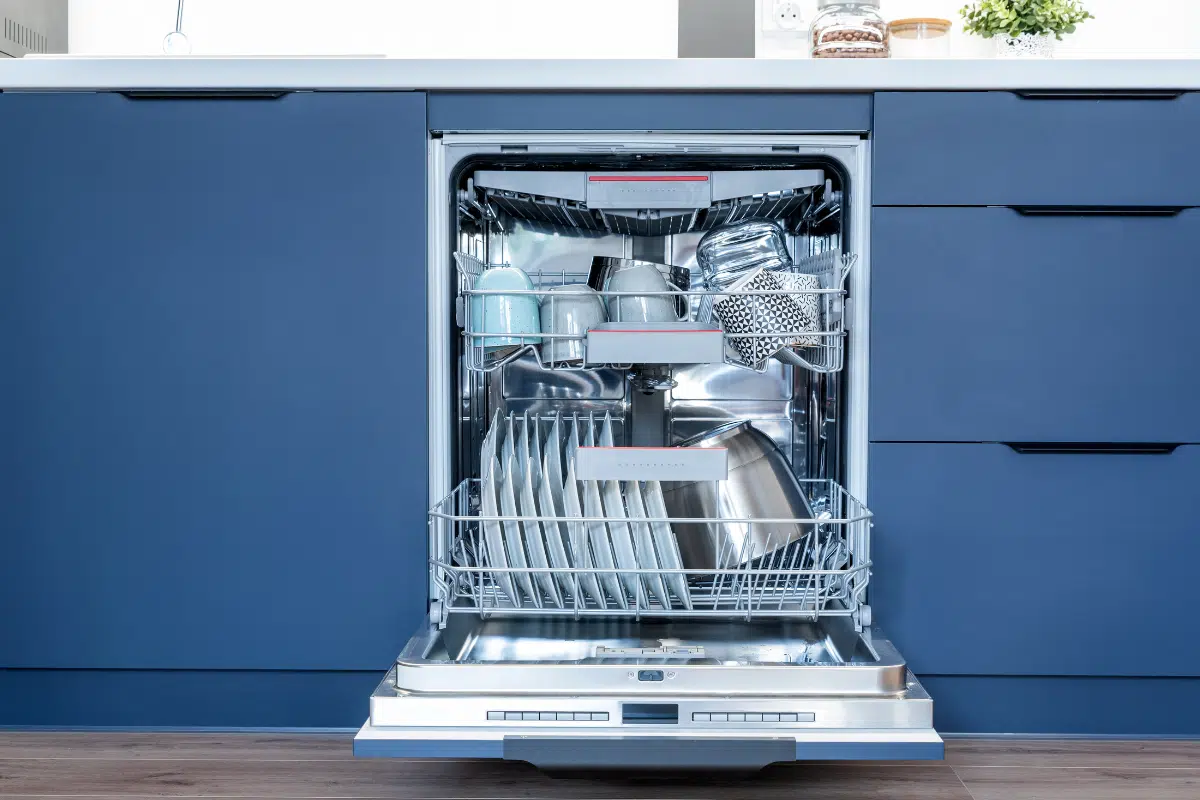
It might be tempting to fit as many dishes as possible into one load, but overcrowding prevents water and detergent from reaching every surface. This often results in dishes that still come out dirty or require rewashing. Leaving enough space between items allows for proper circulation and a more thorough clean. A slightly fuller load is fine—but cramming is counterproductive.
Scrubbing Carpet Stains Vigorously
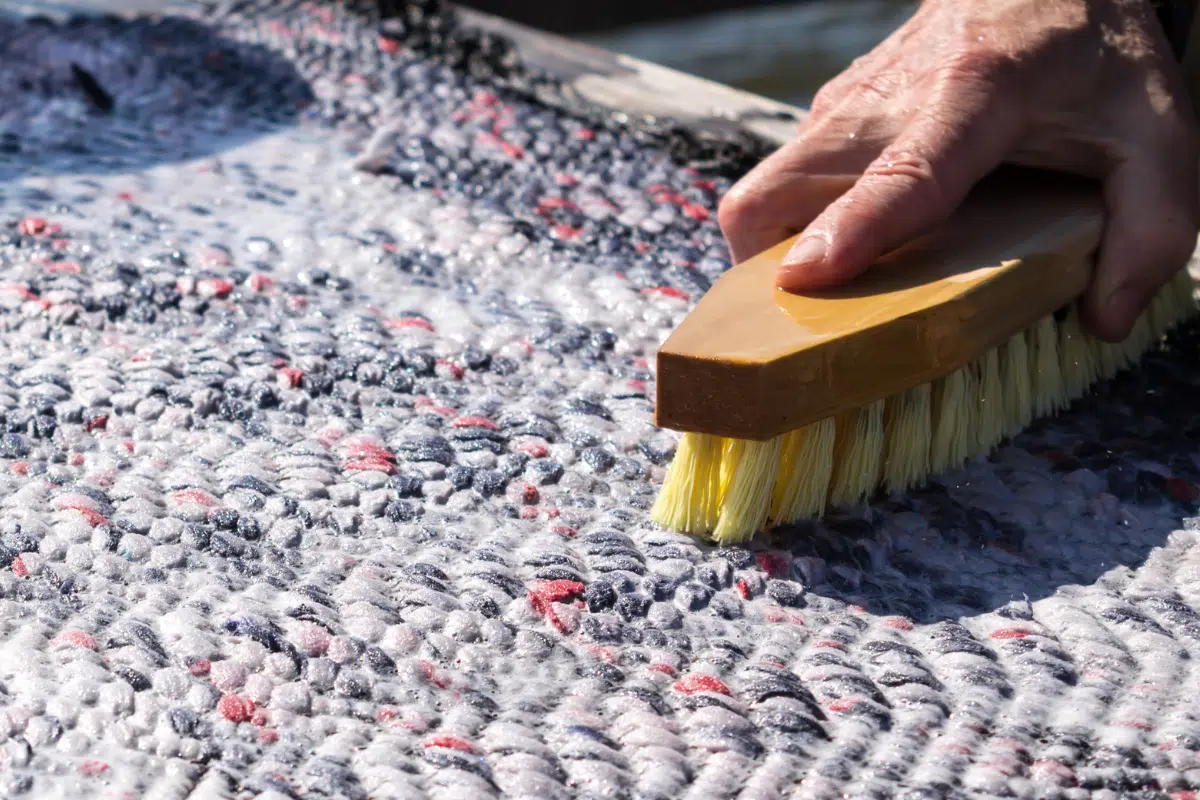
Scrubbing a stain aggressively can actually push it deeper into carpet fibers, making it harder to remove. It can also damage the texture of the carpet and spread the stain outward. The better method is to gently blot the area using a clean cloth or paper towel. Following up with a targeted carpet cleaner gives you a much better chance of removing the stain completely.
Using Too Much Cleaning Product
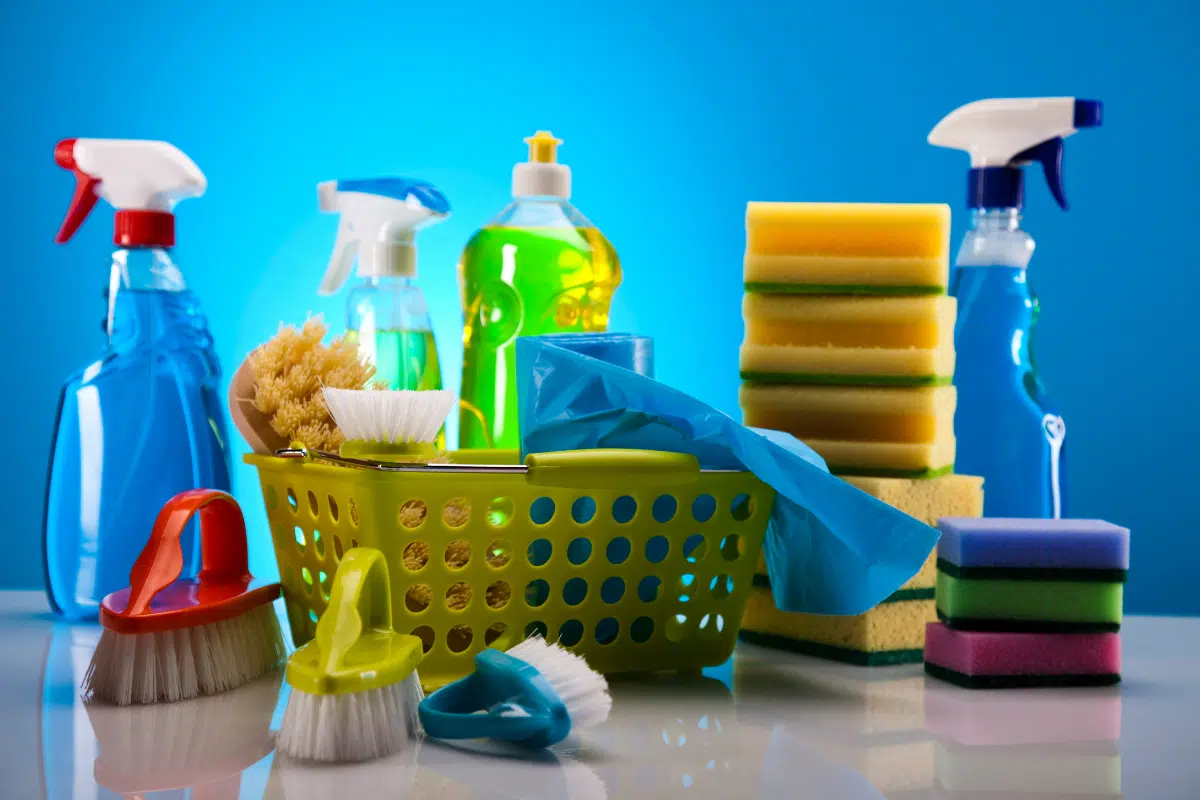
More cleaner doesn’t mean a cleaner home—in fact, it often has the opposite effect. Excess product can leave behind sticky residue that attracts dust and dirt faster. It can also make surfaces harder to wipe down properly. Always follow label instructions for the right amount and dilution to get the best results without buildup.
Ignoring High-Touch Spots

Areas like doorknobs, light switches, remotes, and refrigerator handles are some of the most frequently touched surfaces in your home. Yet they’re often overlooked during routine cleaning. These spots can harbor germs and quickly re-contaminate freshly cleaned spaces. Wiping them down regularly helps maintain a truly hygienic environment.
Dusting with a Dry Cloth
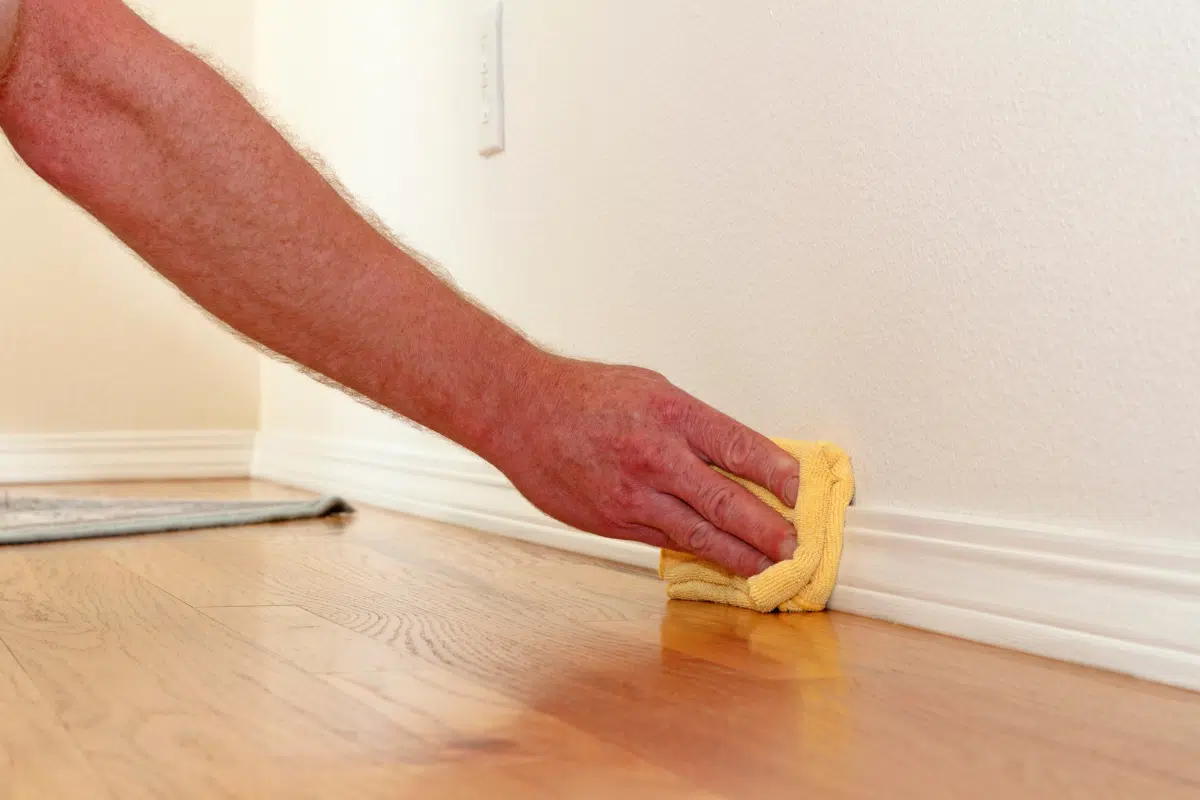
Dry dusting may look effective at first, but it often just pushes dust particles into the air where they resettle elsewhere. This means you’re not really removing dust—you’re relocating it. A damp microfiber cloth or electrostatic duster traps particles more effectively. This simple switch leads to a noticeably cleaner finish with less effort.
Neglecting Vent Covers and Filters
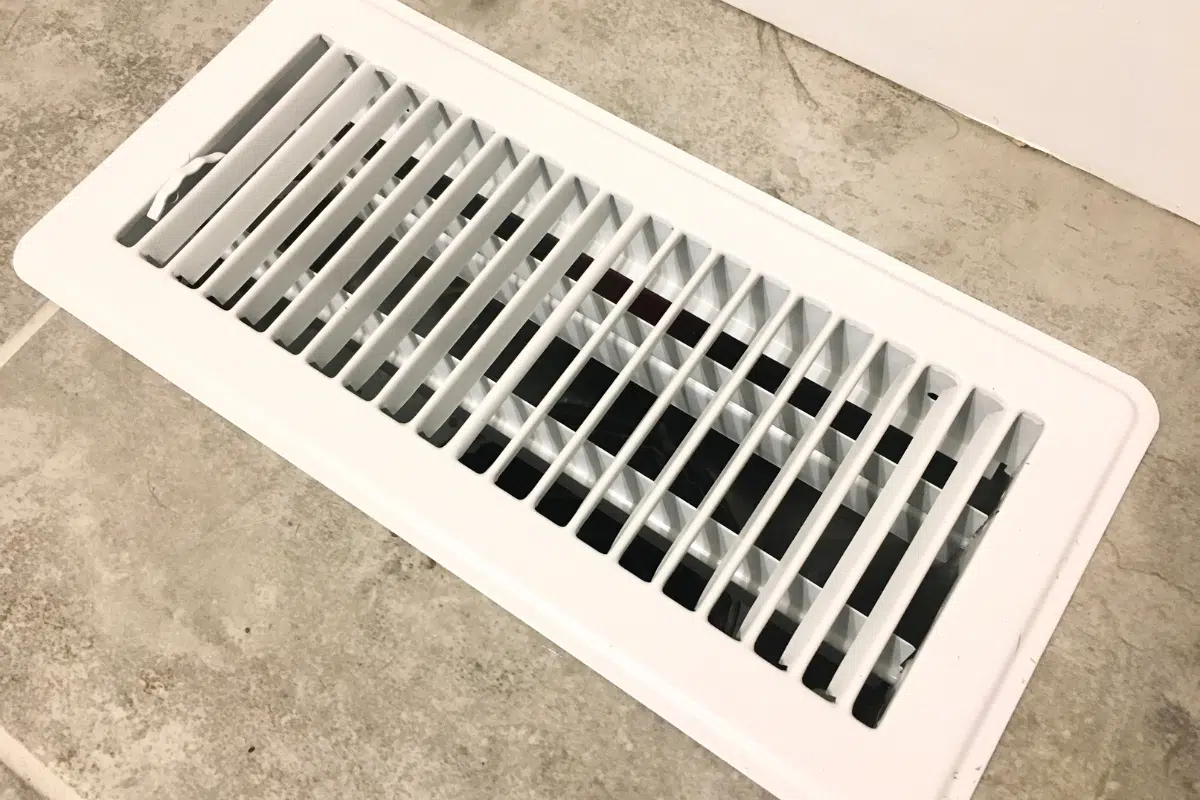
Air vents, HVAC filters, and return grilles are often forgotten during regular cleaning routines. When they become clogged with dust and debris, they can circulate particles throughout your entire home. This can make a freshly cleaned space feel dusty again in no time. Regularly washing or replacing filters helps improve both air quality and overall cleanliness.
This post may contain affiliate links or sponsored content. Disclosure Policy