
7 Natural Ways to Help You Sleep Better at Night
Getting a good night’s sleep can feel frustrating when your mind won’t slow down or your body refuses to settle. While occasional sleeplessness is common, many people are looking for natural ways to support healthy sleep habits without immediately turning to medications. The good news is that several simple, science-backed strategies may help create the right conditions for better rest. From calming nighttime rituals to sleep-supporting nutrients, these natural remedies can help you relax, unwind, and prepare your body for a more restorative night’s sleep.
Sip Chamomile Tea Before Bed

Chamomile tea has long been used as a bedtime beverage thanks to compounds that may encourage relaxation and support sleep quality. Drinking a warm cup about 30 to 60 minutes before bed can become a calming ritual that signals to your body that it’s time to wind down. The warmth itself can also be soothing, especially during periods of stress. For best results, avoid adding caffeine-containing ingredients or sweeteners that may interfere with sleep.
Create a Relaxing Aromatherapy Routine
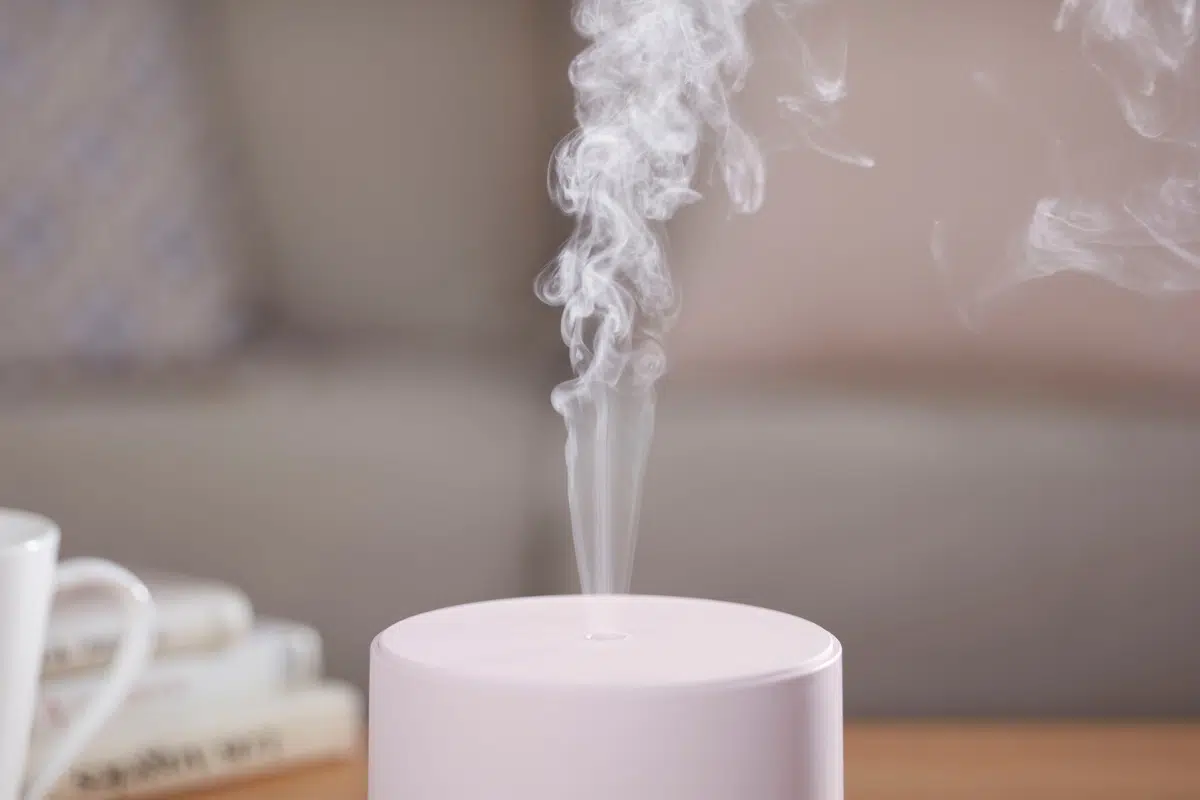
Certain scents, including lavender, bergamot, and sandalwood, have been associated with reduced feelings of stress and improved relaxation. Using a diffuser, linen spray, or a few drops of essential oil on a cotton ball near your bed can help create a peaceful sleep environment. Aromatherapy works best when incorporated into a consistent bedtime routine. Many people find that familiar calming scents become a cue for sleep over time.
Take a Warm Bath or Shower in the Evening

A warm bath or shower about one to two hours before bedtime may help your body prepare for sleep. As your body cools afterward, it mimics the natural drop in core temperature that occurs before sleep. This process can encourage feelings of drowsiness and help you relax both physically and mentally. Adding Epsom salts or calming scents can make the experience even more soothing.
Add Magnesium-Rich Foods to Your Evening Meals

Magnesium plays an important role in muscle relaxation and nervous system regulation. Foods such as pumpkin seeds, almonds, spinach, black beans, and avocados provide natural sources of this important mineral. Including magnesium-rich foods as part of a balanced dinner or evening snack may help support healthy sleep patterns. While food sources are generally preferred, some people discuss supplementation with their healthcare provider when dietary intake is low.
Try Gentle Evening Stretching

Light stretching before bed can help release physical tension that accumulates throughout the day. Gentle movements focusing on the neck, shoulders, hips, and lower back may reduce stiffness and promote relaxation. Unlike vigorous exercise, which can sometimes be stimulating close to bedtime, slow stretching encourages your body to shift into a calmer state. Even five to ten minutes can make a noticeable difference.
Reduce Light Exposure Before Sleep

It’s not just screen time that affects sleep—overall light exposure matters as well. Bright indoor lighting in the evening can suppress melatonin production, the hormone that helps regulate your sleep-wake cycle. Dimming lights throughout your home during the hour before bed may help your body recognize that nighttime is approaching. If you use devices, consider enabling nighttime display settings that reduce blue light exposure.
Practice Deep Breathing or Mindfulness Meditation

Stress and racing thoughts are among the most common barriers to falling asleep. Deep breathing exercises and mindfulness meditation can help quiet mental chatter and activate the body’s relaxation response. Techniques such as box breathing, diaphragmatic breathing, or guided meditation sessions are easy to learn and require no special equipment. With regular practice, these habits may help make falling asleep feel less like a struggle and more like a natural transition.
This post may contain affiliate links or sponsored content. Disclosure Policy