9 Things You Always Grab at the Store (But Probably Don’t Need)
We’ve all been there—walking into the store for one or two essentials and leaving with a cart full of extras. Retail layouts and clever marketing make it easy to toss in items that feel necessary in the moment but rarely get used. Over time, these impulse buys can add up, costing you money and cluttering your home. Here are nine common items you might want to think twice about before adding to your cart.
Pre-Cut Fruits and Vegetables
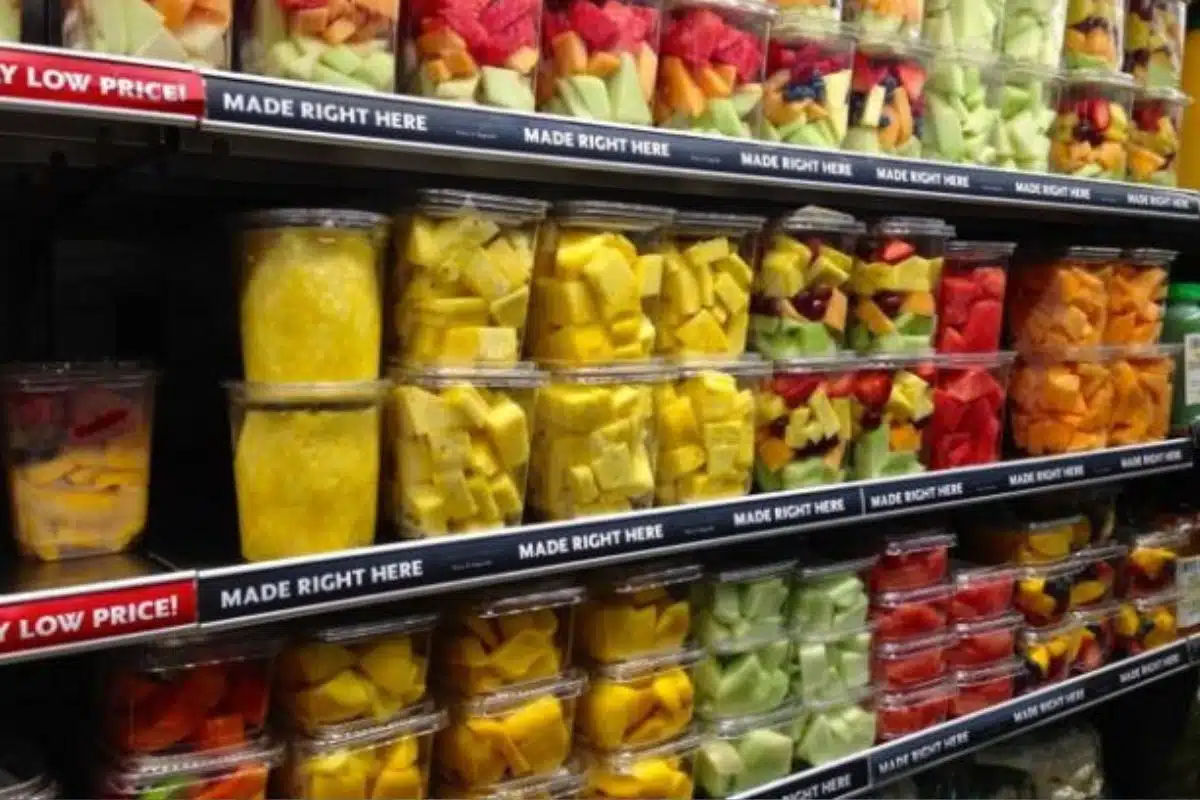
They’re convenient, but pre-cut produce often costs significantly more than whole versions. You’re paying for someone else to do a task that usually takes just a few minutes at home. Plus, these items tend to spoil faster once cut. Buying whole fruits and vegetables keeps them fresher longer and saves money.
Bottled Water
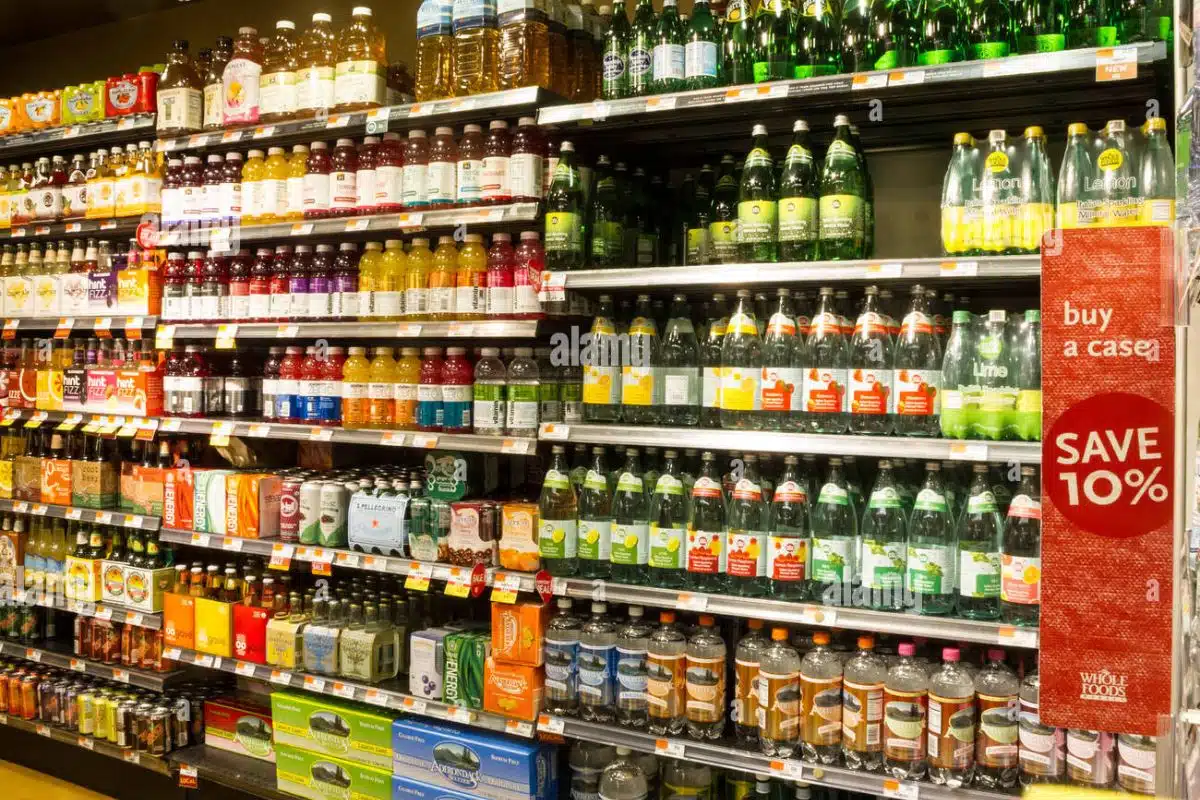
Grabbing a case of bottled water can feel like a safe, easy choice, but it’s often unnecessary. If your tap water is safe to drink, a reusable bottle and a simple filter can do the job for a fraction of the cost. Bottled water also creates extra plastic waste that adds up quickly. It’s one of the easiest habits to swap out for something more sustainable.
Name-Brand Pantry Staples
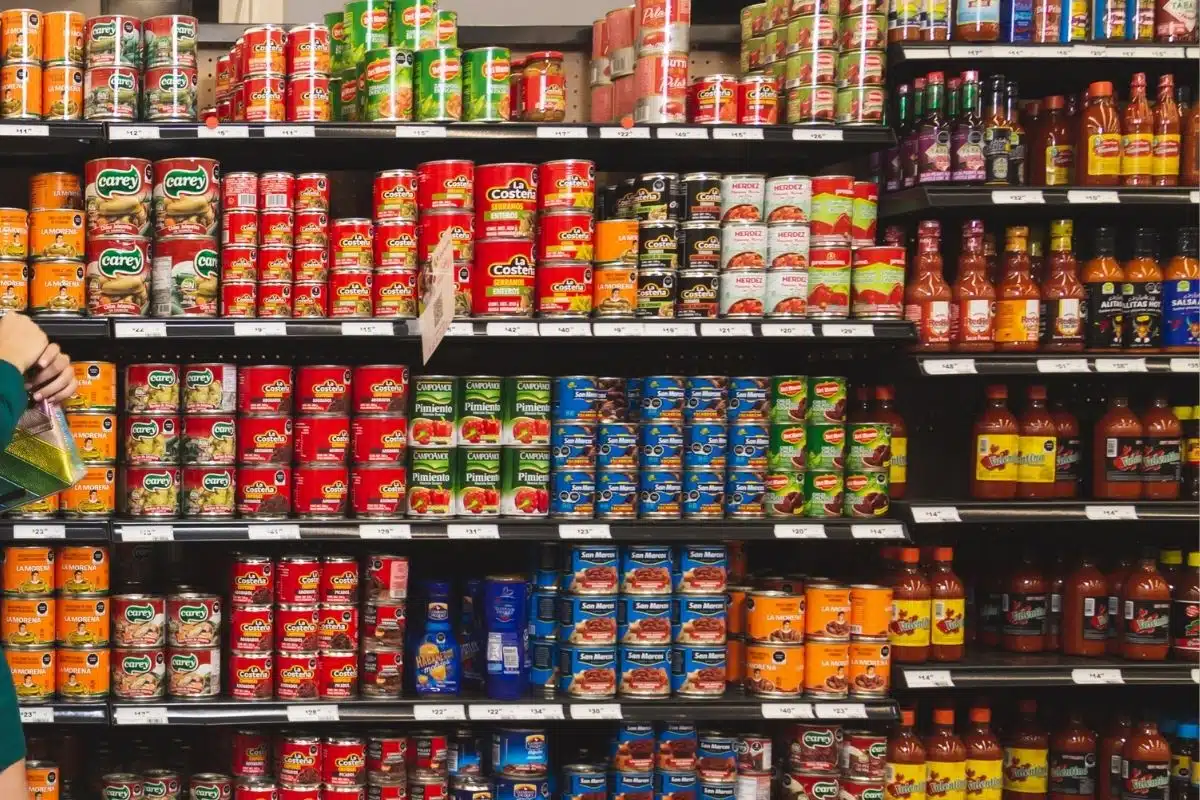
It’s easy to assume that brand-name items are better, but that’s not always true. Many store-brand products are made in the same facilities and taste nearly identical. You may be paying more for packaging and advertising rather than quality. Trying generic versions can lead to big savings over time.
Single-Use Cleaning Products
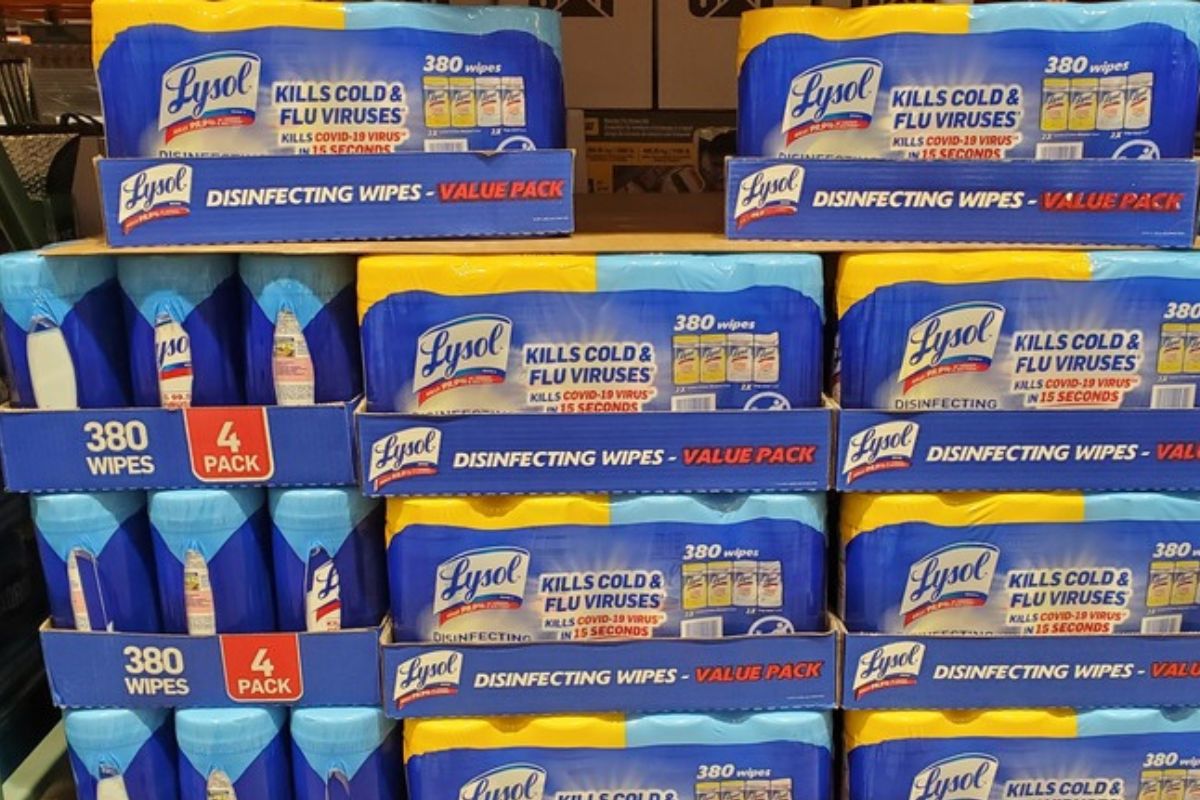
From disposable wipes to one-time-use dusters, these products promise convenience but often deliver waste and higher costs. A few reusable cloths and a basic all-purpose cleaner can handle most jobs just as effectively. You’ll cut down on both spending and trash. It’s a small change that makes a noticeable difference.
Pre-Made Spice Blends

Those specialty seasoning mixes can be tempting, especially when trying a new recipe. However, they’re often just combinations of spices you may already have at home. Making your own blends is cheaper and lets you control the flavor. It also helps reduce clutter in your spice cabinet.
Trendy Snack Foods
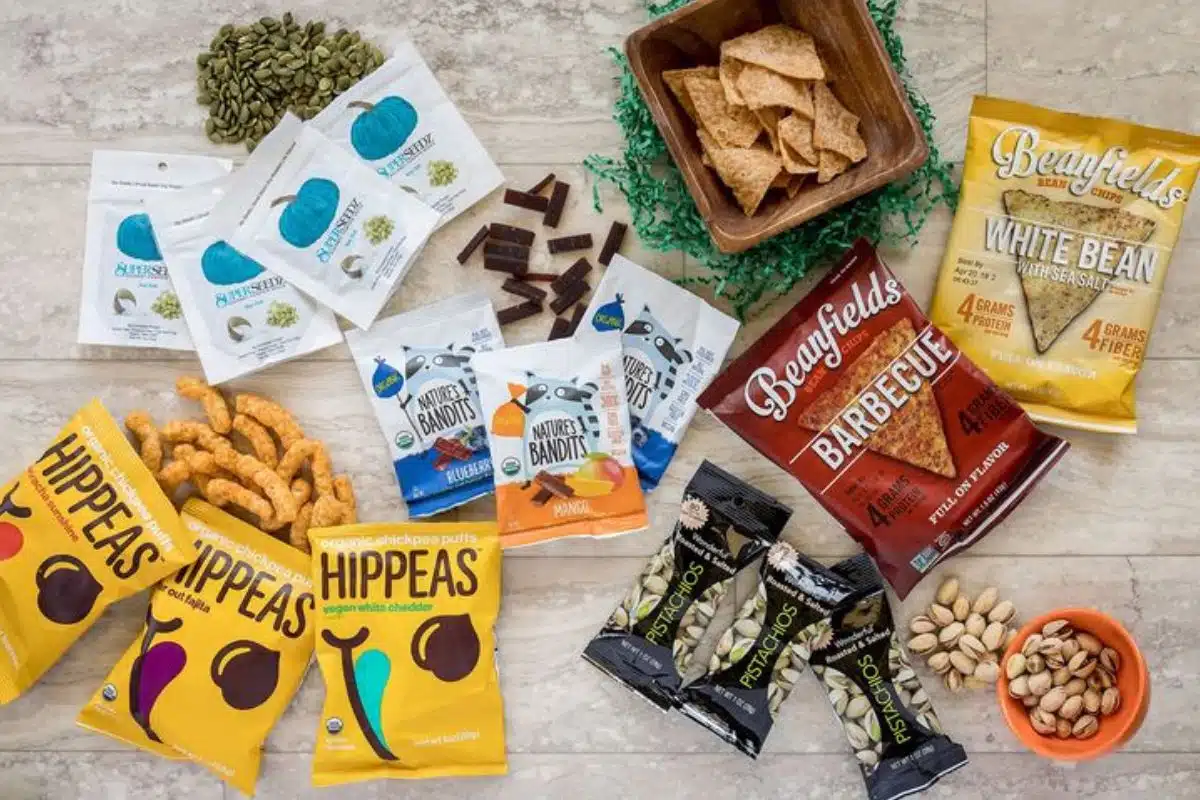
Eye-catching packaging and buzzworthy flavors make it easy to toss trendy snacks into your cart. Unfortunately, they’re often overpriced and not much different from simpler options. Many end up half-eaten or forgotten in the pantry. Sticking to a few reliable favorites can save both money and waste.
Bulk Items You Won’t Finish
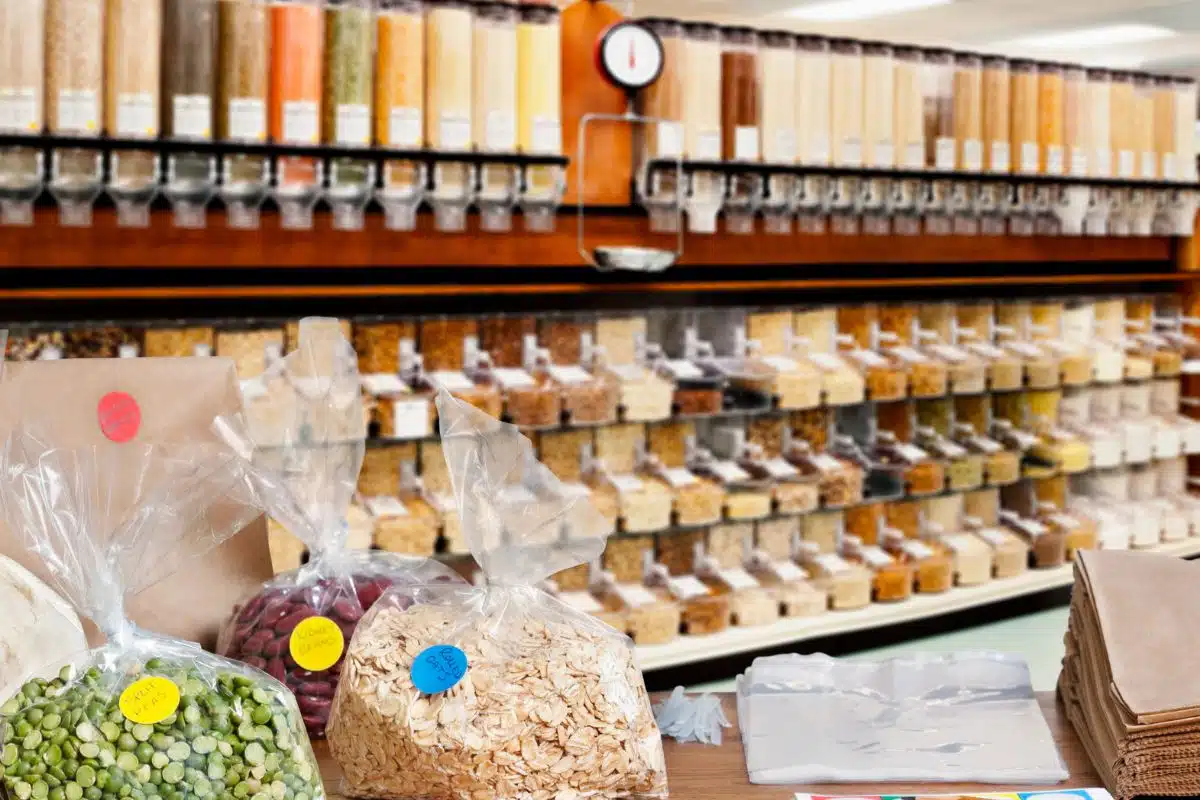
Buying in bulk can be smart—but only if you actually use everything. It’s easy to be tempted by a “deal” on large quantities of food or household goods. If items expire or go stale before you finish them, the savings disappear. Always consider how quickly you’ll realistically use what you’re buying.
Fancy Coffee Drinks or Creamers
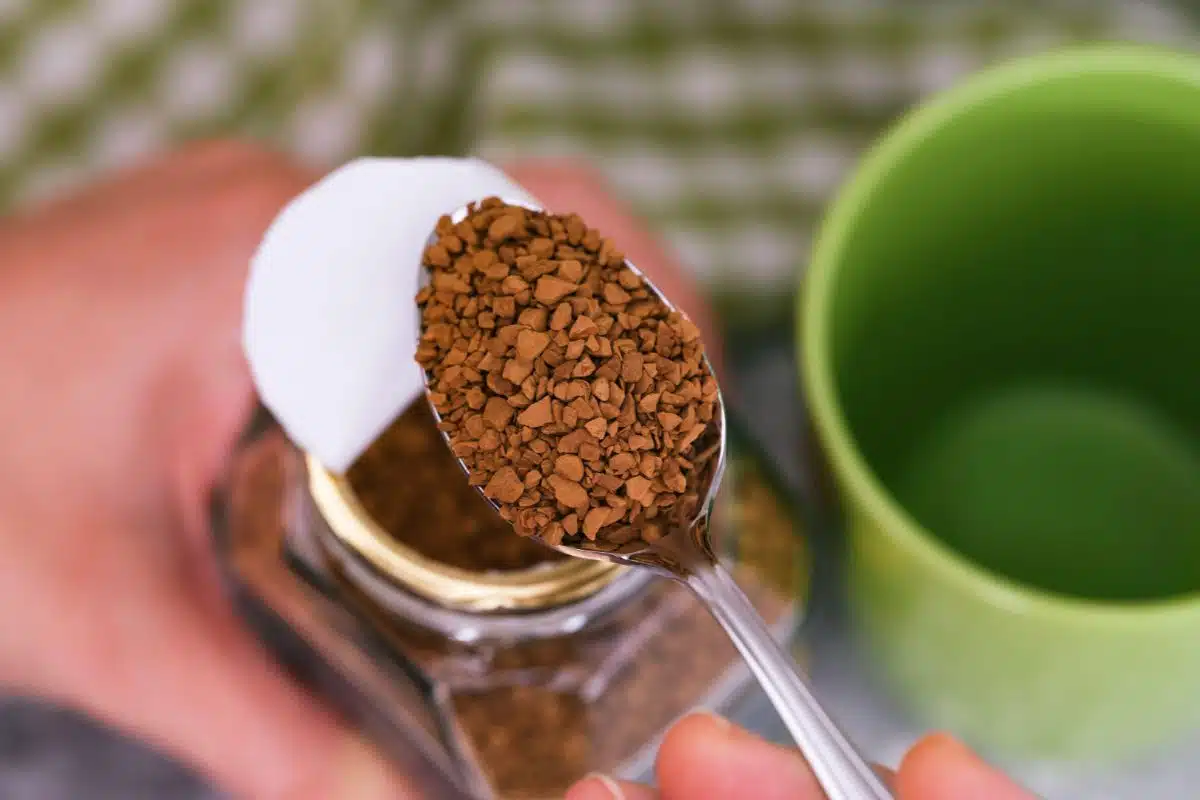
Specialty creamers and ready-made coffee drinks can quickly inflate your grocery bill. While they feel like a small treat, the cost adds up over time. Making your coffee at home with simple ingredients can be just as satisfying. A little experimentation can recreate your favorite flavors for less.
Seasonal Décor and Impulse Buys

Stores are experts at making seasonal items feel irresistible. From holiday decorations to themed kitchen gadgets, these purchases often seem fun in the moment. But they can end up stored away and rarely used. Pausing before buying helps you decide if it’s something you truly need or just a passing temptation.
This post may contain affiliate links or sponsored content. Disclosure Policy