9 Reasons Every Home Cook Should Own a Dutch Oven
A good Dutch oven can become one of the hardest-working pieces of cookware in your kitchen. Its heavy construction and tight-fitting lid make it useful for everything from slow-cooked meals to crusty loaves of bread. While it may cost more than an ordinary pot, its versatility means you can reach for the same piece of cookware for dozens of recipes.
It Can Go From Stovetop to Oven
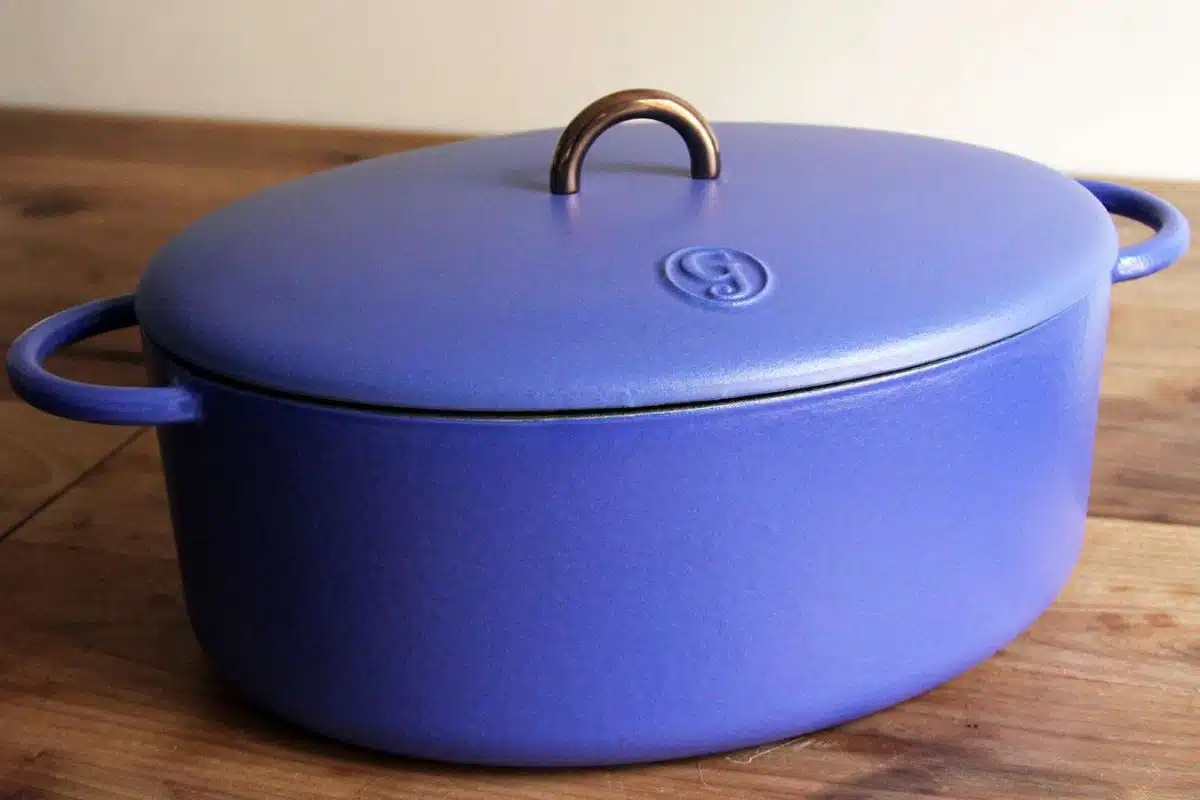
One of the biggest advantages of a Dutch oven is its versatility. Many models are designed to be used directly on the stovetop and then transferred to the oven without changing pans. Enameled cast-iron versions, such as the Great Jones The Dutchess, are one example of this type of versatile cookware. The Dutchess is designed for use on the stovetop and in the oven, making it useful for recipes that begin with browning and finish with slow cooking. Always check the manufacturer’s maximum oven temperature, particularly when the pot has an enamel coating or a knob made from a material with a lower heat rating.
It Is Excellent for Braising
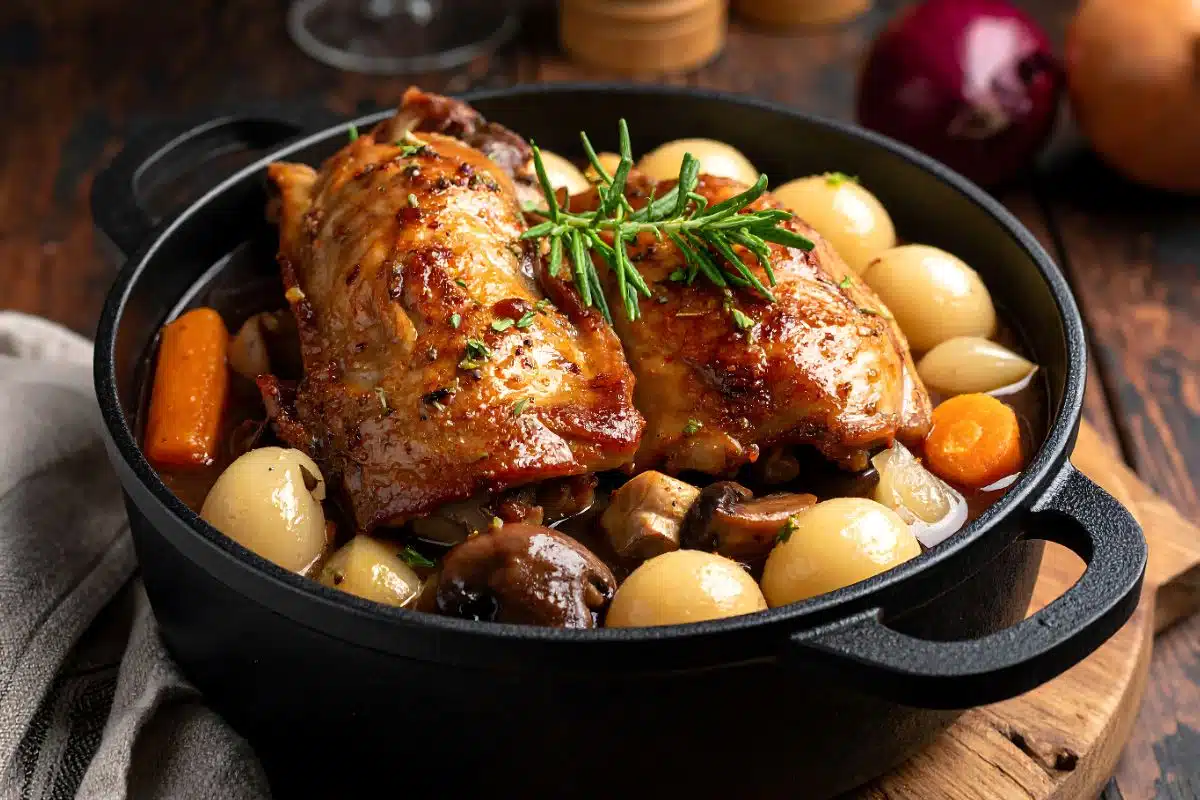
Tough cuts of meat can become incredibly tender when cooked slowly with liquid. A Dutch oven is well suited to this method because its heavy construction distributes heat evenly and its lid helps retain moisture. Beef chuck, pork shoulder, chicken thighs, and other flavorful cuts can all benefit from a long, gentle braise.
It Makes Hearty Soups and Stews
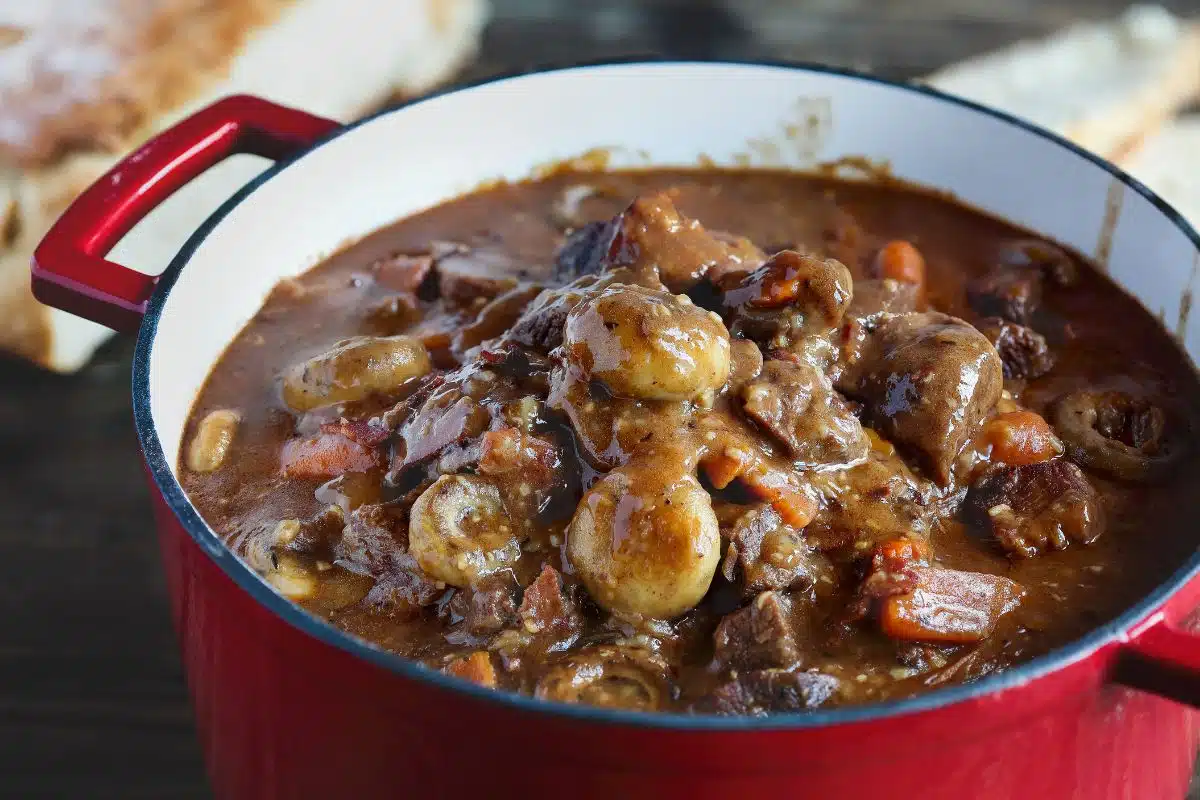
The generous capacity of many Dutch ovens makes them especially useful for one-pot soups, stews, and chilis. You can brown meat or sauté vegetables in the same pot before adding the remaining ingredients. Once everything is combined, the heavy pot helps maintain a steady cooking temperature while the flavors develop.
It Is Great for Homemade Bread
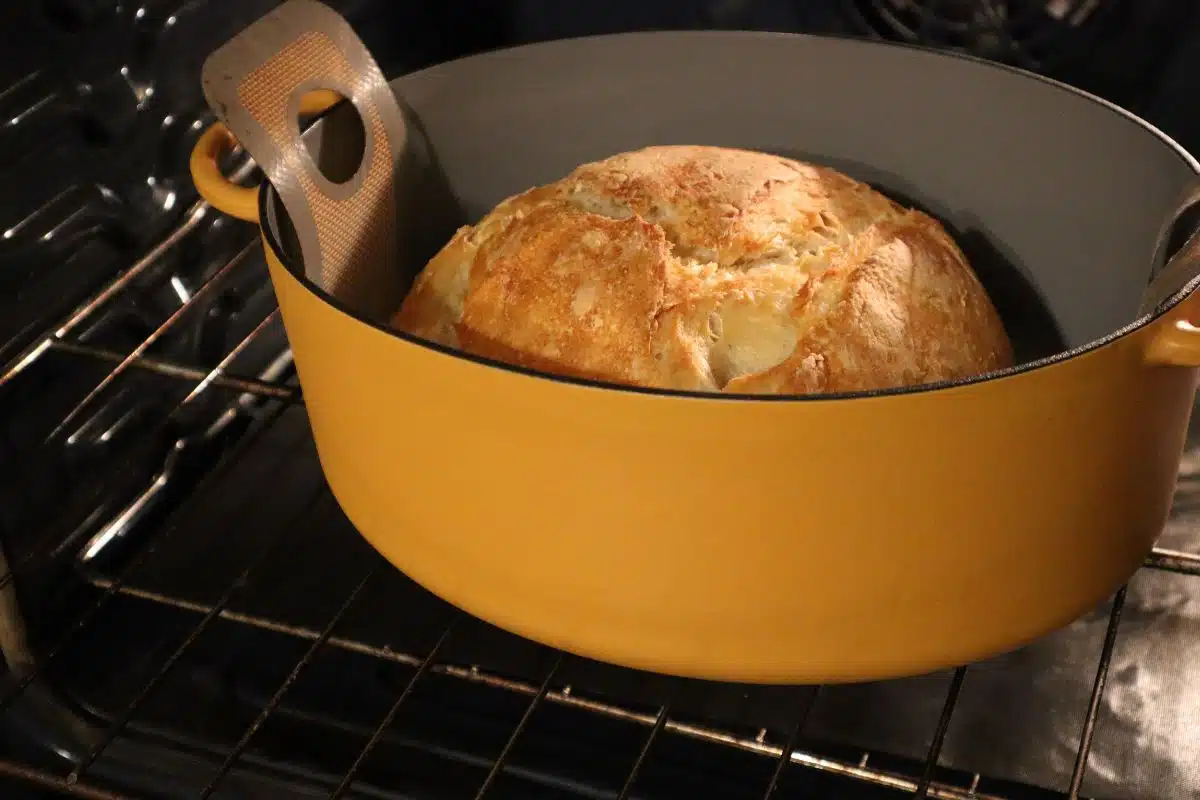
A Dutch oven can help create bakery-style crusty bread at home. When a loaf bakes inside a covered pot, the trapped steam helps keep the dough’s surface moist during the early part of baking, encouraging a crisp crust and good expansion. You don’t need a dedicated bread machine or specialty steam-injection oven to experiment with this style of bread.
It Works for Deep-Frying
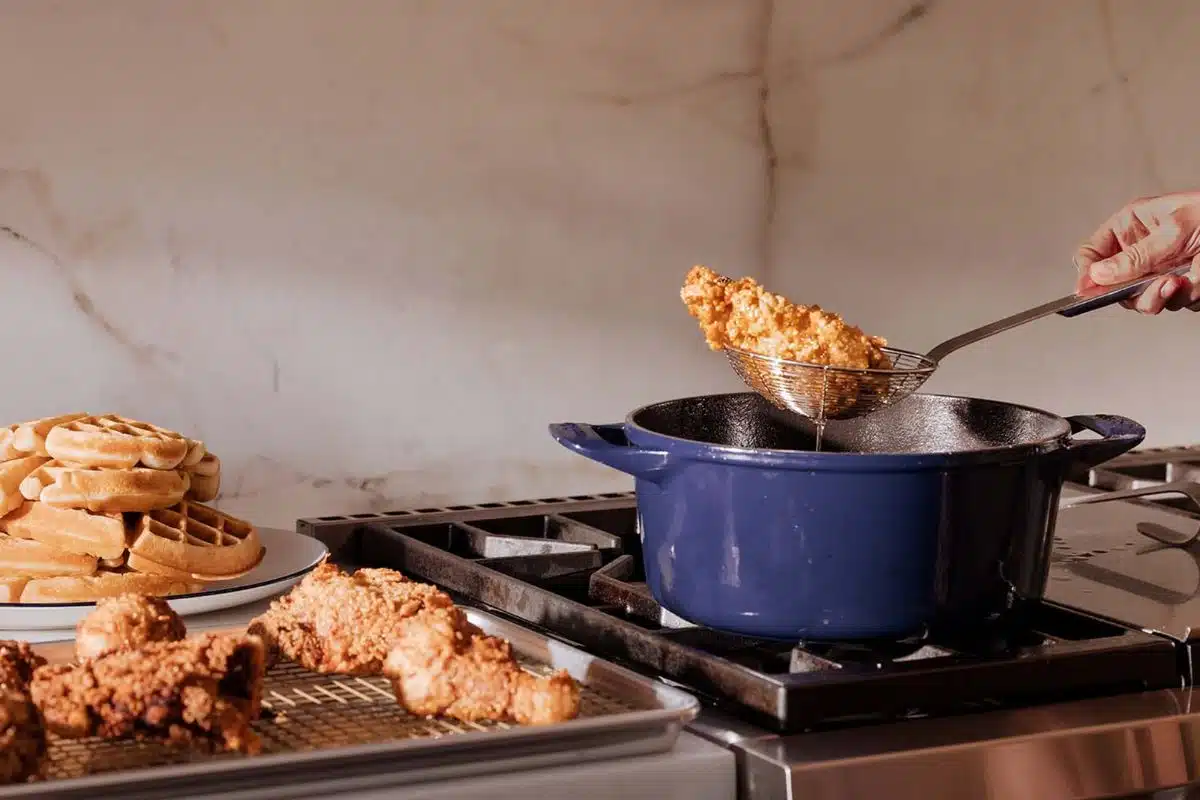
The high sides of a Dutch oven make it a practical choice for occasional deep-frying at home. Cast iron also retains heat well, which can help the oil recover its temperature when food is added. Use a thermometer, don’t overfill the pot with oil, and follow your recipe’s safety instructions because hot oil can cause serious burns.
It Holds Heat Well
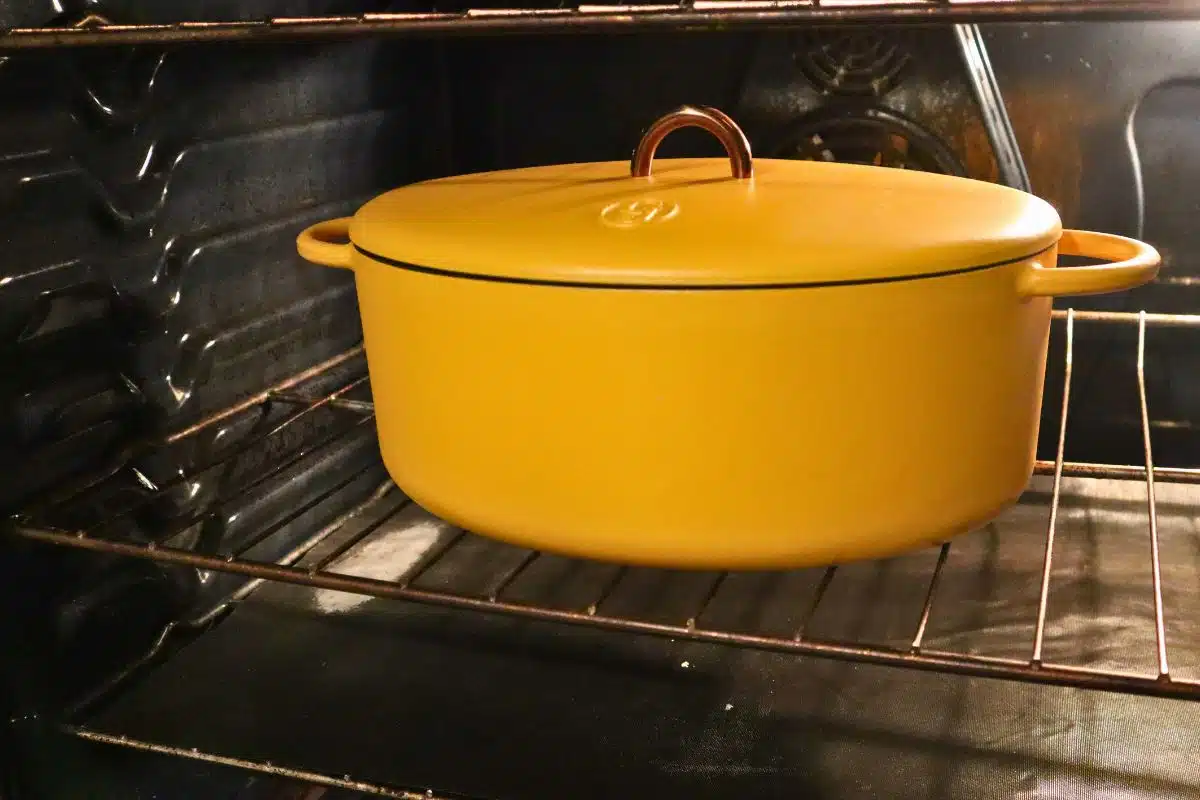
Dutch ovens are valued for their ability to retain heat. That characteristic is helpful when you’re cooking foods that benefit from steady temperatures rather than rapid changes. It also means the pot stays hot for a while after being removed from the burner, so remember to use oven mitts and place it on a heat-safe surface.
It Is Ideal for One-Pot Meals
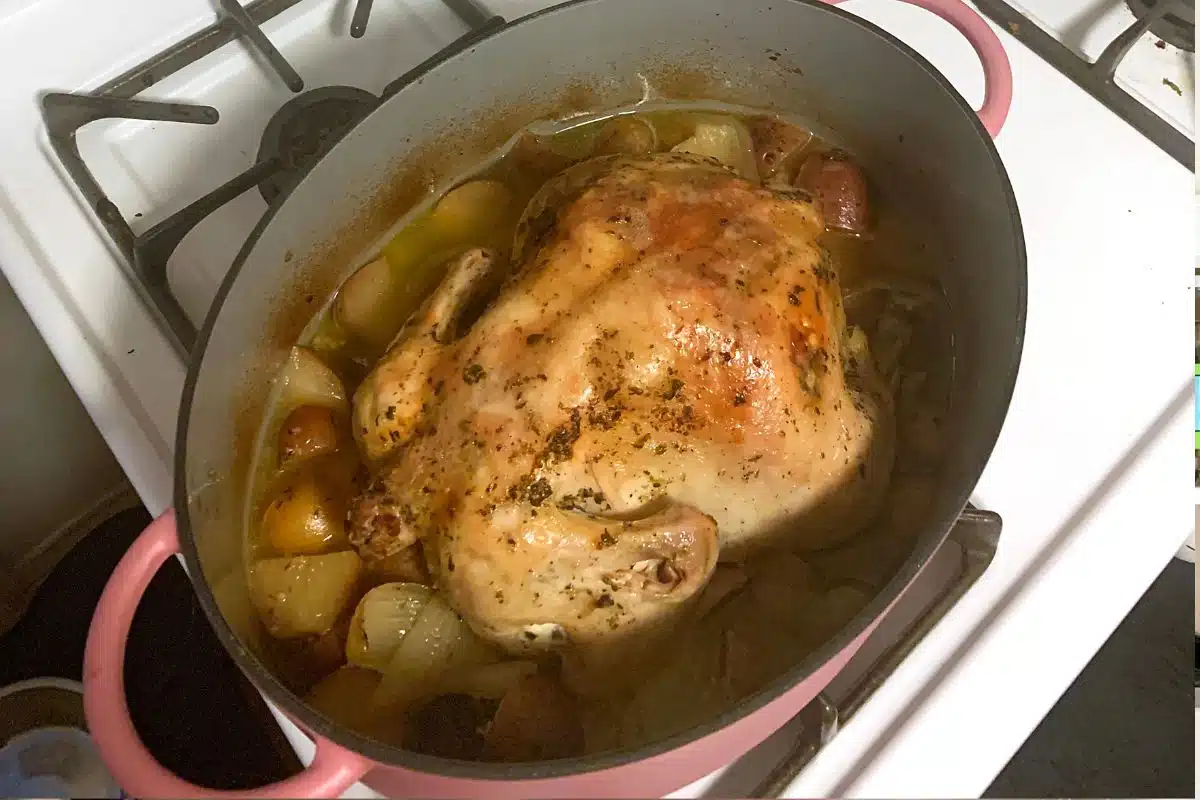
If you enjoy recipes that minimize cleanup, a Dutch oven can quickly become a favorite. You can sauté aromatics, brown meat, add vegetables and liquids, and finish the entire meal in the same vessel. From chicken dinners to pasta dishes and casseroles, its versatility can eliminate the need for several separate pans.
It Can Feed a Crowd
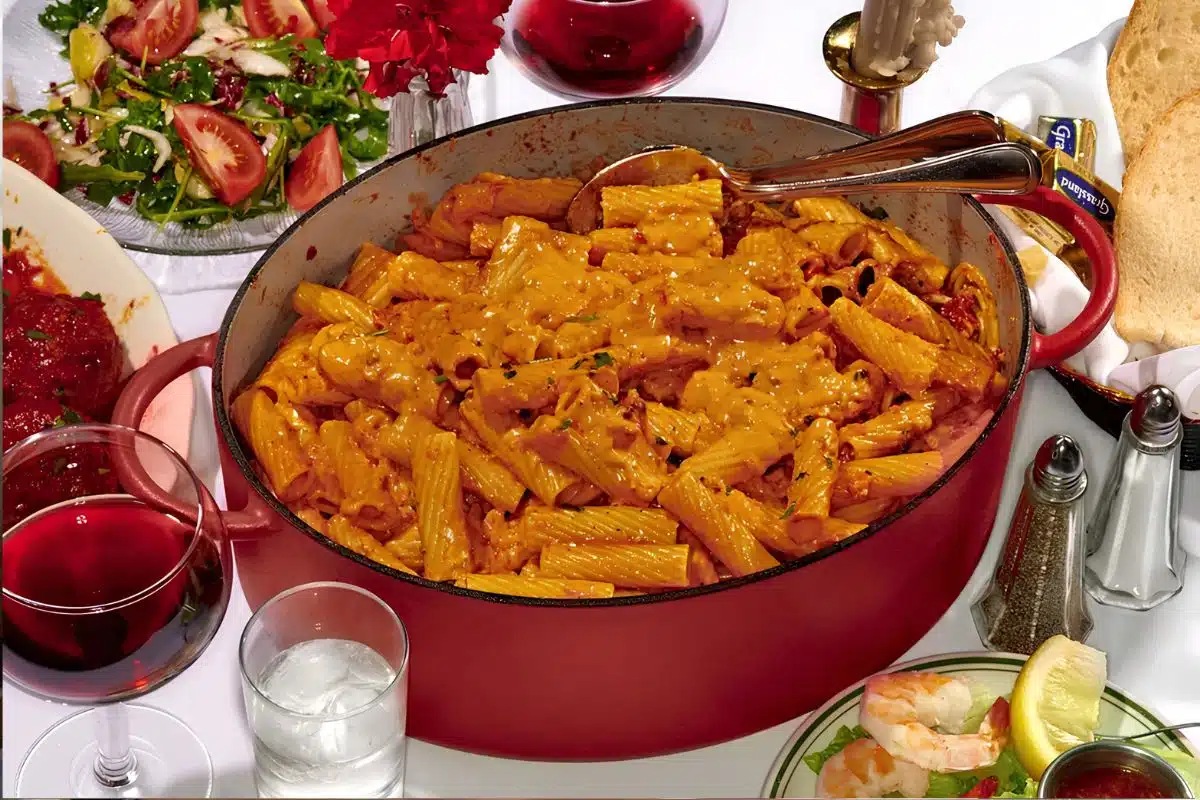
Many Dutch ovens hold enough food to make generous batches of soup, stew, chili, or braised meat. That makes them particularly useful when you’re cooking for a family, hosting guests, or preparing leftovers for another meal. A large batch can also make meal prep easier without requiring multiple pots on the stove.
It Can Last for Years
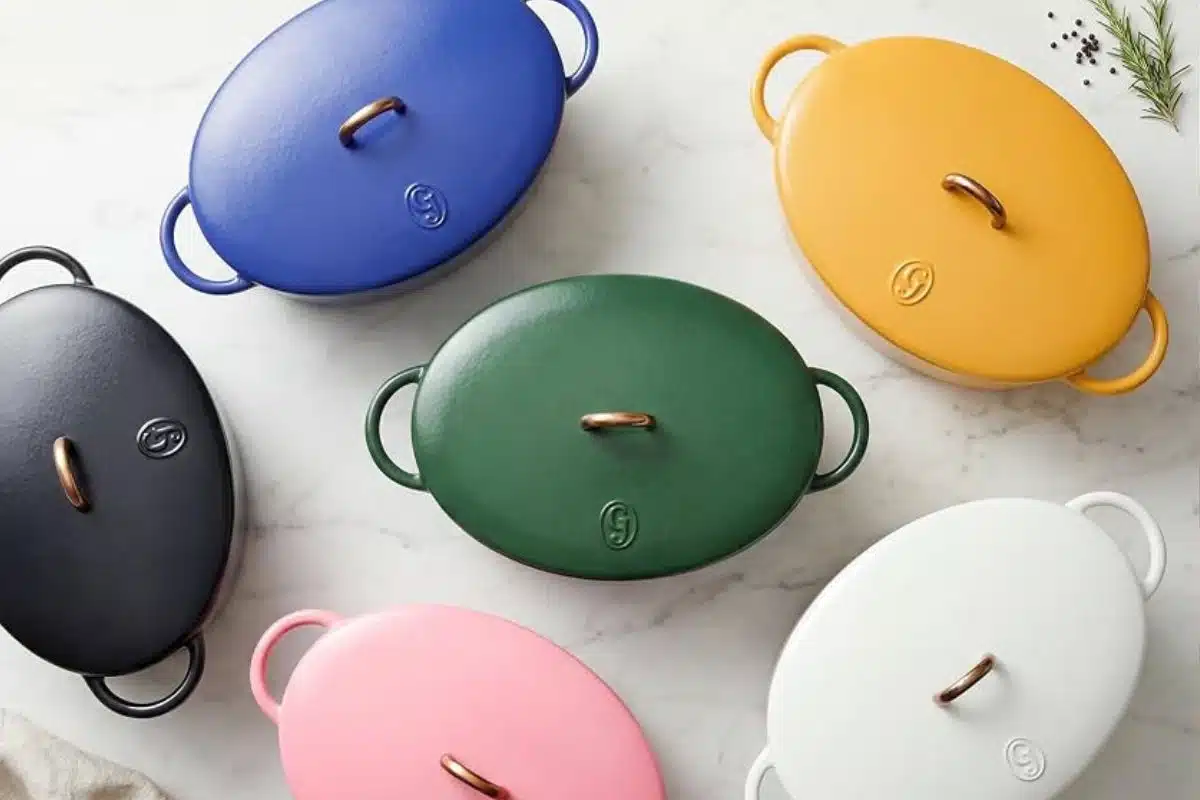
A quality Dutch oven is not the kind of cookware you necessarily expect to replace every few years. Cast-iron Dutch ovens can be extremely durable when properly cared for, while enameled versions offer the benefits of cast iron with a non-reactive cooking surface. Because they’re so versatile, a well-maintained Dutch oven can become a piece of cookware you reach for regularly rather than something that spends most of its life in the back of the cabinet.
This post may contain affiliate links or sponsored content. Disclosure Policy