Still Believe These? 9 Kitchen Myths Debunked
From food safety to cooking techniques, the kitchen is full of advice that gets passed down for generations—whether it’s true or not. Some of the most common “rules” sound helpful but don’t actually hold up. These persistent kitchen myths continue to circulate, and it’s time to finally set the record straight.
You Should Wash Raw Chicken
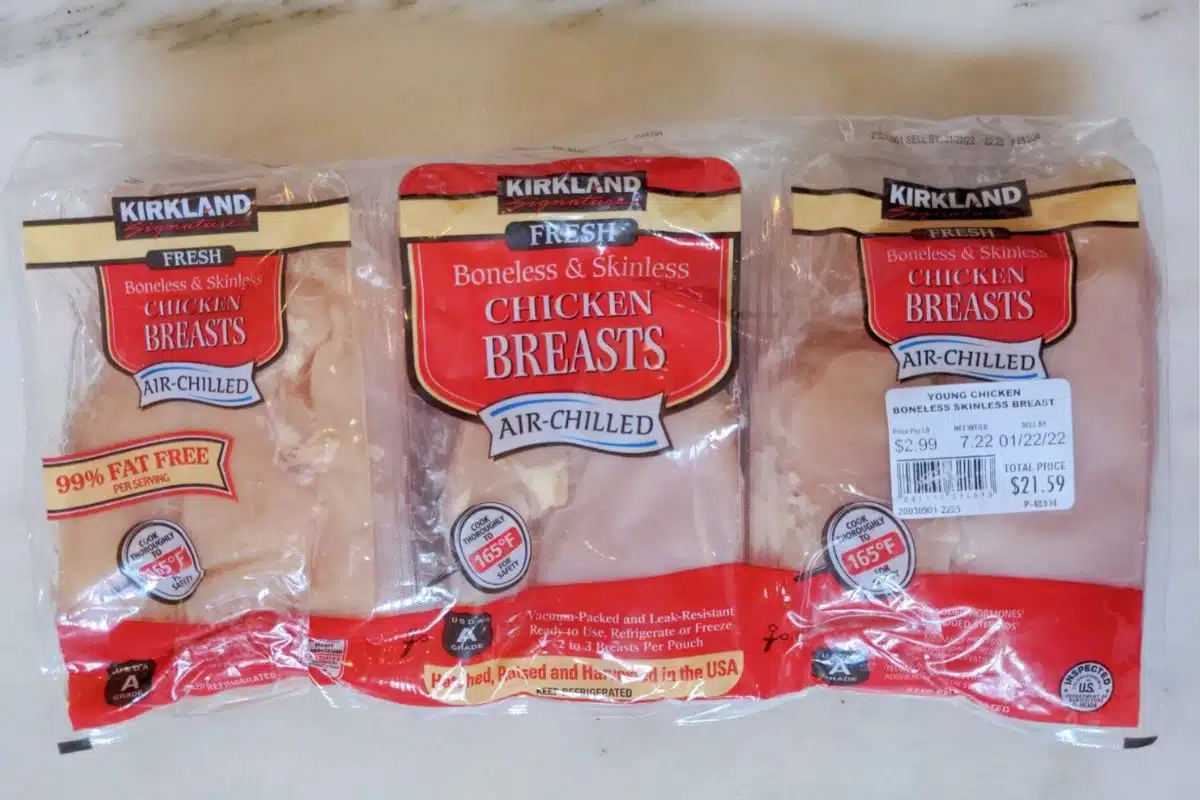
Washing raw chicken doesn’t remove bacteria—it spreads it around your sink and counters. Proper cooking is what actually makes chicken safe to eat.
Salt Makes Water Boil Faster
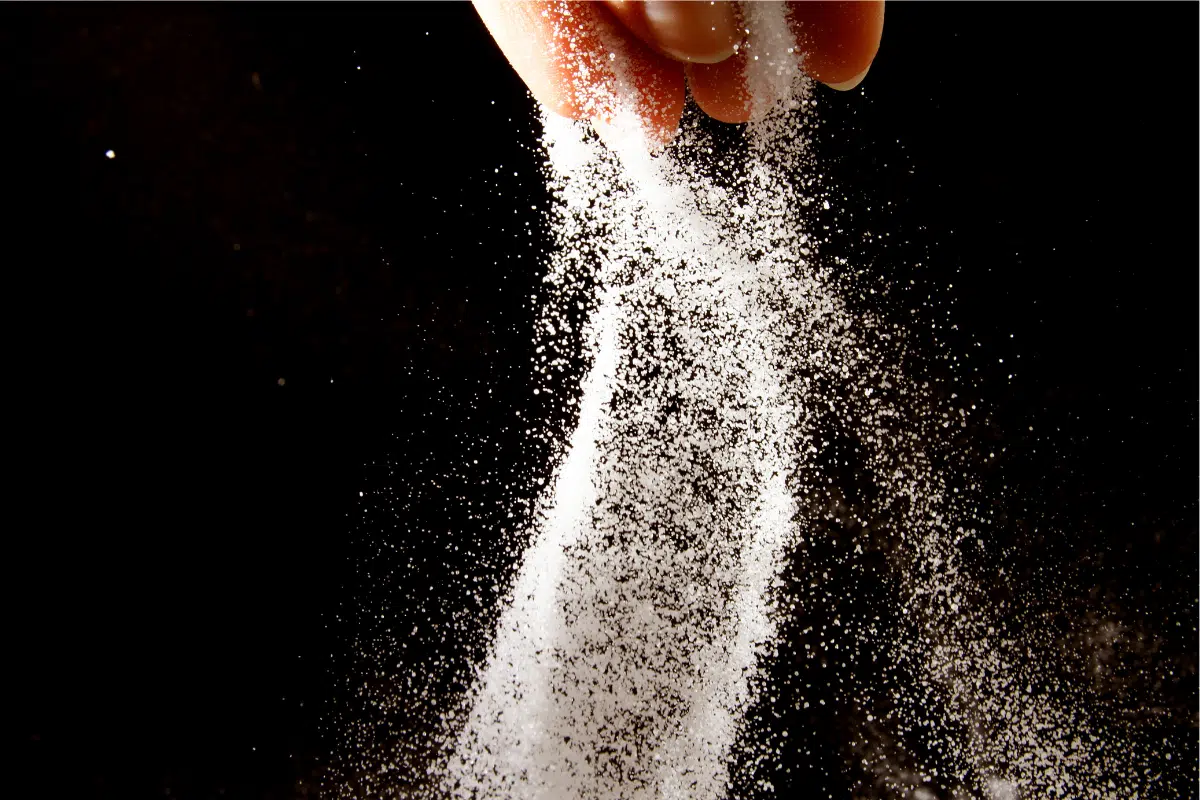
Salt raises the boiling point of water slightly, meaning it actually takes longer to boil. Salt is for flavor, not speed.
Oil Keeps Pasta From Sticking
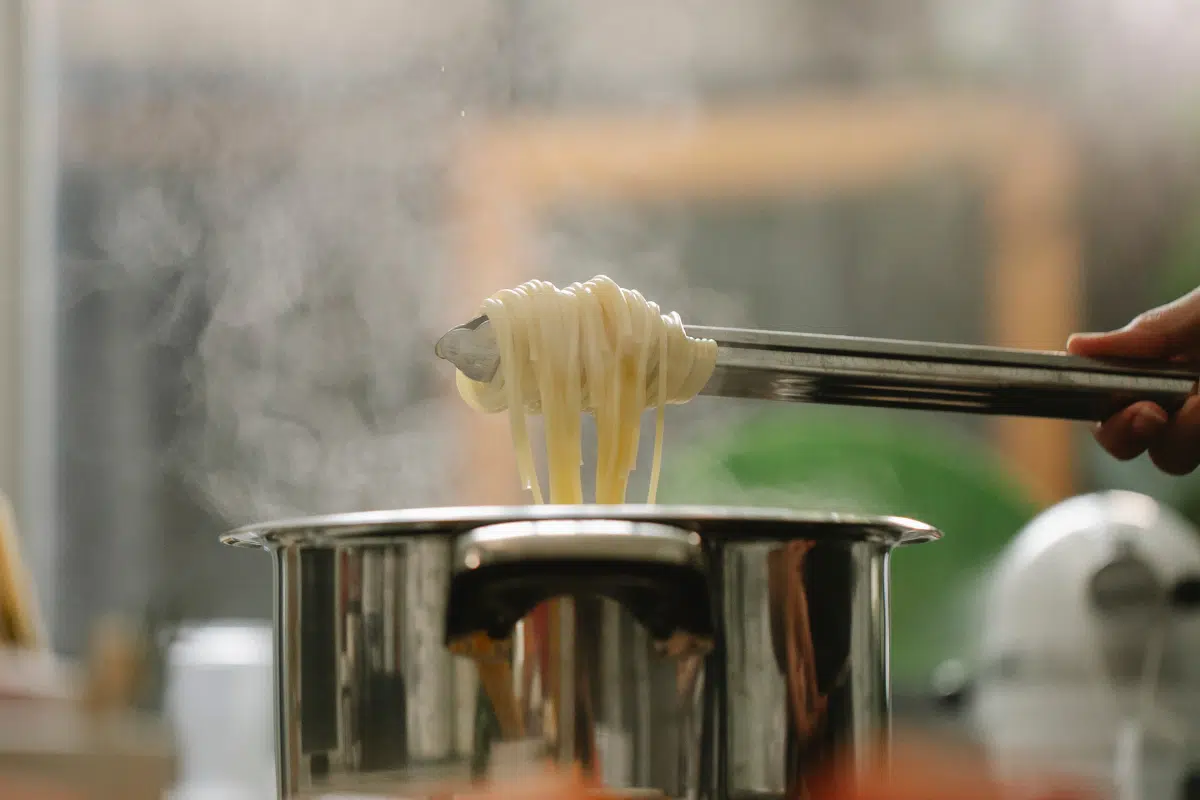
Adding oil to pasta water doesn’t prevent sticking—and it can make sauce slide right off the noodles instead.
You Should Only Flip Steak Once
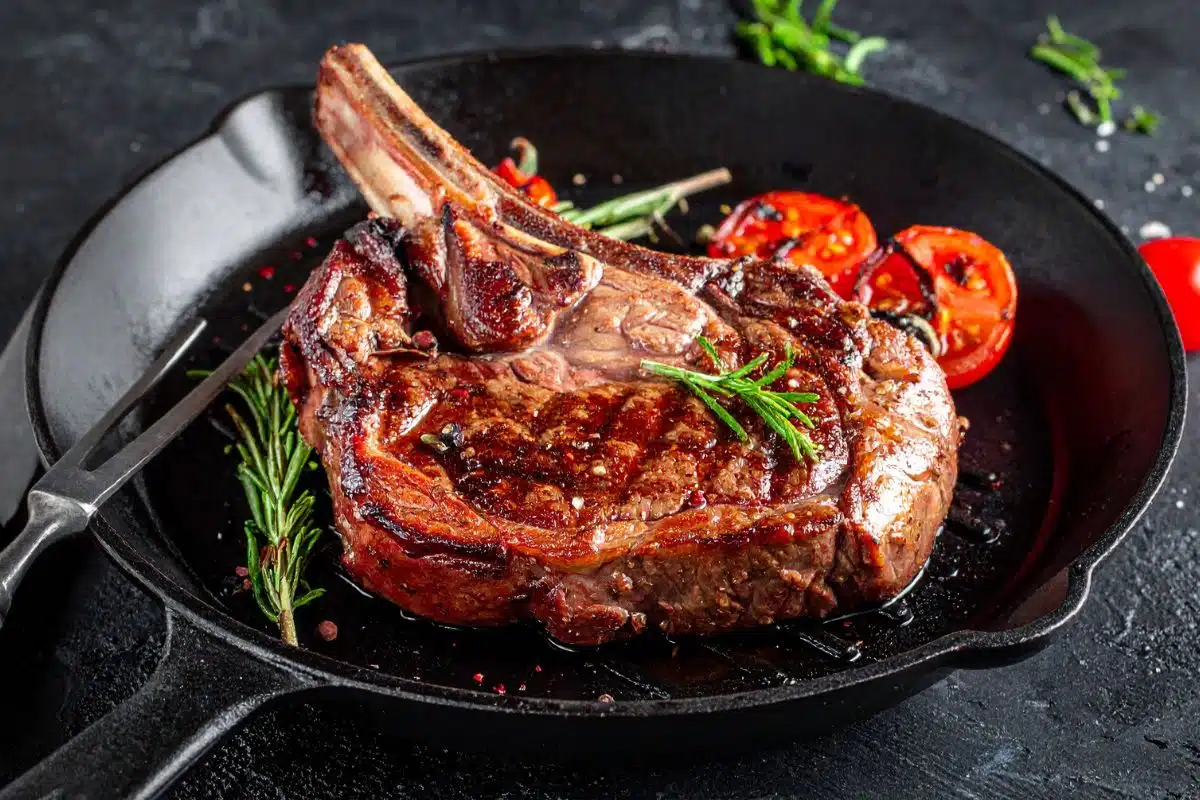
Flipping steak more often can actually help it cook more evenly. There’s no rule that says once is best.
Searing Meat Seals In Juices
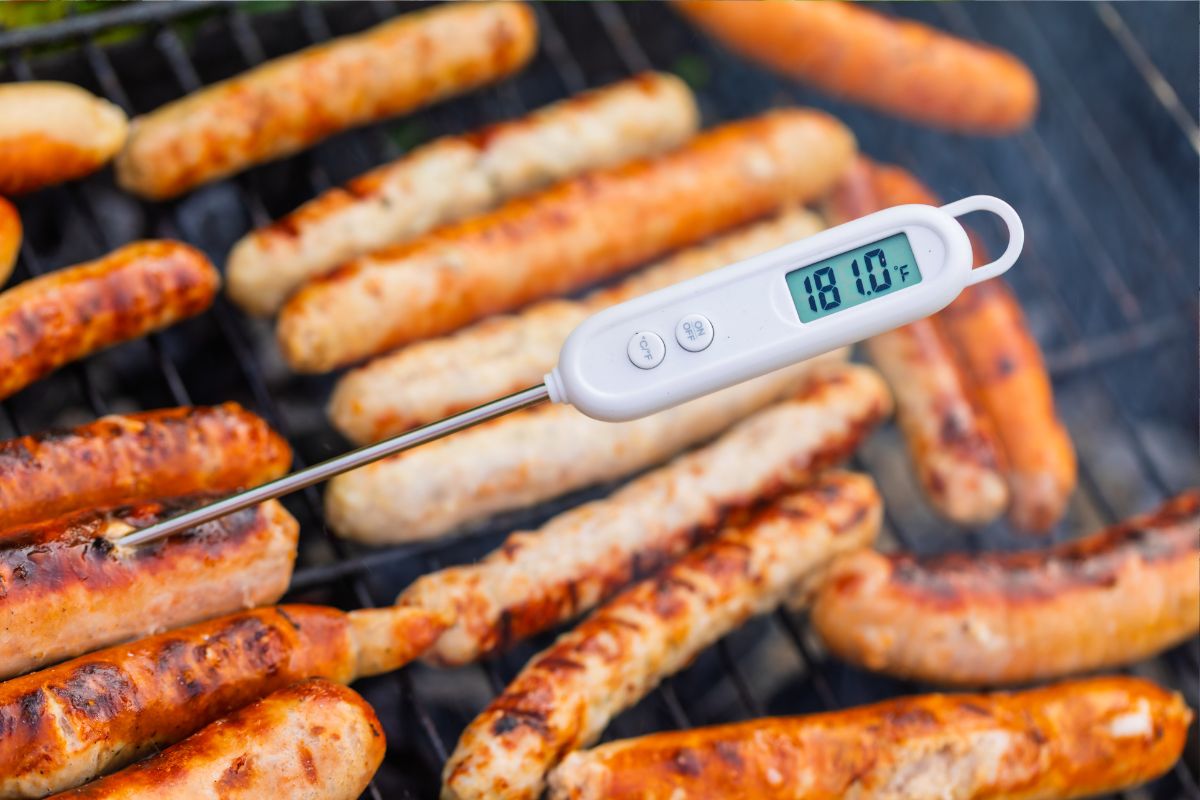
Searing adds flavor, but it doesn’t lock moisture inside. Juiciness comes from proper cooking temperature, not the sear itself.
Fresh Is Always Better Than Frozen
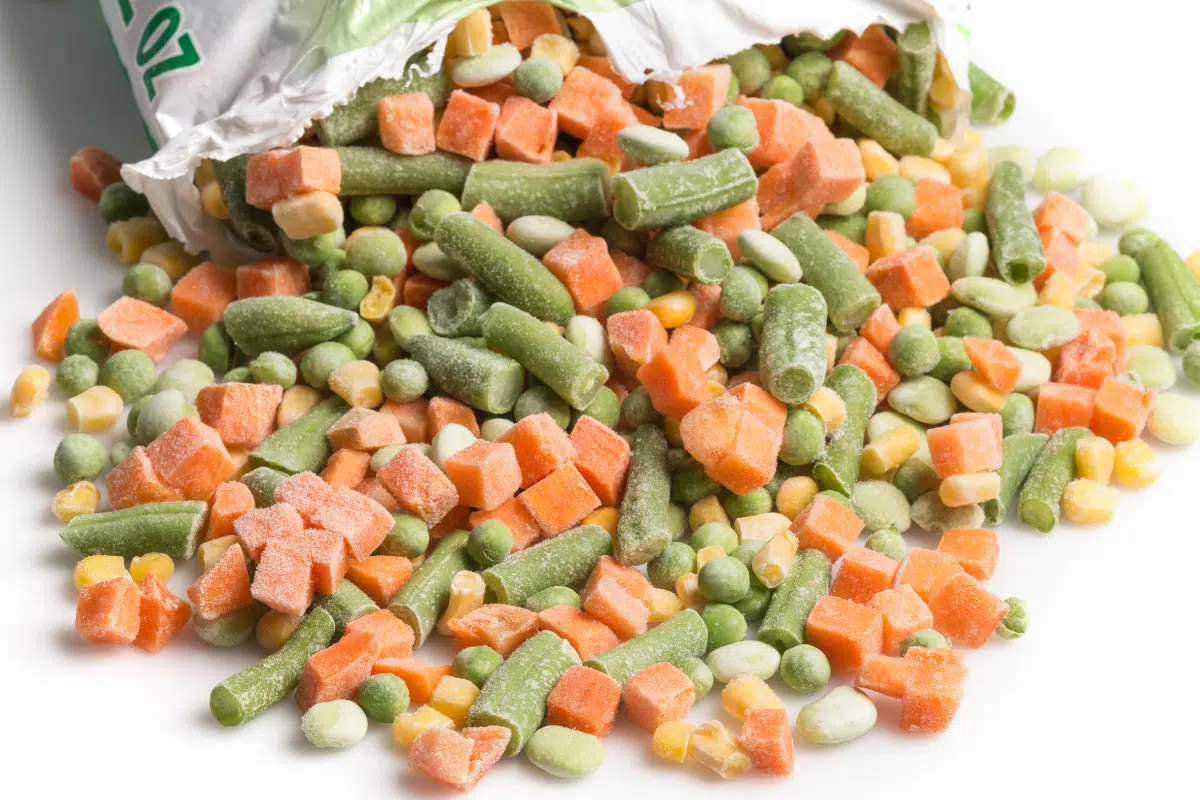
Frozen fruits and vegetables are often picked at peak ripeness and can be just as nutritious—sometimes more so—than fresh.
You Can’t Refreeze Thawed Food
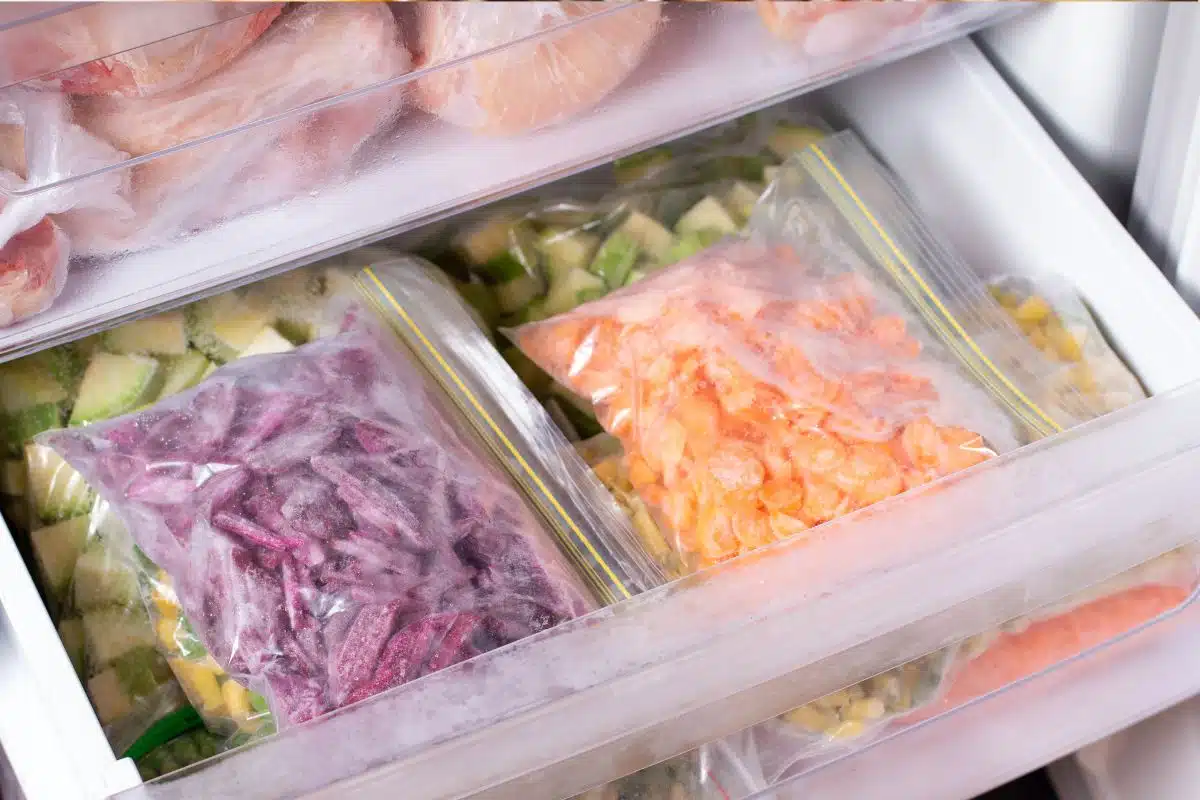
Food can be safely refrozen if it thawed in the refrigerator and still smells and looks fine, though texture may change.
Wooden Cutting Boards Are Unsafe
Wood has natural antimicrobial properties. With proper cleaning and drying, wooden boards can be just as safe as plastic ones.
Expiration Dates Mean Food Is Unsafe
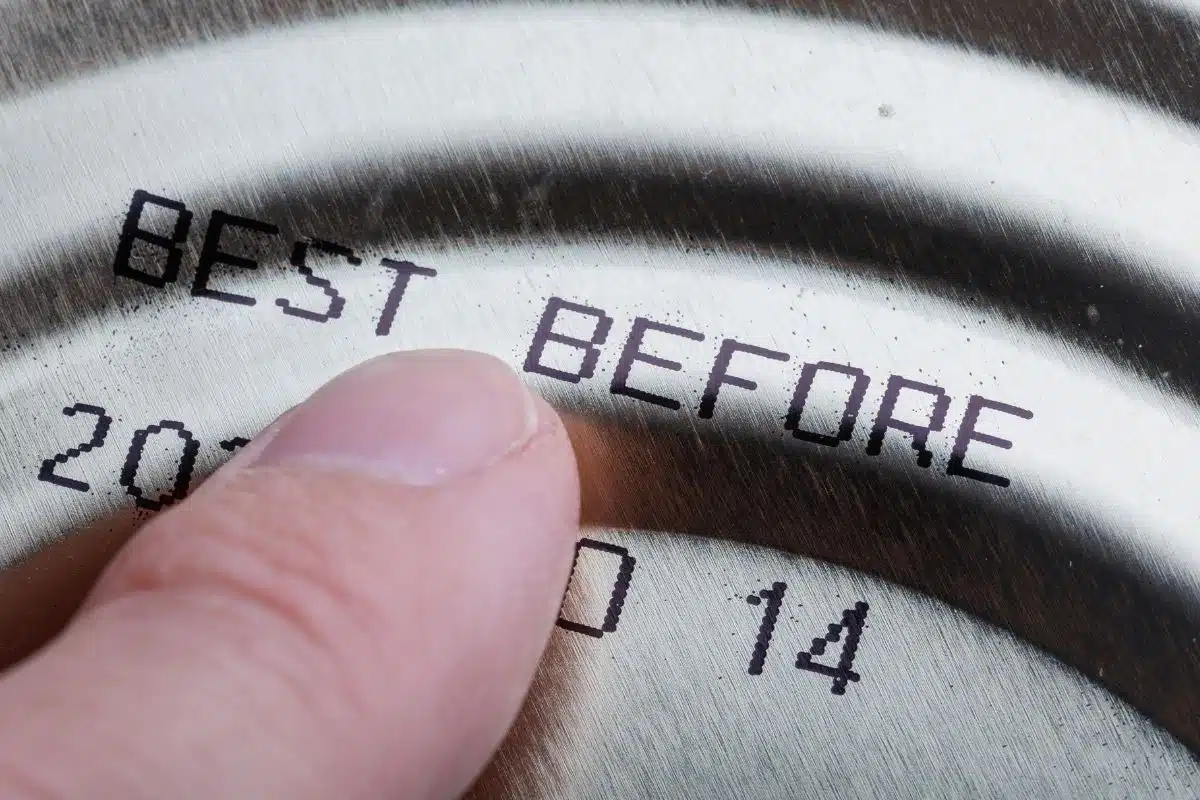
Most dates indicate quality, not safety. Many foods are still safe past the date if stored correctly and inspected properly.
This post may contain affiliate links or sponsored content. Disclosure Policy