9 Easy Ways to Get Rid of Weeds Without Spending Hours Weeding
Weeding is one of the most time-consuming and frustrating parts of yard maintenance. No matter how tidy your garden looks, weeds seem to appear overnight and spread faster than you can pull them. The good news is you don’t need to spend every weekend bent over in the dirt to keep your yard under control. With a few simple, practical strategies, you can reduce weed growth, make removal easier, and keep your outdoor space looking clean with far less effort.
Use Mulch to Block Weed Growth
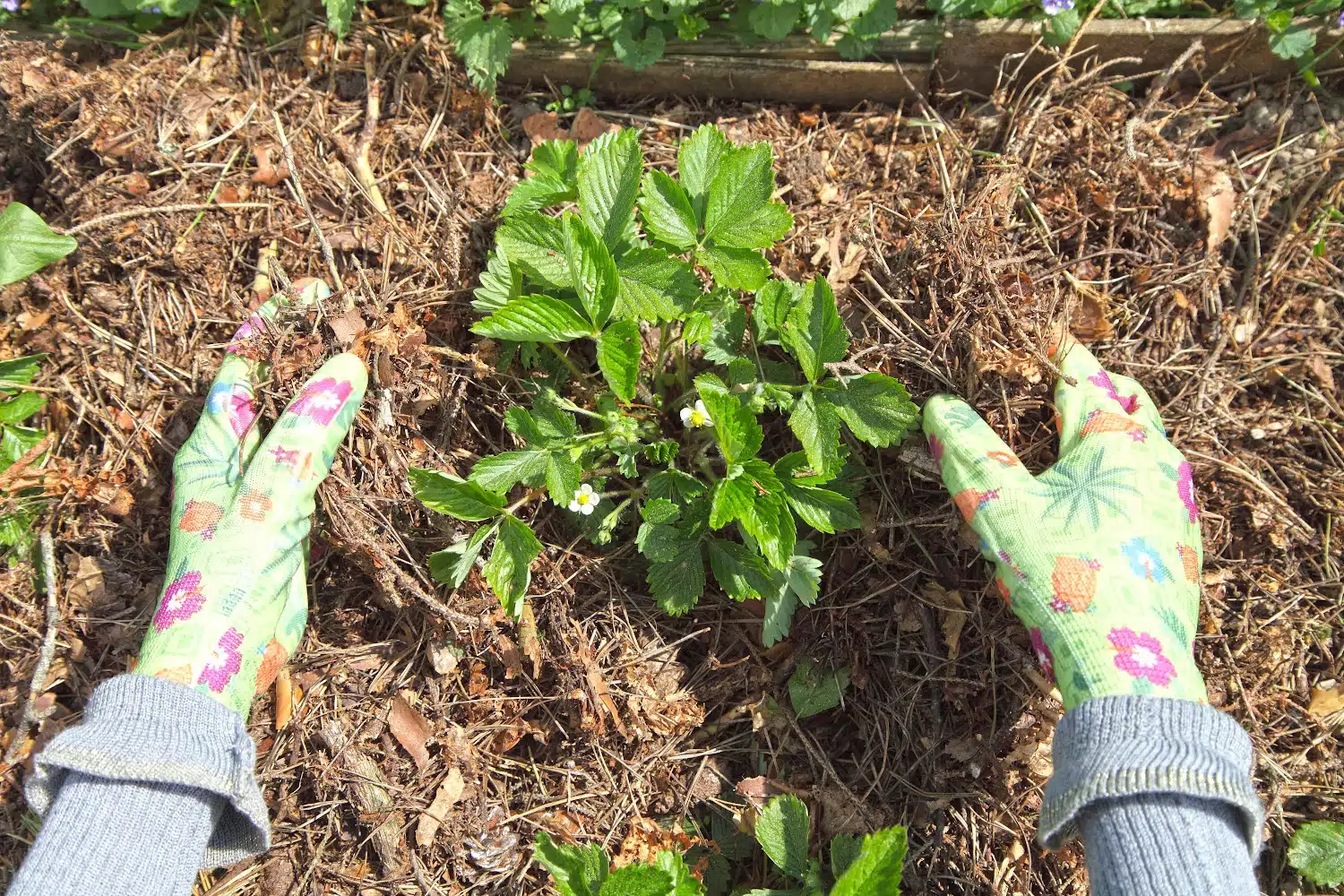
Mulch is one of the most effective ways to prevent weeds before they even start. A thick layer helps block sunlight from reaching weed seeds, which reduces germination. Organic mulch like bark or wood chips also improves soil health as it breaks down over time. Refreshing mulch once or twice a year can dramatically reduce weeding time.
Pull Weeds After Rain
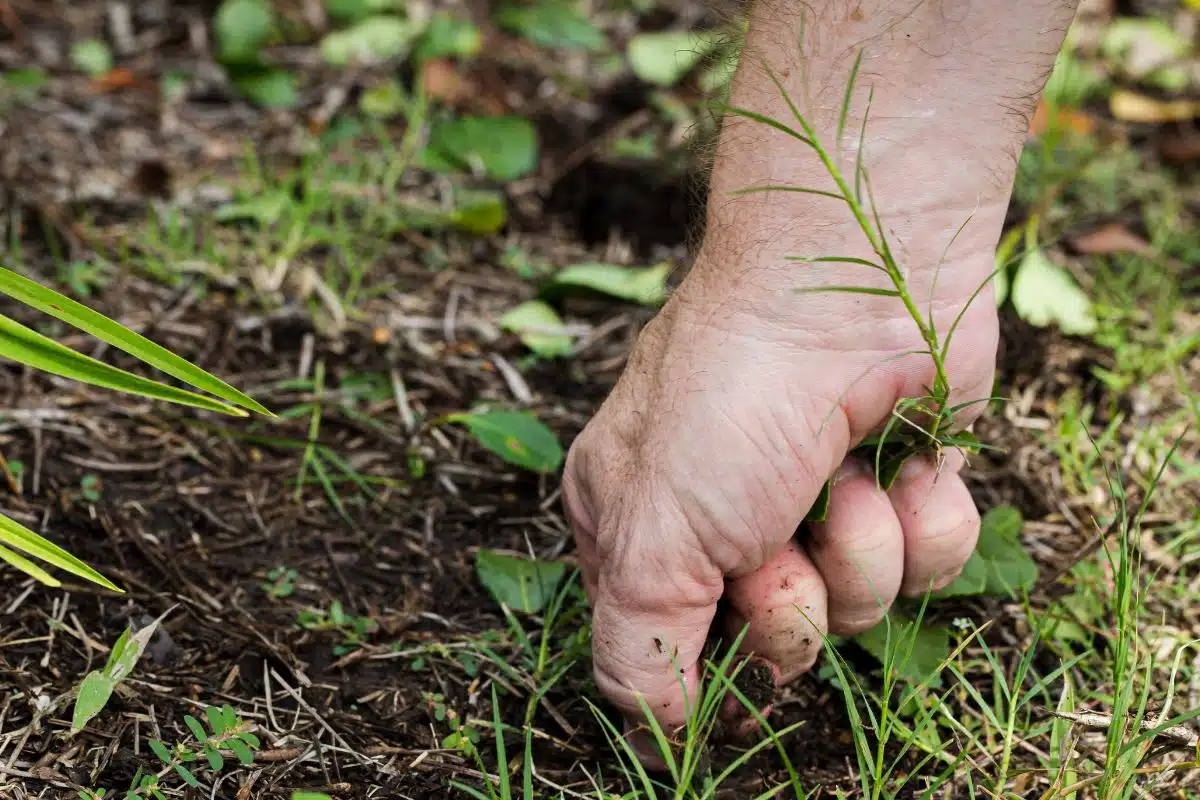
Weeds are much easier to remove when the soil is damp. After a good rain, roots loosen up, allowing you to pull weeds more completely without breaking them off at the surface. This simple timing trick helps prevent regrowth and saves a lot of effort. Many gardeners find this is the easiest time to tackle problem areas.
Use Boiling Water for Driveway Weeds
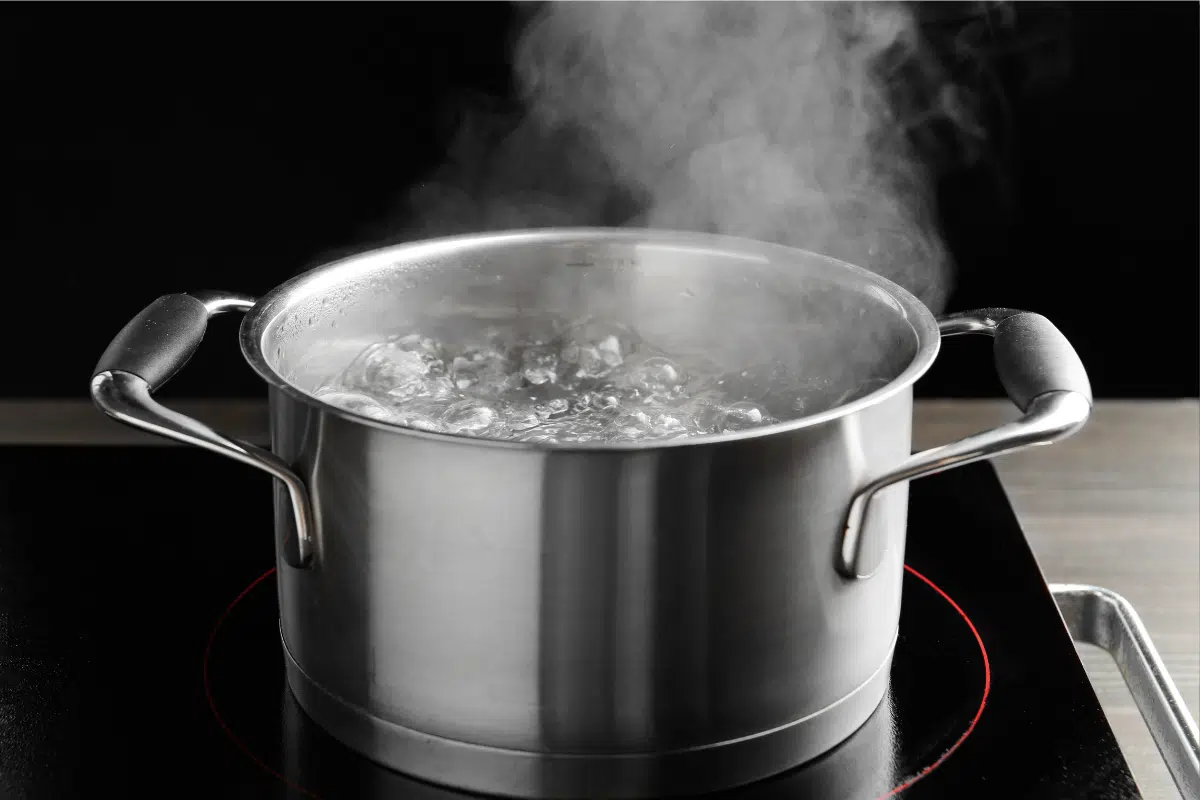
Boiling water is a simple, chemical-free way to kill weeds growing in cracks and driveways. The heat damages plant cells instantly, causing weeds to wither within hours. It’s especially effective for small patches where you don’t want to use herbicides. Just be careful to avoid nearby plants you want to keep.
Try Cardboard or Newspaper as a Weed Barrier
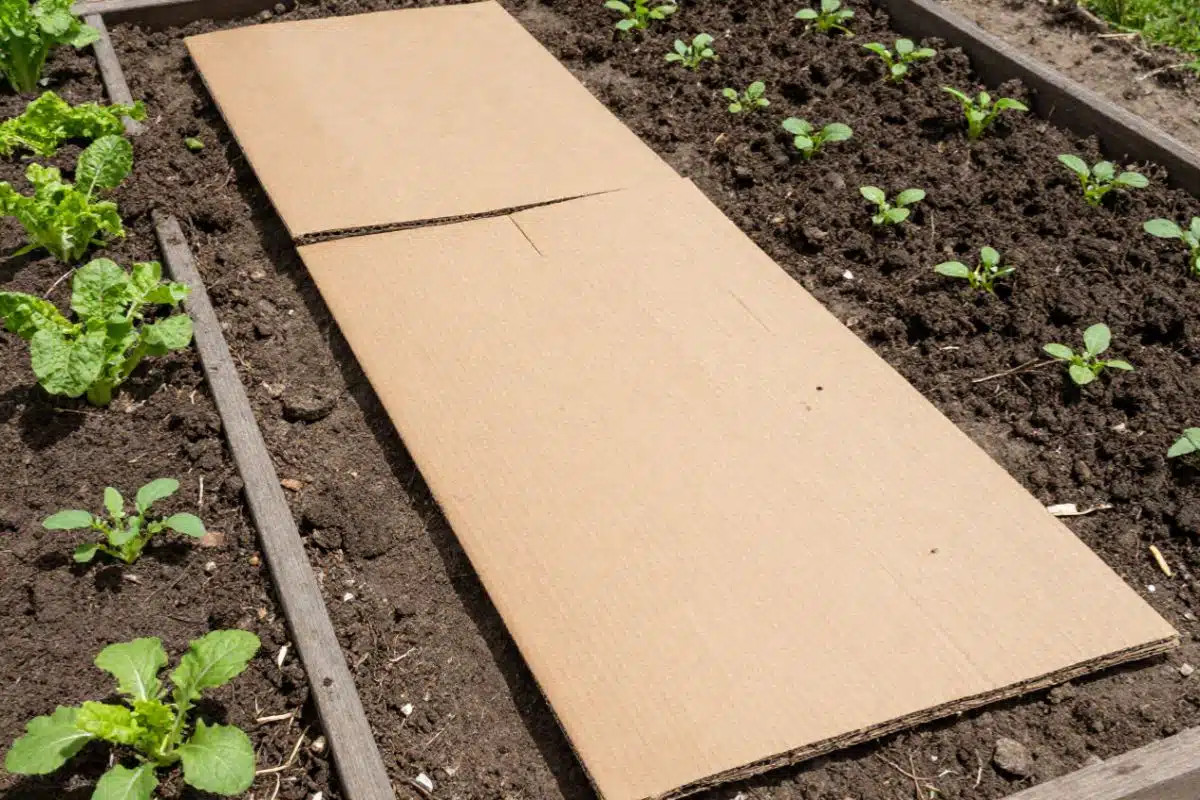
Instead of using landscape fabric, many gardeners are now turning to cardboard or thick layers of newspaper as a simple, eco-friendly weed barrier. These materials block sunlight just as effectively, helping prevent weed growth while naturally breaking down over time and improving soil quality. Cardboard is especially popular for new garden beds because it smothers existing grass and weeds when layered properly and topped with mulch. Unlike synthetic fabric, it doesn’t leave behind plastic residue and can be easily replaced each season if needed.
Spot-Treat with Vinegar Solutions

Household vinegar can be used as a natural weed treatment for small problem areas. The acidity helps dry out leaves and weaken the plant over time. It works best on young weeds and sunny days when the solution can dry quickly. Many gardeners use it for walkways and patio edges where weeds pop up frequently.
Keep Lawns Thick and Healthy
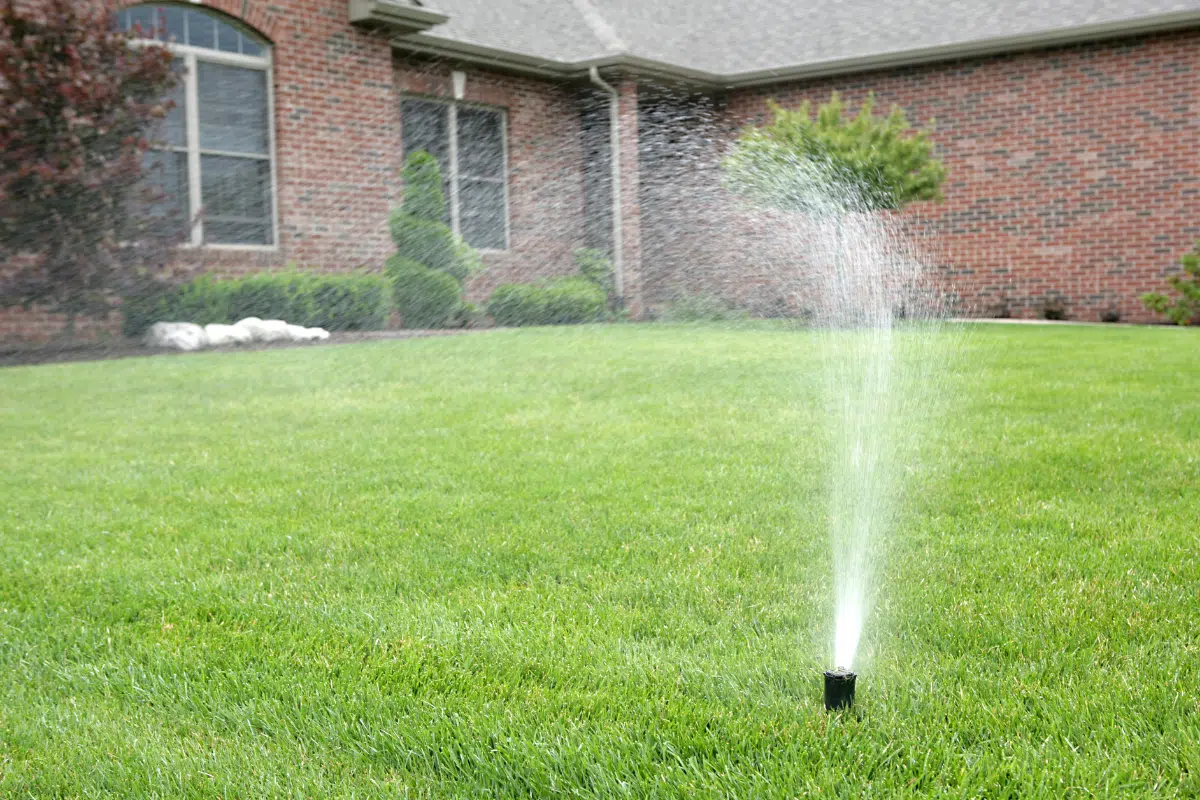
A dense, healthy lawn naturally crowds out weeds by limiting the space they need to grow. Regular mowing, proper watering, and seasonal fertilizing all help grass stay strong. Overseeding thin patches can also prevent weeds from taking over bare soil. A well-maintained lawn is one of the best long-term weed prevention strategies.
Use Edging Around Garden Beds
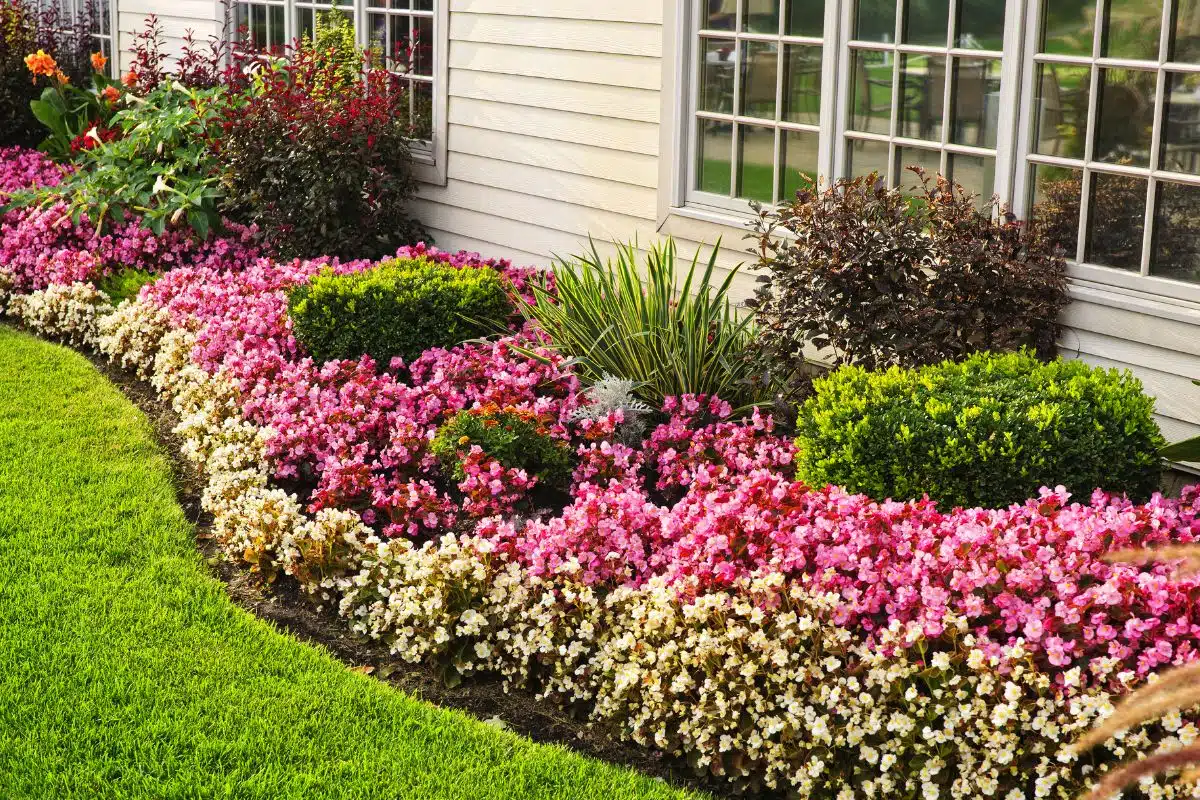
Installing edging creates a physical barrier that helps stop grass and weeds from creeping into flower beds. Materials like stone, metal, or plastic edging can clearly separate lawn from garden areas. This not only improves appearance but also makes maintenance easier. It reduces the need for constant trimming and pulling along borders.
Remove Weeds Before They Seed
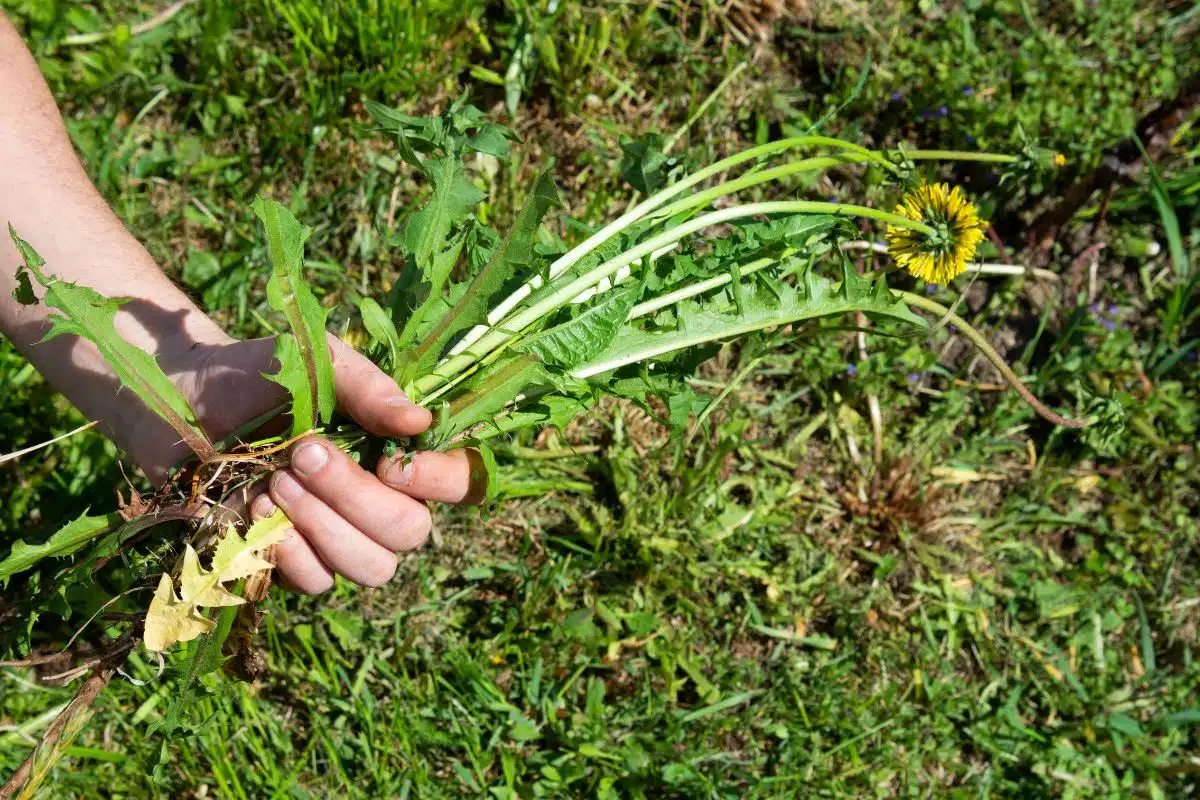
The best time to deal with weeds is before they spread. Once weeds go to seed, they can quickly multiply and create a much larger problem. Regular checks and quick removal can save hours of future work. Staying consistent is far easier than dealing with an overgrown yard later.
Use Ground Cover Plants
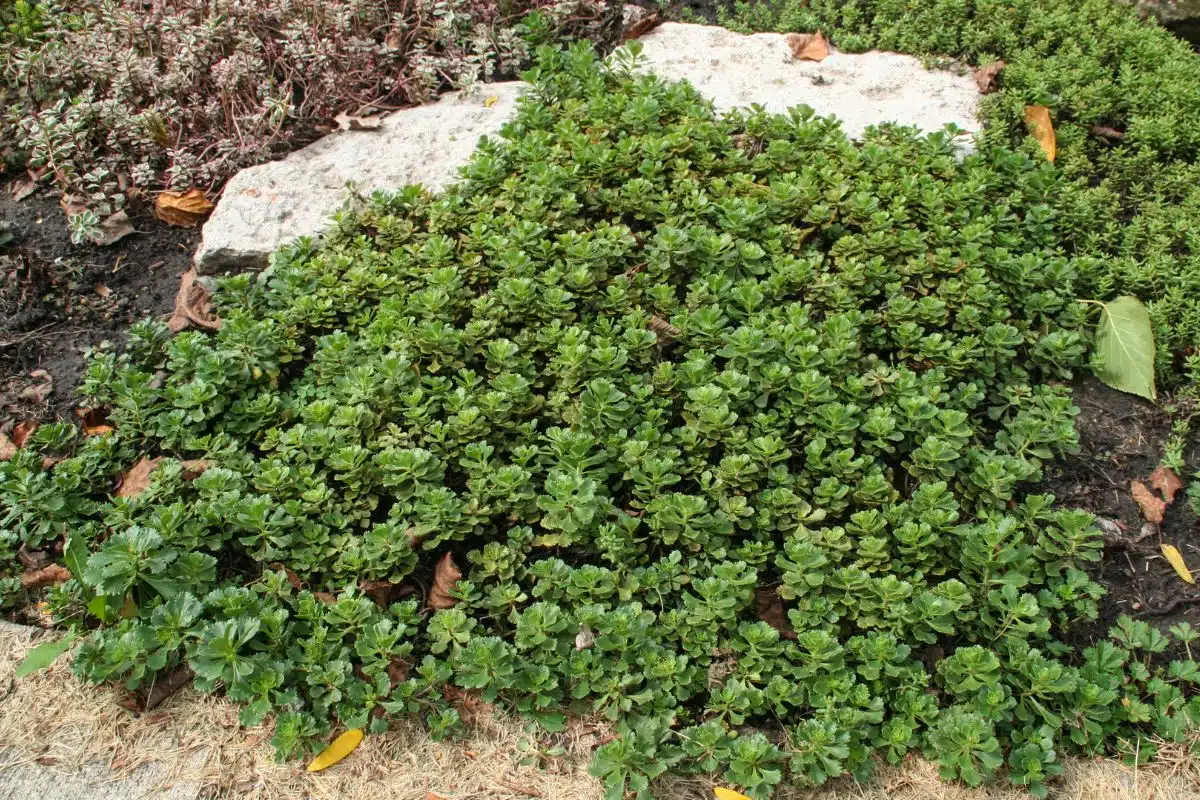
Ground cover plants like creeping thyme or clover help fill empty spaces where weeds would normally grow. They spread naturally and create a living barrier that blocks sunlight from reaching weed seeds. Many gardeners are using them as a low-maintenance alternative to bare soil. They also add beauty and texture to landscaping while reducing upkeep.
This post may contain affiliate links or sponsored content. Disclosure Policy