7 Easy Ways to Make a Small Kitchen Feel Bigger
You don’t need to knock down walls or spend thousands on a renovation to make a kitchen feel larger. In many cases, the biggest improvements come from reducing visual clutter, improving lighting, and making better use of the space you already have. Designers often rely on simple tricks that help rooms feel brighter, more open, and easier to navigate without changing the actual footprint. These small updates can make even a compact kitchen feel noticeably more spacious and inviting.
Swap Bulky Hardware for Sleeker Designs
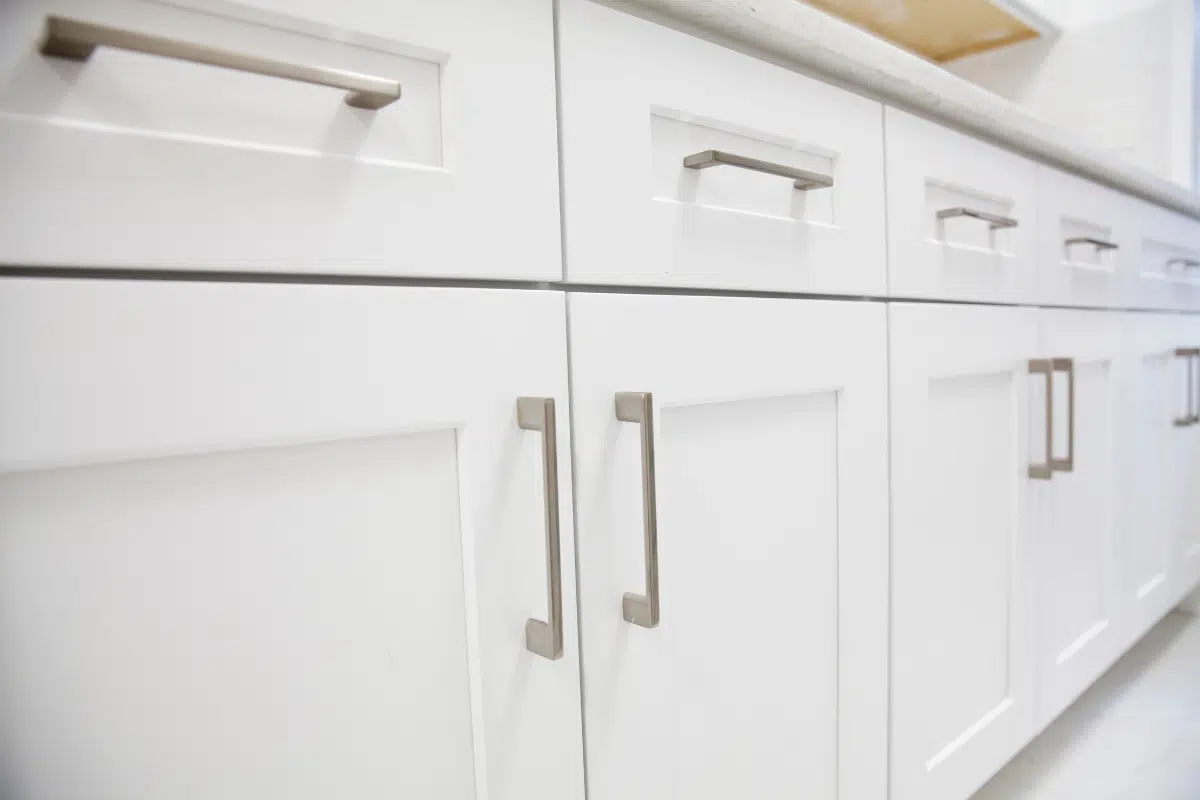
Cabinet hardware may seem like a minor detail, but it has a surprising impact on how a kitchen feels. Large, ornate pulls can create visual clutter, especially in smaller spaces. Replacing them with slim, streamlined hardware creates a cleaner look that allows cabinetry to blend more seamlessly into the room. Brushed metal, matte finishes, and simple profiles remain popular choices because they feel modern without overwhelming the space.
Clear the Counters and Create Breathing Room
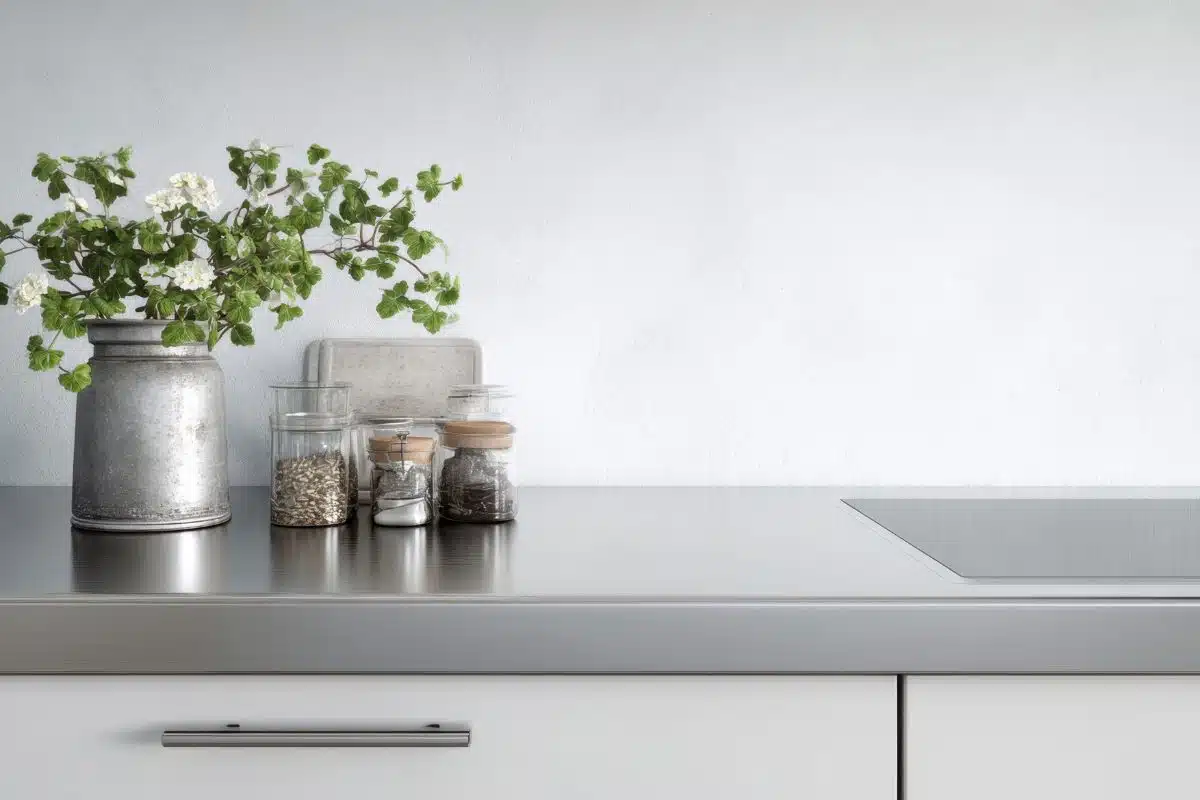
Countertop clutter can make even a reasonably sized kitchen feel cramped. Appliances, decorative items, mail, and miscellaneous kitchen tools quickly consume valuable visual space. Keeping only the items you use daily on display creates cleaner sightlines and makes the room feel larger almost instantly. Even freeing up a few feet of counter space can have a dramatic effect on the overall appearance of the kitchen.
Replace One Upper Cabinet With Open Storage
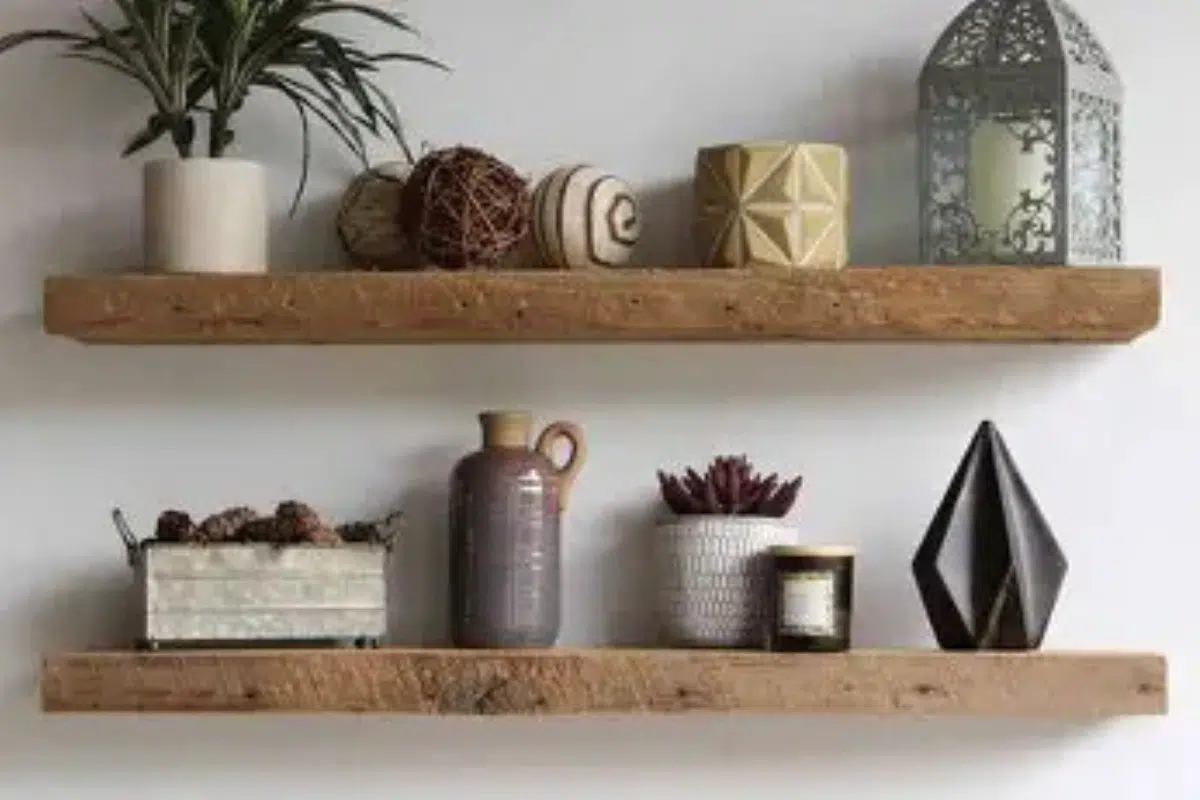
You don’t need to remove all your upper cabinets to benefit from a more open look. Replacing just one section with floating shelves can break up a wall of cabinetry and create a greater sense of depth. The key is keeping the shelves organized with a limited number of dishes, glassware, or decorative items. Too much clutter can quickly eliminate the effect you’re trying to achieve.
Introduce Reflective Surfaces
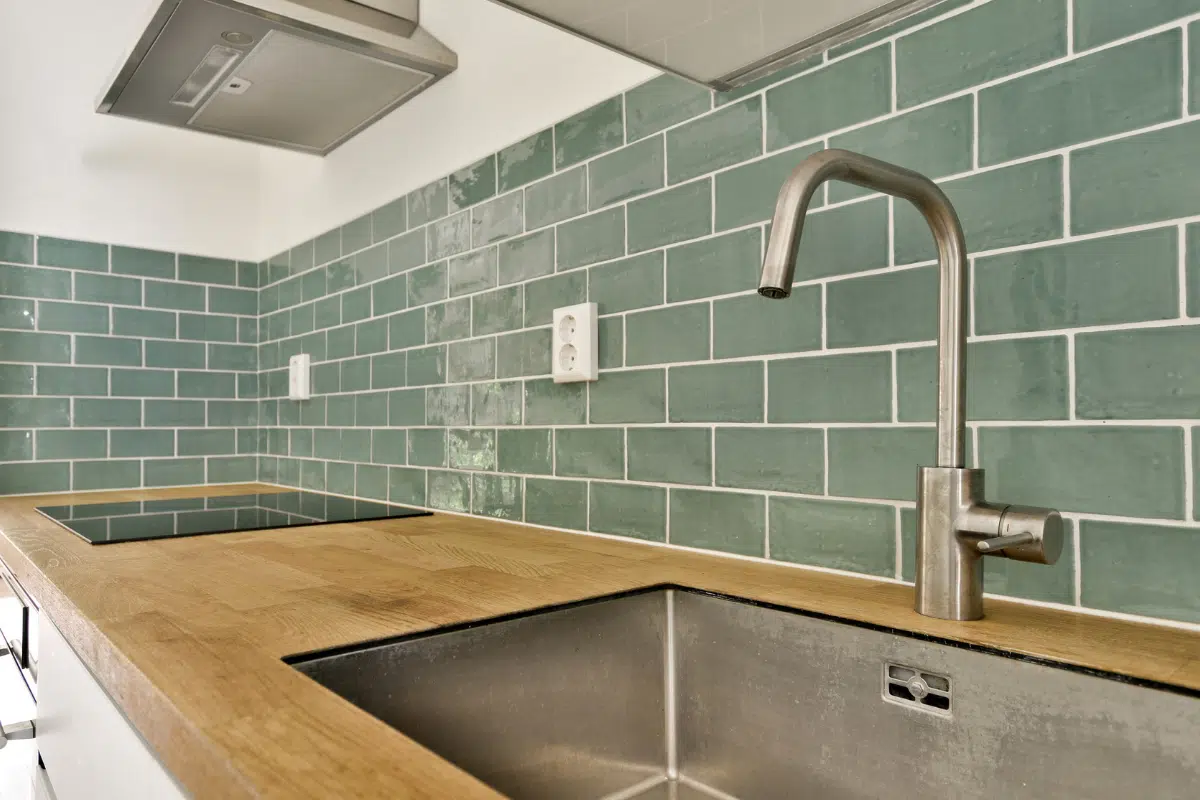
Reflective finishes help bounce light throughout a room, creating the illusion of additional space. Glossy backsplashes, glass cabinet inserts, stainless steel accents, and even decorative mirrors can brighten the kitchen and make walls appear farther apart. The effect is particularly noticeable in kitchens with limited natural light. Small reflective touches often have a bigger impact than homeowners expect.
Create More Visual Floor Space
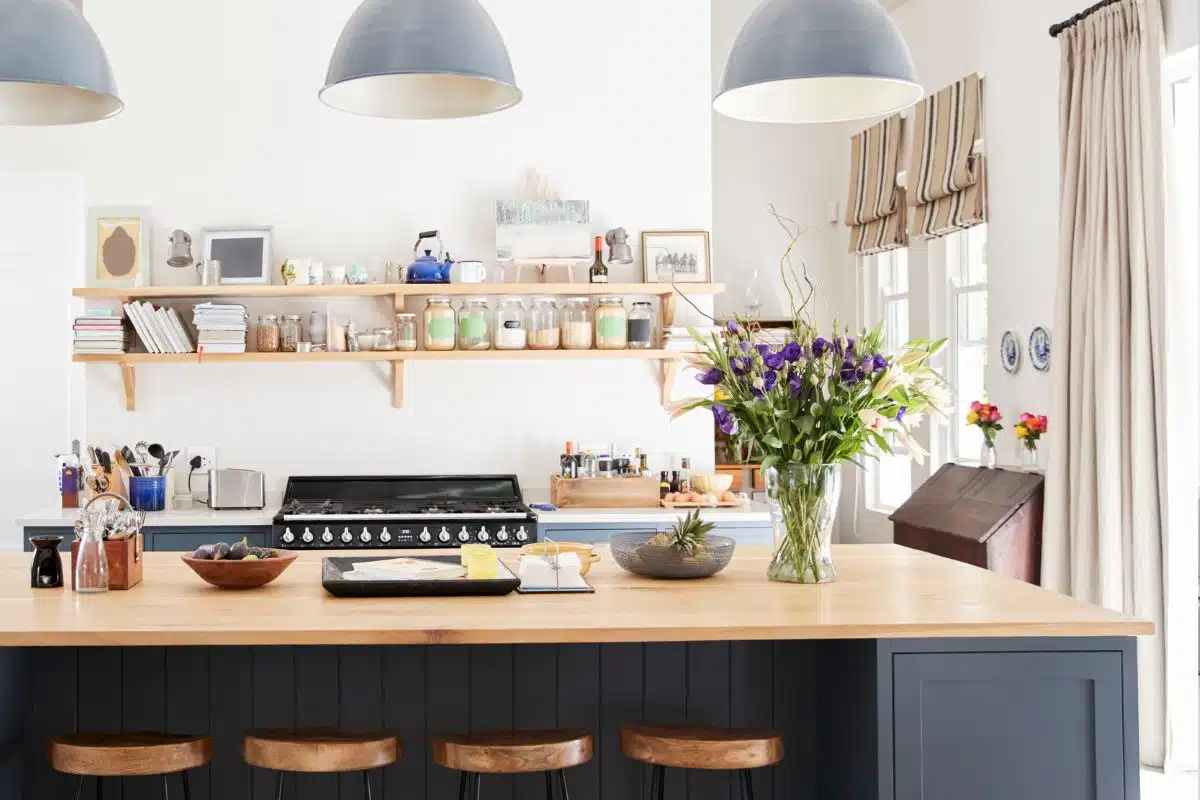
One of the easiest ways to make a kitchen feel larger is to reveal more of the floor. Bulky rolling carts, oversized trash cans, unused stools, and rarely used storage pieces can make pathways feel crowded. Removing or relocating just one or two items often improves traffic flow and opens up sightlines. When more flooring is visible, the entire room tends to feel more spacious.
Stick to a Cohesive Color Scheme

Lighting plays a major role in how large a room feels. Under-cabinet lighting, battery-powered puck lights, and LED light strips can eliminate shadows that make kitchens appear smaller. Bright, evenly distributed light helps define workspaces while making corners feel less enclosed. This simple update often delivers results far beyond its relatively low cost.
Stick to a Cohesive Color Scheme
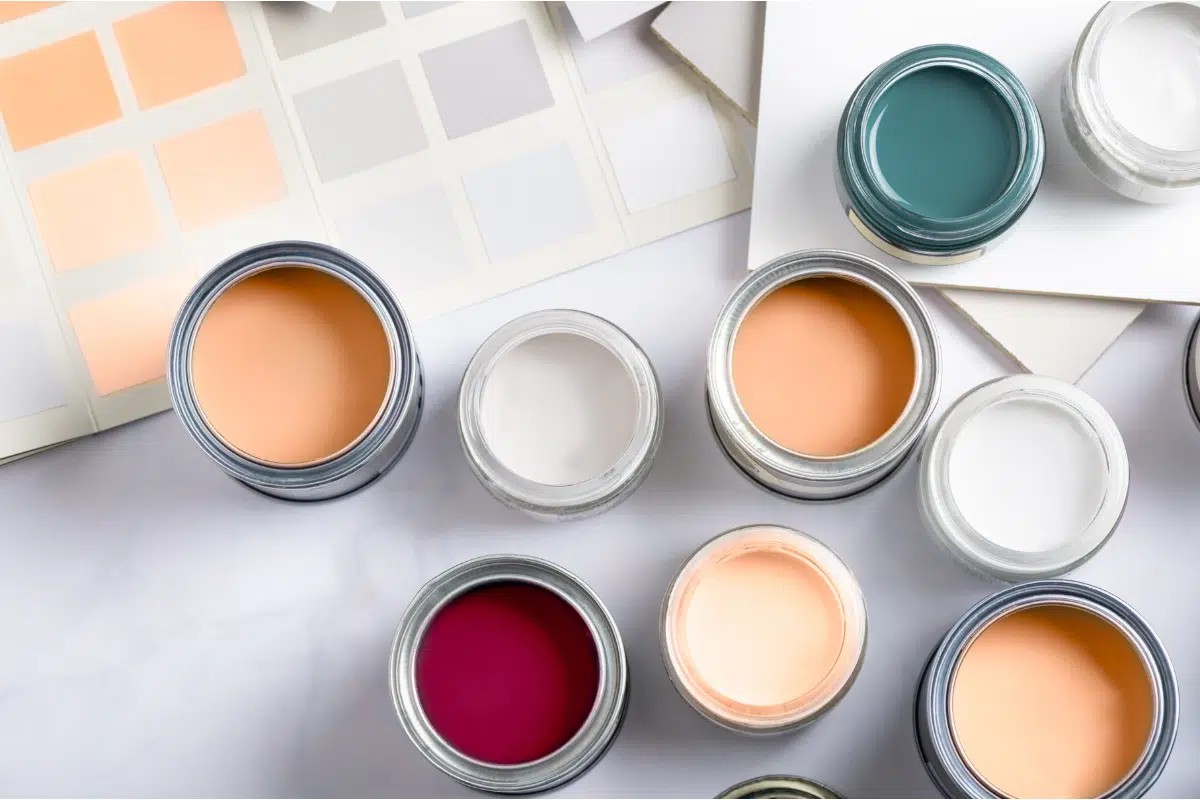
Too many contrasting colors can make a small kitchen feel busy and fragmented. Limiting the space to two or three complementary shades creates a sense of continuity that helps the room feel calmer and larger. Soft neutrals, warm whites, natural wood tones, and muted accent colors remain popular because they work well together without competing for attention. Consistency helps the eye move smoothly through the space rather than stopping at every color change.
This post may contain affiliate links or sponsored content. Disclosure Policy