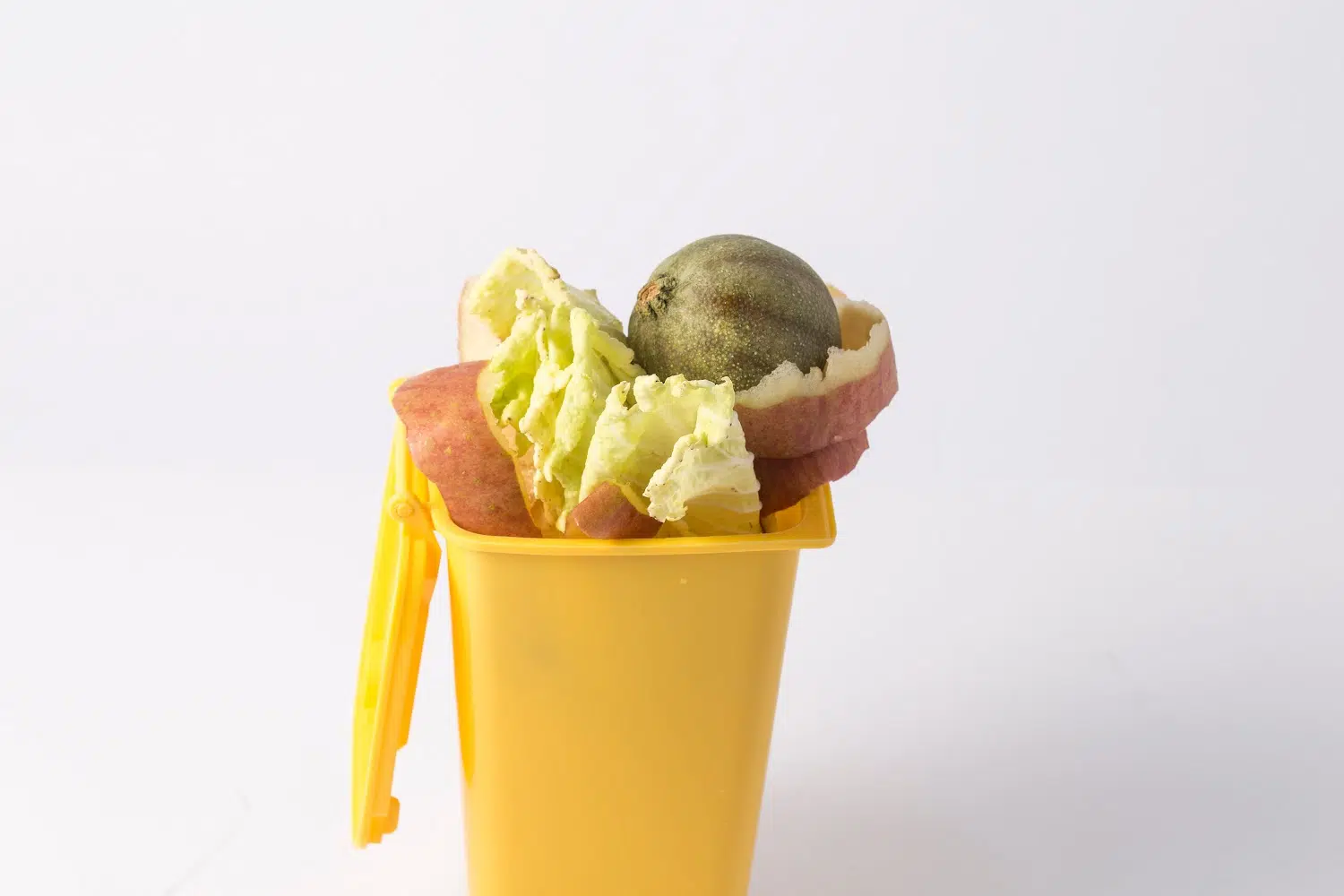
7 Freezer Mistakes That Can Make Your Food Go Bad Sooner
Freezers are one of the most useful tools in the kitchen, helping households save money, reduce food waste, and make meal planning easier. But simply tossing food into the freezer isn’t enough to preserve quality. Small mistakes can leave food dry, flavorless, difficult to use, or even unsafe to eat. Whether you’re freezing leftovers, bulk grocery purchases, or meal-prep staples, avoiding these common freezer mistakes will help your food stay fresher, taste better, and last longer.
Using Packaging That Isn’t Designed for Freezing
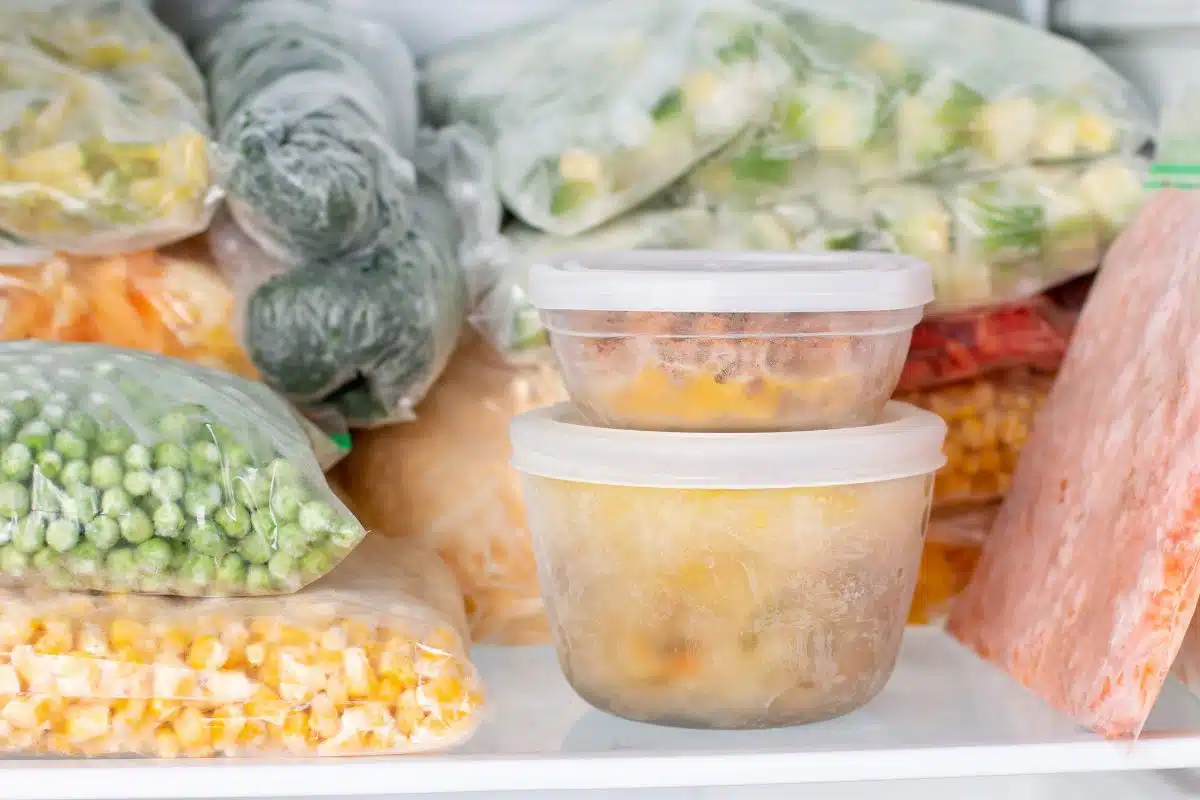
Not all food containers and storage bags are created equal. Thin plastic bags, takeout containers, and loosely wrapped packages allow air to reach the food, which increases the risk of freezer burn and moisture loss. Investing in freezer-safe bags, airtight containers, or reusable silicone storage options can significantly extend the life and quality of frozen foods. Removing as much air as possible before sealing is one of the easiest ways to protect flavor and texture.
Forgetting to Label What Goes Into the Freezer
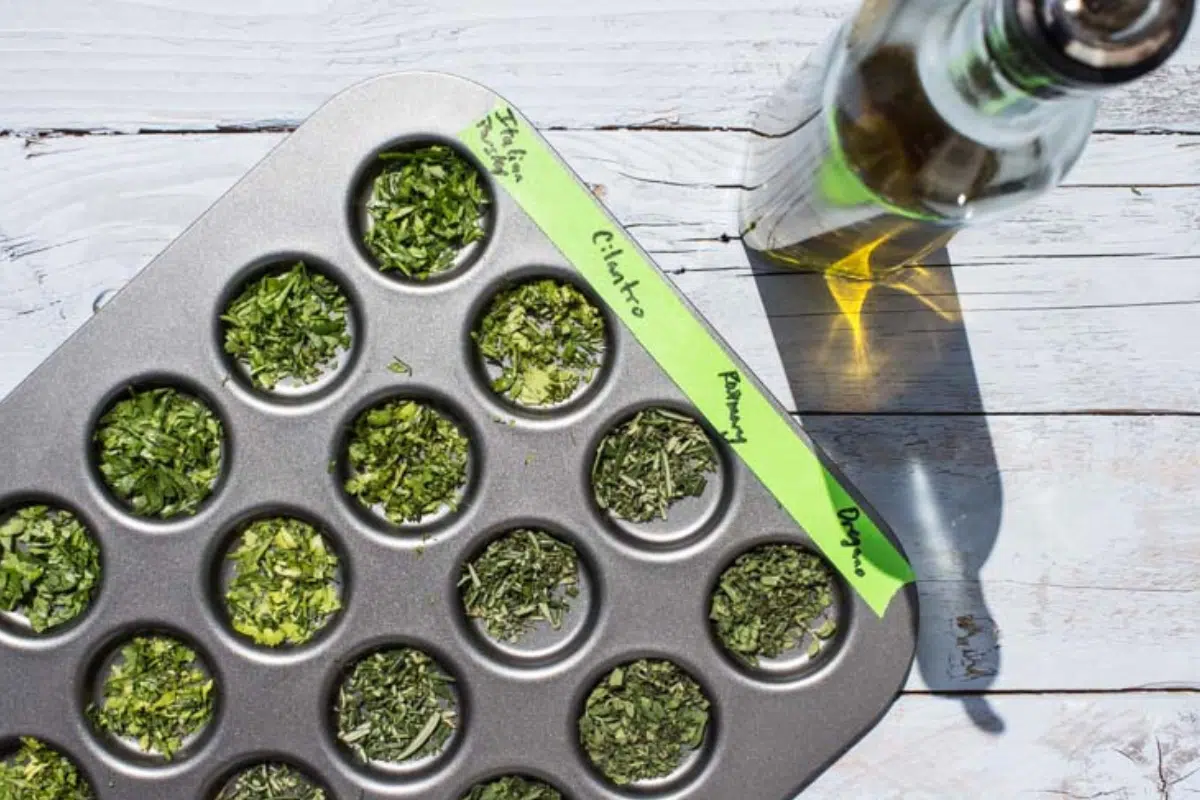
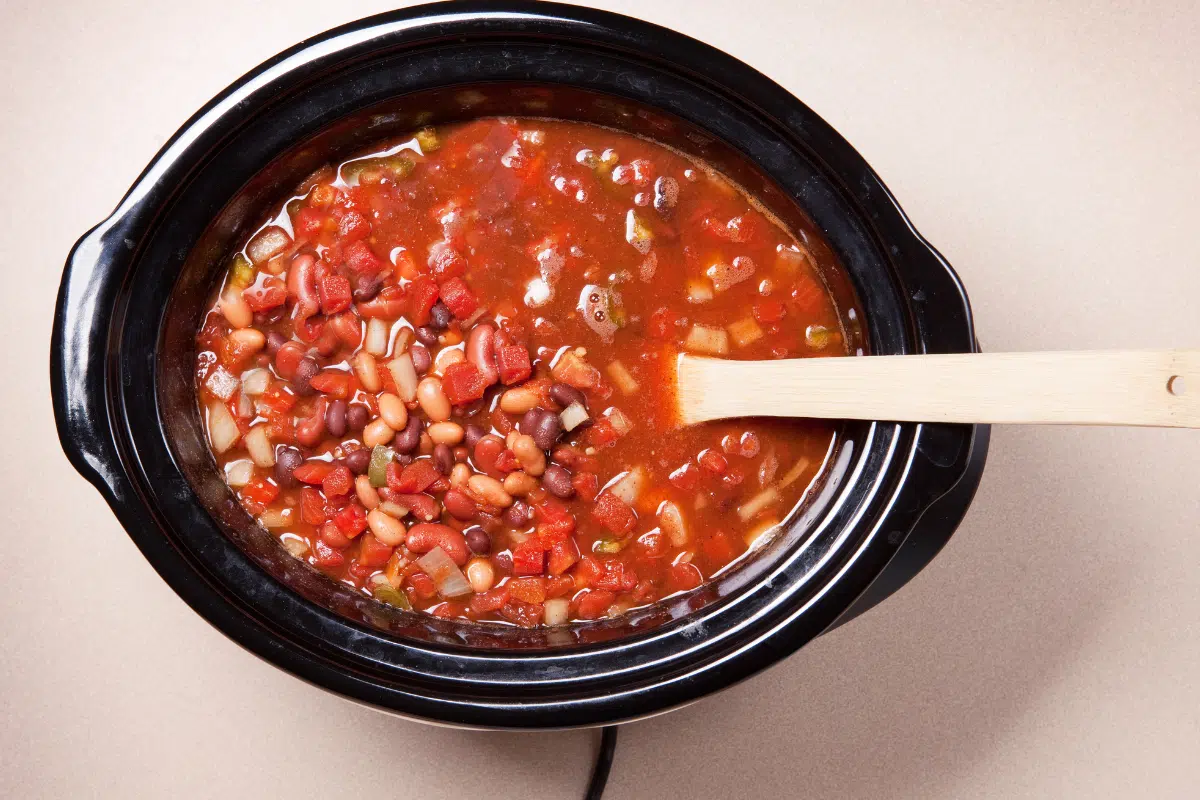
Most frozen foods look surprisingly similar after a few weeks. A container of chili can easily be mistaken for pasta sauce, and cooked chicken can resemble pulled pork once frozen solid. Adding a simple label with the contents and freezing date helps prevent waste, reduces guesswork, and ensures older items get used before newer ones. A permanent marker and a few seconds of effort can save both food and money later.
Freezing Food While It’s Still Hot
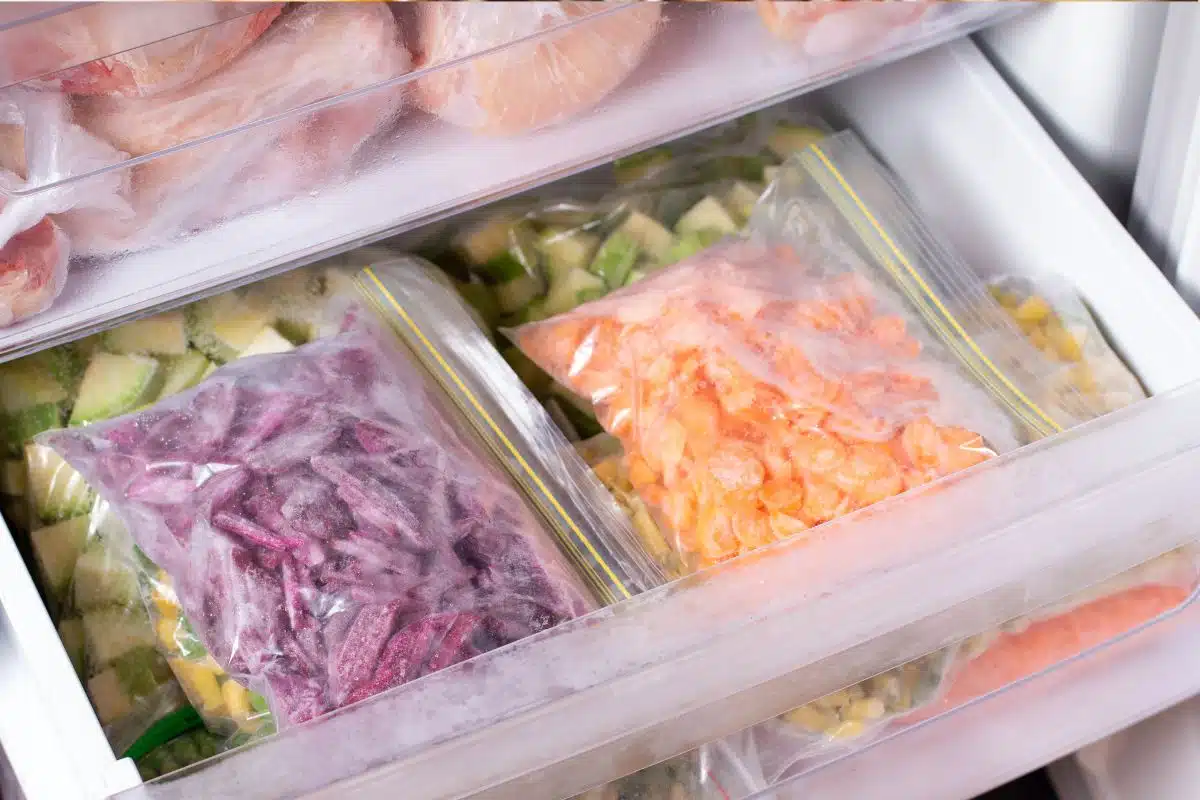
Many people place steaming leftovers directly into the freezer to save time, but doing so can create several problems. Hot food raises the temperature inside the freezer, potentially affecting nearby items and forcing the appliance to work harder. It can also create excess condensation that turns into ice crystals inside containers. Allow food to cool first, then refrigerate briefly if needed before transferring it to the freezer.
Ignoring Foods That Don’t Freeze Well
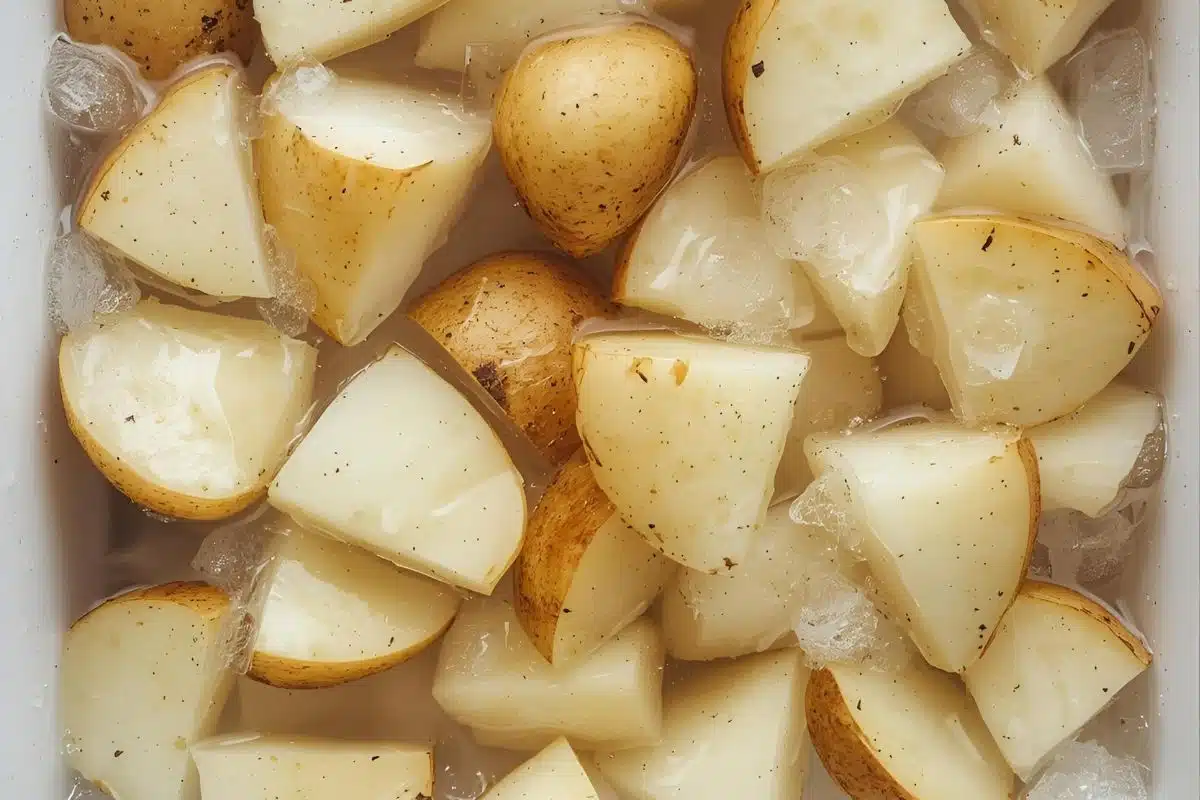
While many foods freeze beautifully, others undergo dramatic texture changes once thawed. Lettuce, cucumbers, watermelon, cream-based sauces, and certain soft cheeses often become watery or grainy after freezing. Understanding which foods freeze successfully—and which are best enjoyed fresh—can prevent disappointment and unnecessary waste. In some cases, cooking or blanching foods before freezing improves results significantly.
Constantly Thawing and Refreezing Food
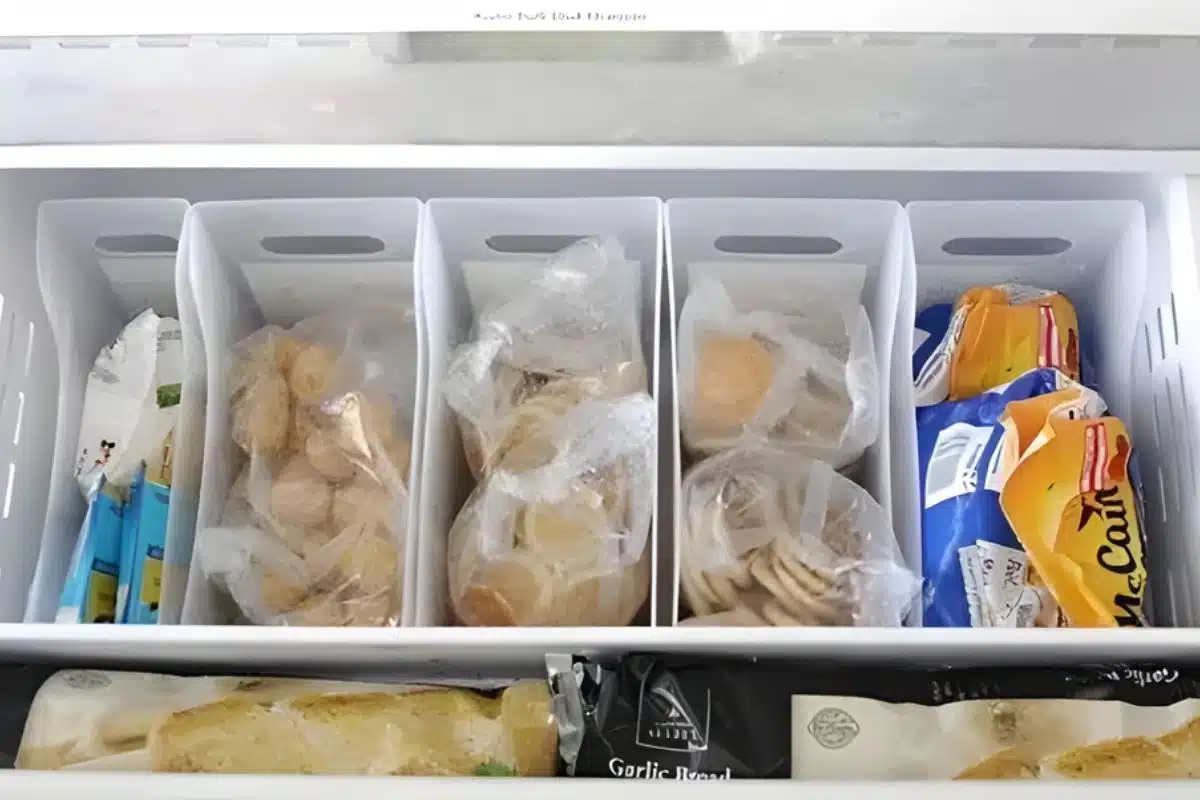
Repeated temperature changes take a toll on both food quality and food safety. Every thaw-and-refreeze cycle can cause moisture loss, leading to tougher meats, mushier vegetables, and diminished flavor. If food has been thawed safely in the refrigerator, it can often be refrozen, but the quality may suffer. Dividing foods into smaller portions before freezing helps avoid thawing more than you actually need.
Treating the Freezer Like a Long-Term Storage Vault
Freezing slows spoilage, but it doesn’t stop quality changes forever. Over time, frozen foods gradually lose flavor, texture, and freshness even when stored properly. Ground meats, prepared meals, vegetables, and baked goods all have different ideal storage windows. Rotating older foods to the front and using them regularly helps prevent a freezer full of forgotten items that no one wants to eat.
Freezing Large Portions Instead of Meal-Sized Amounts
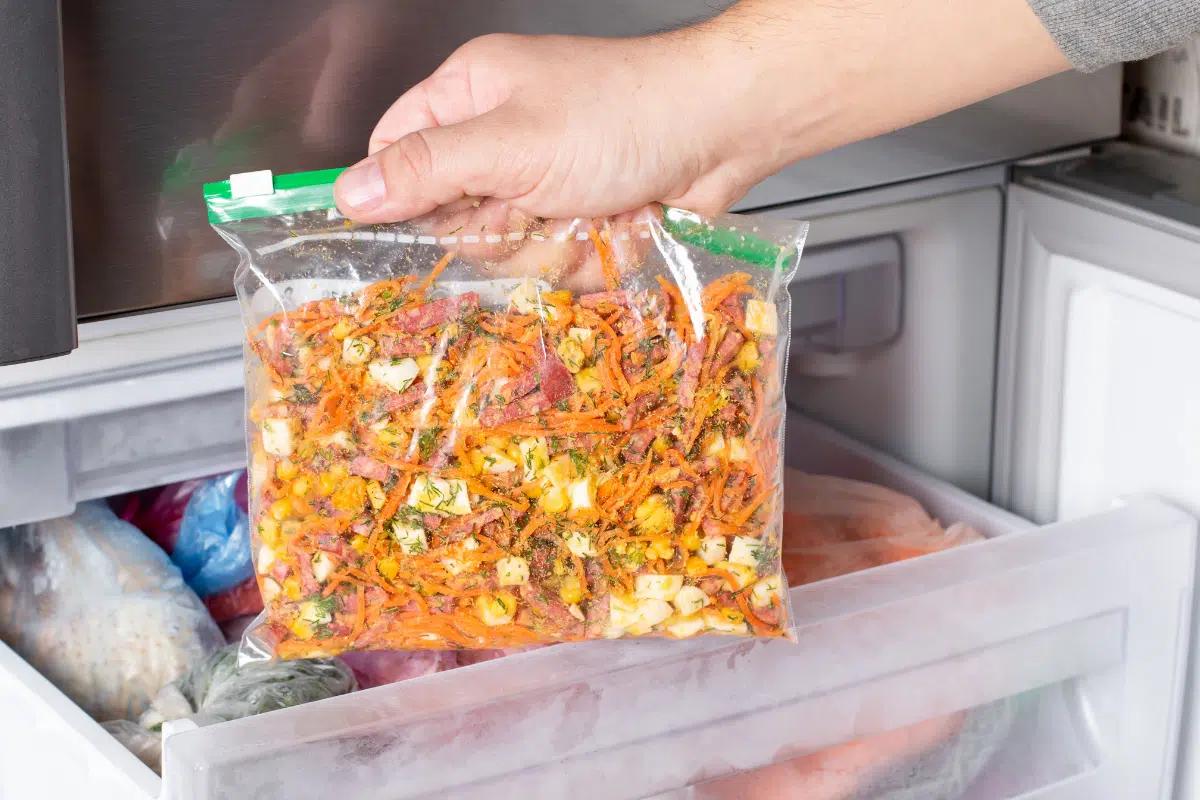
Freezing an entire batch of soup, shredded chicken, or pasta sauce in one large container may seem convenient initially, but it often creates problems later. Large frozen blocks take longer to thaw and frequently require using more food than needed. Dividing foods into meal-sized portions makes weeknight cooking easier, speeds thawing, and helps reduce waste. It also allows family members to grab exactly what they need without defrosting an oversized container.
This post may contain affiliate links or sponsored content. Disclosure Policy