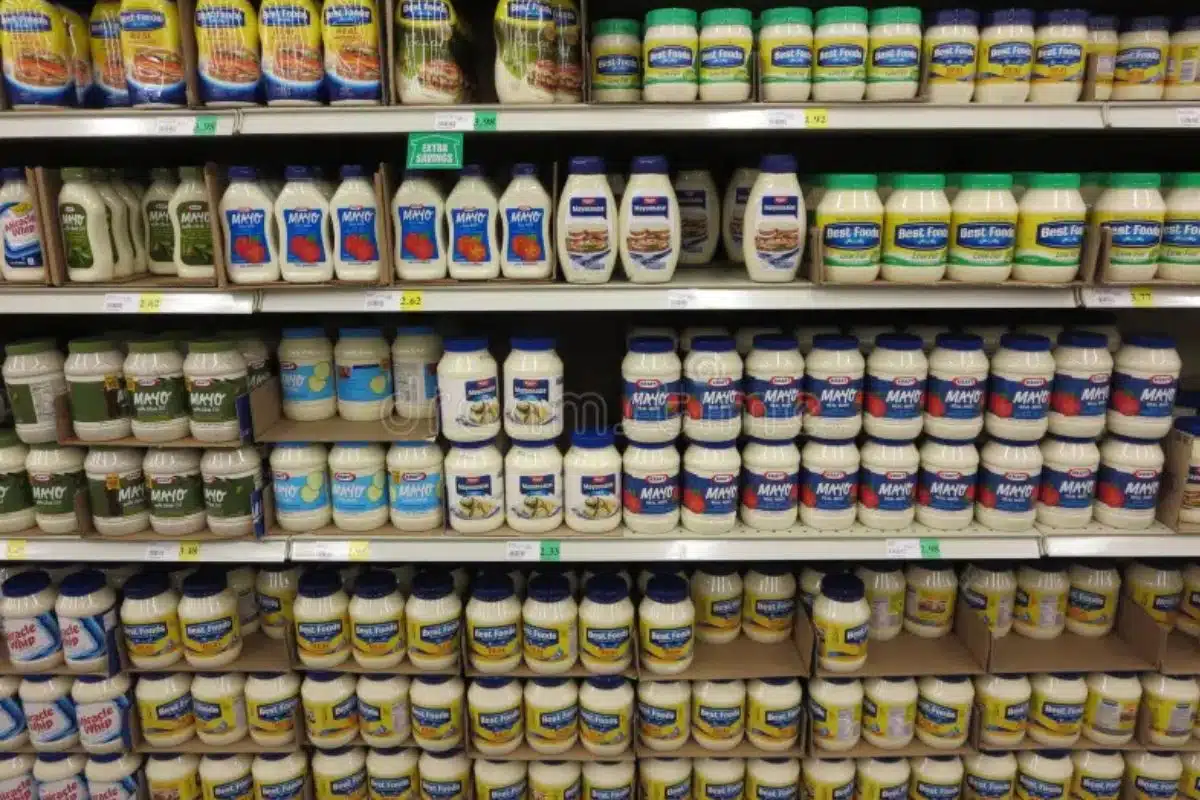
7 Easy Ways to Spend Less on Groceries Without Sacrificing Flavor
Grocery prices continue to fluctuate, but eating well doesn’t have to mean spending more. Small changes in how you shop, cook, and store food can add up to significant savings while still producing meals your family enjoys. The key is focusing on value rather than simply choosing the lowest-priced items. These practical strategies can help you stretch your grocery budget without making dinner feel like a compromise.
Plan Meals Around Weekly Sales
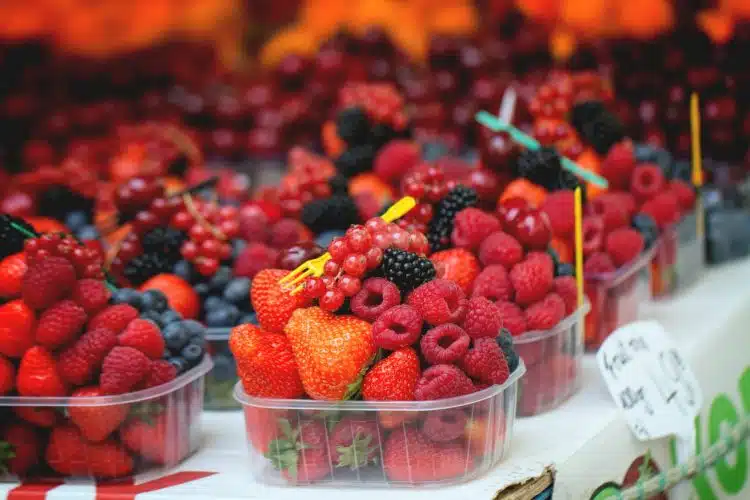
Instead of deciding what to cook first and shopping second, reverse the process by checking weekly grocery ads before planning your menu. Build meals around discounted proteins, seasonal produce, and pantry staples that are on sale that week. If chicken, ground turkey, or pork is deeply discounted, plan several meals that use those ingredients in different ways. This simple habit can noticeably reduce your grocery bill over time.
Buy Pantry Staples in Bulk

Buying larger packages of foods you use regularly can lower the cost per serving. Rice, oats, pasta, dried beans, flour, and nuts often provide the biggest savings when purchased in bulk or warehouse-size packages. Store them in airtight containers to keep them fresh and prevent waste. Skip bulk purchases on foods your family rarely eats or items that spoil quickly.
Fill Your Freezer With Homemade Meals
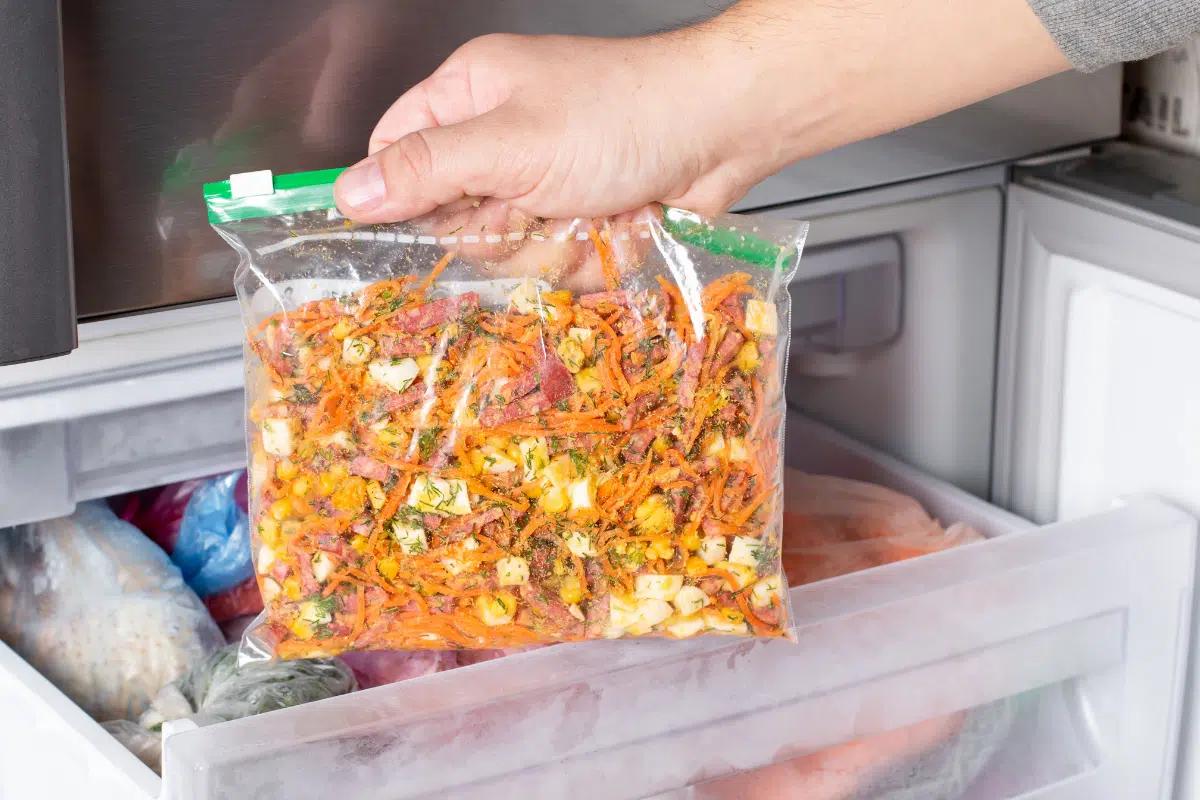
Cooking extra portions is one of the easiest ways to save both time and money. Soups, chili, pasta sauce, shredded chicken, meatballs, casseroles, and cooked grains all freeze well for future meals. Keeping homemade freezer meals on hand also reduces the temptation to order takeout on busy evenings. Label containers with the contents and date so they’re easy to find later.
Give Leftovers a Second Life

Leftovers don’t have to feel repetitive when they’re transformed into something new. Roast chicken can become tacos, wraps, soup, or chicken salad, while leftover vegetables work well in omelets, fried rice, grain bowls, or pasta dishes. Even stale bread can become homemade croutons, breadcrumbs, or French toast. Thinking creatively helps reduce food waste while stretching every grocery purchase.
Try More Store Brands

Many store-brand products are produced by the same manufacturers that make national brands, making them an excellent value. Pantry staples such as canned vegetables, frozen fruit, pasta, flour, spices, dairy products, and baking ingredients often taste nearly identical while costing significantly less. Experiment with a few store-brand products each shopping trip to find new favorites. The savings can add up quickly over the course of a year.
Let Herbs and Spices Do the Heavy Lifting

Simple ingredients become much more interesting with the right seasonings. Garlic powder, onion powder, smoked paprika, cumin, oregano, Italian seasoning, chili powder, and black pepper can completely change the flavor of affordable proteins and vegetables. Building a well-stocked spice cabinet allows you to create a variety of cuisines without purchasing expensive specialty ingredients. Even basic meals feel fresh when the flavors change.
Store Food Properly to Reduce Waste
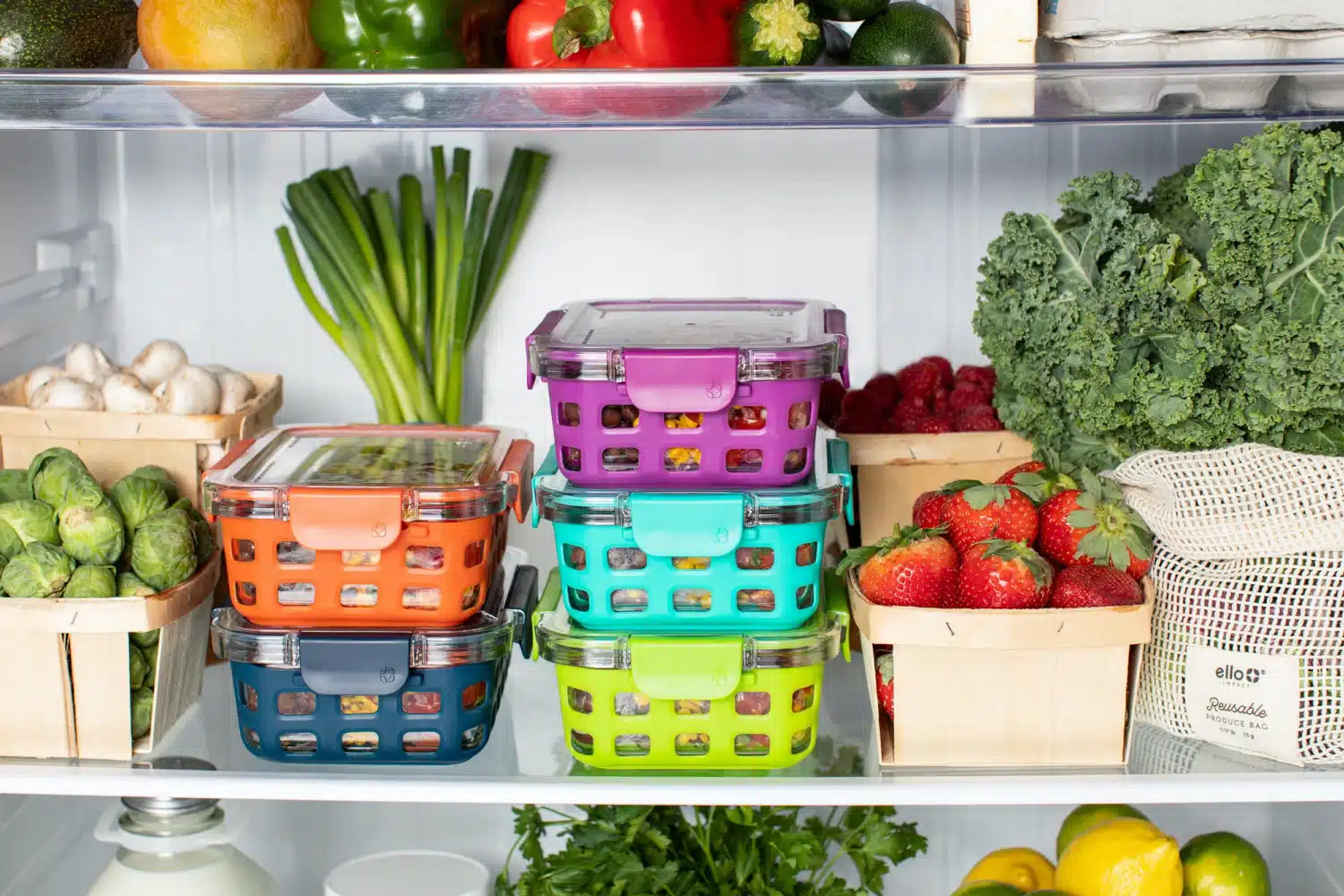
One of the easiest ways to save money is simply using the food you already bought. Store herbs in water like fresh flowers, keep leafy greens dry, freeze extra bread before it becomes stale, and refrigerate leftovers in clear containers where you’ll actually see them. Organizing your refrigerator so older items stay in front also encourages you to use them first. Reducing waste means getting the full value from every grocery trip.
This post may contain affiliate links or sponsored content. Disclosure Policy