6 Reasons Restaurant Portions Are Getting Smaller (And What It Means for You)
If you’ve noticed your favorite restaurant meals looking a little smaller lately, you’re not imagining it. Across the country, many restaurants are adjusting portion sizes as they respond to rising costs and changing customer habits. While the changes may seem subtle, they can affect value, pricing, and even how full you feel after a meal. Here are six common reasons restaurants are downsizing portions—and what it could mean for your next order.
Rising Food Costs
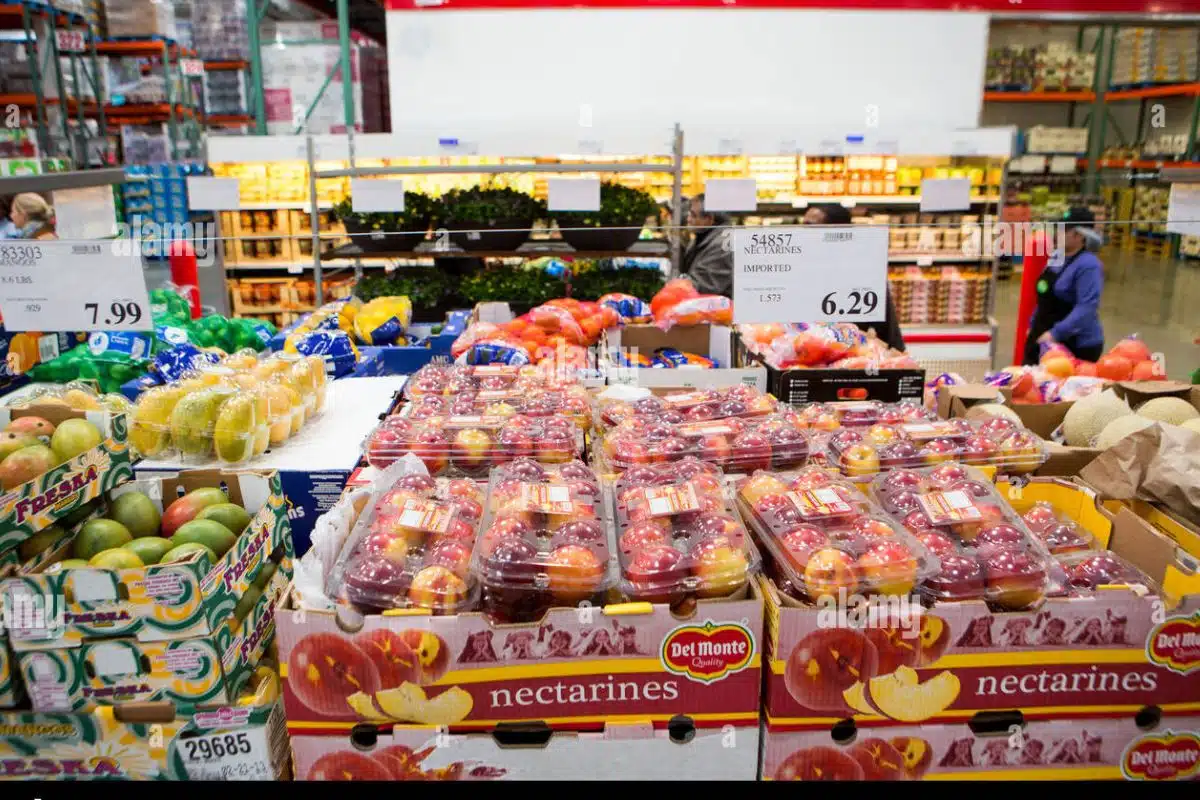
Ingredients have become more expensive in recent years, from produce and meat to dairy and cooking oils. When wholesale prices increase, restaurants often look for ways to control expenses. One strategy is slightly reducing portion sizes rather than dramatically raising menu prices. This helps businesses stay profitable while trying to keep menu costs competitive.
Inflation and Operating Expenses
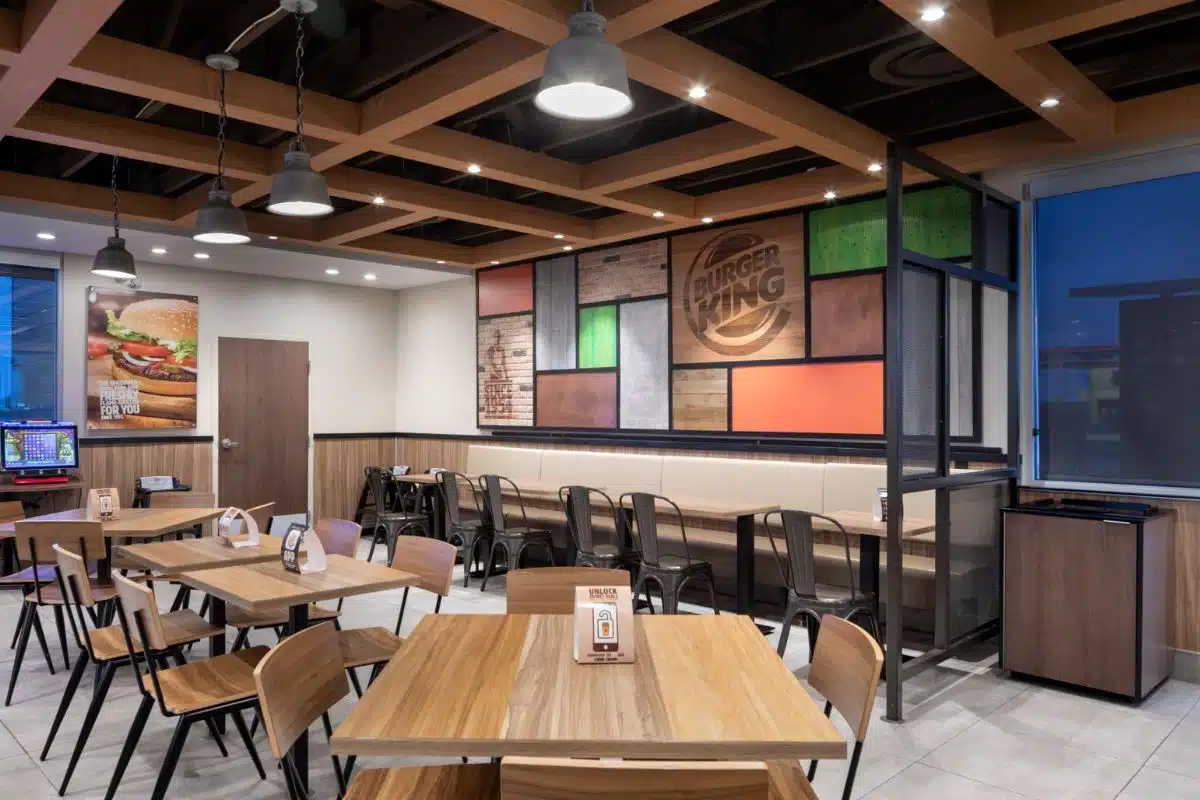
It’s not just food costs—labor, utilities, rent, and transportation expenses have also gone up. Restaurants operate on thin margins, so even small increases in overhead can have a big impact. Adjusting portions can help balance these rising costs. In many cases, it’s a way to maintain overall pricing stability for customers.
Changing Customer Preferences
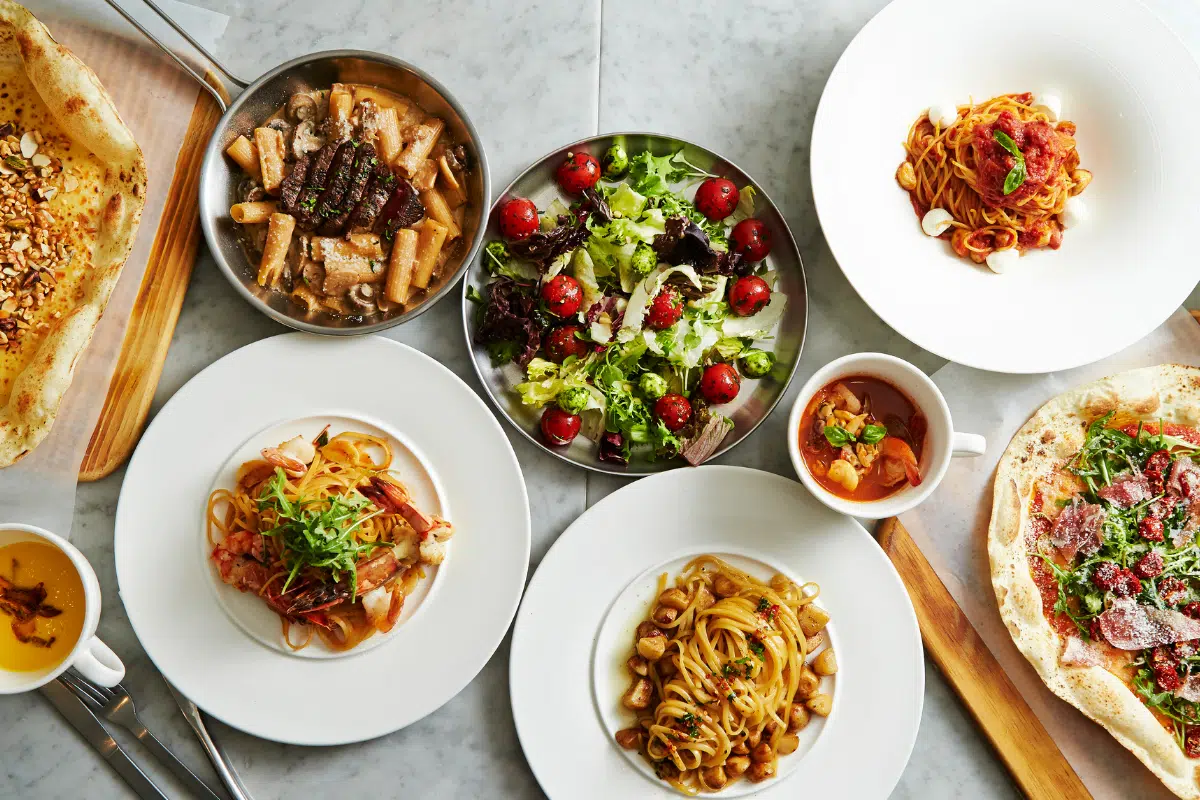
Today’s diners are more health-conscious and often prefer moderate portions. Many customers don’t want oversized meals that lead to food waste or overeating. Smaller servings can align better with these evolving preferences. Restaurants may be adapting to meet demand for lighter, more balanced options.
Reducing Food Waste
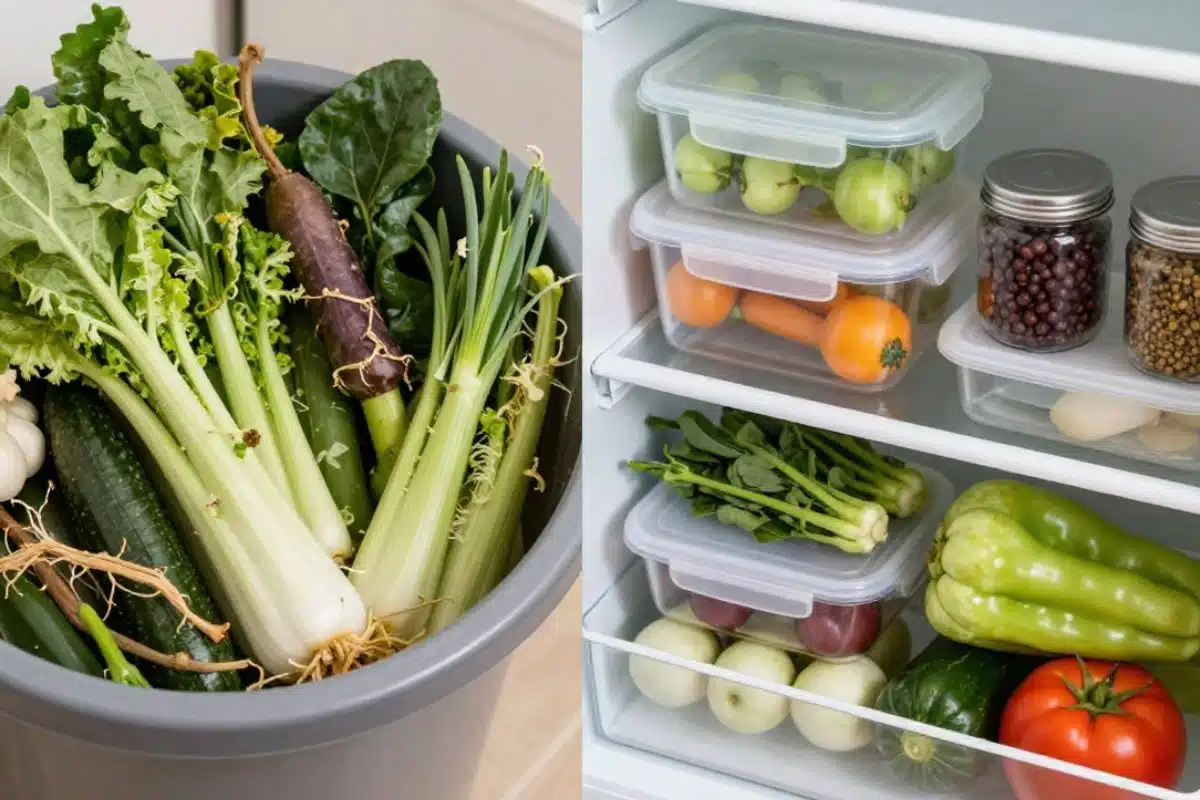
Food waste has become a growing concern for both environmental and economic reasons. Serving slightly smaller portions can help ensure more food gets eaten rather than thrown away. This benefits restaurants by reducing waste-related costs. It can also support sustainability goals many chains are working toward.
Menu Strategy and Pricing Perception

Restaurants carefully design menus to balance value and profitability. Instead of raising prices significantly, some may keep prices steady while trimming portion sizes. This approach can make meals appear more affordable at first glance. However, customers may notice the difference when comparing meals over time.
Focus on Upselling and Add-Ons
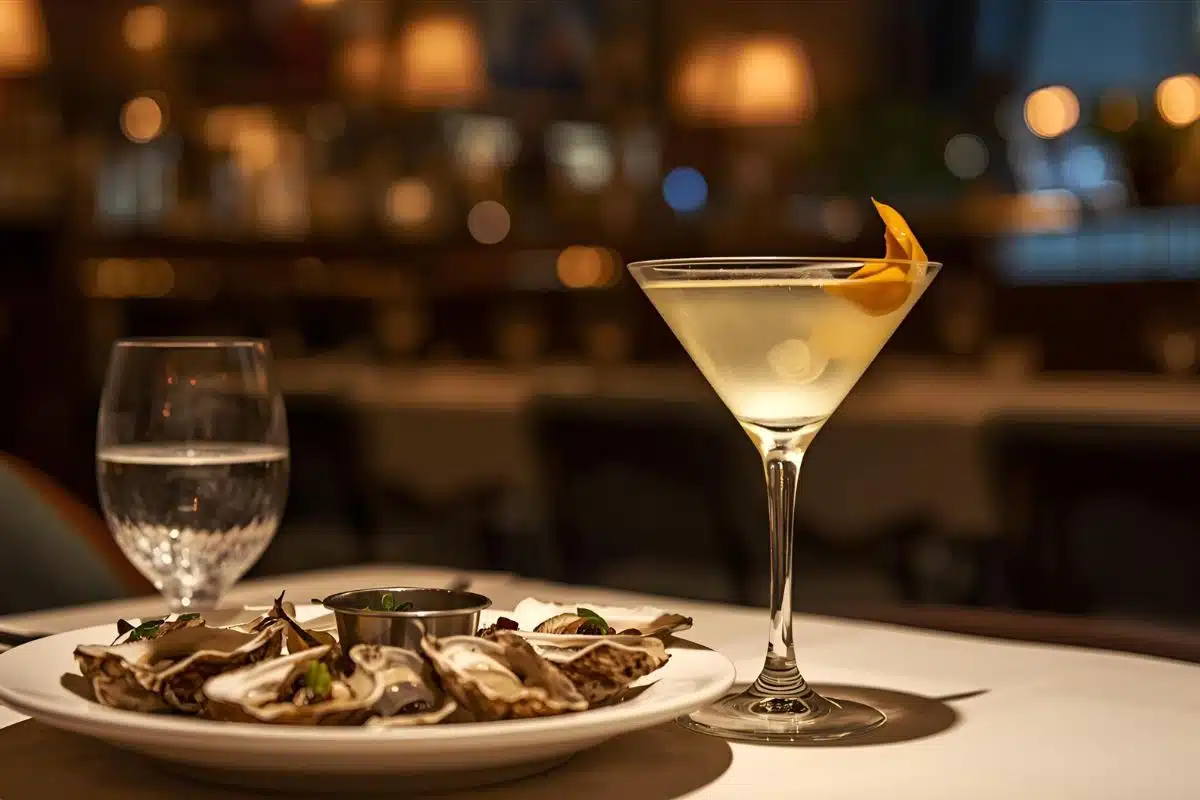
Smaller portions sometimes encourage customers to purchase sides, appetizers, or upgrades. Restaurants may rely more heavily on add-ons to increase overall order value. This can shift how meals are structured, with base portions acting as a starting point. Understanding this strategy can help you decide whether extras are worth the cost.
This post may contain affiliate links or sponsored content. Disclosure Policy