15 Grocery Shopping Habits That Can Drive Up Your Bill
A grocery bill can add up quickly, even when you feel like you’re making careful choices. Convenience foods, prepared items, attractive packaging, and in-store promotions can all make certain products seem like a good value when they may actually cost more than their basic ingredients. That doesn’t mean these purchases are always a mistake—sometimes paying extra for convenience is worth it when you’re short on time. But if you’re looking for ways to stretch your grocery budget, knowing which items tend to carry higher prices can help you decide where spending a little less makes sense.
Pre-Cut Fruits and Vegetables
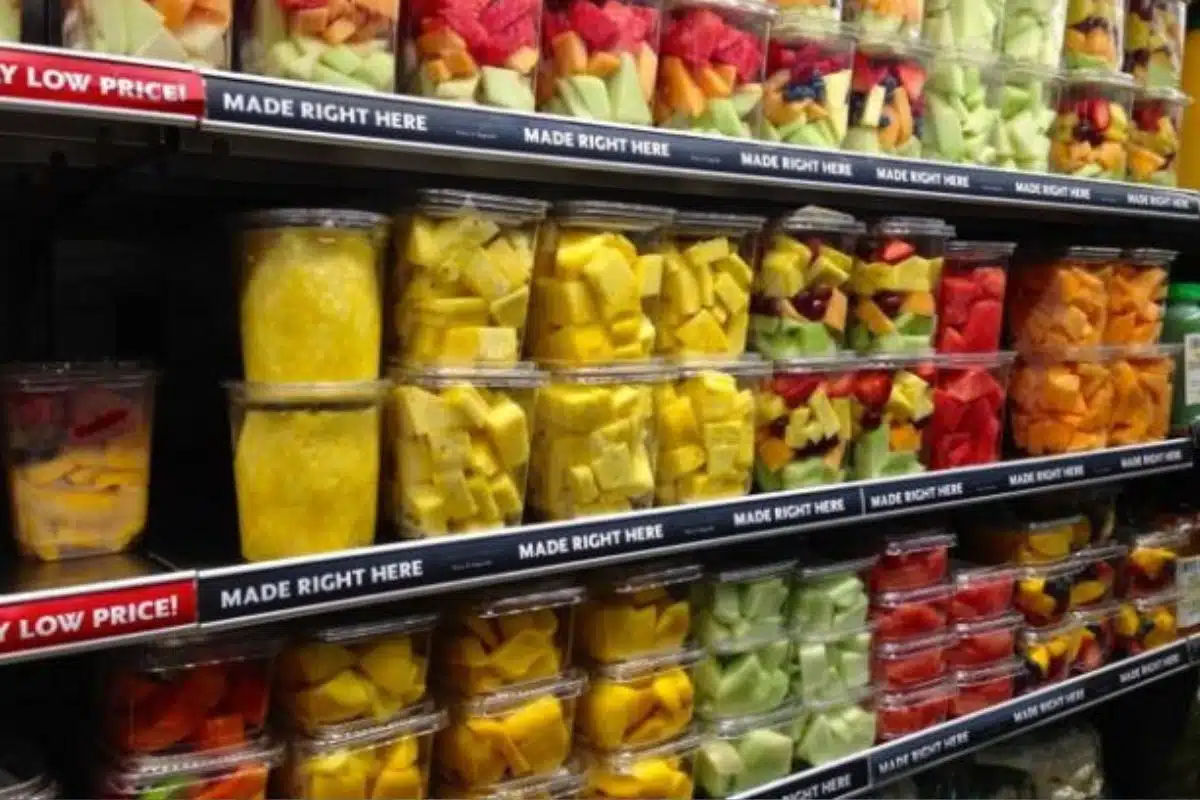
Pre-cut produce saves time, but that convenience often comes with a significant price increase. Sliced fruit, chopped vegetables, and ready-to-cook produce can cost substantially more than buying whole ingredients and preparing them yourself. In many cases, you’re paying extra for labor, packaging, and reduced shelf life. If you have a few minutes to spare, washing and cutting produce at home can make a noticeable difference in your grocery budget.
Bottled Water Packs
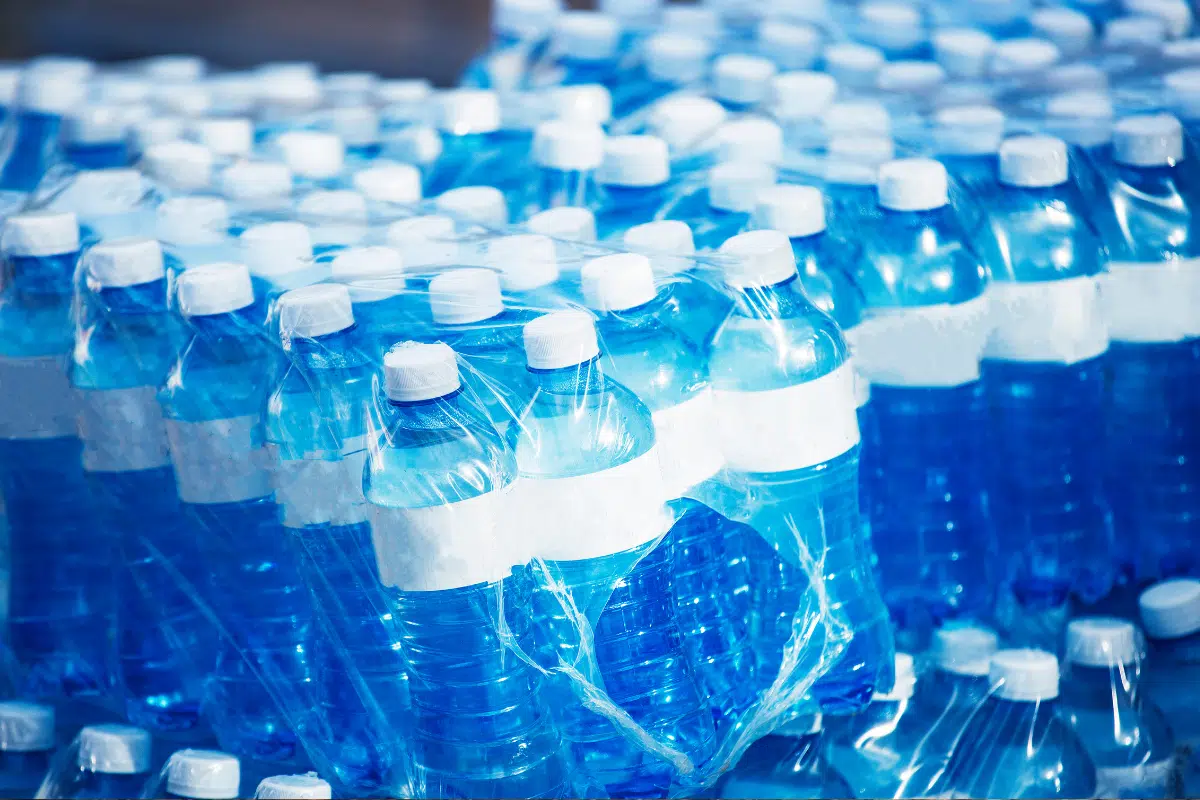
Bottled water is one of the simplest grocery items to overspend on, especially when purchased regularly. The cost per gallon is often much higher than filtered tap water, and a large portion of the price comes from packaging and transportation. A reusable bottle paired with a home filtration system can provide similar convenience at a fraction of the cost. Bottled water can still make sense for travel or emergencies, but it is rarely the most economical everyday choice.
Name-Brand Spices

Spices are small purchases that can carry surprisingly large markups, especially when choosing well-known brands. Many store-brand spices come from the same types of suppliers and offer comparable flavor at a lower price. Buying larger containers or refill bags can also reduce the cost per ounce. Just be sure to store spices properly, since freshness matters as much as the brand name.
Single-Serve Yogurts
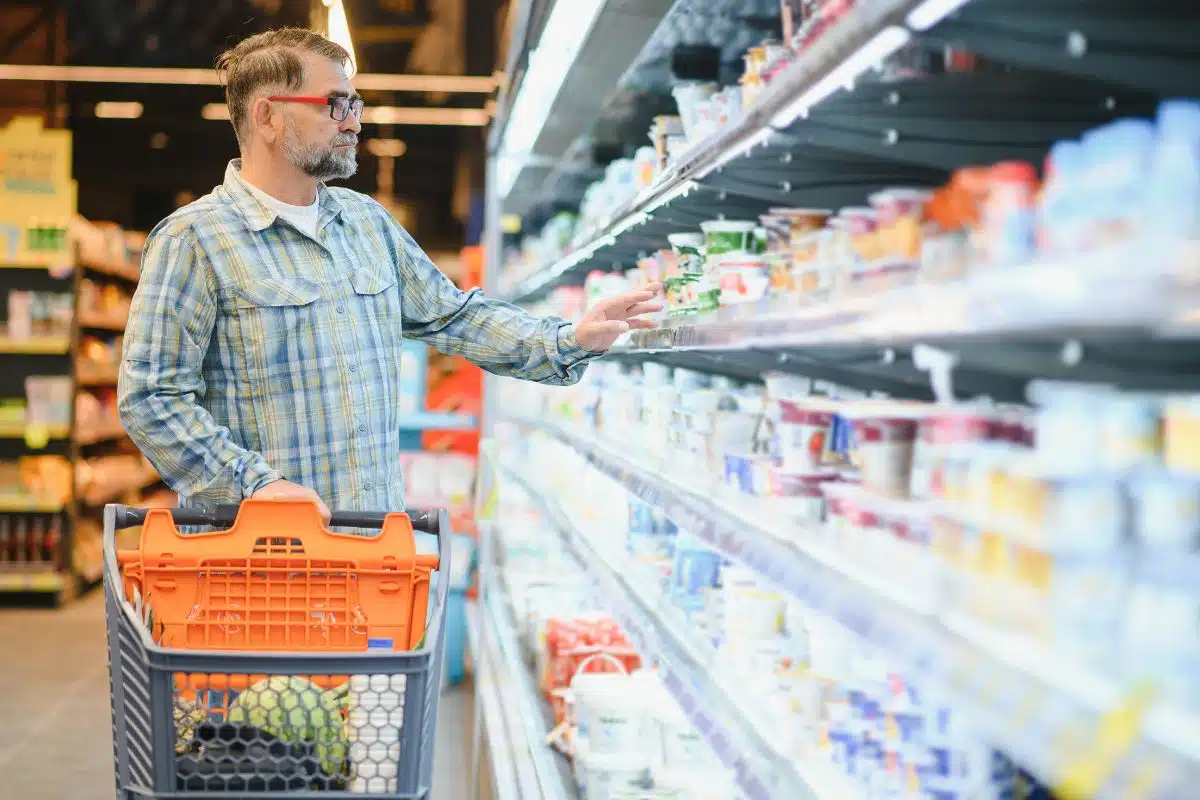
Individual yogurt containers are convenient for lunches and quick snacks, but they usually cost much more per serving than larger tubs. The extra price often covers packaging and portioning rather than a better product. Buying a larger container and dividing it into reusable containers at home can help cut costs. This option also creates less packaging waste.
Checkout Lane Snacks and Drinks
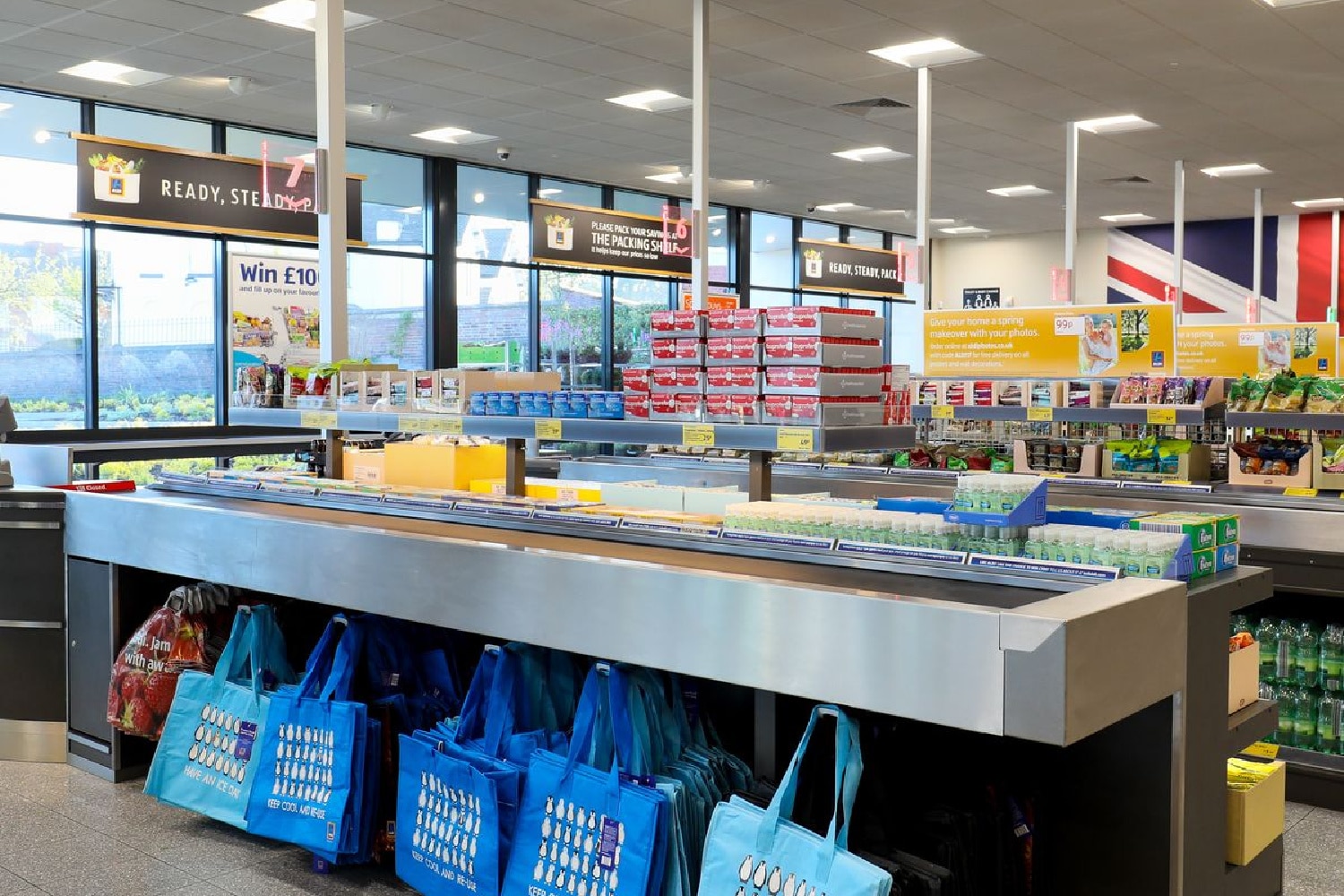
Items placed near the checkout area are designed to encourage impulse purchases. Candy, gum, small beverages, and snack-size items often come with higher prices compared with similar products located elsewhere in the store. These last-minute purchases can add up quickly over multiple shopping trips. Creating a list and sticking to it can help avoid unnecessary spending at the register.
Bakery Bread and “Fresh-Baked” Items

The smell of fresh bread can make bakery items hard to resist, but the price may reflect the experience more than the actual ingredients. Many grocery store bakery products are made using prepared dough or mixes rather than being made entirely from scratch in-store. While bakery bread can be delicious, packaged options or local sales may offer better value. Comparing price per ounce can help determine whether the upgrade is worth it.
Pre-Marinated Meats

Pre-seasoned meats offer convenience, but shoppers often pay extra for the preparation. The added cost may include seasoning, packaging, and labor rather than a higher-quality cut of meat. Buying plain meat and adding your own marinade or seasoning blend is often less expensive and gives you more control over ingredients. It also allows you to customize flavors to your preference.
Bagged Salad Kits
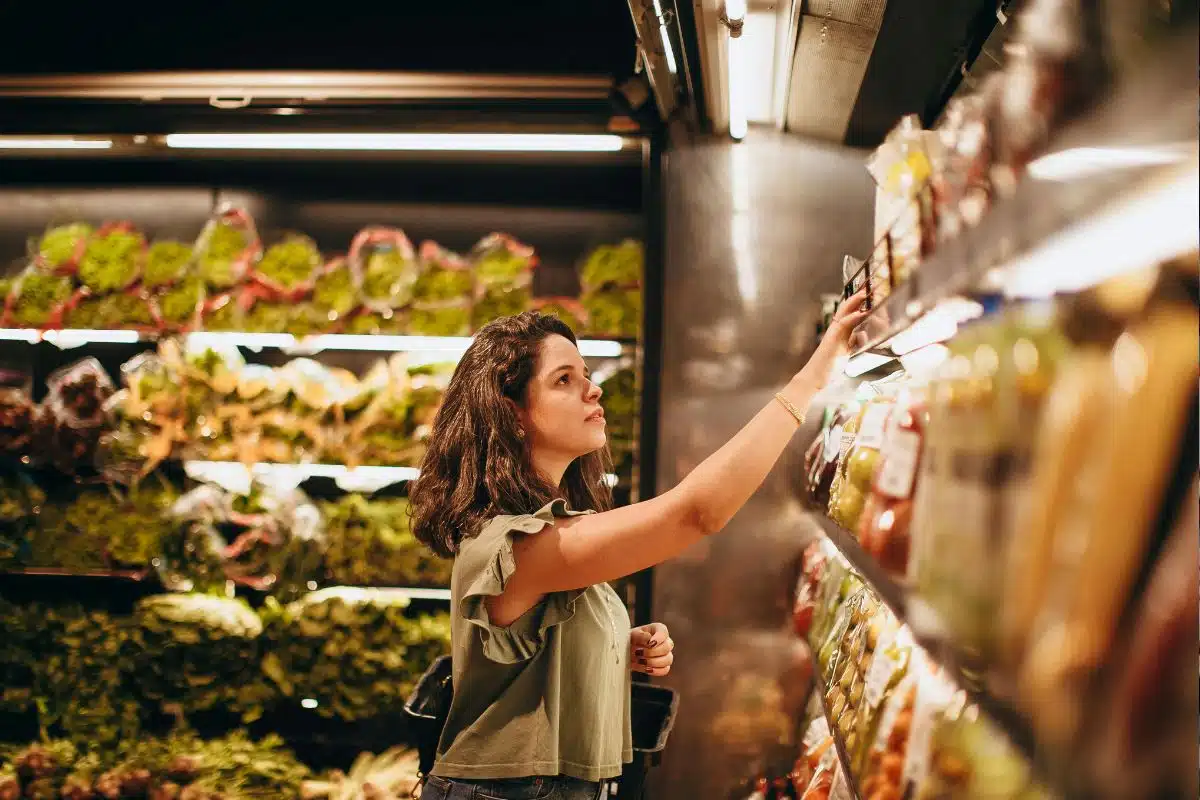
Salad kits make healthy eating easier, but the convenience comes with a premium price. You’re often paying extra for chopped greens, small topping packets, and included dressing. Buying lettuce, vegetables, and toppings separately can create several salads for the same price as one or two kits. Homemade versions also allow you to control freshness and ingredients.
Travel-Size Products

Small packages may be convenient, but they frequently cost much more per ounce than full-size versions. Toiletries, snacks, and household items are often marked up simply because they are packaged for portability. Reusable travel containers can help you save money while still keeping products easy to carry. Travel sizes are useful when space matters, but they are rarely the best everyday value.
Organic Snack Foods
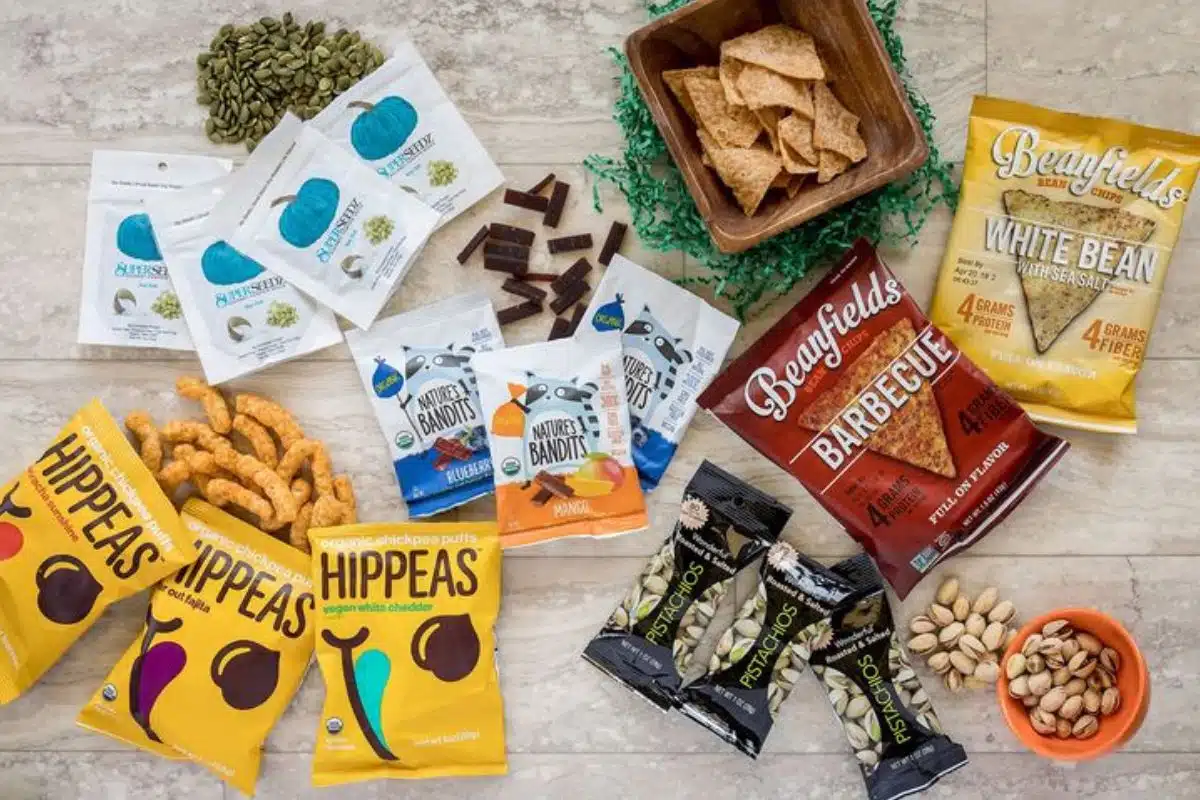
The organic label can increase the price of many processed snack foods, including crackers, cookies, and chips. While organic options can be important for certain shoppers, an organic snack is not automatically a healthier choice. Many still contain added sugars, refined ingredients, or high levels of sodium. Compare nutrition labels and ingredients rather than relying only on the front-of-package claims.
Endcap “Deals”

End-of-aisle displays often catch shoppers’ attention, but they are not always the best bargains in the store. Some products are placed there because brands pay for prominent placement, not because they offer the lowest price. Before grabbing an item from an endcap, compare it with similar products on the regular shelves. Checking the unit price is one of the easiest ways to spot a true deal.
Shredded Cheese

Pre-shredded cheese is convenient, but it usually costs more than buying a block and shredding it yourself. Many shredded cheeses also contain anti-caking ingredients to prevent clumping. A few minutes with a grater can save money and often results in cheese that melts more smoothly. For frequent cheese users, this small change can add up over time.
Flavored Rice and Pasta Mixes
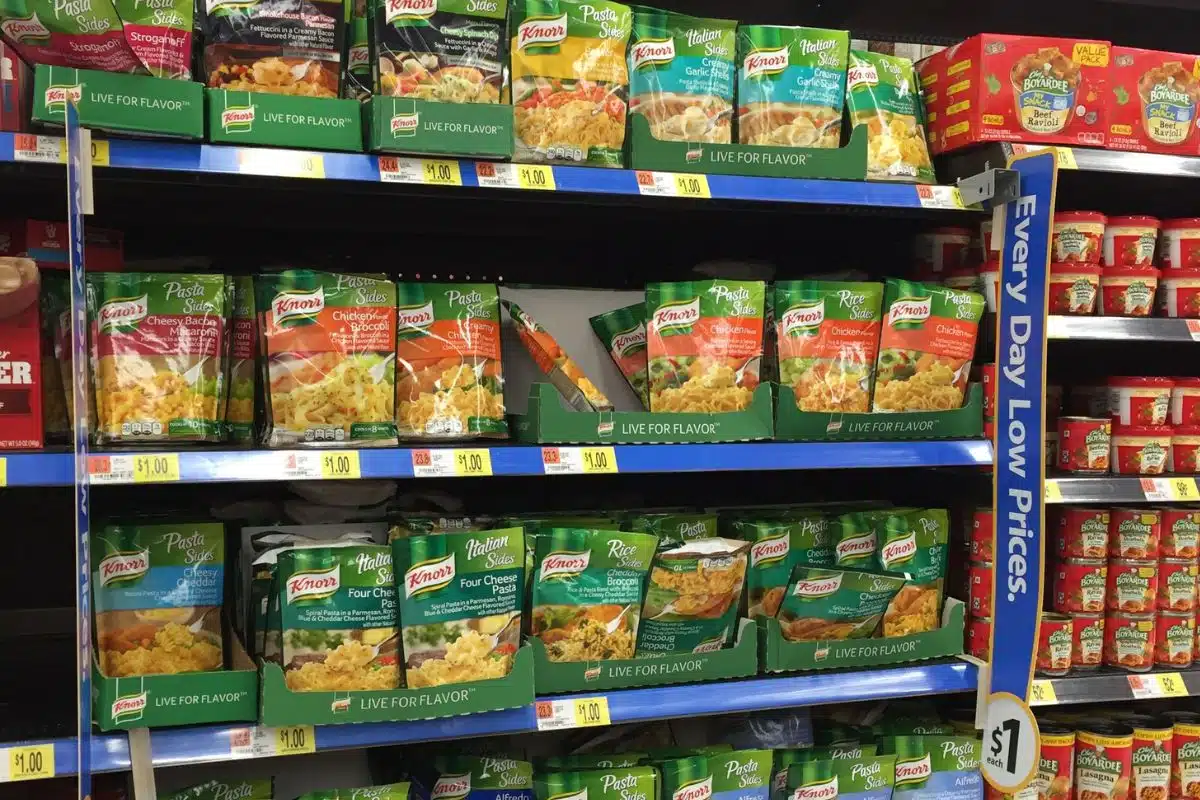
Seasoned rice and pasta mixes are easy side dishes, but much of what you’re paying for is added seasoning and packaging. Buying plain rice or pasta and adding your own herbs, spices, broth, or vegetables usually costs far less. Homemade versions can also contain less sodium and fewer additives. A well-stocked spice cabinet makes it easier to recreate many store-bought flavors.
Store-Made Smoothies and Juices
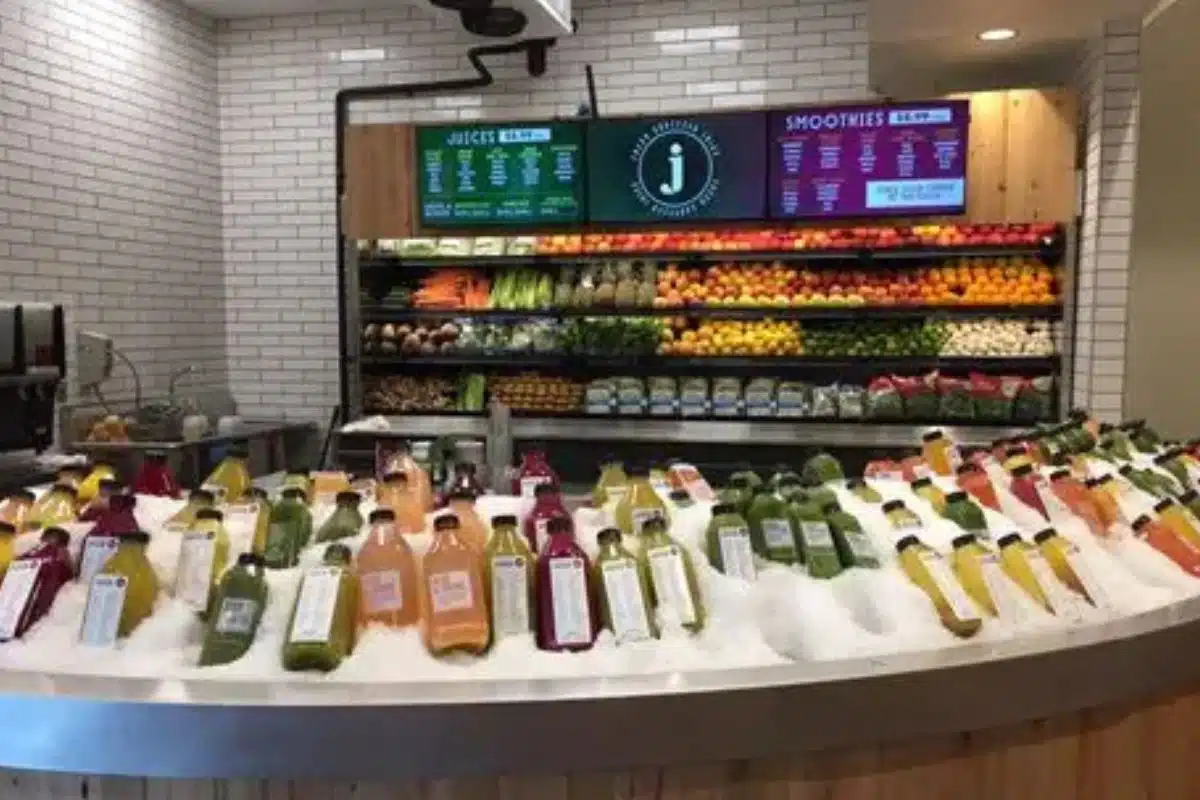
Ready-made smoothies and fresh juices may seem like a healthy convenience, but they often come with a premium price tag. The ingredients are usually simple fruits, vegetables, yogurt, or liquids that cost much less when purchased separately. Making smoothies at home allows you to customize portions and reduce food waste by using ingredients you already have. Store versions can still be useful occasionally, but they are rarely budget-friendly daily habits.
Bulk Packs That Aren’t Really Cheaper

Buying in bulk can save money, but only when the price per unit is actually lower. Some larger packages cost more than smaller options, especially when stores use bulk packaging to create the impression of a bargain. Always check the shelf’s unit price before assuming the biggest package is the best deal. Buying more only saves money if you will use the product before it expires.
This post may contain affiliate links or sponsored content. Disclosure Policy