15 Supermarket Rip-Offs to Watch Out For
Grocery shopping feels routine — but supermarkets are packed with clever pricing tricks designed to get you to spend more without noticing. From convenience foods with massive markups to “deals” that aren’t actually deals, some of the biggest budget drains are hiding in plain sight on everyday shelves. Before your next trip, watch for these common supermarket rip-offs that can quietly inflate your total at checkout.
Pre-Cut Fruits and Vegetables
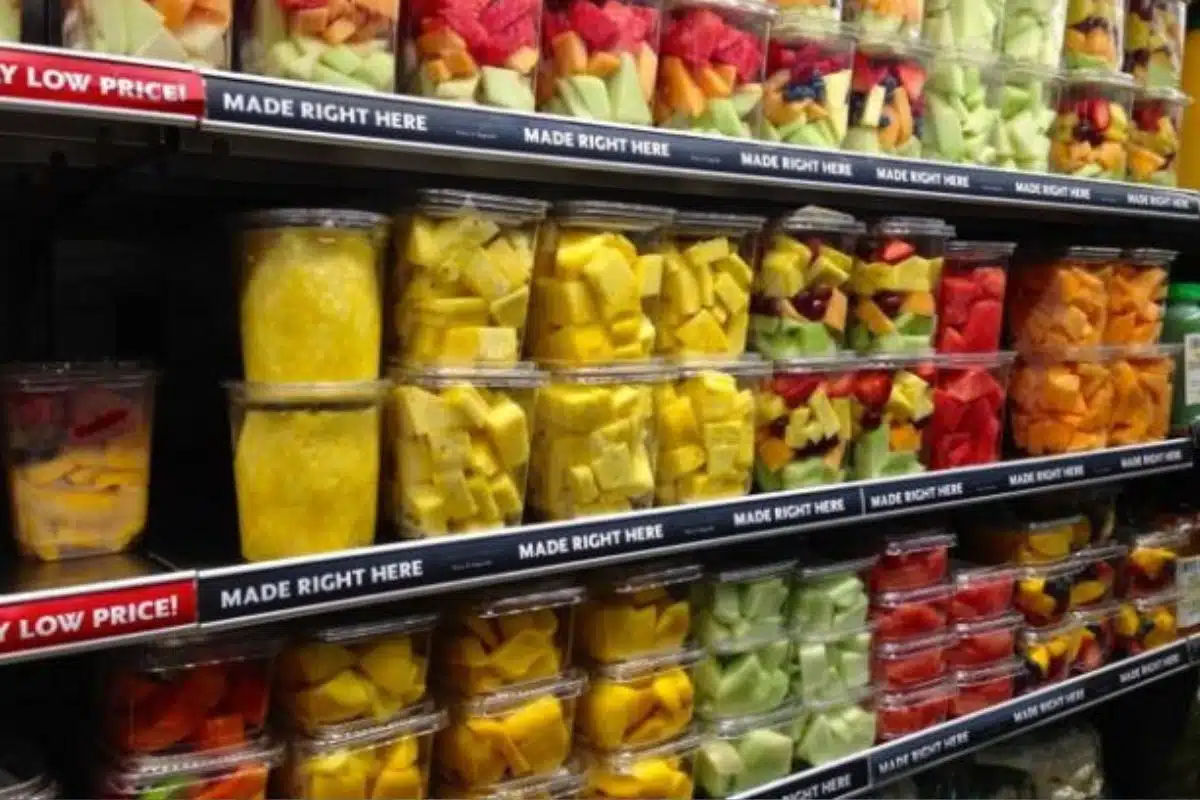
Convenience comes at a steep markup when you buy pre-cut produce. Sliced apples, diced onions, and cubed melon can cost two to four times more than whole versions. If you can spare a few minutes at home, buying whole and prepping yourself saves serious money.
Bottled Water Packs
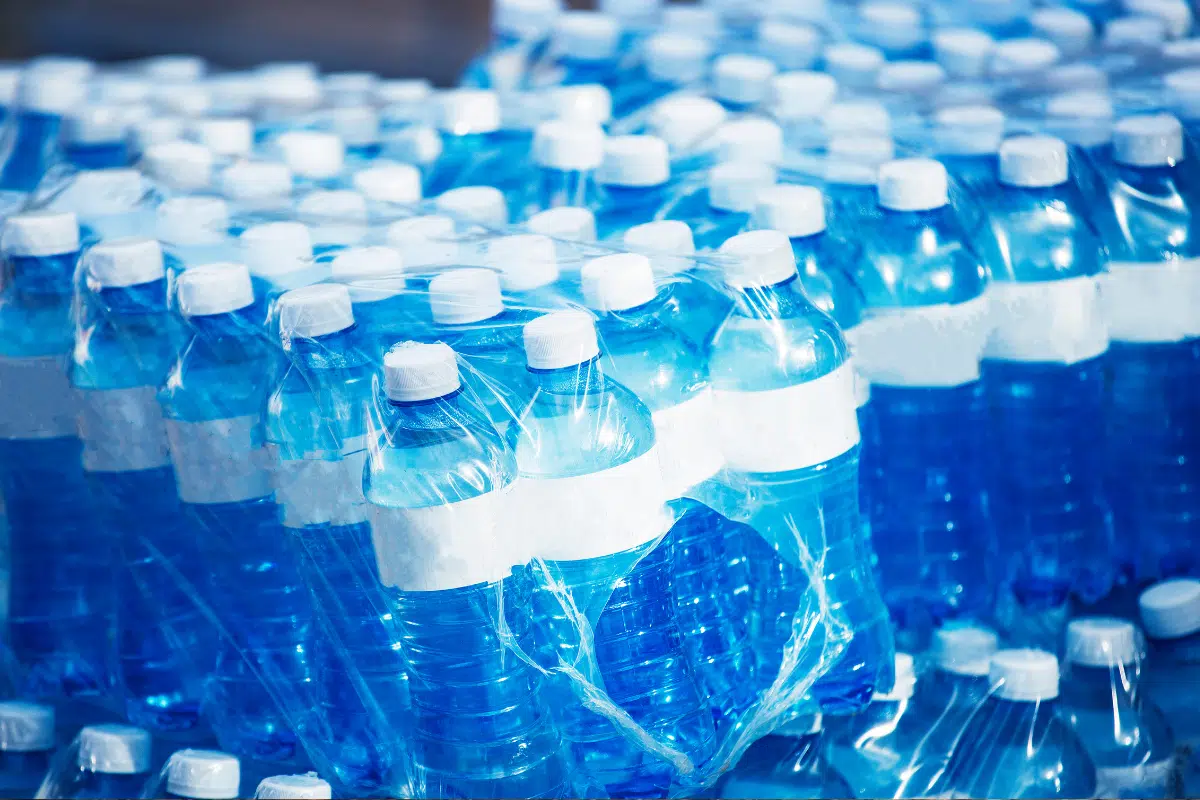
Multi-packs of bottled water often cost far more per gallon than filtered tap water. Unless you truly need portability, a reusable bottle and home filter system is dramatically cheaper. You’re often paying for packaging and branding, not better quality.
Name-Brand Spices

Small jars of brand-name spices are one of the highest markups in the store. Many store-brand and bulk-bin spices are nearly identical in quality. Buying larger refill bags or bulk options can cut your cost by half or more.
Single-Serve Yogurts
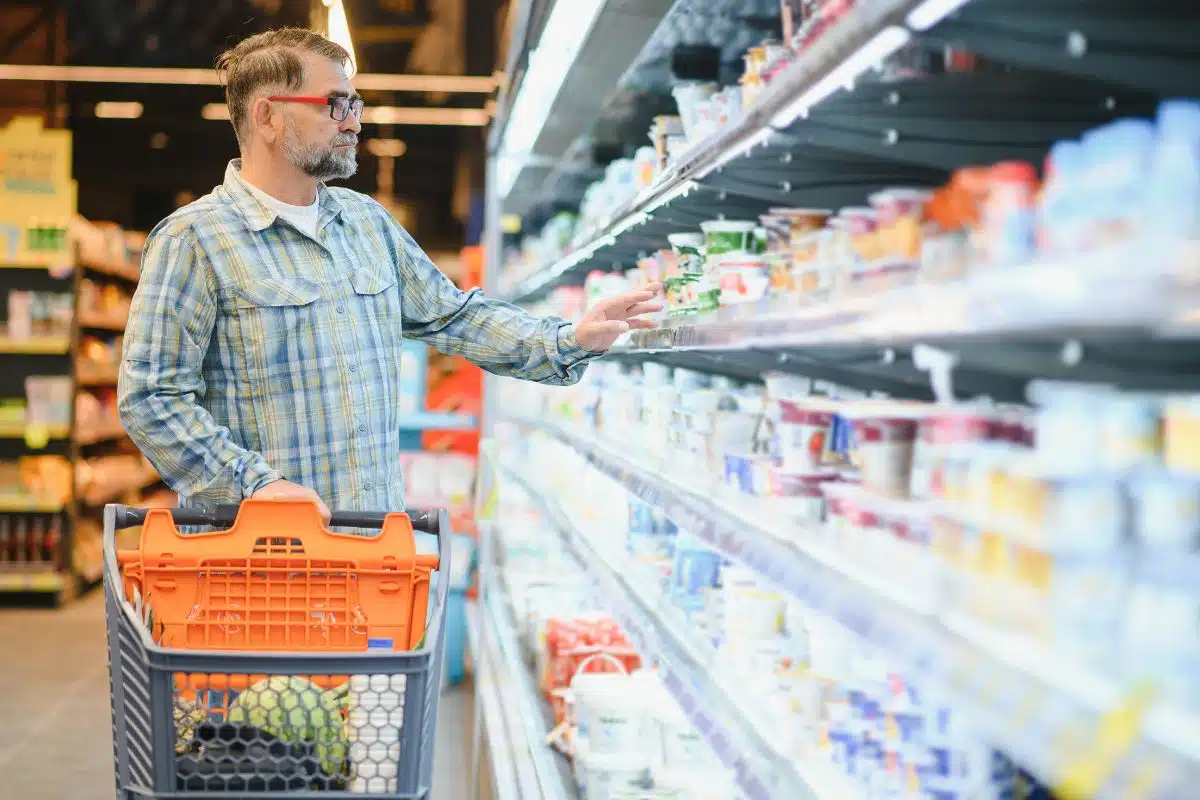
Individual yogurt cups cost much more per ounce than large tubs. You’re paying for packaging and portioning. Buying a large container and dividing it at home is usually far more economical.
Checkout Lane Snacks
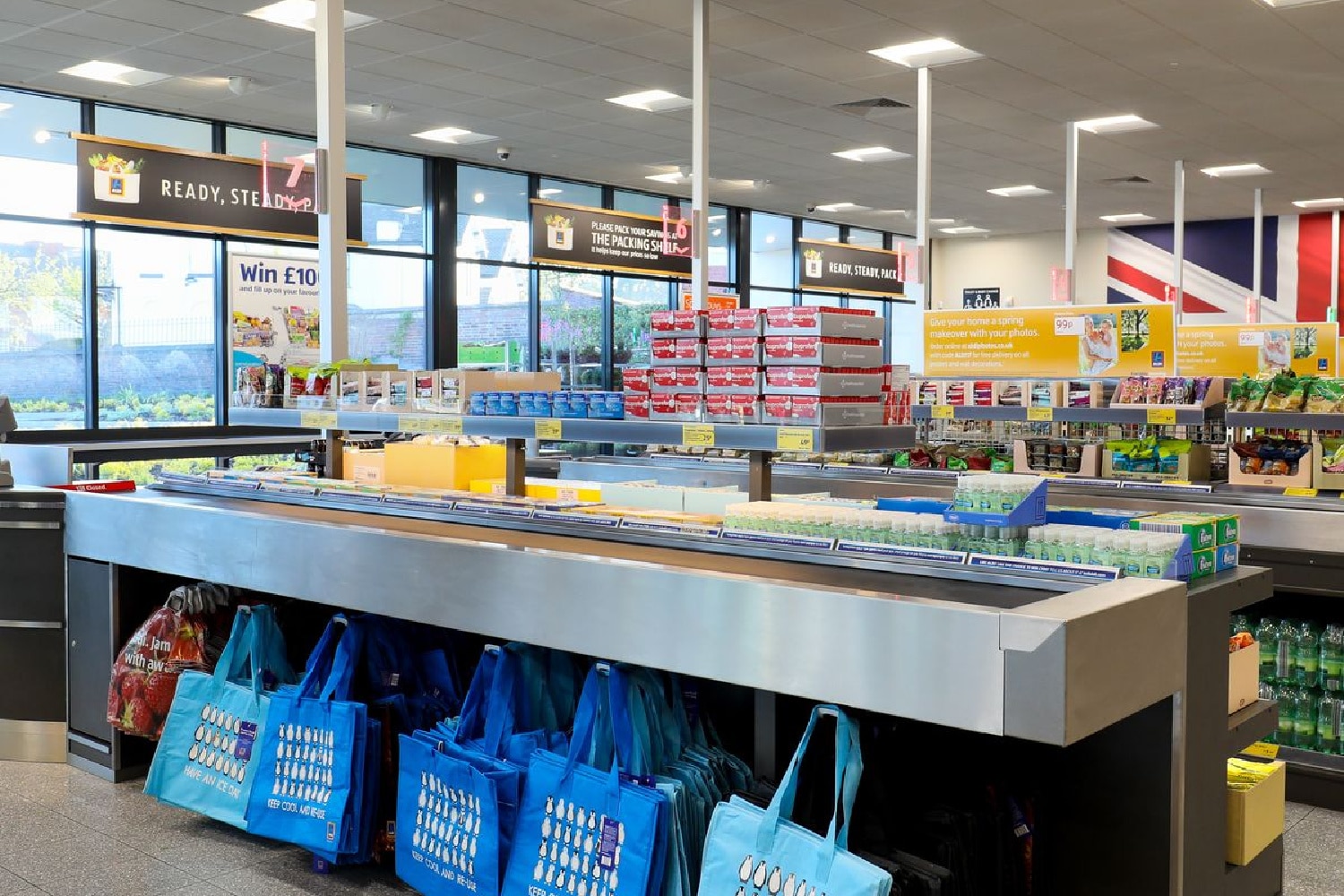
Impulse buys near the register are priced at a premium. Candy, gum, and small drinks here are often more expensive than the same items in the main aisles. Stores rely on last-minute decision fatigue.
Bakery “Fresh” Bread
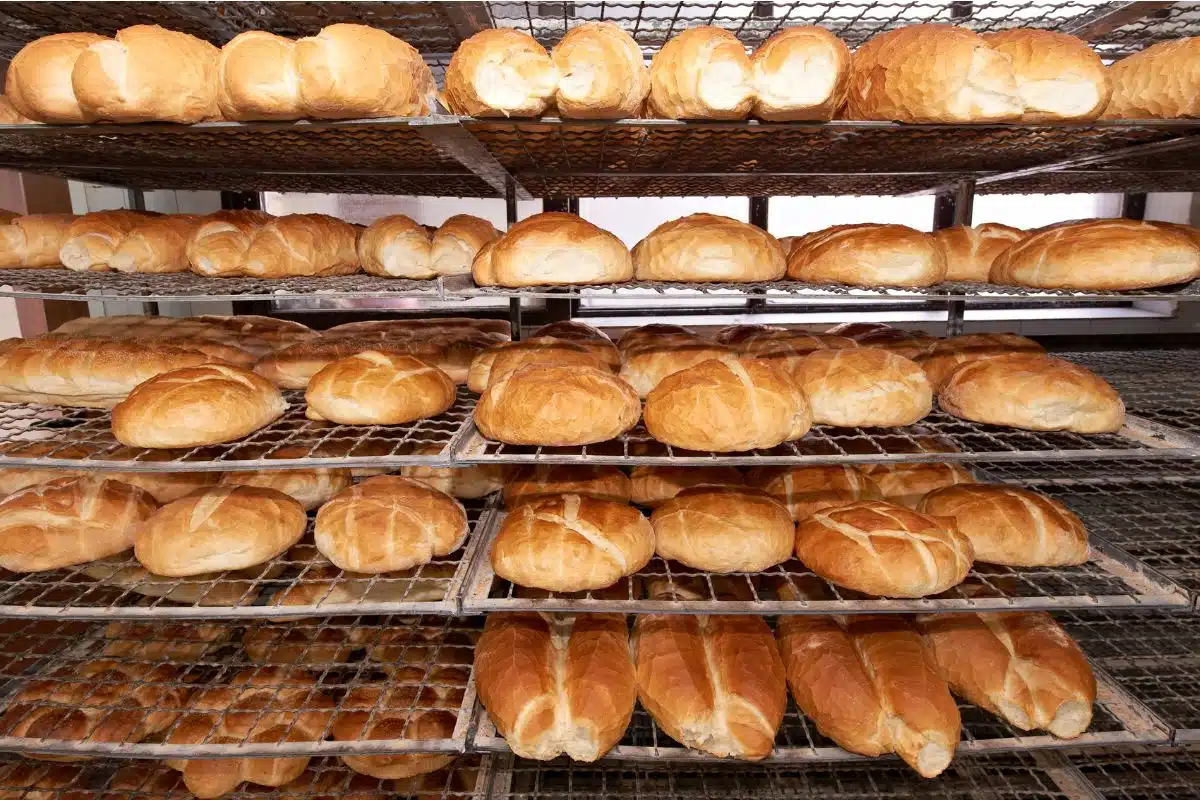
In-store bakery bread smells amazing, but it’s often priced much higher than comparable packaged loaves. Some bakery items are also made from pre-mixed frozen dough shipped in. You’re paying for presentation and aroma.
Pre-Marinated Meats

Pre-seasoned and marinated meats can cost significantly more per pound. They may also use lower-quality cuts hidden under heavy seasoning. Buying plain meat and adding your own marinade is usually cheaper and more transparent.
Bagged Salad Kits
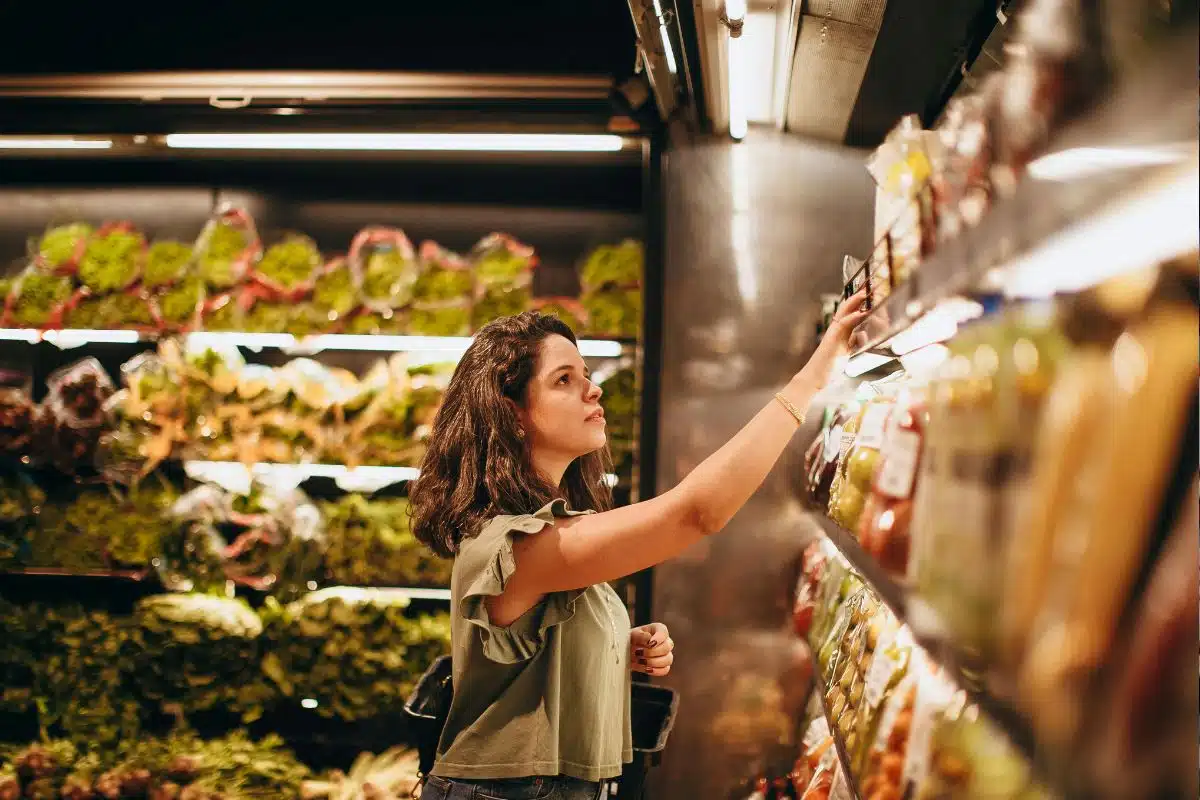
Salad kits are convenient but pricey for what you get. The cost of chopped lettuce, toppings, and dressing adds up fast. Making your own salad mix at home can cut the price per serving in half.
Small “Travel Size” Items

Mini toiletries and travel-size foods often carry a very high per-ounce cost. Unless you truly need the smaller size, full-size versions are usually far better value. Reusable containers make downsizing cheaper.
Organic Snack Foods
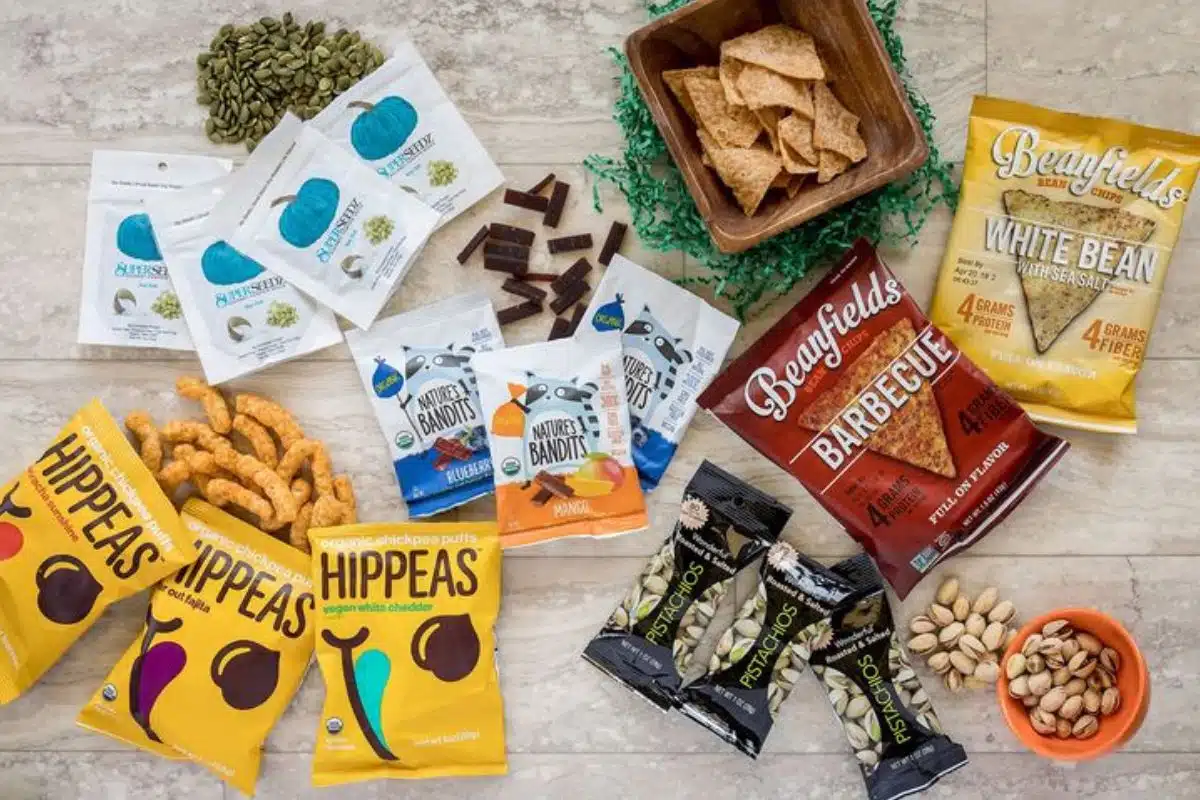
Organic labeling can drive prices up sharply — especially on processed snacks. While some organic staples may be worth it, organic cookies and chips often aren’t much different nutritionally. You’re often paying for the label halo.
Endcap “Deals”

End-of-aisle displays look like promotions but aren’t always discounted. Many are simply paid placements by brands. Always check the unit price against the regular shelf section.
Shredded Cheese
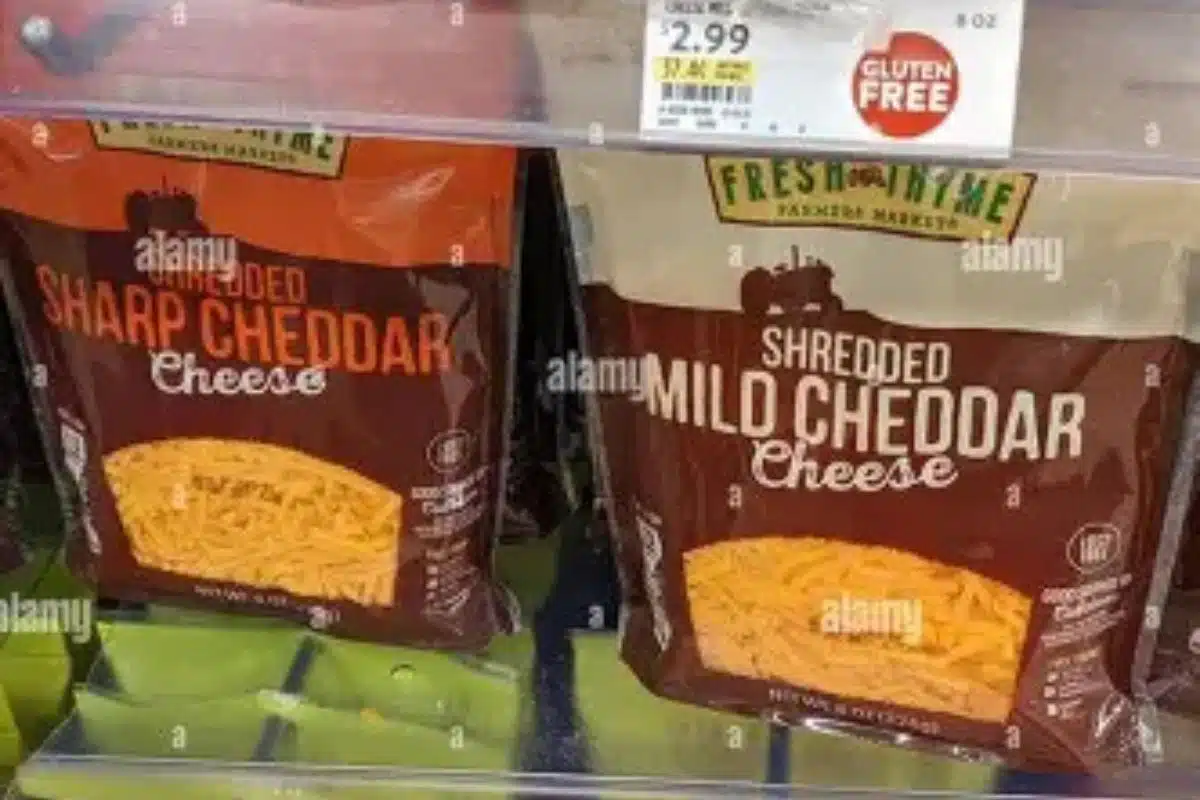
Pre-shredded cheese costs more and often includes anti-caking additives. Block cheese is usually cheaper per ounce and melts better. A quick grate at home saves money and improves texture.
Flavored Rice and Pasta Mixes
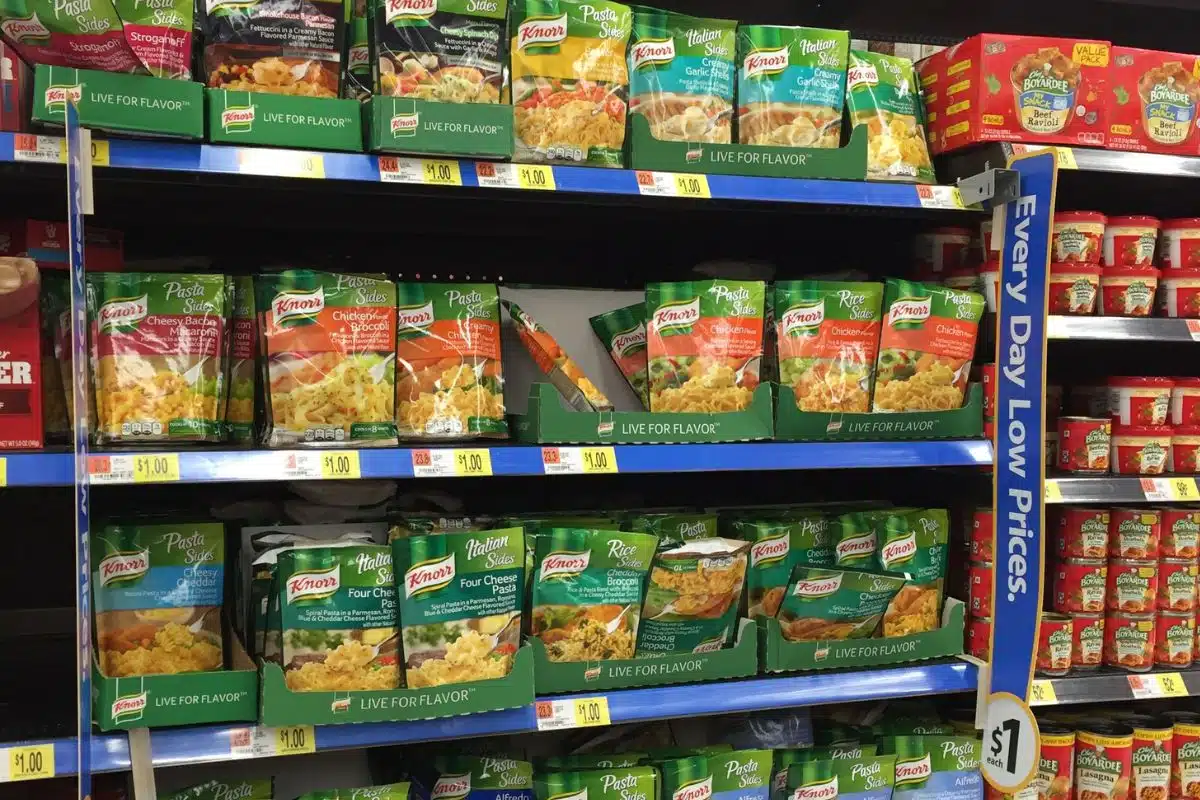
Boxed seasoned rice and pasta sides are mostly cheap grains plus salt and flavoring. The markup compared to plain rice or pasta is huge. Making your own seasoned version costs pennies.
Store-Made Smoothies and Juices
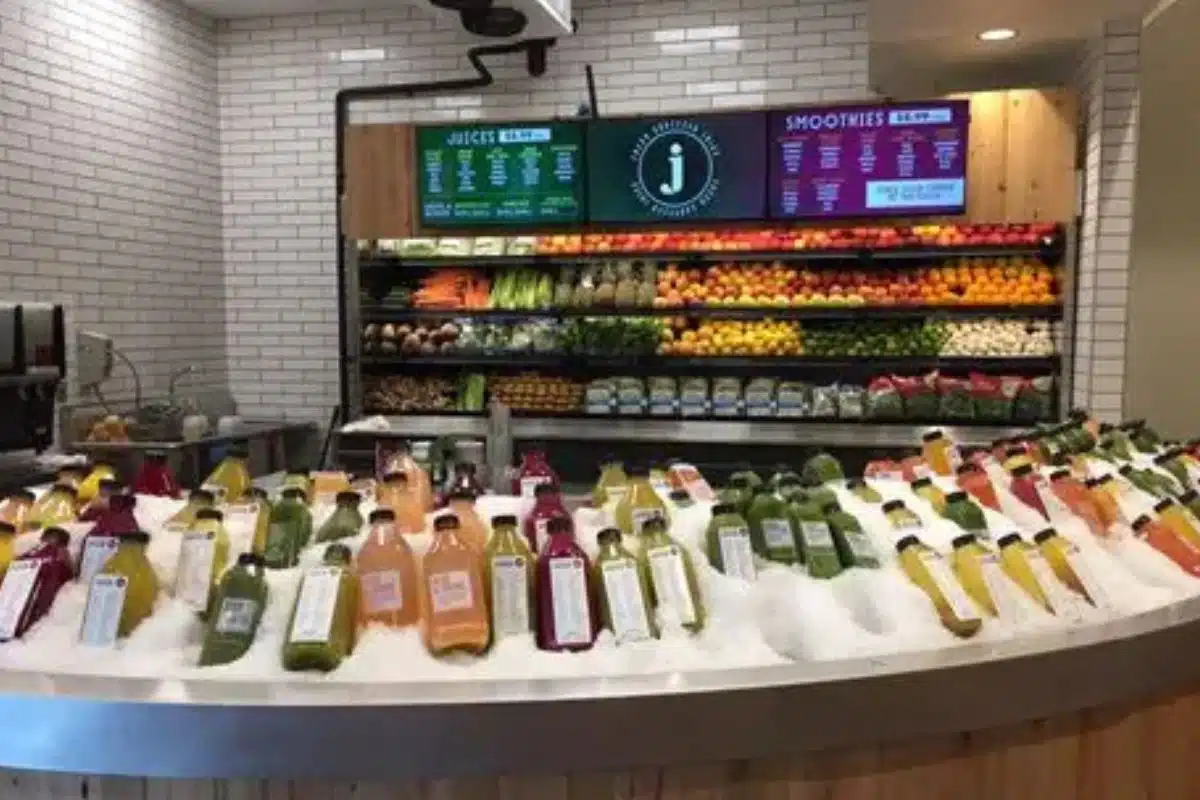
Fresh-blended drinks from the store cooler can cost several dollars each. The ingredients are typically inexpensive fruits and liquids. Making smoothies at home is far more budget-friendly.
Bulk Packs That Aren’t Really Cheaper

Not all bulk sizes are bargains. Some larger packages actually cost more per unit than smaller ones. Always check the shelf unit price label before assuming bigger means cheaper.
This post may contain affiliate links or sponsored content. Disclosure Policy