10 Cooking Habits That Are Secretly Ruining Your Pans
Your cookware works hard—so hard that many of us unknowingly damage it long before its time. From overheating to using the wrong utensils, common kitchen habits can wear down pans, strip coatings, and shorten their lifespan. The good news? A few small changes can keep your pots and pans performing like new for years.
Overheating Your Pan
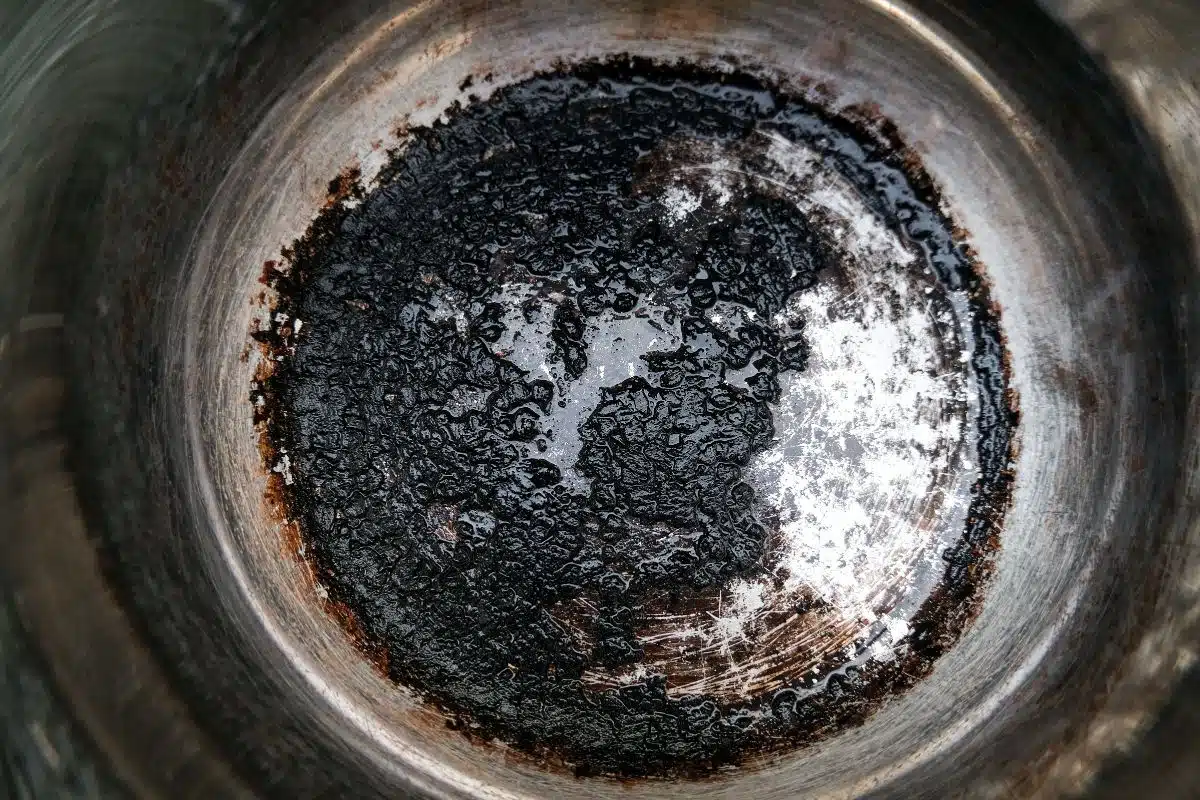
Cranking the heat too high can warp metal and damage nonstick coatings. Most pans work best on medium heat, even when you’re in a hurry.
Using Metal Utensils on Nonstick Surfaces
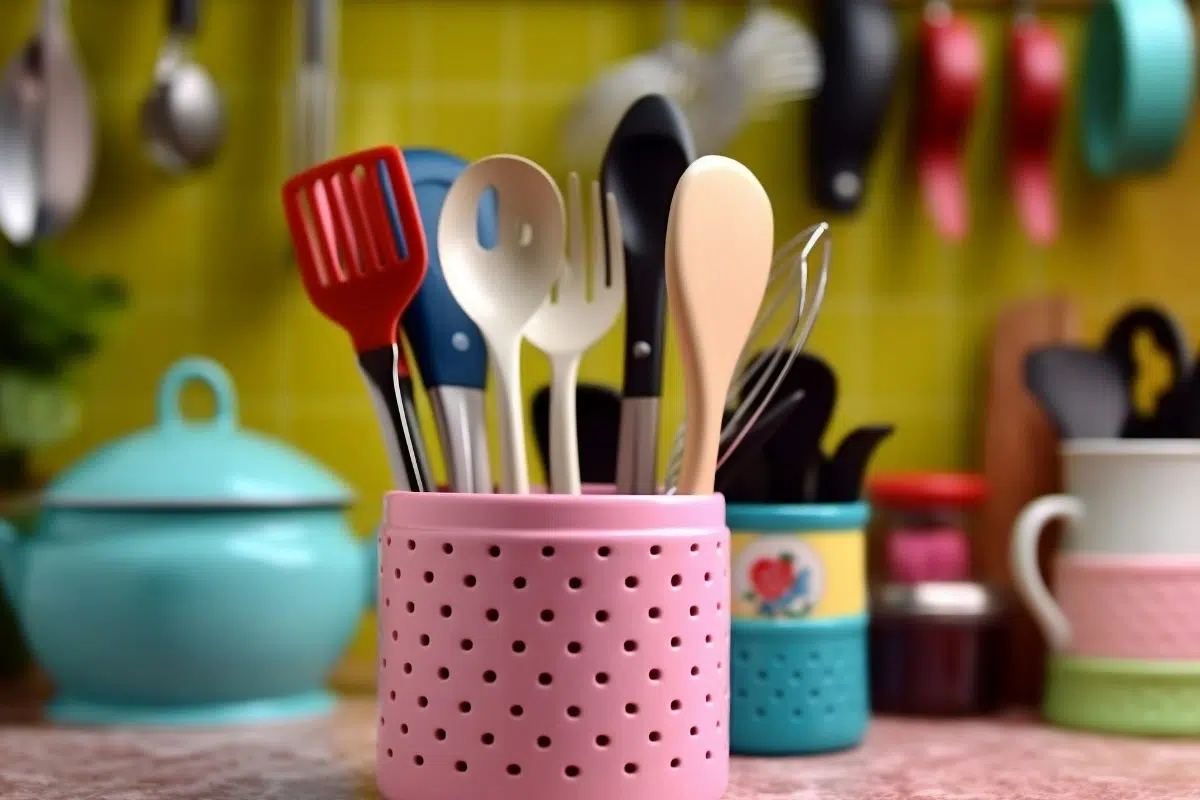
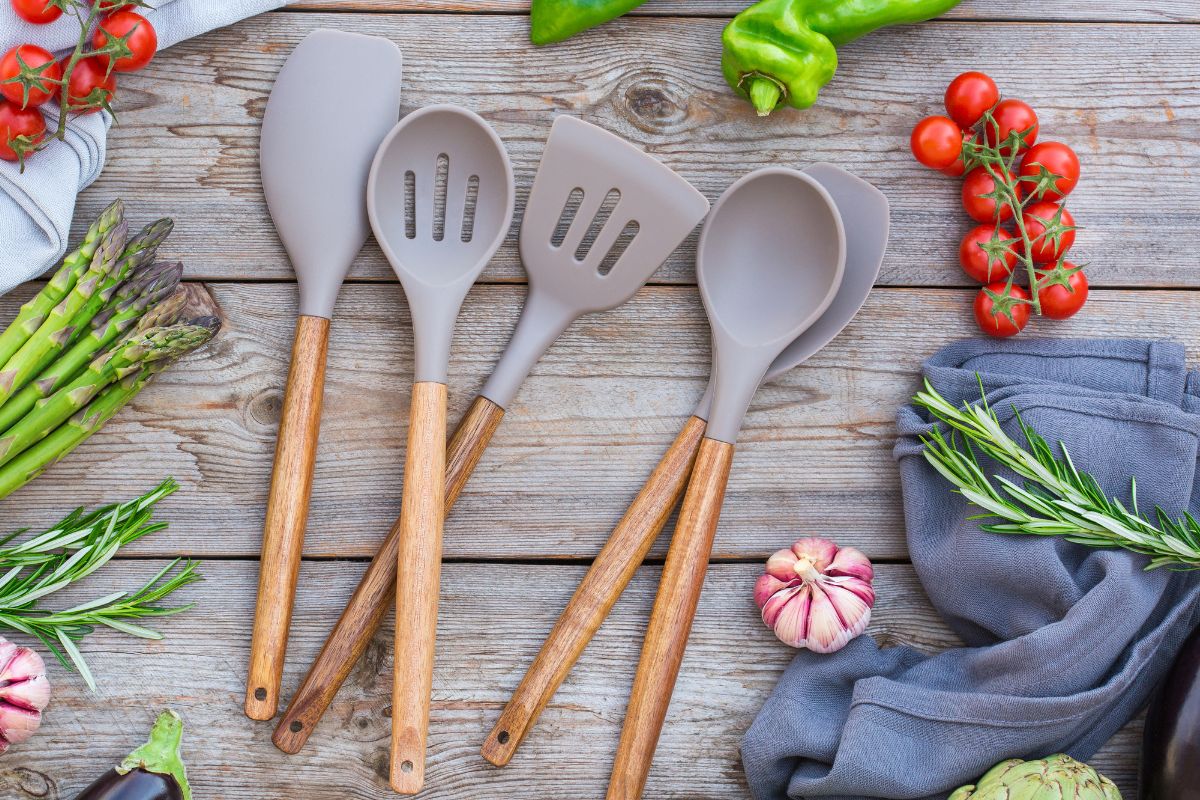
Scraping with metal utensils creates scratches that break down the coating. Opt for silicone, wood, or plastic to keep surfaces smooth.
Letting Pans Soak Too Long
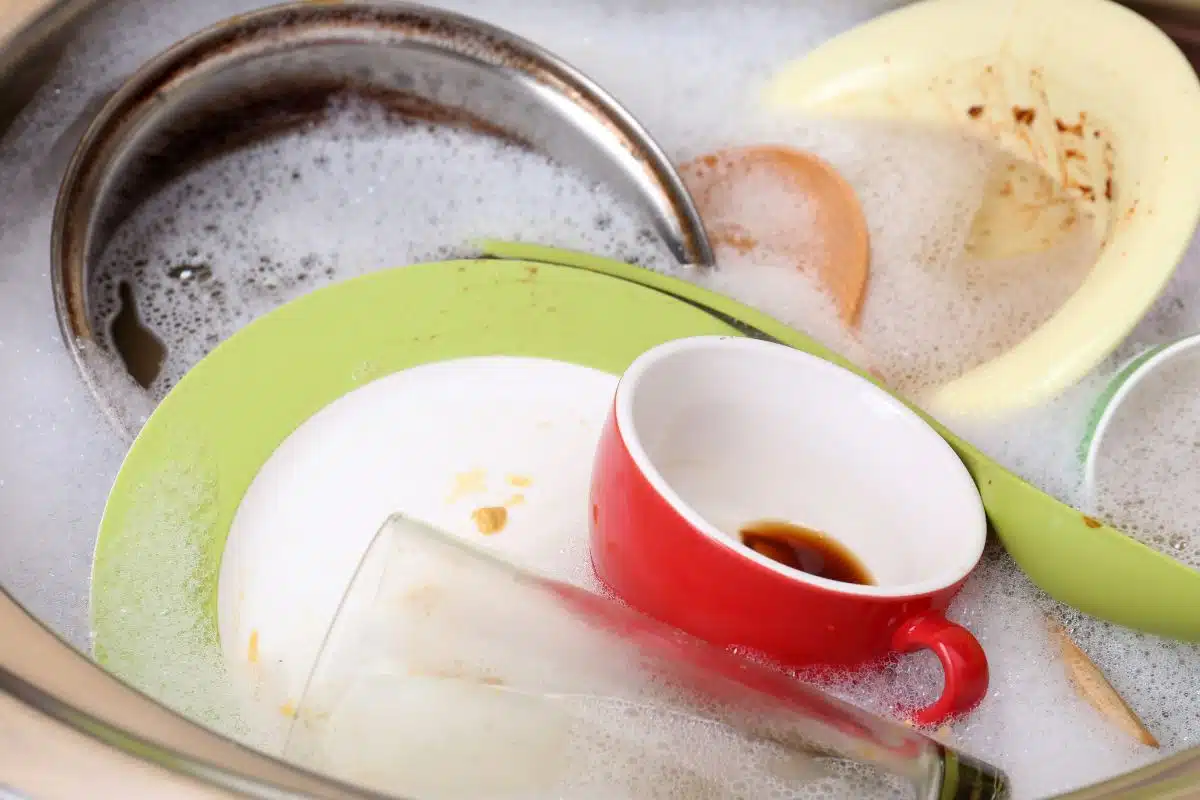
Leaving cookware submerged for hours can cause rust or loosen handle hardware. A quick wash is safer—especially for cast iron and carbon steel.
Using Cooking Spray on Nonstick Pans
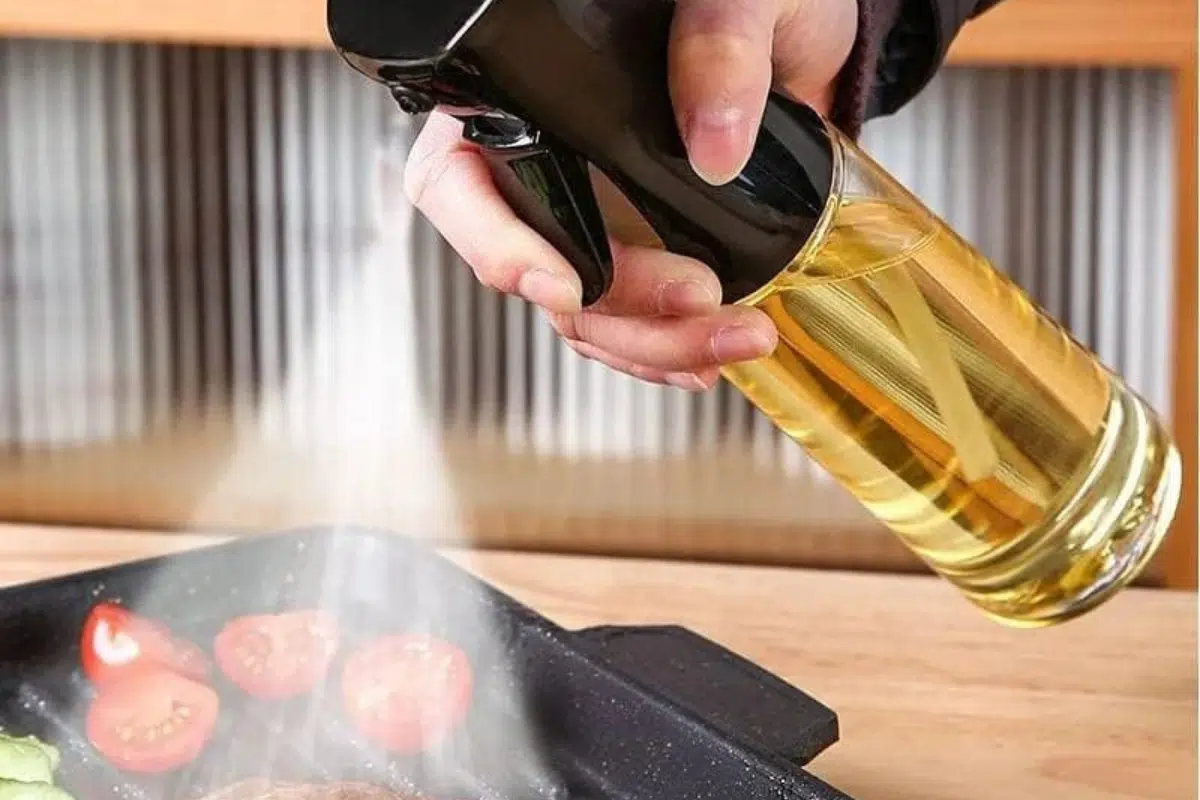
A sticky residue builds up over time, making your pan harder to clean and shortening its lifespan. Stick to butter or oil instead.
Putting Hot Pans Under Cold Water
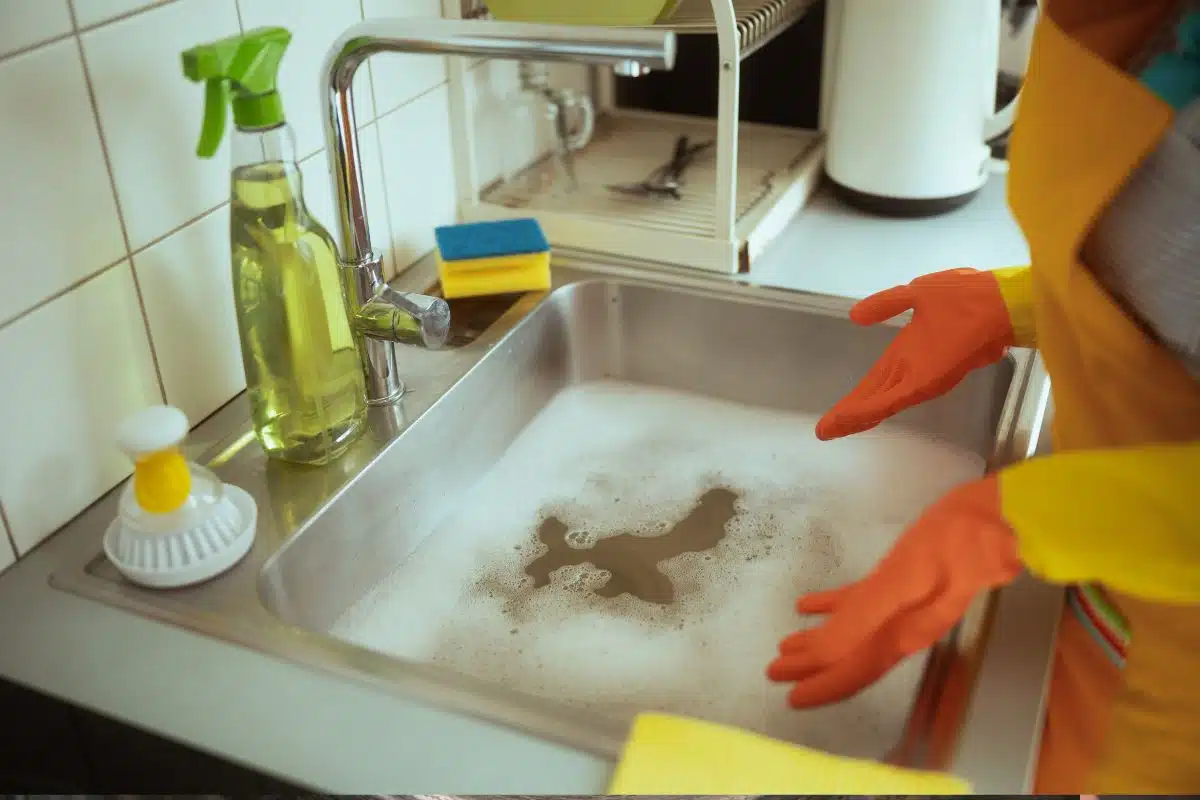
A sudden temperature shock can warp metal and cause nonstick coatings to crack. Let pans cool before washing.
Scrubbing With Abrasive Pads

Steel wool and harsh scrubbers scratch surfaces and strip coatings. Use soft sponges or nylon scrubbers for everyday cleaning.
Stacking Pans Without Protection
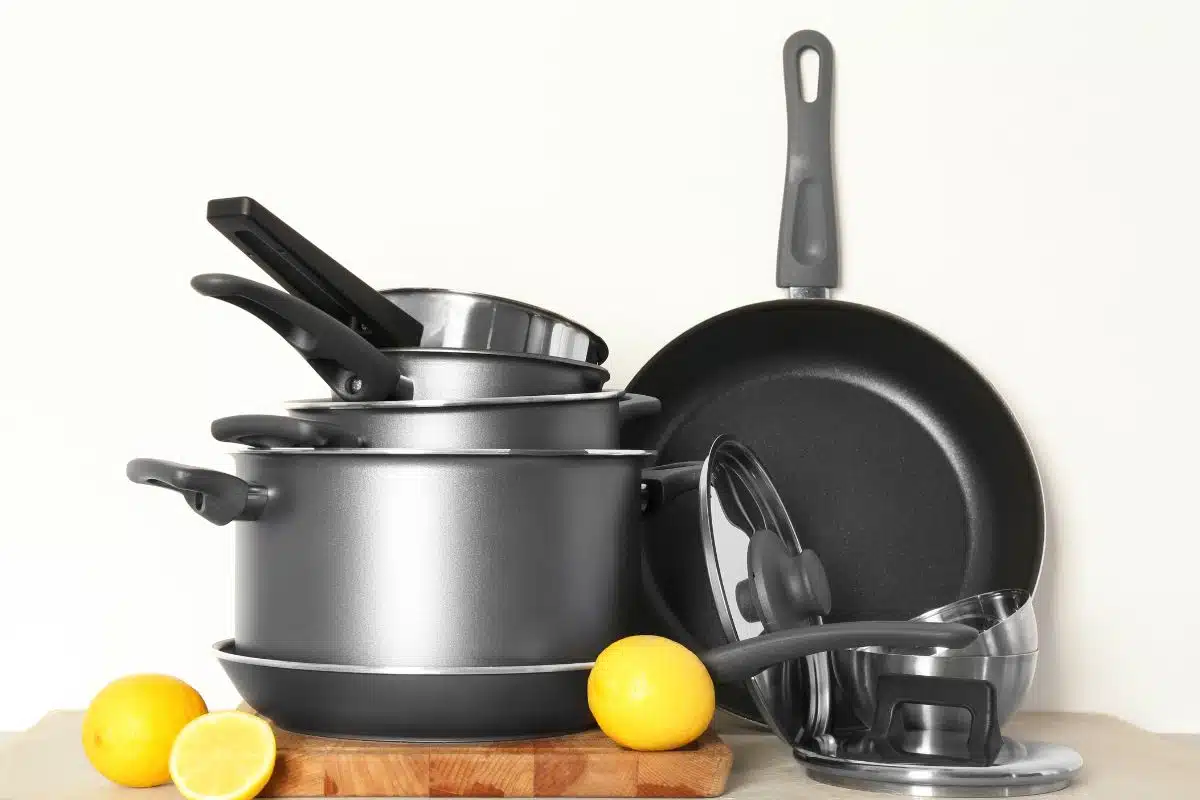
When pans rub against each other, coatings scratch and metal dents. Slip a paper towel or cloth between stacked pans to protect them.
Not Re-Seasoning Cast Iron
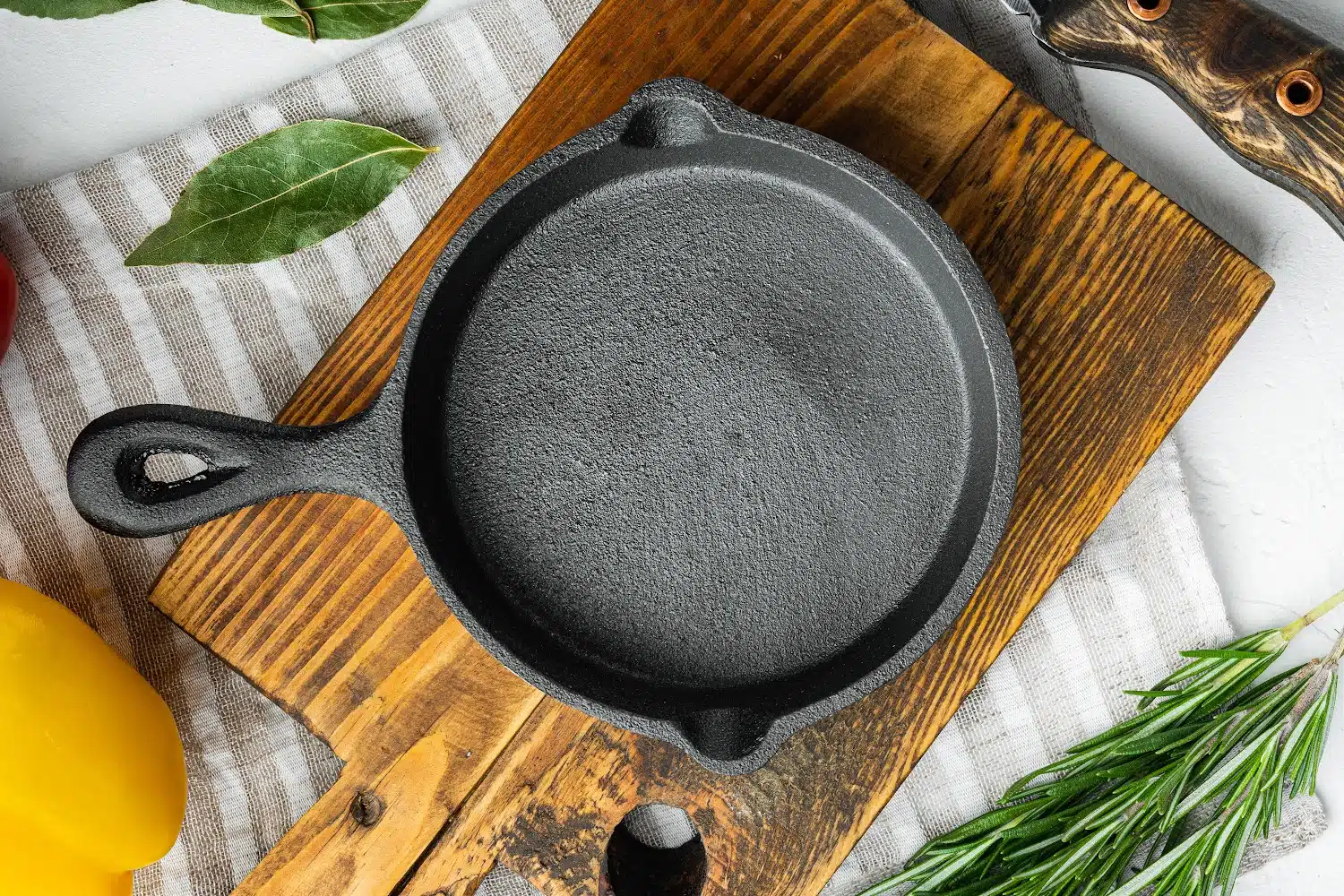
Skipping regular seasoning leads to rust, sticking, and dull surfaces. A thin layer of oil after each use keeps cast iron happy.
Using the Dishwasher for Delicate Cookware
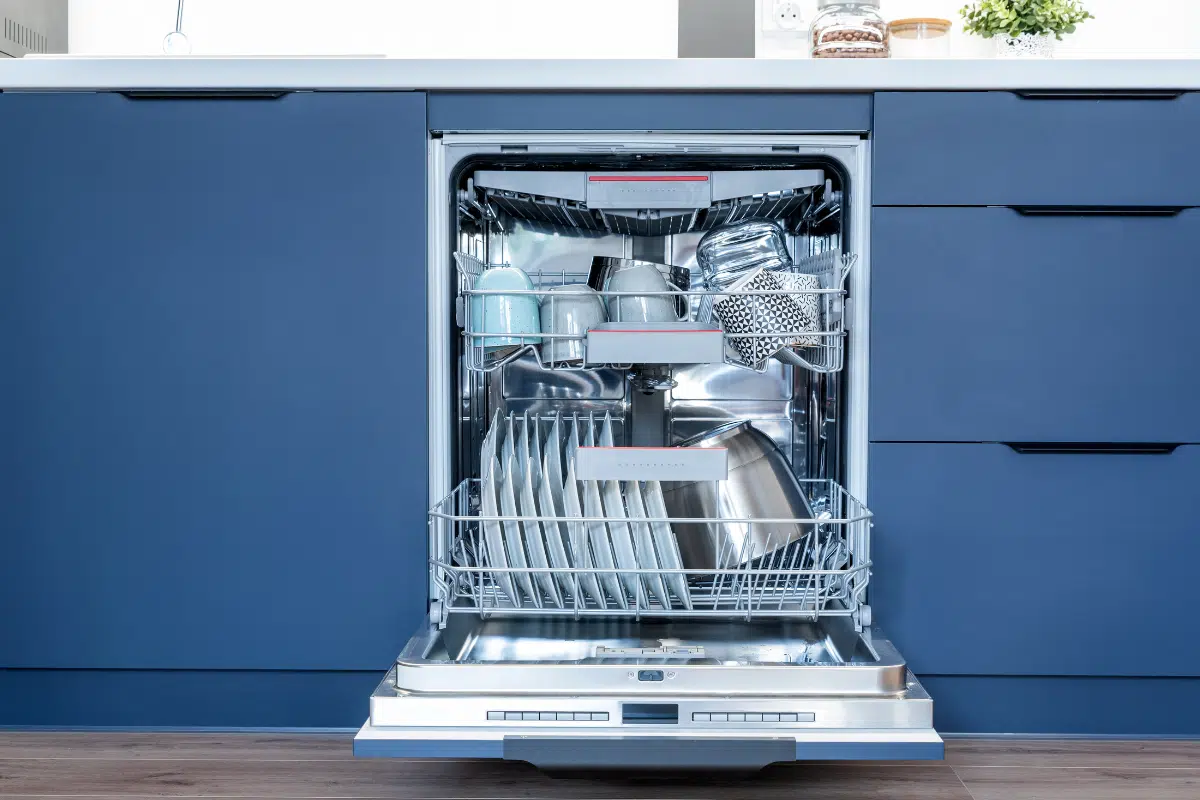
Dishwashers can discolor aluminum, damage wood handles, and degrade nonstick coatings. Handwashing is safer for most pans.
Cooking Acidic Foods in Reactive Pans
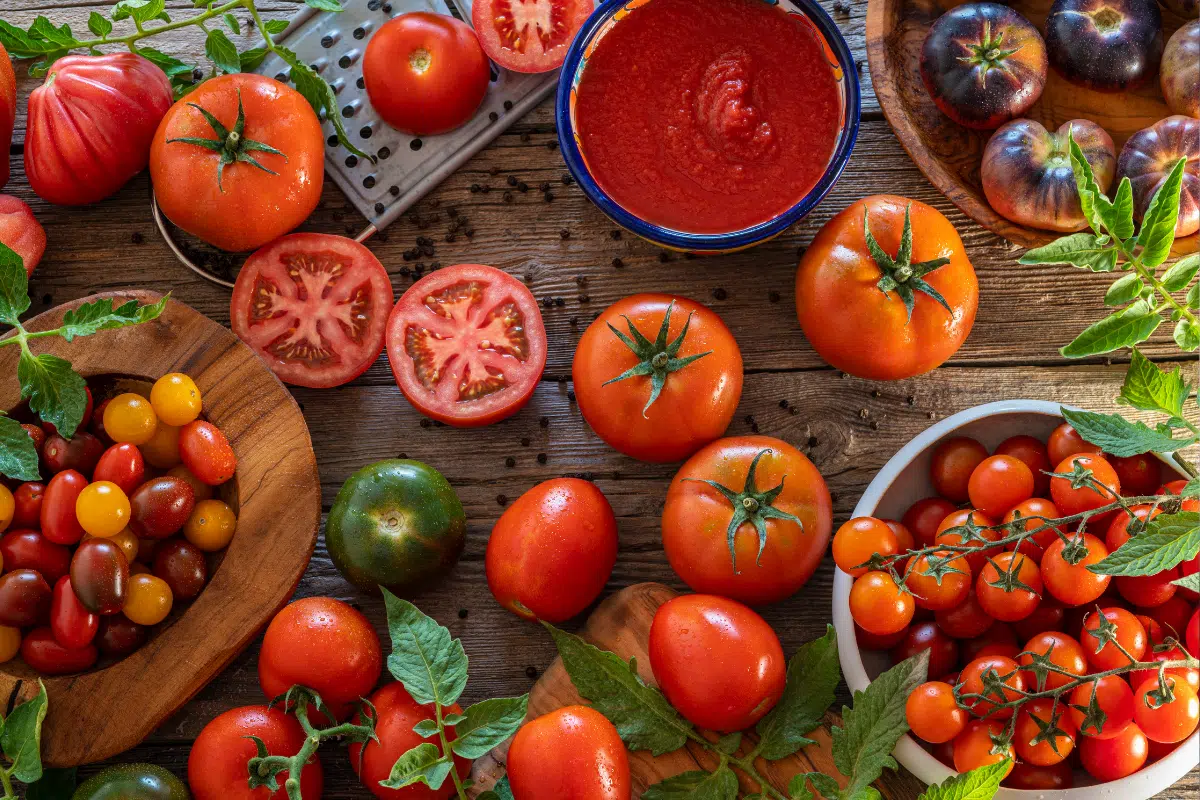
Tomatoes, vinegar, and citrus can react with certain metals, leaving behind flavors and discoloration. Use stainless steel or enameled cookware for acidic dishes
This post may contain affiliate links or sponsored content. Disclosure Policy